Traditional Greeting
शुभ दीपावली (Shubh Deepavali) / Happy Diwali
shoobh dee-PAH-vah-lee
More Than the Festival of Lights
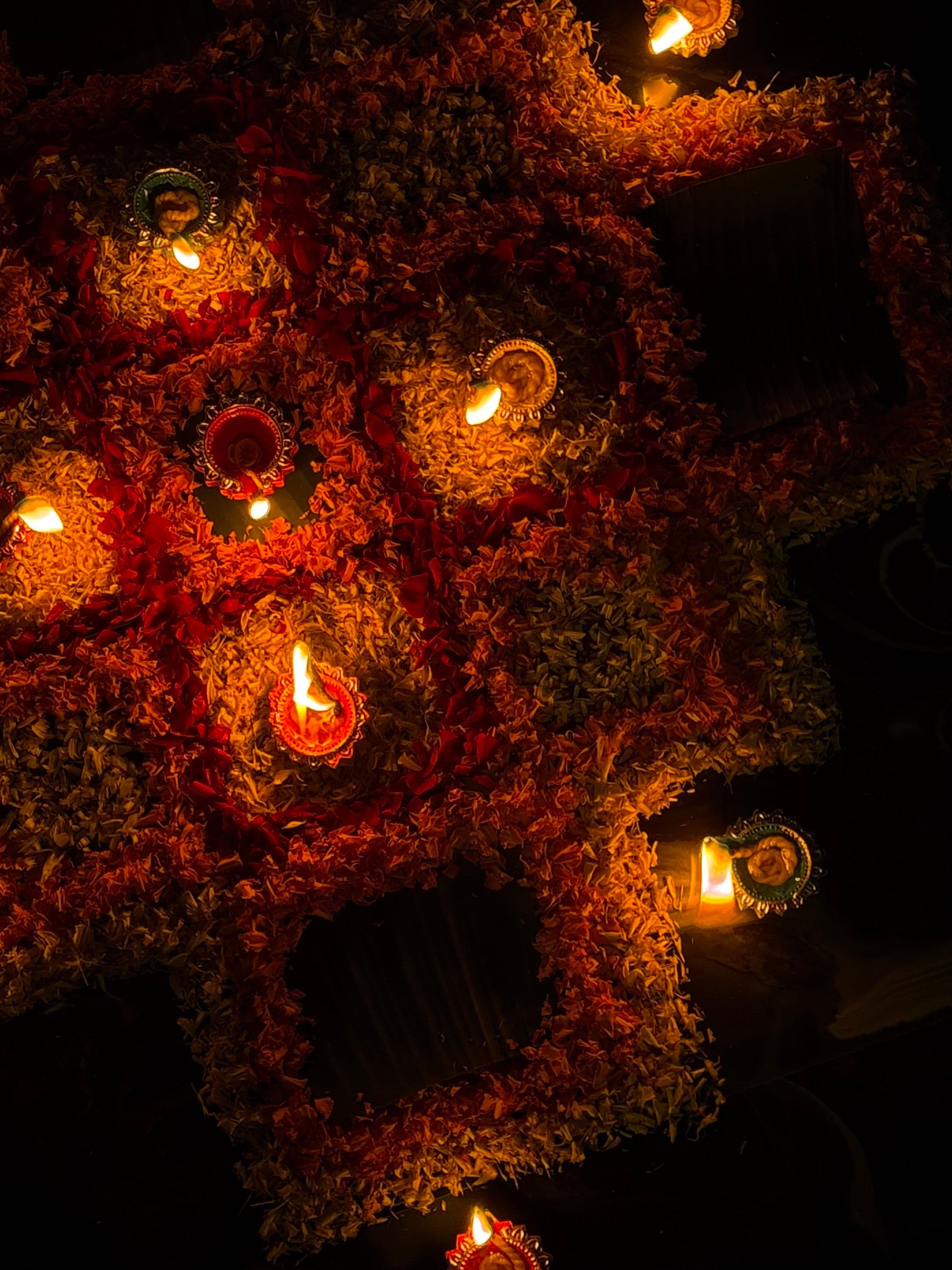
Diwali, or Deepavali, takes its name from the Sanskrit dipavali, meaning a row of lights. The clay lamps you see lining doorways and balconies are the literal heart of it: light pushing back darkness, good outlasting evil, knowledge over ignorance. That much is shared across the country. The story behind it is not.
In North India, Diwali celebrates Rama's return to Ayodhya after fourteen years of exile, the townspeople lighting his way home. In the South, it marks Krishna defeating the demon Narakasura. In the West, it's the day Vishnu sent the demon king Bali to the netherworld. Sikhs mark Bandi Chhor Divas, the release of Guru Hargobind from imprisonment, and Jains remember Mahavira reaching enlightenment. One holiday, many origins, which is exactly why a single Diwali gathering in the US might include families who each grew up with a slightly different version of why they're lighting the lamps.
The main day, Lakshmi Puja, falls on the new moon of the Hindu month of Kartik. That's when families invite Lakshmi, goddess of wealth and prosperity, into a home cleaned top to bottom and lit so brightly she can't miss it.
How Families Celebrate the Five Days
The festival runs five days, and each has its own job. Dhanteras opens things, traditionally a day to buy gold, silver, or new utensils for luck. Naraka Chaturdashi (Chhoti Diwali) is the warm-up. The third day is the main event, Lakshmi Puja, when families do the formal worship at home, light every diya they own, and sit down to the big meal. Govardhan Puja and Bhai Dooj close it out, the latter honoring the bond between brothers and sisters.
The food does the heavy lifting. Mithai gets made or bought by the box: kaju katli (cashew fudge cut into diamonds), gulab jamun, jalebi, ladoo, barfi. Savory namkeen like chakli and sev balance out the sugar. Families exchange these boxes the way others exchange holiday cards. At the doorstep, rangoli, intricate patterns made from colored powder, rice, or flower petals, welcomes guests and the goddess both. Everyone dresses up, often in new clothes bought for the occasion, and the evening ends with fireworks or, where city ordinances say otherwise, sparklers and a lot of LED diyas.
Diwali in the US
The biggest adaptation diaspora families make is timing. Diwali isn't a US holiday, so the actual puja often happens on the nearest weekend rather than the exact lunar date, and the community Diwali "mela" at a temple, school gym, or rented banquet hall might land a week off entirely. Fireworks are the other compromise. Where back home a rooftop display was normal, here it's sparklers in the driveway, electric diyas in apartment windows, and a careful read of the local fire code.
Sourcing has gotten easier. Mithai shops in Edison, Artesia, Devon Avenue, and Sugar Land ship nationwide, and most metro areas now have at least one Indian grocery stocking diyas and rangoli colors by September. What's harder is the scale: the multi-family street celebration of an Indian neighborhood becomes a single apartment or a booked-out hall, so community organizations and temples carry more of the weight than they would back home.
If You're Invited
Wear color. Diwali is not the occasion for muted tones, and a kurta, a saree, or a lehenga is welcome whether or not you're Indian. Bring something for the host: a box of mithai or dry fruits is the classic move, never empty-handed. Expect to take your shoes off at the door, expect a lot of food, and expect to be fed more than once even after you've said you're full. If there's a puja happening, follow the room's lead on when to sit and when to stay quiet. A simple "Happy Diwali" covers you completely.
What Families Hire For
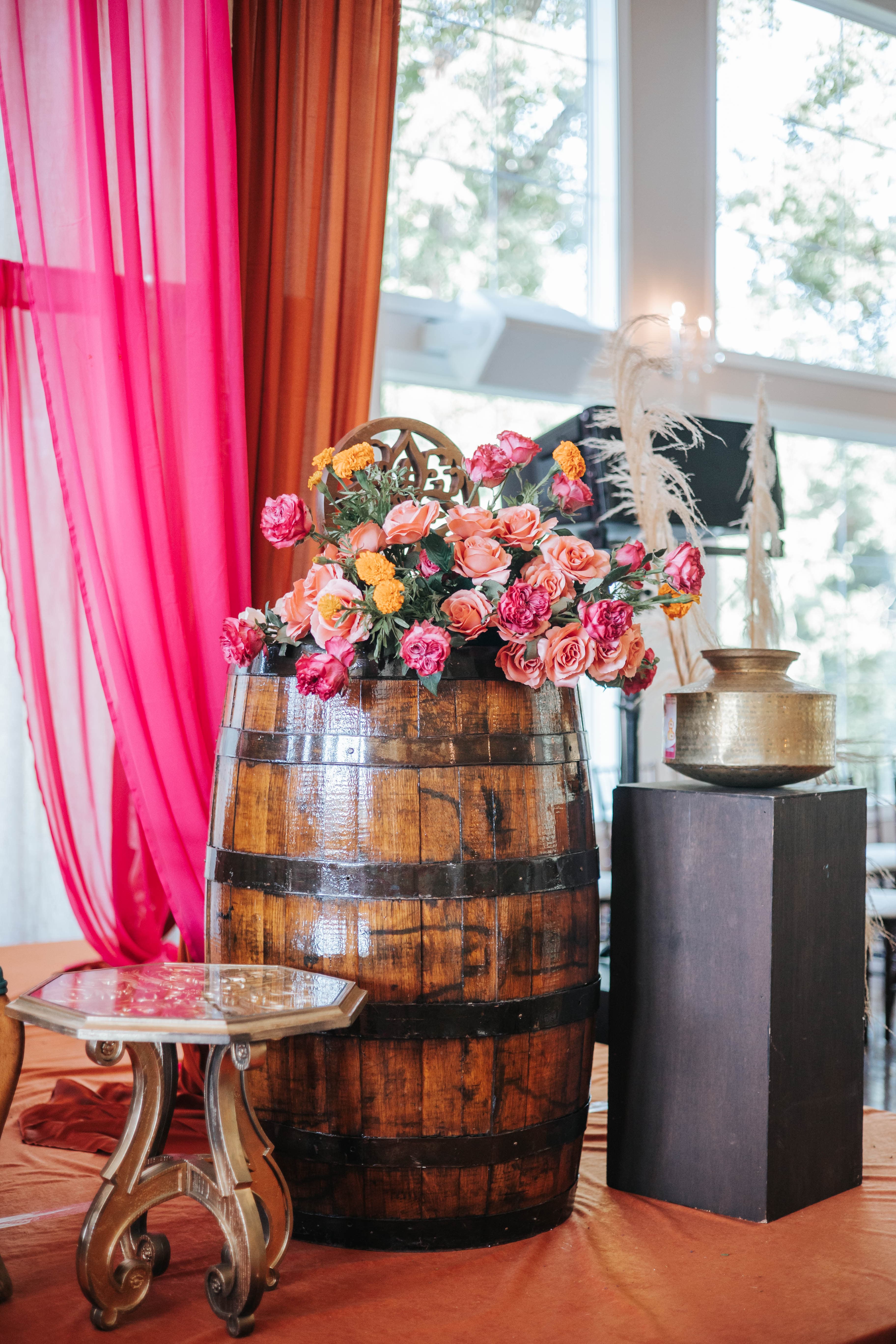
A home Diwali can be entirely DIY, but the community celebrations and larger family parties pull in real help: a caterer for the feast, a decorator for lighting and mandap-style backdrops, and increasingly a photographer to capture everyone dressed up in one place. If you're putting together the look yourself, the same principles from our Indian wedding decor budget guide apply: spend on lighting and the entrance, save on the rest. For outfits, our guide to lehenga shopping in the US covers where diaspora families actually buy.
Traditions & Customs
- diyas
- rangoli
- lakshmi puja
- mithai exchange
- fireworks
Vendors You Might Need
Browse Indian vendors who specialize in the services this event usually calls for.




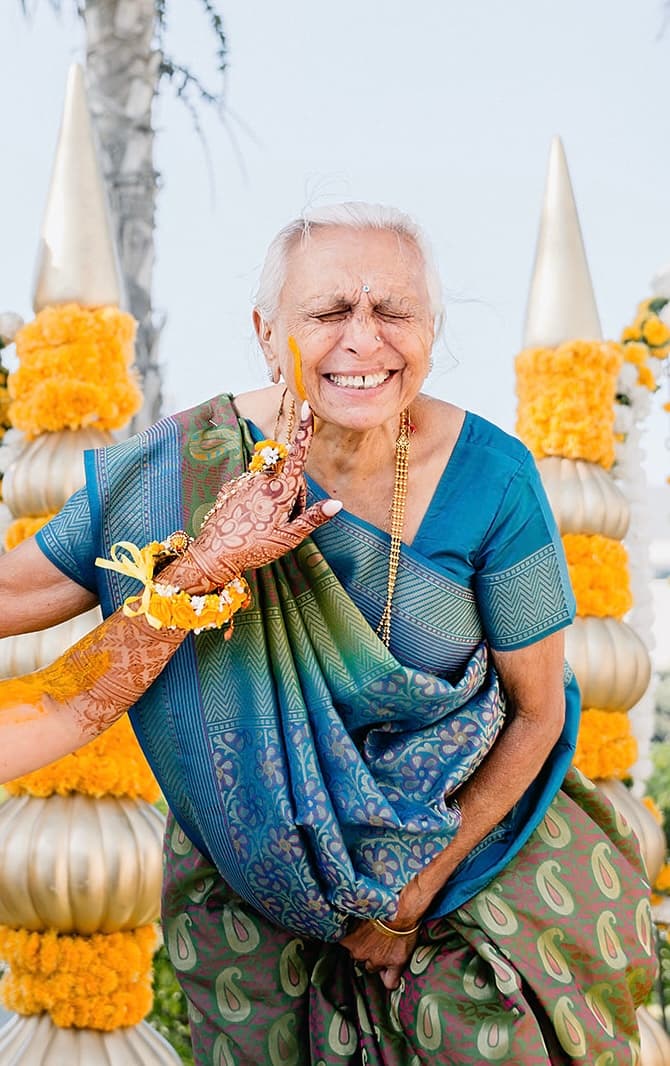
Join the growing Indian vendor community on EventAtlas. with a vendor.
Related Guides
Planning tips and inspiration from the EventAtlas blog.
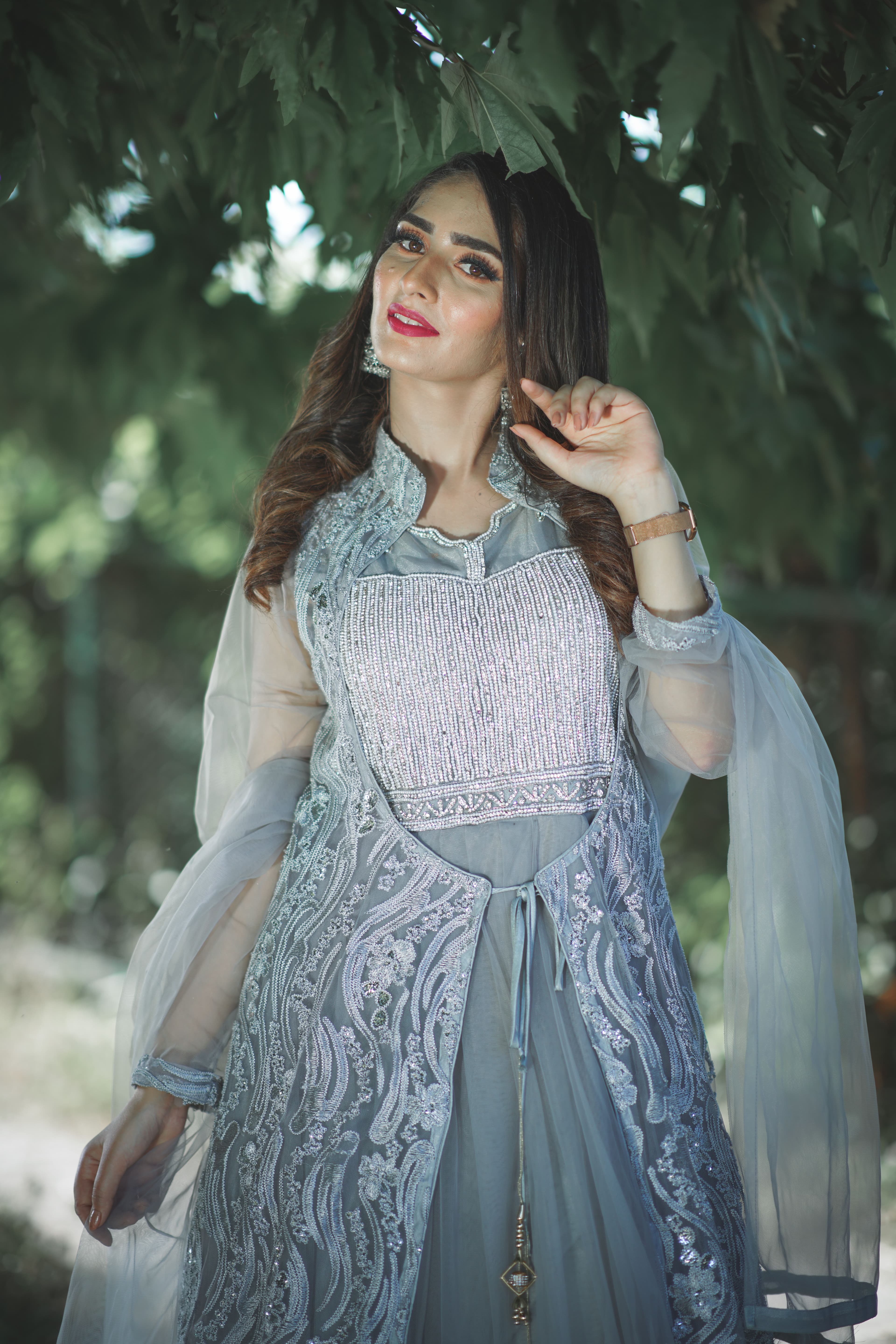
What to Wear to an Indian Wedding as a Non-Indian Guest
You own exactly zero Indian outfits and your entire frame of reference is Instagram. Here's what you actually need to know: the three colors to avoid (red, white, black), what to wear to each event from the mehndi to the reception, why wearing Indian clothing is welcomed and not appropriation, and where to find a stunning anarkali for under $150 in the US.
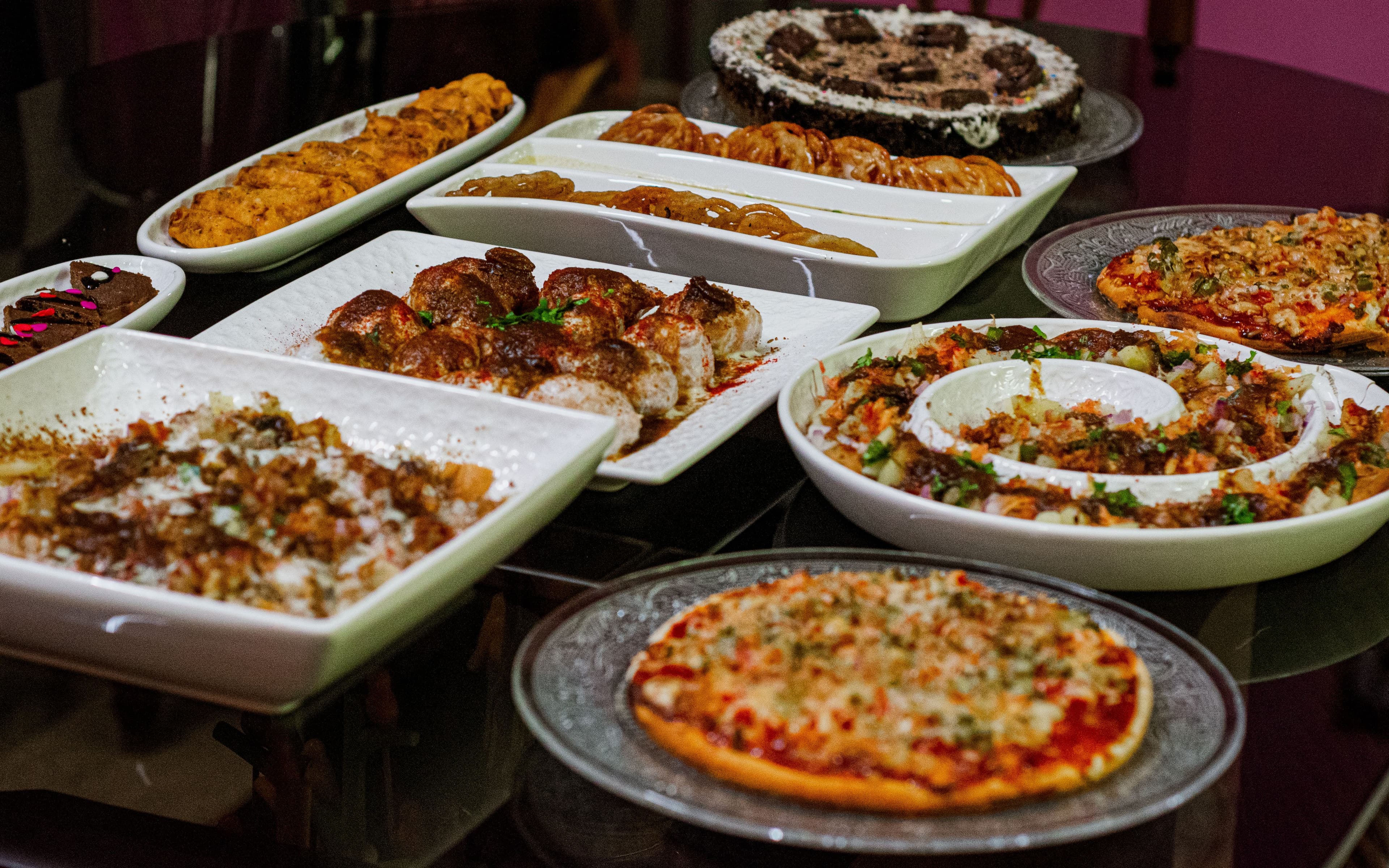
Indian Wedding Catering in the US: Menu Planning, Pricing, and Finding the Right Caterer
Your guests will forget the centerpieces by next week, but they'll remember whether the biryani was properly layered or a glorified pulao. Here's the full breakdown of Indian wedding catering in the US: regional menu differences, live dosa and chaat station pricing, the hotel kitchen problem nobody warns you about, and real per-plate costs from $30 to $150+.
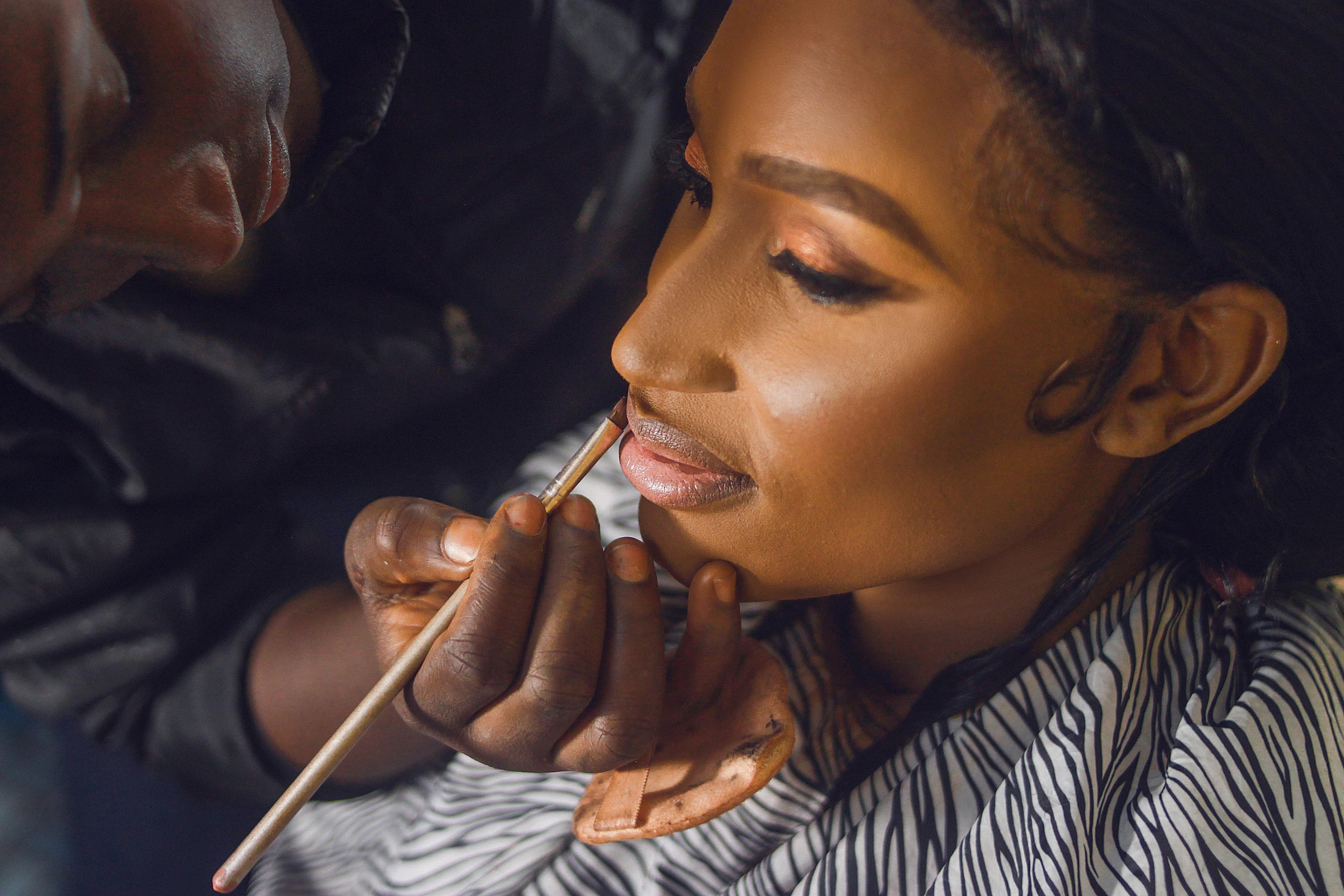
Bridal Makeup for Dark Skin Tones: How to Find an Artist Who Gets It Right
You showed up to the trial and the foundation was two shades too light, the setting powder left white cast in every flash photo, and the artist said "don't worry, it'll look fine." It did not look fine. Here's how to find a makeup artist who actually knows how to work with deep skin tones, what to demand at the trial, and the flash test that reveals everything.