Traditional Greeting
होली की शुभकामनाएँ (Holi ki Shubhkamnayein) / Happy Holi — the celebratory shout is होली है! (Holi hai!), "It's Holi!"
HO-lee kee shoob-kaam-na-YEN (Holi hai: HO-lee hai)
The Festival of Colors
Holi lands on the full moon of the Hindu month of Phalguna, usually in March, and marks the arrival of spring along with the victory of good over evil. The mythology behind it is layered: most famously it recalls Prahlad's devotion and the destruction of the demoness Holika in fire, which is why the night before is Holika Dahan, a bonfire. For many it also celebrates the playful, color-soaked love of Radha and Krishna, the origin story behind the colors themselves.
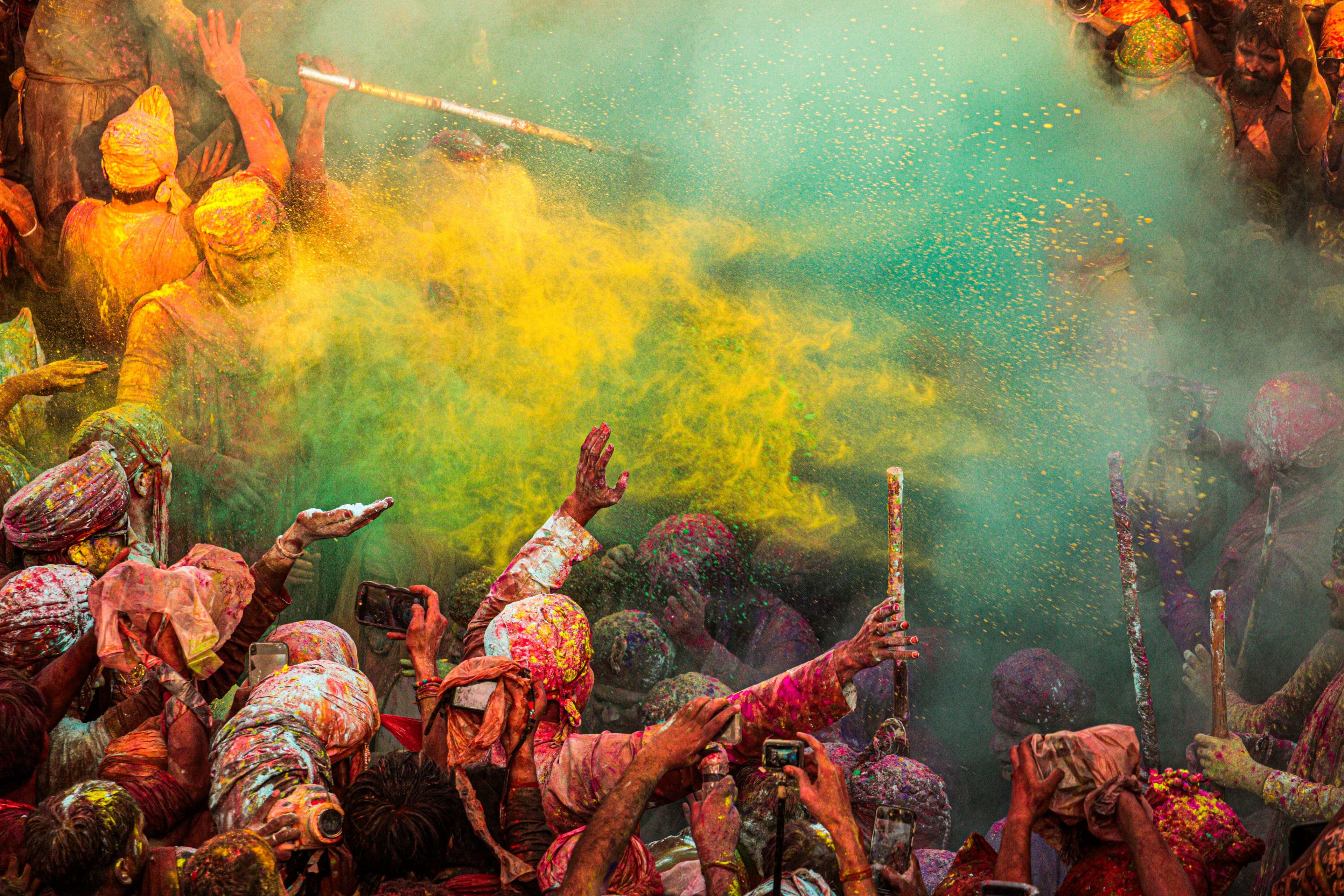
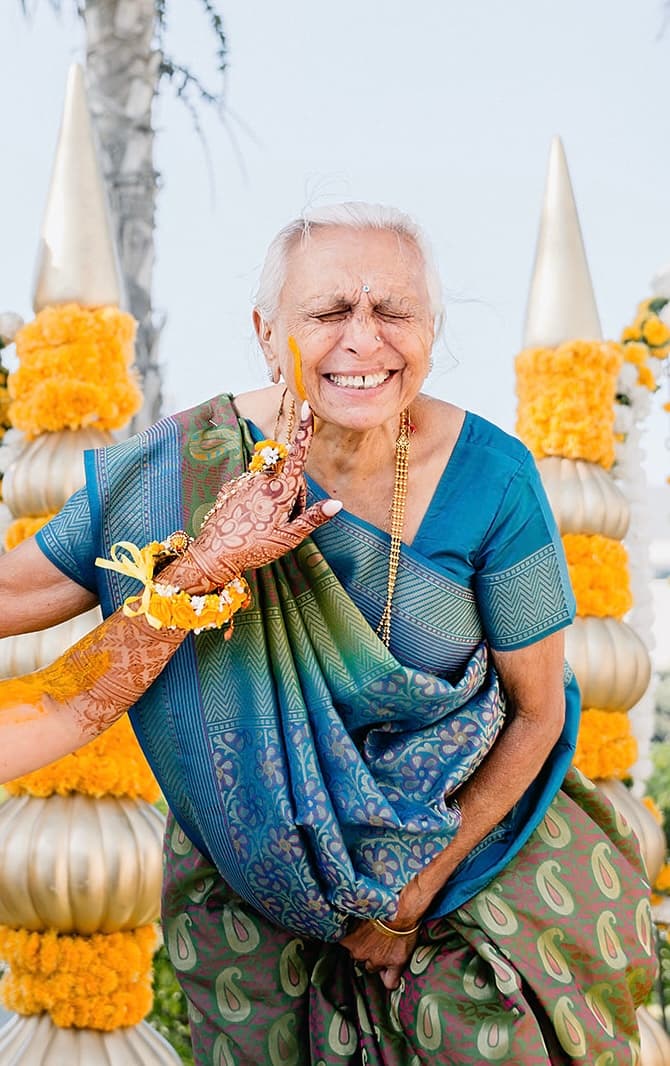
What sets Holi apart from almost every other festival is that it briefly suspends the usual rules. For one day, age, status, and formality fall away. Everyone is fair game for a handful of powder, and the shout of "Holi hai!" ("It's Holi!") is both a warning and an invitation. It's a festival of forgiveness too, a chance to clear old grudges and start the season fresh.
How It's Celebrated
The night before opens with Holika Dahan: communities light a bonfire, sing, and circle it, symbolically burning away negativity. The main day, Rangwali Holi, is the color play. People wear white (colors show up better, and the stains become part of the fun) and pelt each other with dry gulal powder and colored water from pichkaris (water guns) and balloons. Traditional gulal was made from flowers and herbs, turmeric for yellow, neem for green, and many families still seek out skin-safe natural colors over the cheap synthetic kind.
Then comes the food. Gujiya, a deep-fried pastry stuffed with khoya, coconut, and dried fruit, is the signature sweet. Thandai, a cooling spiced milk drink with almonds, fennel, and rose, is the classic beverage (the bhang-infused version is for adults and not for the unsuspecting). Mathri, dahi bhalla, and other savory snacks round out the table once everyone has rinsed off the worst of the color.
Holi in the US
Diaspora Holi has split into two distinct experiences. There's the traditional version, hosted by Hindu temples and cultural associations in a courtyard or park, with puja, food, music, and an organized color throw, family-friendly and close to how it's done back home. Then there are the large public "festival of colors" events, some drawing tens of thousands, with DJs, stages, and timed color countdowns. The Krishna temple in Spanish Fork, Utah helped popularize that festival-scale model, and cities like Houston, New Jersey, Chicago, and the Bay Area now host major gatherings every March.
The biggest practical shift is the weather and the calendar. March in much of the US is cold, so US Holi often moves to a warmer weekend later in spring, and the freewheeling all-day street play becomes a ticketed, scheduled, contained-to-a-venue affair. The trade-off is that it's become one of the most accessible Indian festivals for non-Indian friends to join.
If You're Invited
Wear white, and wear clothes you will never care about again, the color does not fully wash out. Leave anything you value at home, protect your phone in a sealed bag, and consider a little hair oil and lotion beforehand to help the color rinse off skin later. Expect to get covered whether you participate or not; that's the whole point, and refusing too hard misses the spirit. Eat the gujiya, sip the thandai, and just say "Holi hai!" back.
Traditions & Customs
- gulal
- Holika Dahan
- gujiya
- thandai
- pichkari
Vendors You Might Need
Browse Indian vendors who specialize in the services this event usually calls for.




Join the growing Indian vendor community on EventAtlas. with a vendor.
Related Guides
Planning tips and inspiration from the EventAtlas blog.
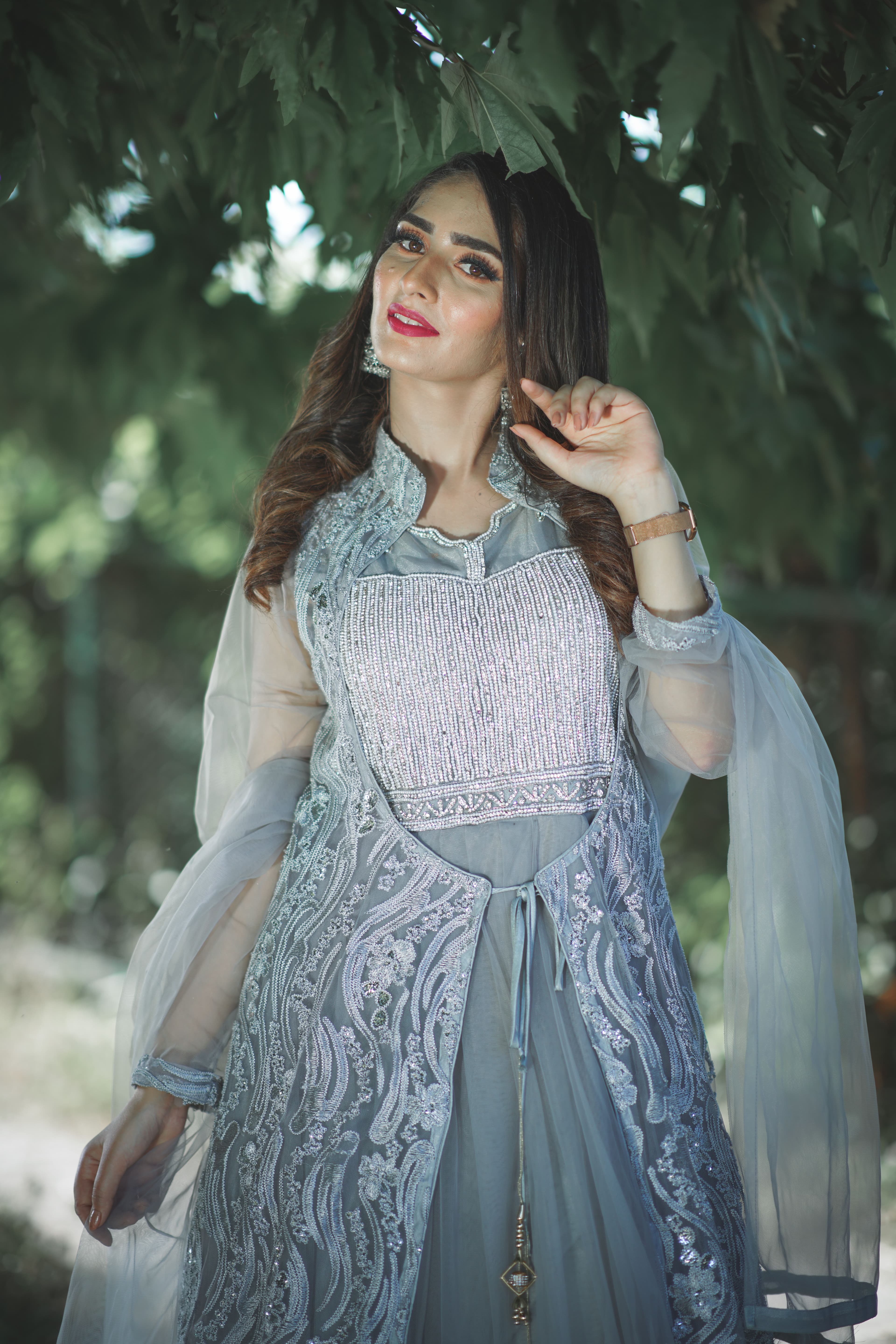
What to Wear to an Indian Wedding as a Non-Indian Guest
You own exactly zero Indian outfits and your entire frame of reference is Instagram. Here's what you actually need to know: the three colors to avoid (red, white, black), what to wear to each event from the mehndi to the reception, why wearing Indian clothing is welcomed and not appropriation, and where to find a stunning anarkali for under $150 in the US.
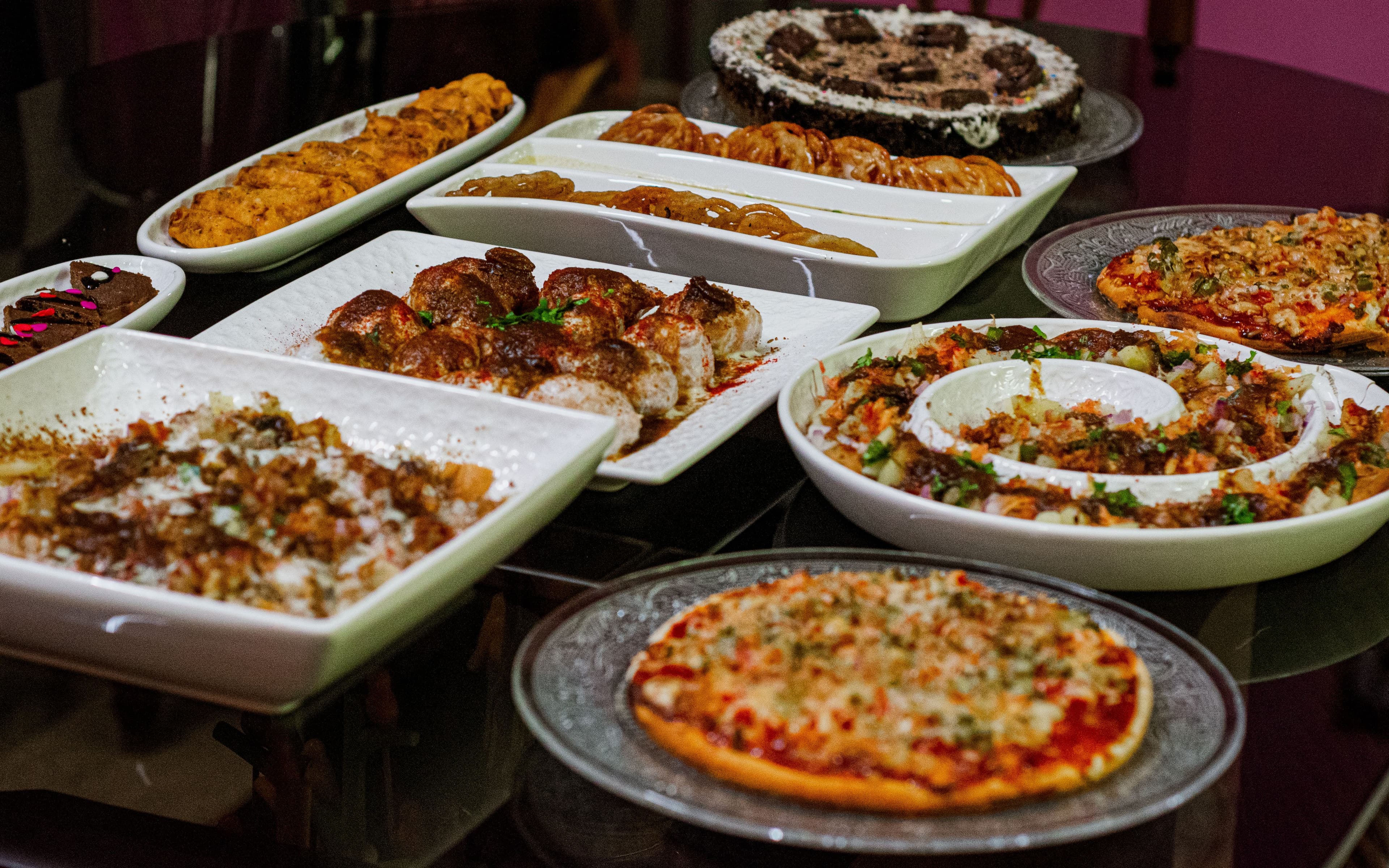
Indian Wedding Catering in the US: Menu Planning, Pricing, and Finding the Right Caterer
Your guests will forget the centerpieces by next week, but they'll remember whether the biryani was properly layered or a glorified pulao. Here's the full breakdown of Indian wedding catering in the US: regional menu differences, live dosa and chaat station pricing, the hotel kitchen problem nobody warns you about, and real per-plate costs from $30 to $150+.
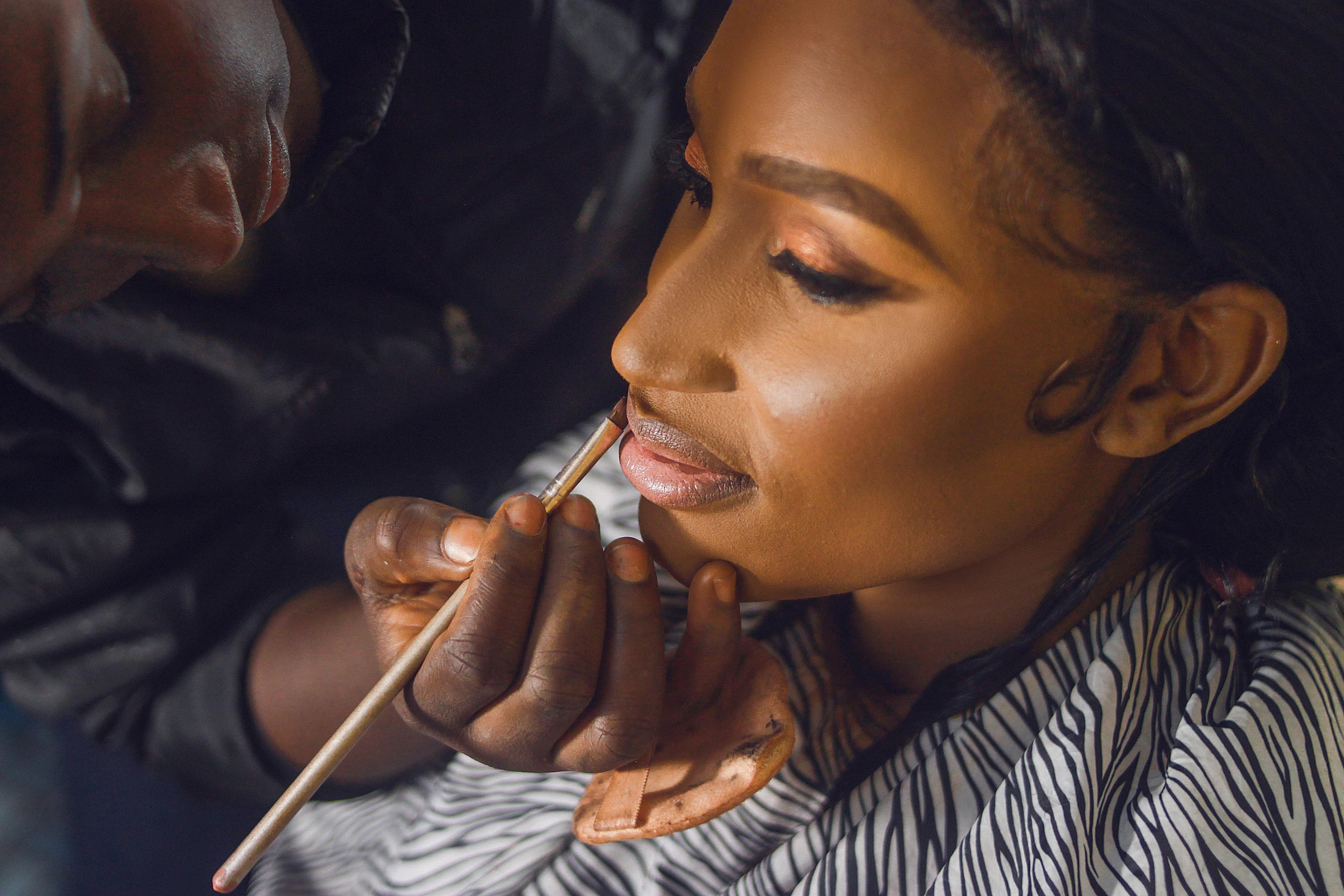
Bridal Makeup for Dark Skin Tones: How to Find an Artist Who Gets It Right
You showed up to the trial and the foundation was two shades too light, the setting powder left white cast in every flash photo, and the artist said "don't worry, it'll look fine." It did not look fine. Here's how to find a makeup artist who actually knows how to work with deep skin tones, what to demand at the trial, and the flash test that reveals everything.