
Indian Wedding Catering in the US: Menu Planning, Pricing, and Finding the Right Caterer
Your guests will forget the centerpieces by next week, but they'll remember whether the biryani was properly layered or a glorified pulao. Here's the full breakdown of Indian wedding catering in the US: regional menu differences, live dosa and chaat station pricing, the hotel kitchen problem nobody warns you about, and real per-plate costs from $30 to $150+.
Your guests will forget the centerpieces by next week. They'll forget the color of the draping by next month. But they will remember the food for years. Whether the biryani was properly layered or a glorified pulao. Whether the paneer tikka had char or tasted like it was microwaved. Whether there was a live dosa station or just a sad steam tray of idli.
Indian wedding catering in the US is uniquely challenging because you're feeding 200 to 500 guests across 3 to 5 events, managing dietary restrictions that span strict vegetarian and Jain to full non-vegetarian, and doing it all in hotel kitchens that were designed for chicken alfredo, not dum biryani. The average per-plate cost of $50 to $150 doesn't sound alarming until you multiply it by 300 guests and four events. Suddenly catering is eating 25 to 30% of your entire wedding budget.
This guide covers the menu decisions, the real US pricing, and how to find a caterer who won't just cook Indian food but will cook it like the wedding your parents remember from back home.
The Menu: Regional Differences Matter
"Indian food" is not one cuisine. It's dozens of regional traditions with fundamentally different ingredients, cooking techniques, and flavor profiles. What you serve depends on your family's regional background, dietary practices, and what your guests expect.
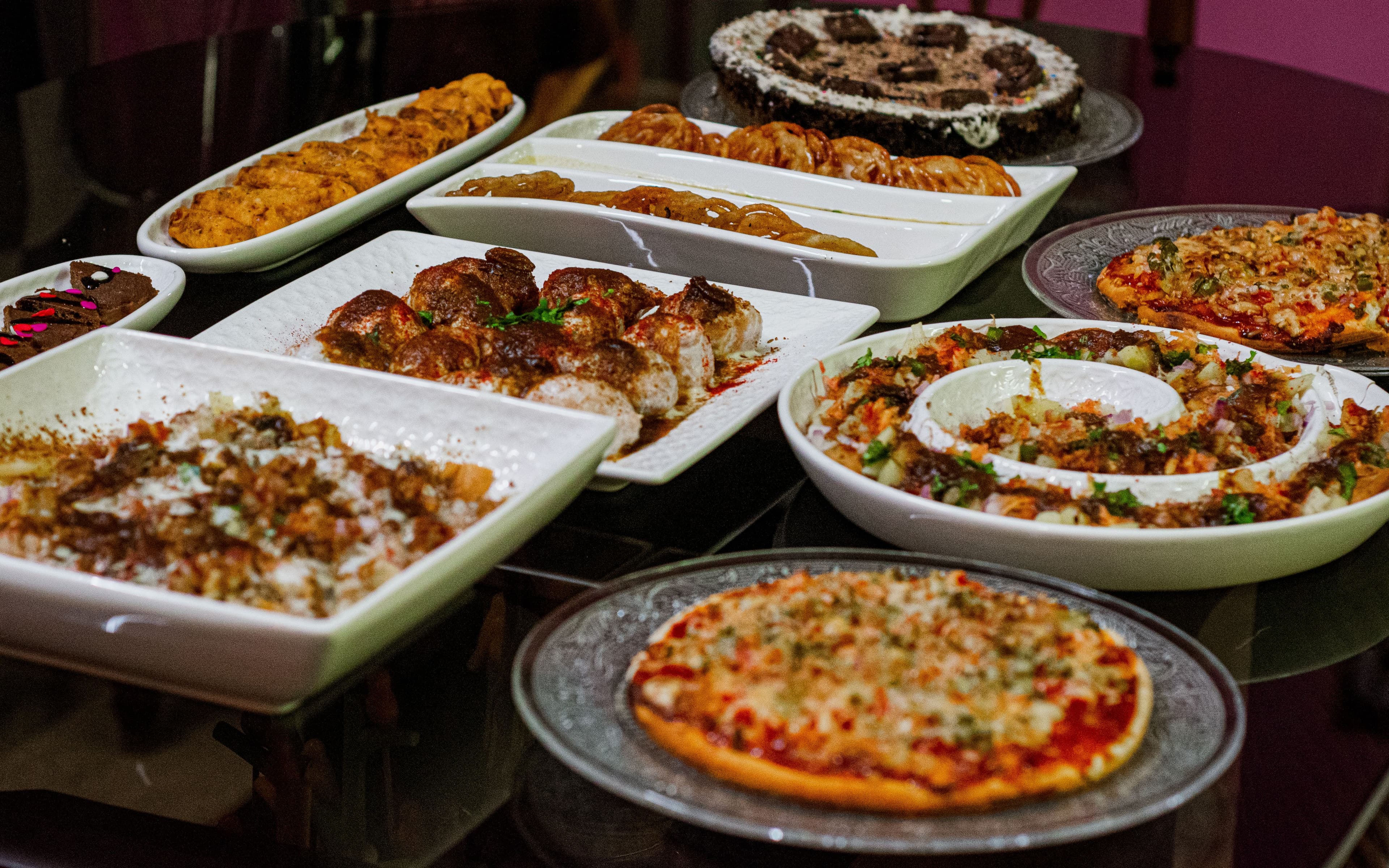
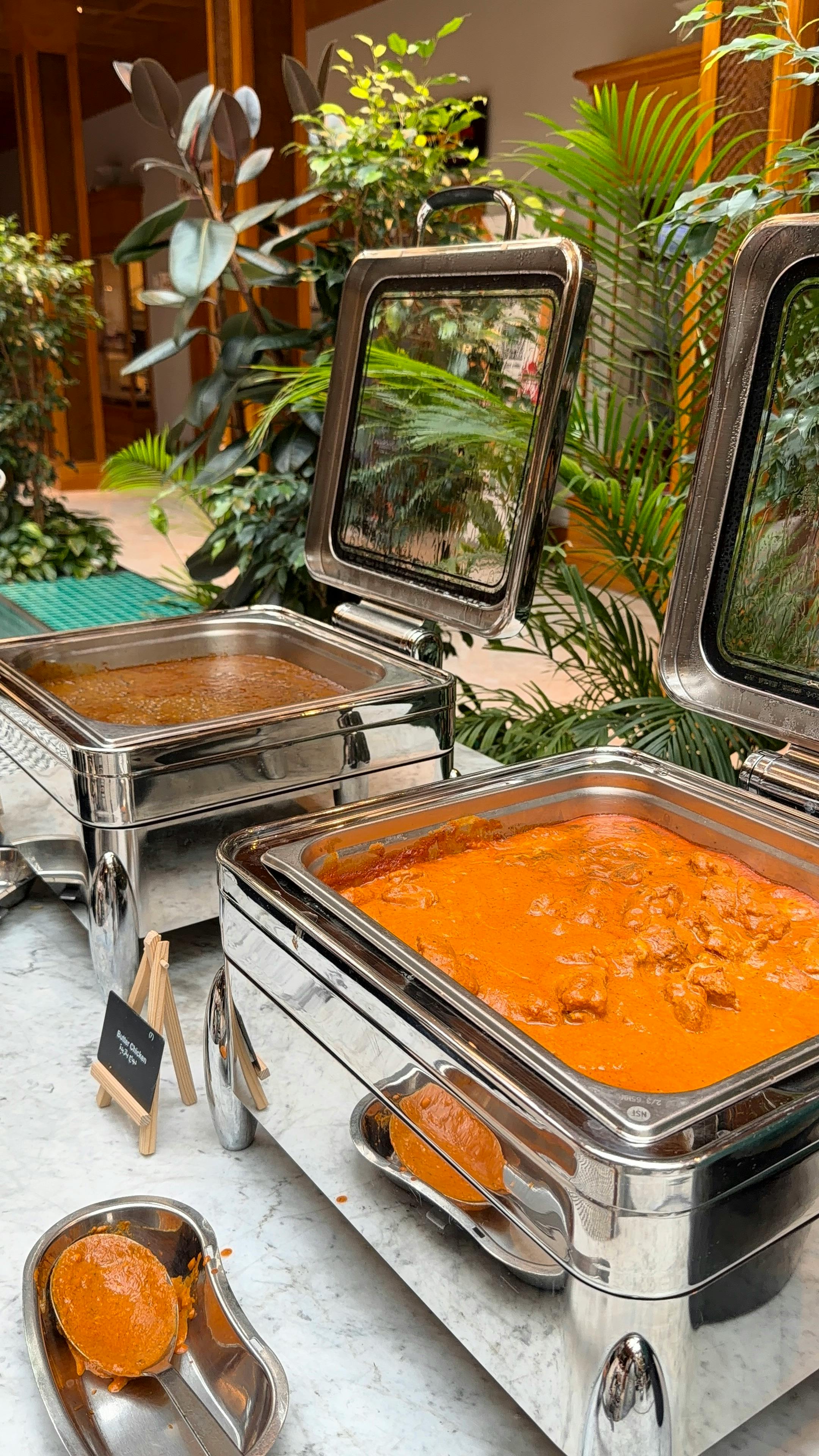
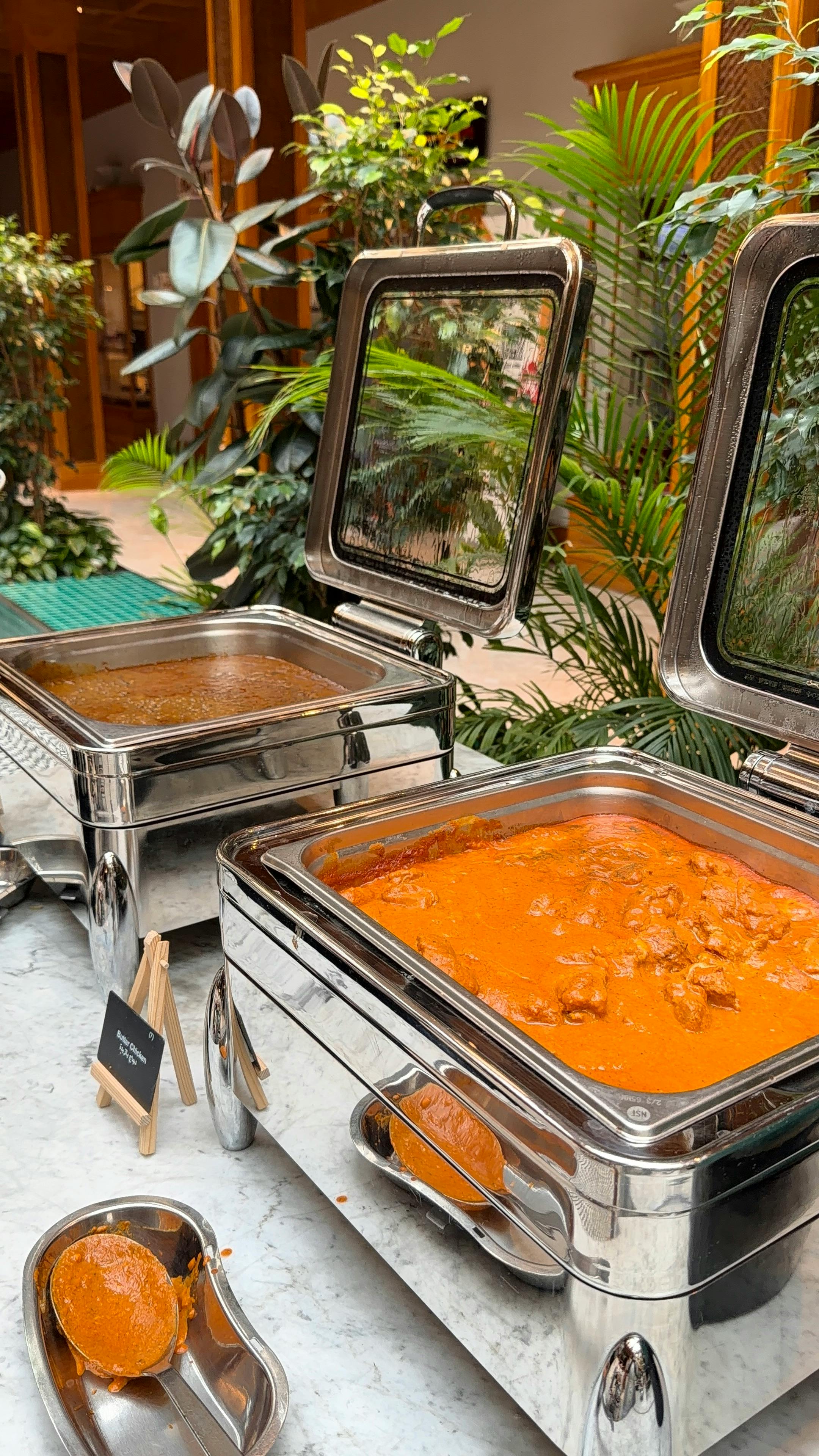
North Indian (Punjabi, Mughlai, Rajasthani). This is the most common Indian wedding food in the US because North Indian cuisine dominates the Indian restaurant scene in America. The classics: butter chicken, paneer tikka, dal makhani, chole bhature, naan, biryani (usually a Lucknowi or Hyderabadi style), seekh kebabs, and tandoori chicken. Rich, cream-heavy, and deeply flavorful. This is comfort food turned celebratory.
South Indian. Lighter, rice-based, and coconut-forward. Dosa stations are the star attraction. Beyond dosas, expect sambar, rasam, coconut chutney, avial, Kerala-style fish curry (for non-vegetarian menus), and payasam for dessert. South Indian food at a wedding often means a traditional banana-leaf sadya if you're Keralite, or a elaborate rice-and-curry spread if you're Tamil or Telugu. Live dosa stations have become one of the most popular additions to Indian weddings of any regional background.
Gujarati. A fully vegetarian cuisine that produces some of the most complex flavors in Indian cooking. A Gujarati wedding menu typically features thali-style service: dal, kadhi, shak (vegetable dishes), roti, rice, pickles, papad, and sweets like shrikhand, basundi, and jalebi. Undhiyu (a mixed vegetable dish) is a wedding staple. Gujarati weddings in the US may also feature a garba night menu with lighter chaat and street food.
Bengali. Fish and sweets are the defining elements. A Bengali wedding menu might include mustard fish, chingri malai curry (prawns in coconut milk), mutton kosha, luchi (fried flatbread), and an elaborate sweet spread including rasgulla, sandesh, and mishti doi. Bengali cuisine is distinct enough that you need a caterer who specifically knows it.
Jain. If your family follows Jain dietary practices, your caterer needs to understand the restrictions: no onion, no garlic, no root vegetables (potatoes, carrots, beets), and sometimes no green leafy vegetables during certain seasons. Jain food is entirely vegetarian and requires a caterer who can create flavorful dishes within these constraints. Don't assume a general Indian caterer knows Jain requirements; ask specifically.
Most Indian weddings in the US serve a North Indian base menu with regional additions depending on the family's background. A Gujarati-Punjabi wedding, for example, might have a North Indian buffet as the main spread with a separate Gujarati thali counter and a live chaat station.
The Live Station Strategy
Live food stations have become the defining feature of modern Indian wedding catering in the US. They create interaction, theater, and freshness that a buffet steam tray can't match. The most popular stations:
Live dosa station. A chef makes dosas to order on a flat griddle: plain, masala, mysore, cheese, and sometimes creative variations. This is the single most crowd-pleasing station at any Indian wedding, popular with both Indian and non-Indian guests. A live dosa station typically costs $300 to $800 for 3 to 4 hours of service, on top of your base catering cost. Spice Rack NJ (spiceracknj.com) is one of many caterers in the New Jersey market that offer live dosa, chaat, and tandoor stations as add-ons to full-service catering.
Live chaat station. Pani puri, bhel puri, sev puri, and dahi puri assembled fresh. Guests love the interactive element, and it works perfectly during cocktail hour. Budget $300 to $600 for a chaat station.
Live tandoor station. Naan, kebabs, and tikka cooked in a portable tandoor oven. The smoky aroma alone is worth the cost. This requires more space and ventilation, so confirm with your venue before booking. Budget $400 to $800.
Live paan station. A newer trend that's become popular for after-dinner: a paan artist assembles fresh paan (betel leaf wraps with sweet or savory fillings) to order. It's a beautiful cultural touch that also serves as a palate cleanser. Budget $200 to $500.
Dessert counter. Gulab jamun, rasgulla, jalebi, kheer, kulfi, and gajar ka halwa are the standards. Some couples add a fusion element: Indian-inspired ice cream flavors, chai-spiced cake, or mango mousse alongside the traditional sweets.
The Hotel Kitchen Problem
This is the single biggest logistical challenge for Indian wedding catering in the US, and it trips up couples who don't think about it early enough.
Most hotel banquet halls require you to use their in-house catering. Their kitchens are set up for Western-style cooking: ovens, flat-top grills, and standard commercial equipment. Indian wedding cooking requires tandoor ovens, large-capacity pressure cookers, heavy-bottom kadais for deep frying, and space for high-volume rice preparation. Hotel kitchens typically don't have this equipment.
The workarounds:
Hotels with in-house Indian catering. Major hotel chains in cities with large South Asian populations (Hilton, Marriott, Hyatt properties in Edison NJ, Houston, the Bay Area, Dallas, Chicago, and the DMV) sometimes have in-house chefs who can execute Indian menus. They may bring in a specialized Indian chef for the weekend or partner with an external Indian caterer who uses their kitchen. Ask specifically about their Indian wedding experience and request a tasting before committing.
Hotels that allow outside catering. Some hotels will let you bring in an external Indian caterer for a "kitchen fee" (typically $1,000 to $5,000), which covers the caterer's use of their facilities. This gives you full control over the menu and the quality. The caterer brings their own equipment and staff but uses the hotel's plating and serving infrastructure.
Banquet halls and community centers. Independent banquet halls, especially those in Desi-heavy areas, are often the best option for Indian wedding catering. They typically allow outside catering with no kitchen fee (or a minimal one), have flexible setup times, and have hosted enough Indian weddings to understand the requirements. Many South Asian banquet halls in Edison NJ, Houston, and the Bay Area have built-in tandoor capacity.
Off-site cooking with delivery. Some caterers cook everything at their own commercial kitchen and deliver to the venue in insulated containers. This is the most budget-friendly option and works well for simpler menus, but the food quality drops slightly compared to on-site cooking, especially for items that need to be served immediately (dosas, tandoori items, chaat).
Pricing: Real US Numbers
Indian wedding catering in the US costs significantly more than standard American catering because of the complexity of the cuisine, the number of dishes, and the multiple events involved.
Budget tier ($30 to $50 per plate). A solid buffet with 3 to 4 curries, rice, bread, appetizers, and a basic dessert. This tier works for the sangeet, mehndi, and other pre-wedding events. For the main wedding reception, most families step up.
Mid-range ($50 to $80 per plate). The sweet spot for most US-based Indian weddings. A full buffet with 5 to 7 main dishes, appetizers, live counter (usually chaat or dosa), bread station, rice, dessert spread, and beverages. This is what a 300-person wedding reception typically looks like. At $65 per head for 300 guests, that's $19,500 for one event.
Premium ($80 to $150+ per plate). Full-service catering with multiple live stations, plated courses, premium ingredients (lamb chops, saffron-infused dishes, imported paneer), elaborate presentation, and uniformed service staff. Hotel in-house catering at luxury properties (Ritz-Carlton, JW Marriott, Waldorf) falls in this range. At $120 per head for 300 guests, that's $36,000 for one event.
The multi-event multiplier. This is where Indian wedding catering budgets shock people. You're not feeding guests once. You're feeding them across 3 to 5 events: mehndi, sangeet, ceremony lunch, wedding reception, and possibly a farewell brunch. If each event averages 200 guests at $50 per head, that's $50,000 in catering alone across five events, before alcohol, live stations, or cake.
Alcohol adds $15 to $40 per person if you're doing an open bar through the hotel. Many Indian families handle alcohol separately from the food caterer, buying in bulk from a wholesaler and hiring a bartender independently, which can save 30 to 40%.
How to Find the Right Caterer
Start with community referrals. The best Indian wedding caterers in any US city are found through word of mouth. Ask recently married Indian couples, check Indian community Facebook groups, and ask your wedding planner (if they're experienced with South Asian weddings) for their preferred caterers.
Check Instagram. Search hashtags like #IndianWeddingCatering, #DesiFoodCatering, #IndianWeddingFood plus your city name. Look at actual event photos, not just studio food shots. You want to see large-scale setups, buffet presentation, and live station operations.
Always do a tasting. This is non-negotiable. A tasting lets you evaluate the food quality, the flavor balance, the portion size, and the presentation. Most caterers offer tastings for $50 to $200 (sometimes waived with booking). Invite 2 to 4 people so you get multiple opinions. Taste the everyday dishes (dal, paneer butter masala, rice) alongside the specialties (biryani, kebabs), because the everyday dishes are what most guests eat the most of.
Ask the right questions. Have you catered Indian weddings of this size before? Can you handle vegetarian and non-vegetarian menus in the same kitchen without cross-contamination? (Critical for families with strict dietary practices.) Do you provide serving staff, chafing dishes, and setup, or do I need to rent separately? What's your pricing structure: per plate, per dish, or flat fee? How do you handle last-minute guest count changes? Can you accommodate Jain, vegan, or allergy-specific requirements?
We’re growing the Indian catering community on EventAtlas.
The Vegetarian vs. Non-Vegetarian Decision
About 30% of Indian weddings in the US are fully vegetarian. Of the remaining 70%, most include only chicken and lamb as non-vegetarian options (beef and pork are avoided in most Hindu and Muslim households). Some weddings have entirely separate vegetarian and non-vegetarian buffet lines to avoid cross-contamination, especially when strict vegetarian guests are present.
If you're doing a mixed menu, keep the vegetarian spread as strong as the non-vegetarian one. At many Indian weddings, the vegetarian dishes are an afterthought: one paneer dish and a dal while the non-veg side gets three types of kebabs. This leaves your vegetarian guests (who may be your parents' entire friend group) feeling underserved. A balanced approach: 60% vegetarian dishes, 40% non-vegetarian. The paneer tikka should be just as impressive as the chicken tikka.
For fully vegetarian weddings, the challenge is variety. Guests notice when everything is paneer and potato. Work with your caterer to incorporate diverse vegetable dishes, regional specialties, and creative preparations that keep the menu interesting across multiple events.
Common Mistakes
Using a non-Indian caterer for an Indian wedding. Unless they have specific, verifiable Indian wedding experience, a general caterer cannot execute this cuisine at this scale. Indian cooking requires different equipment, different timing, and a fundamentally different approach to spice, layering, and preparation. A caterer who makes excellent pasta will not automatically make excellent biryani.
Underestimating quantities. Indian wedding guests eat more than American wedding guests because there are more dishes and the food is designed for generous portions. Plan for 10 to 15% more food than your headcount, especially on proteins and rice. Running out of biryani at an Indian wedding is a story that follows you for years.
Ignoring the serving flow. A single buffet line for 300 guests creates a 45-minute bottleneck. Set up double-sided buffet stations (guests serve from both sides of the table) or create multiple smaller stations spread across the venue. Your caterer should advise on this, but if they don't, bring it up.
Forgetting non-Indian guests. If your guest list includes non-Indian coworkers, friends, or in-laws, make sure a few accessible dishes are labeled clearly: "Mild chicken curry," "Cheese-stuffed flatbread (naan)," "Rice with spiced vegetables." A small continental backup (grilled chicken, pasta, dinner rolls) on a side table is thoughtful but not required if your Indian menu includes milder options.
The food at your Indian wedding is the experience your guests will carry longest. Invest the time to find the right caterer, taste everything, and plan the menu with as much care as you plan the decor. Your guests won't remember the table runners. They'll remember whether the gulab jamun was warm.
For help finding Indian caterers, live station specialists, and other food vendors for your wedding, visit EventAtlas or reach out at hello@tryeventatlas.com.
Related Posts
More reading on themes you might be exploring.

How to Plan a Sangeet Night That Your Guests Actually Enjoy
Fifteen choreographed performances, a stage that needs pro lighting, a sound system that can handle Bollywood and your uncle's acoustic number, and a dinner that feeds 200 without interrupting the show. Here's how to plan a sangeet that's a night, not just a three-hour talent show with awkward gaps between acts.

What to Wear to an Indian Wedding as a Non-Indian Guest
You own exactly zero Indian outfits and your entire frame of reference is Instagram. Here's what you actually need to know: the three colors to avoid (red, white, black), what to wear to each event from the mehndi to the reception, why wearing Indian clothing is welcomed and not appropriation, and where to find a stunning anarkali for under $150 in the US.
How to Plan a Haldi Ceremony That Actually Looks Good (Without Staining Everything)
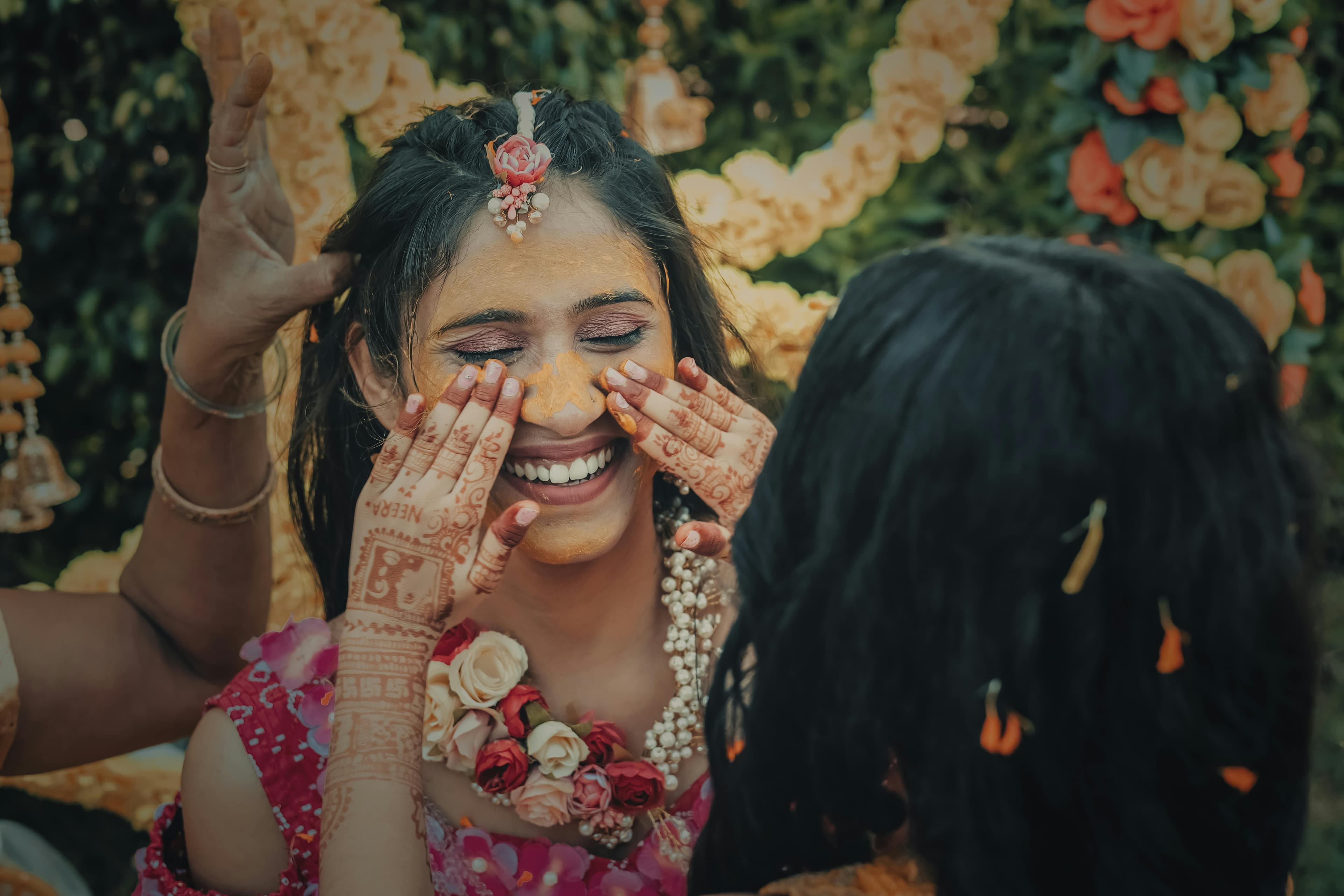
The haldi is supposed to be the fun one, until the turmeric stains your aunt's marble countertop and the paste runs out halfway through. Here's how to pull off the most photogenic pre-wedding event: the right paste recipe, a stain prevention strategy, $100-to-$400 DIY decor that actually looks good, and the photography tips that capture the golden chaos.
Planning a Cultural Celebration?
Find vendors who understand your traditions and can make your event truly special.
Find Vendors