

How to Plan a Sangeet Night That Your Guests Actually Enjoy
Fifteen choreographed performances, a stage that needs pro lighting, a sound system that can handle Bollywood and your uncle's acoustic number, and a dinner that feeds 200 without interrupting the show. Here's how to plan a sangeet that's a night, not just a three-hour talent show with awkward gaps between acts.
The sangeet is the pre-wedding event that looks effortless on Instagram and is an absolute production nightmare behind the scenes. Fifteen choreographed performances, a stage that needs professional lighting, a sound system that can handle both Bollywood bangers and your uncle's acoustic guitar number, a dinner service that feeds 200 people without interrupting the show, and a timeline that somehow makes all of this flow without a single awkward gap.
When a sangeet goes right, it's the most fun night of the entire wedding week. When it goes wrong, it's three hours of dead air between performances, a buffet that opened during your mom's emotional dance, and a sound system that squealed through the couple's big number.
This guide covers the production side: choreography timelines, stage and sound setup, the performance lineup, feeding people without killing the energy, and budgeting the sangeet as its own event, not an afterthought tacked onto the ceremony budget.
What the Sangeet Actually Is
The word sangeet means "music together" in Sanskrit. It originated as a women-only gathering in Punjabi wedding tradition, where the bride's female relatives sang folk songs (suhaag) about marriage, blessings for the bride, and playful teasing about in-laws. These gatherings sometimes lasted up to 10 days.
That intimate singing circle has evolved into the most glamorous, production-heavy function of the modern Indian wedding week. Today's sangeet is an open-invitation evening event with choreographed group dances, solo performances, couple's dances, live music, a DJ, elaborate stage decor, and a full dinner. It's essentially a variety show meets a dance party, hosted the night before (or two nights before) the wedding ceremony.
Both families participate. Groups from the bride's side and groom's side perform separately and sometimes together. The performances are typically rehearsed for weeks, sometimes months. The couple usually closes the night with a joint performance. And then the dance floor opens up and everyone parties until the venue kicks them out.
For the Gujarati equivalent, the sangeet may be combined with or replaced by a garba night, featuring raas and dandiya (circular folk dances with sticks). The structure and planning are similar, though the entertainment style shifts from Bollywood choreography to traditional garba music and dance.
The Choreography: Start Earlier Than You Think
This is where most sangeets fall apart. The dances look polished on video because someone rehearsed for two months. They look rough when your bridal party started learning the choreography last Tuesday.
Hire a choreographer. For US-based Indian weddings, professional sangeet choreographers typically charge $500 to $2,000+ depending on the number of dances they're creating, the number of rehearsal sessions, and whether they're working in person or virtually. Many choreographers now offer hybrid packages: they create the choreography, record tutorial videos, and then do 2 to 3 in-person sessions closer to the event. This works well when your performers are scattered across multiple cities.
Start 2 to 3 months out. This gives you time for 6 to 10 rehearsal sessions per group, which is the minimum needed for a clean performance from non-dancers. If your performers are all in the same city, weekly in-person rehearsals work. If they're spread out, coordinate around a couple of intensive weekend rehearsals 3 to 4 weeks before the event.
Cap the number of performances. This is the single most impactful decision you'll make. More performances does not mean a better sangeet. It usually means a longer, less energetic one. A tight program of 6 to 8 performances (including the couple's dance) keeps the energy high and the evening moving. A program of 12 to 15 performances, each averaging 4 to 5 minutes, means over an hour of straight watching. Guests lose attention after 45 minutes of consecutive performances, no matter how good the dances are.
Structure the lineup intentionally. Open with a high-energy group number to set the tone. Alternate between fast and slow, funny and emotional. Put the most polished performance in the middle (this is when attention peaks, not at the end). Save the couple's dance for the finale. If someone insists on a solo that's more enthusiasm than talent, bury it early in the lineup between two strong group numbers.
Stage and Sound: The Production Basics
The sangeet is the one pre-wedding event where production quality actually matters. Your mehndi can happen in a living room. Your haldi works in a backyard. The sangeet needs a stage, a sound system, and lighting that makes the performers look good.
Stage. You need a raised platform large enough for 6 to 8 performers to dance comfortably. A 16-by-12-foot stage is the minimum for group performances; 20-by-16 is better if your venue allows it. Make sure the stage is visible from all seating areas. If your venue has pillars or awkward sightlines, adjust the stage position before you finalize the floor plan. Stage rental costs $500 to $2,000 depending on size and your market.
Sound. A good PA system with a wireless mic for the MC and aux input for the DJ is essential. Do a sound check before the event, specifically testing the music playback volume from the stage area (not from behind the speakers, where it always sounds fine). If performers are using different song files, compile everything into one playlist on one device and give it to the DJ in advance. Nothing kills momentum like a 90-second pause while someone searches for their song on their phone.
Lighting. At minimum, you need stage lighting (front wash and colored uplighting behind the stage) and dance floor lighting for the after-party. LED uplighting around the venue transforms the atmosphere for $800 to $2,000. If budget allows, pin-spot lighting on the couple during their dance is a beautiful touch. Avoid harsh fluorescent overhead lights at all costs; they flatten everything and make photos look terrible.
Backdrop. A decorated backdrop behind the stage ties the visual together. Options range from simple fabric draping with fairy lights ($200 to $500) to custom LED walls or elaborate floral installations ($2,000 to $8,000+). The backdrop appears in every performance photo, so it's worth getting right. Many of the same decorators who handle your wedding ceremony mandap and reception decor can design your sangeet stage as part of a multi-event package.
🇮🇳Indian Decorations & Florals on EventAtlas

Join the growing Indian decorator and florist community on EventAtlas. with a vendor.
The Timeline: How the Night Should Flow
Here's a sample timeline for a 4-hour sangeet (7 PM to 11 PM) with 7 performances and a dinner service:
7:00 to 7:30 PM: Arrival and cocktails. Guests arrive, mingle, and grab drinks. Background music playing (Bollywood instrumentals, light Punjabi tracks). This is not the time for high-energy music; save it.
7:30 to 7:45 PM: MC welcome and program start. Your MC opens the evening, welcomes both families, and introduces the first performance. A good MC keeps the energy high between acts without dragging. If you don't have a natural MC in the family, hire one. A dead-air gap between performances is the fastest way to lose the room.
7:45 to 8:45 PM: Performances block one (4 performances). Four dances back to back, 3 to 5 minutes each, with 1 to 2 minutes of MC banter between each one. Total: about 25 to 30 minutes of performances with 10 to 15 minutes of transitions. This is the main performance block.
8:45 to 9:30 PM: Dinner. Open the buffet immediately after the first performance block. Guests eat while the MC keeps light entertainment going: a game, a slideshow, a trivia round about the couple, or background music. Don't schedule performances during dinner. People can't watch a dance with a plate of paneer tikka in their lap.
9:30 to 10:00 PM: Performances block two (2 to 3 performances). The emotional parent/sibling performance and the couple's finale dance go here. Guests have eaten, they're settled, and their attention is back. The couple's dance closes the formal program.
10:00 to 11:00 PM: Open dance floor. The DJ takes over. The stage clears. The dance floor opens. This is the afterparty, and it's where the real fun happens. Bollywood, bhangra, Punjabi hits, and whatever gets your crowd moving. This hour (or two, if your venue allows) is when the sangeet transforms from a show into a party.
We’re growing the Indian music and entertainment community on EventAtlas.
Feeding 200 People Without Killing the Momentum
The biggest logistical tension at a sangeet is the food. You have to feed everyone, but you can't let dinner service derail the performance schedule. Here are the approaches that work:
Cocktail and appetizer service during arrival. Serve chaat stations, samosas, pakoras, and drinks during the 7:00 to 7:30 PM arrival window. This takes the edge off hunger and buys you time before the main meal.
Buffet opens between performance blocks. As described in the timeline above, opening the buffet after the first block of performances gives people a natural break. The MC announces dinner, music continues at a conversational level, and guests rotate through the buffet over 30 to 45 minutes.
Never do a plated dinner at a sangeet. Plated service requires everyone to sit at the same time and takes too long. A buffet or food station setup lets guests eat at their own pace without creating a hard stop in the evening.
Keep the menu lighter than the wedding reception. The sangeet is the night before the ceremony. Nobody needs a full multi-course dinner. A solid spread of chaat, kebabs, a rice dish (biryani or pulao), a couple of curries, naan, and a dessert station is more than enough. Save the heavy feast for the wedding reception.
Budgeting the Sangeet Separately
The sangeet should have its own line item in your wedding budget, not get lumped into "pre-wedding events" and squeezed for whatever's left over. In the US, sangeet budgets typically break down like this:
Venue rental: $2,000 to $8,000 (banquet halls, hotel event rooms, or community centers). Catering: $3,000 to $10,000 (depending on guest count and menu). Decor and stage: $2,000 to $8,000 (stage, backdrop, lighting, table decor). DJ and sound: $800 to $2,500. Choreographer: $500 to $2,000. Photography and videography: often included in your wedding package, but confirm. MC: $0 (family member) to $500 (professional).
Total range for a 150 to 250 person sangeet in the US: $8,000 to $25,000+. The wide range depends on whether you go DIY on decor and choreography or hire professionals for everything.
This is roughly 10 to 15% of an overall Indian wedding budget. If your wedding planning timeline has the sangeet as an afterthought, revisit the budget now. Underfunding the sangeet shows up immediately in bad sound, an empty-looking stage, and exhausted performers who didn't have enough rehearsal time.
Common Mistakes
Too many performances. Six to eight is the sweet spot. More than ten and you're running a talent show, not a party. If family politics mean everyone insists on performing, create a "group medley" that combines several small groups into one energetic number.
No MC or a bad MC. The MC is the connective tissue between performances. Without one, you get awkward silence while the next group sets up. A great MC covers transitions, keeps energy up, and cues the DJ.
Starting late. Indian events famously run behind schedule. At the sangeet, a late start compresses everything: performances get rushed, dinner gets delayed, and the open dance floor, which is the best part, gets cut short when the venue kicks you out at 11. Start on time. Tell guests the event starts 30 minutes earlier than it actually does if you have to.
Ignoring the non-Indian guests. If your guest list includes non-Indian friends, coworkers, or your partner's family, brief them on what's happening. A printed program or a quick MC explanation ("the bride's cousins are about to perform a Bollywood medley") goes a long way. And when the dance floor opens, play enough crossover music that everyone can join in.
Forgetting to eat. The couple and the performers are so focused on the show that they forget to eat. Assign someone to bring the couple a plate during dinner. Seriously. You'll thank yourself at midnight.
We’re growing the Indian dance and choreography community on EventAtlas.
Making It a Night, Not Just a Show
The best sangeets balance structure with spontaneity. The performances are rehearsed, but the afterparty is pure chaos. The timeline is planned, but the dance floor has its own agenda. The stage is polished, but your uncle's surprise performance is genuine and messy and everyone loves it anyway.
Plan the production. Then let the party happen.
For help finding Indian wedding DJs, choreographers, decorators, and event planners for your sangeet, visit EventAtlas or reach out at hello@tryeventatlas.com.
Related Posts
More reading on themes you might be exploring.
The Indian Wedding Planning Timeline Every US Couple Actually Needs
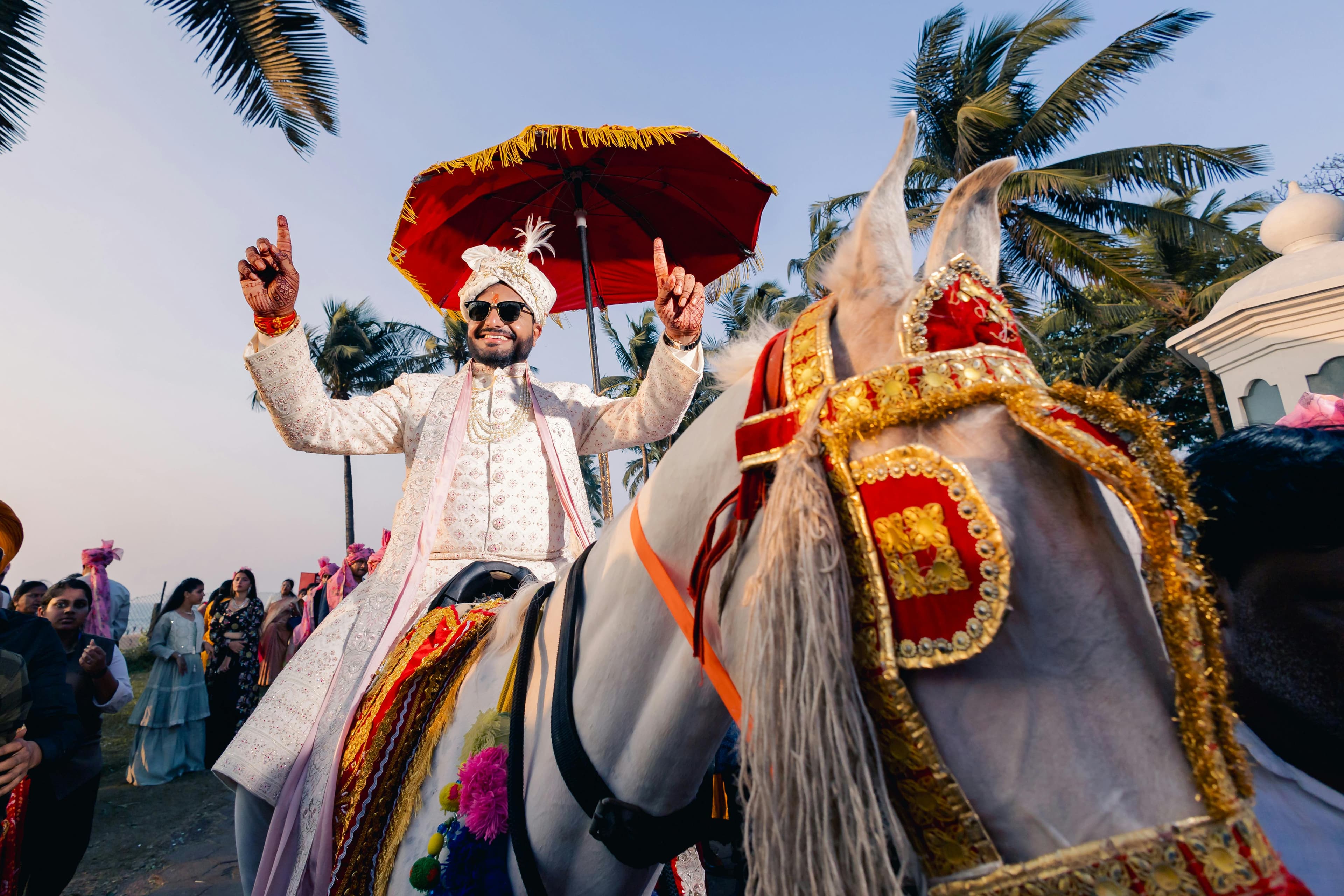
You're not planning one event, you're planning three to five, each with its own venue, catering, decor, and outfits. This month-by-month timeline covers everything US-based Indian couples actually need to coordinate, from muhurat dates and baraat permits to lehenga lead times and mandap fire codes.
Indian Wedding Catering in the US: Menu Planning, Pricing, and Finding the Right Caterer
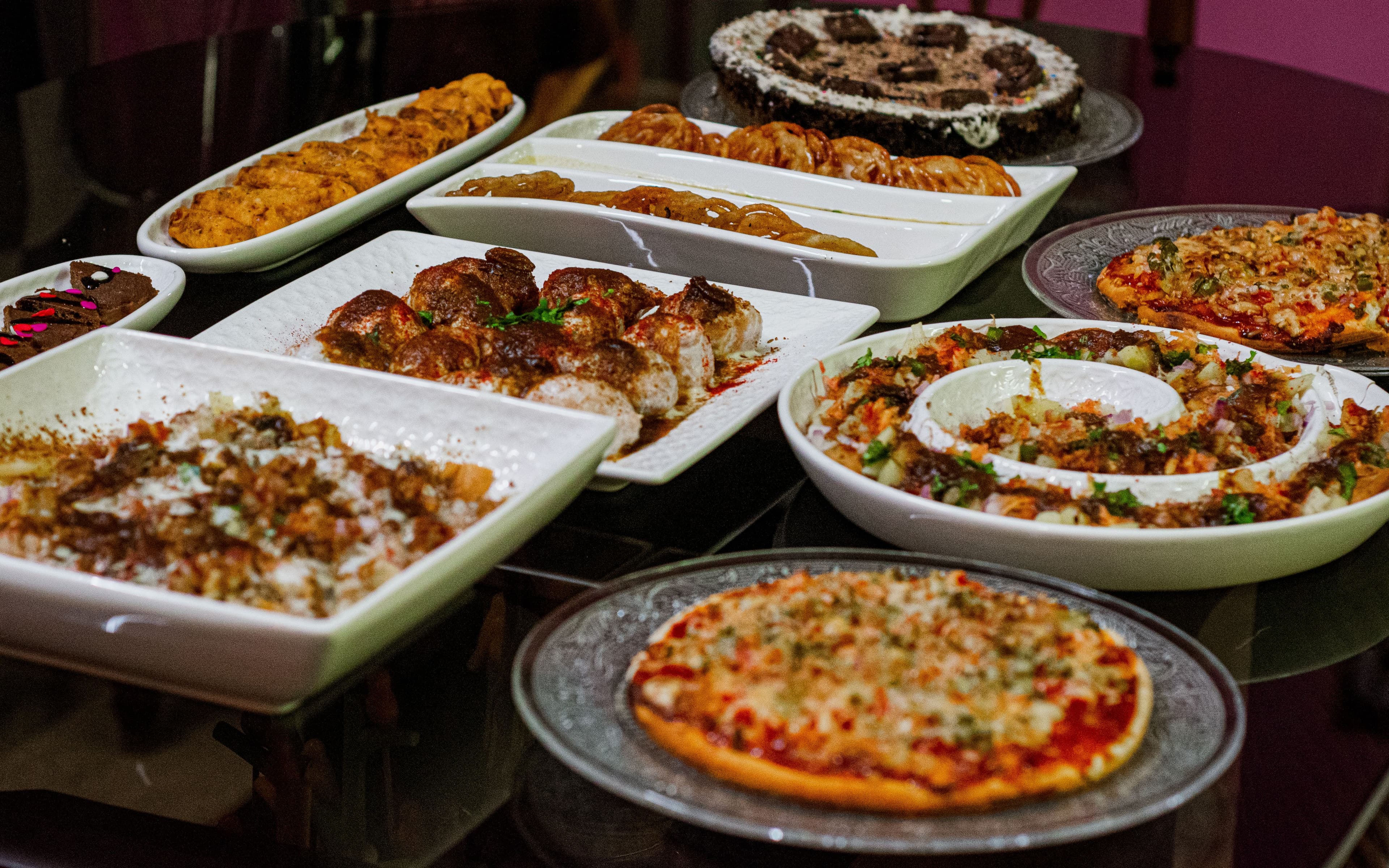
Your guests will forget the centerpieces by next week, but they'll remember whether the biryani was properly layered or a glorified pulao. Here's the full breakdown of Indian wedding catering in the US: regional menu differences, live dosa and chaat station pricing, the hotel kitchen problem nobody warns you about, and real per-plate costs from $30 to $150+.
Planning a Pakistani Wedding in the US: What to Know and How It Differs from an Indian Wedding
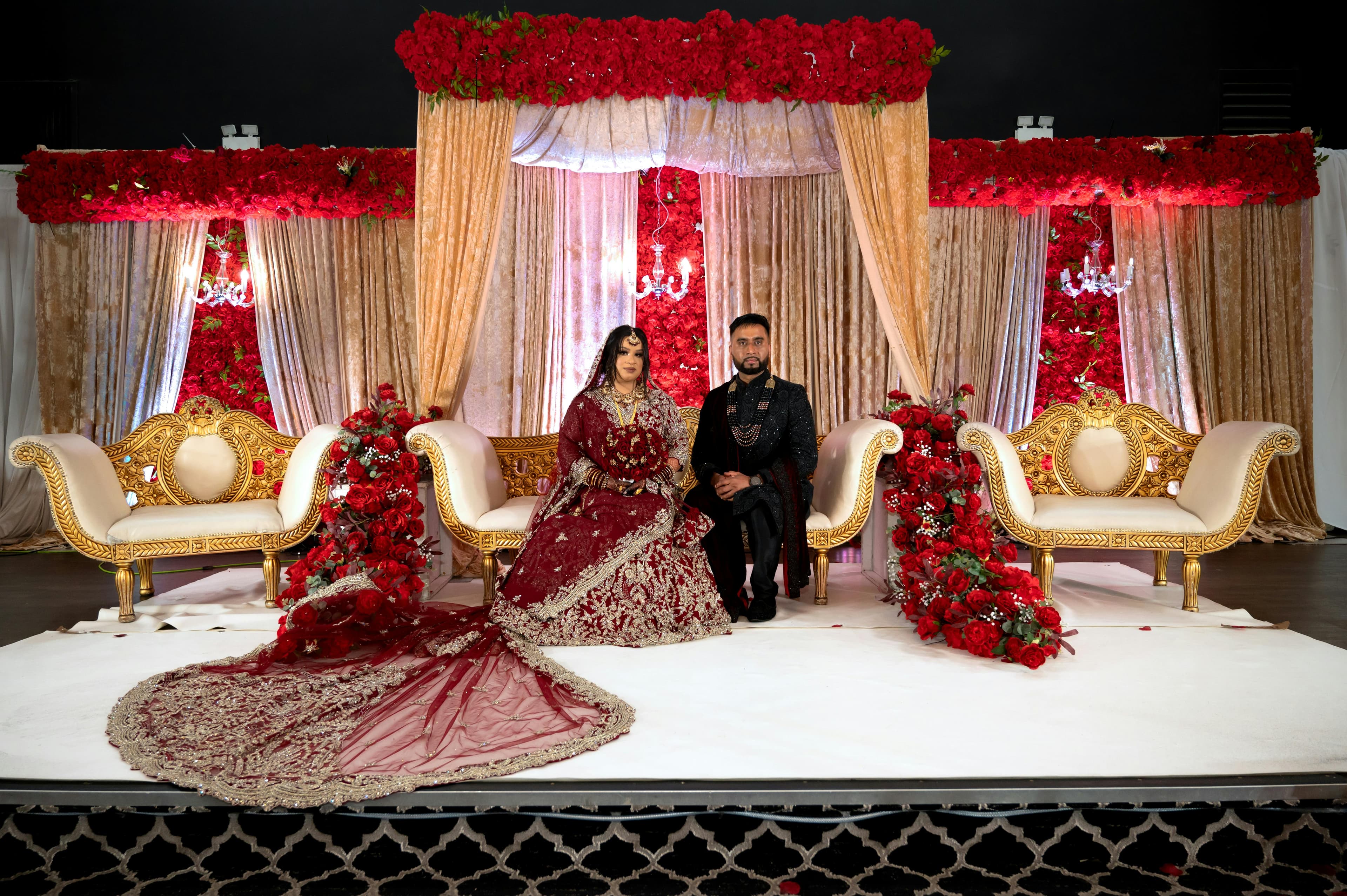
So is it basically the same as an Indian wedding?" No, not really. Here's the full structure of a Pakistani wedding in the US: from the dholki's geet circles to the nikah contract, the baraat procession, the emotional rukhsati, and the walima. Plus how to budget for 300+ guests across multiple events and where to find vendors who actually know the difference.
Planning a Cultural Celebration?
Find vendors who understand your traditions and can make your event truly special.
Find Vendors