
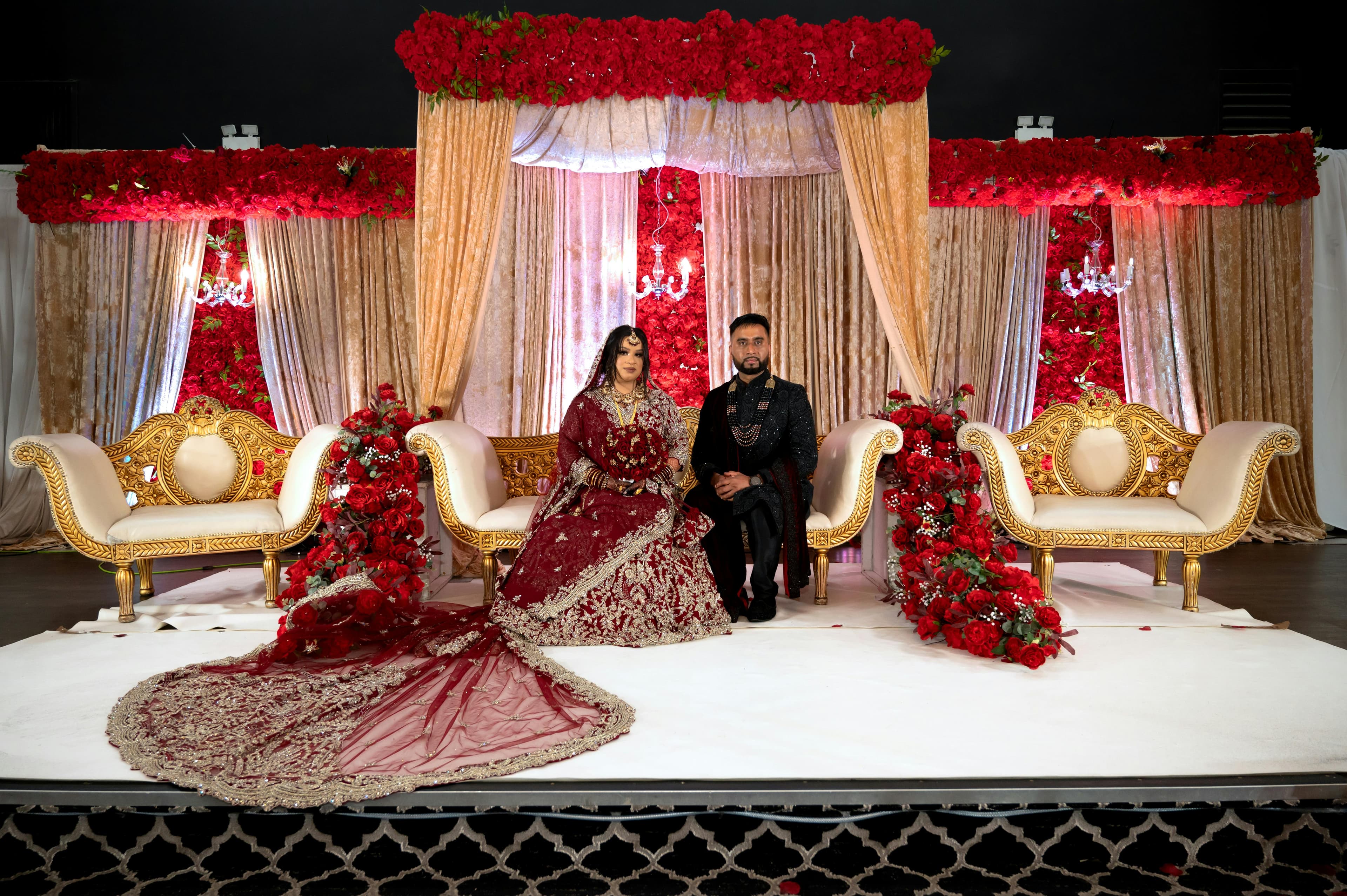
Planning a Pakistani Wedding in the US: What to Know and How It Differs from an Indian Wedding
So is it basically the same as an Indian wedding?" No, not really. Here's the full structure of a Pakistani wedding in the US: from the dholki's geet circles to the nikah contract, the baraat procession, the emotional rukhsati, and the walima. Plus how to budget for 300+ guests across multiple events and where to find vendors who actually know the difference.
"So is it basically the same as an Indian wedding?"
If you're Pakistani-American and engaged, you've heard this question from every non-Desi friend, coworker, and in-law. The answer is: no, not really. Pakistani and Indian weddings share surface-level similarities (South Asian, multi-day, colorful, lots of food), but the ceremonies, the religious framework, the event structure, and many of the traditions are fundamentally different. A Pakistani wedding is rooted in Islamic tradition. The nikah is a marriage contract before God, not a ceremony around a sacred fire. The walima is hosted by the groom's family, not a joint reception. And the emotional arc of the wedding, from the dholki's intimacy to the rukhsati's tears, has its own rhythm.
This guide is for US-based Pakistani couples and their families: how the events work, how to adapt them to American logistics, where to find the right vendors, and what to budget for a multi-day celebration that honors your culture.
The Structure: Seven Events (Give or Take)
A full traditional Pakistani wedding includes up to seven events. Most US-based families condense these into 3 to 5 days, combining or skipping certain events depending on budget, family preference, and how many relatives are flying in from out of town.
Dholki is the informal kickoff. Close friends and family from both sides gather (sometimes separately, sometimes together) a few days before the wedding to sing traditional wedding songs called geet, accompanied by the dhol (drum). The atmosphere is relaxed, colorful, and joyful. People sit in circles, clap, sing songs that have been passed through generations, and eat homemade food. In the US, dholki nights are often held at someone's home or a family member's backyard. No professional vendors needed; just a dhol player (or a Bluetooth speaker if nobody can find one), chai, mithai, and a room full of people who know the songs.
Mayun is the bridal pampering ceremony, typically held the day before the wedding. It's the Pakistani equivalent of the haldi ceremony in Indian weddings, though the details differ. A turmeric-based paste called ubtan (a mix of turmeric, sandalwood, rose water, and sometimes chickpea flour) is applied to the bride's face and hands by married women in the family, symbolizing purification and beautification. The bride traditionally wears yellow and stays home after the mayun, avoiding public outings until the wedding. In the US, the mayun is usually a women-only event at the bride's family home. It's intimate, low-key, and focused on the bride.
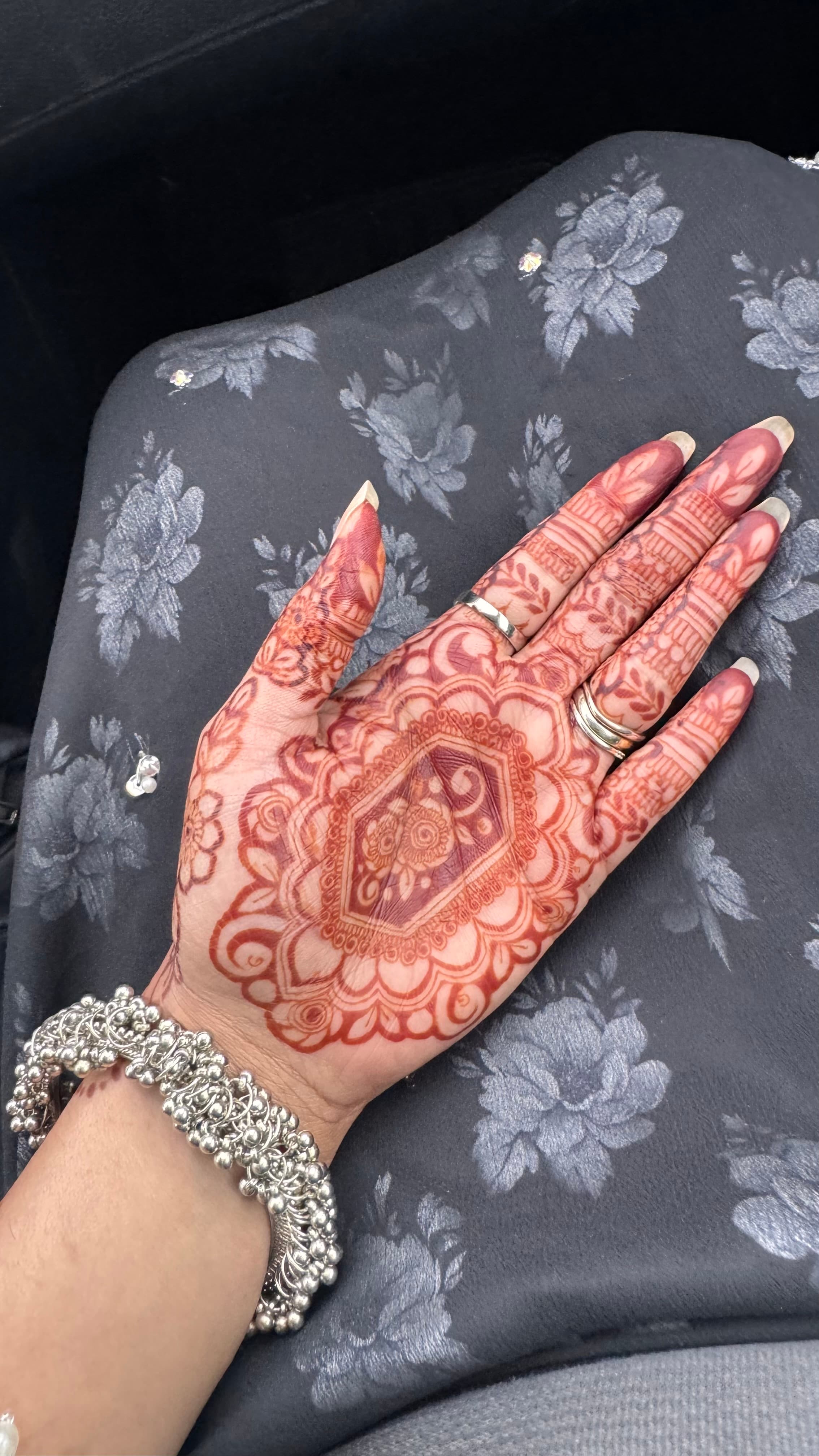
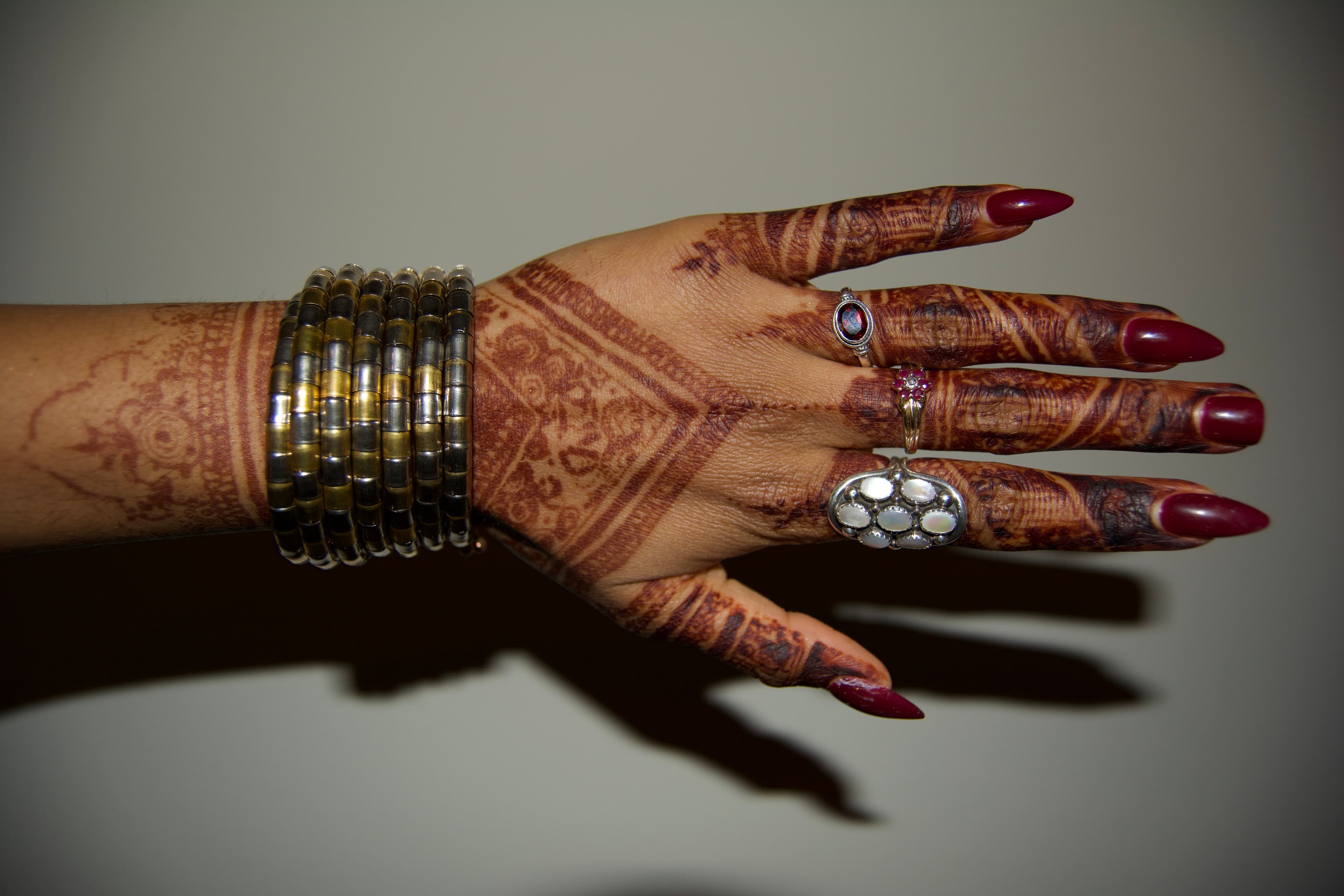
Mehndi is the biggest pre-wedding event and the one most people outside the culture have heard of. It's a night of choreographed dances, music, elaborate henna application, and pure energy. Both families participate, often performing rehearsed dance numbers and skits. The bride enters on a decorated thaal (tray) carried by her friends, and her hands and feet are decorated with intricate mehndi designs. The decor is bright: yellows, greens, oranges, and marigolds everywhere. In the US, the mehndi is typically held at a rented banquet hall or event space because of the guest count and the need for a stage, sound system, and dance floor. Budget $3,000 to $15,000+ depending on venue, decor, and catering.
Nikah is the Islamic marriage ceremony and the legal and spiritual heart of the entire wedding. Unlike a Hindu ceremony that can run 1 to 3 hours with multiple rituals around a fire, the nikah itself is relatively brief: 15 to 30 minutes. An imam or qazi (Islamic officiant) oversees the ceremony. The key moment is the ijab-o-qubool (offer and acceptance), where the groom's proposal is conveyed to the bride and she formally accepts, usually three times. The mahr (a mandatory gift from the groom to the bride, often money or gold, specified in the marriage contract) is announced and agreed upon. Two witnesses from each side sign the nikah-nama (marriage contract). The imam recites prayers and Quranic verses.
The nikah can be held at a mosque, at the wedding venue, or at the bride's family home. Many US-based couples hold the nikah on the same day as the baraat but as a separate segment, either before the reception or as the opening to the main event. Some families hold the nikah days or even weeks before the baraat/walima as a private ceremony, then celebrate publicly later.
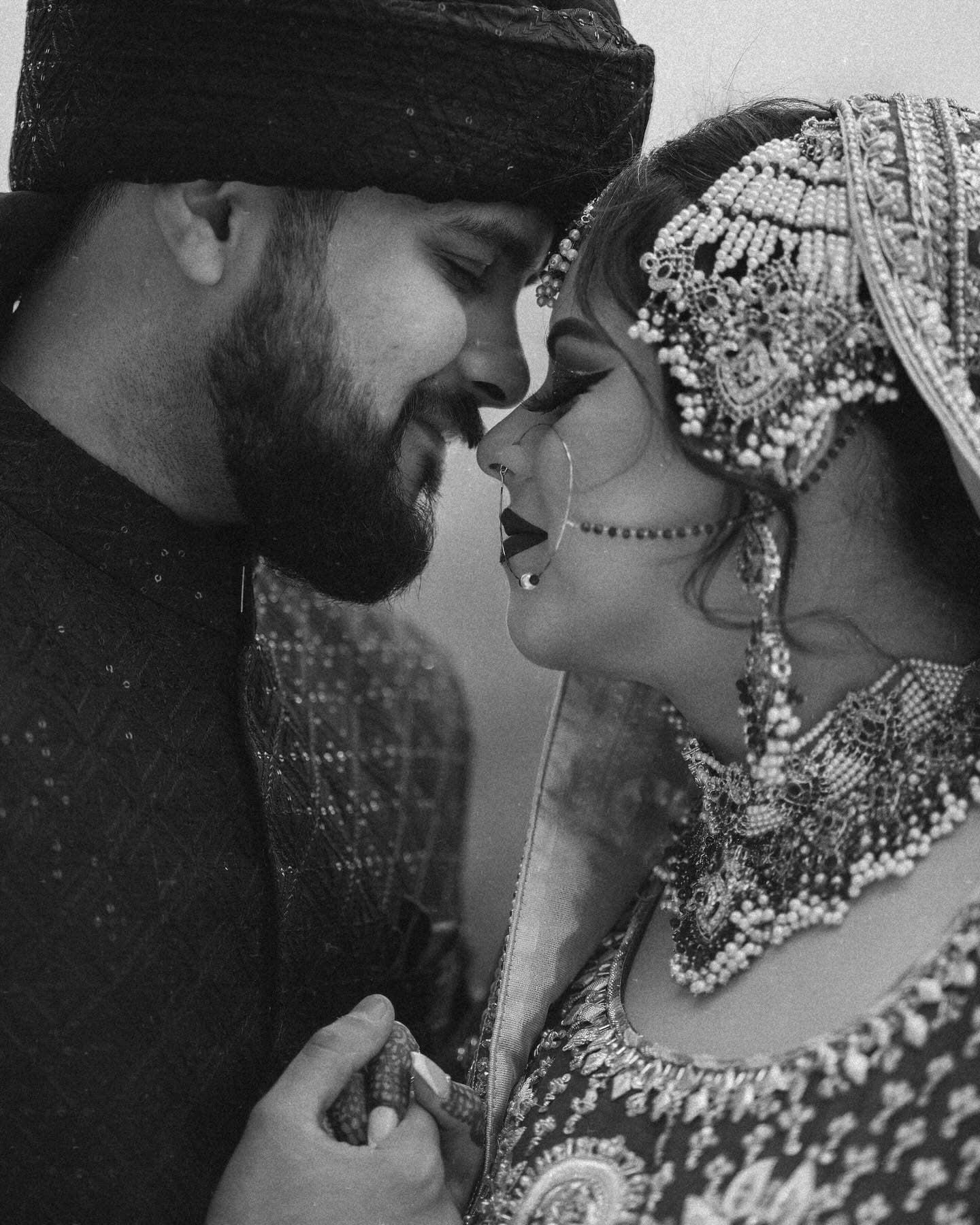
Baraat is the groom's procession to the bride. The groom arrives at the venue (or historically, the bride's home) accompanied by his family, friends, dhol players, and sometimes a decorated car. The mood is celebratory: music, dancing, and a sense of arrival. At the venue, the bride and groom sit together on a decorated stage (the "jhoola" or bridal seat) while guests greet them. A large mirror is brought between them (the arsi mushaf), and the couple sees each other's reflection for the first time as a married couple. Quranic verses are recited, and guests line up to offer blessings and salaam.
The baraat dinner is hosted by the bride's family. This is typically a lavish buffet or plated dinner with Pakistani cuisine: biryani, nihari, chicken karahi, seekh kebabs, naan, various curries, and a dessert spread with gulab jamun, kheer, and jalebi.
Rukhsati is the most emotional moment of the entire wedding. After the baraat reception, the bride says goodbye to her family and leaves with the groom's family. She may throw rice over her shoulder (chawal ki rasam), symbolizing blessings for the family she's leaving behind. Tears are expected. This is the moment where the bride's father walks her to the car, siblings hold on tight, and the mother's composure usually breaks. It's a goodbye that acknowledges the bride is starting a new chapter, and in Pakistani culture, it carries real emotional weight.
In the US, the rukhsati may happen at the venue after the baraat reception, with the couple departing for their own home (or the groom's family's home) as guests see them off.
Walima is the post-wedding reception hosted by the groom's family. This is a key distinction from Indian weddings, where the reception is typically a joint event. The walima is specifically the groom's family's celebration, held the day after the baraat or sometimes on a later date. It's a formal dinner, often at a banquet hall or hotel, with the couple greeting guests, cutting cake, and sometimes having a first dance. The walima guest list may overlap with the baraat but often includes the groom's extended circle, colleagues, and community contacts who weren't at the baraat.
How It Differs from an Indian Wedding
People lump Pakistani and Indian weddings together because both involve mehndi, multiple days, and incredible food. But the differences are structural:
Religious framework. Pakistani weddings follow Islamic marriage law. The nikah is a contract, not a fire ceremony. There are no pheras, no mandap, no sacred fire. The spiritual emphasis is on the couple's consent, the mahr, and Quranic blessings. Indian Hindu weddings center on Vedic rituals performed around an agni (fire) with Sanskrit mantras.
Number of core events. Pakistani weddings have three core events: mehndi, baraat, and walima. Everything else (dholki, mayun, nikah as a separate event) is optional and family-dependent. Indian Hindu weddings can have five or more core events: mehndi, haldi, sangeet, ceremony, and reception.
Who hosts what. In Pakistani weddings, the baraat dinner is hosted by the bride's family and the walima is hosted by the groom's family. In many Indian weddings, the reception is a joint affair or hosted primarily by one family.
The groom's procession. Pakistani grooms typically arrive in a decorated car, not on a horse. Indian Hindu grooms traditionally arrive on horseback (the baraat procession with a horse and dhol players).
Attire. Pakistani brides traditionally wear deep red or maroon lehengas, ghararas, or shararas with heavy gold zardozi embroidery. Indian brides also wear red, but the garment styles, embroidery traditions, and regional variations differ. Pakistani grooms wear sherwanis, while Indian Hindu grooms often wear sherwanis or dhotis depending on regional tradition.
The rukhsati. This moment is specifically Pakistani. The bride's formal departure from her family home doesn't have a direct equivalent in most Indian Hindu wedding traditions (though the vidaai serves a similar emotional role).
This isn't to say one is better or more elaborate than the other. They're different traditions serving different religious and cultural contexts. If you're planning a Pakistani wedding and a vendor asks "is it like an Indian wedding?" you now know exactly how to answer.
Adapting for the US
Compressed timelines. In Pakistan, the wedding events can span a week or more. In the US, most families compress everything into a long weekend: dholki on Thursday night, mehndi on Friday, baraat on Saturday, walima on Sunday. Some families push the nikah to Friday afternoon before the mehndi, combining two events in one day.
Finding an imam or qazi. For the nikah, you need a licensed Islamic officiant. Most local mosques have an imam who can perform nikah ceremonies. In the US, the imam also needs to ensure the nikah meets your state's marriage license requirements. Contact your mosque and your county clerk's office well in advance to coordinate the paperwork.
Venues. You need at least two venue bookings: one for the baraat (bride's family hosts) and one for the walima (groom's family hosts). Many families negotiate multi-day packages at a single banquet hall. In cities with large Pakistani communities (Edison/Iselin NJ, Houston, Dallas, Chicago, the DMV), banquet halls experienced with Pakistani weddings are available and understand the specific requirements: stage setup, sound system for the mehndi performances, and kitchen capacity for Pakistani catering.
Catering. Pakistani wedding food is a highlight and a non-negotiable. The biryani must be right, the nihari must be right, and the seekh kebabs had better be made that day. Pakistani caterers in the US typically charge $30 to $80 per plate for a full wedding buffet. Many Pakistani restaurants in Desi-heavy areas offer catering services. Ask your community for recommendations; the best caterers are almost always found through word of mouth.
🇵🇰Pakistani Vendors on EventAtlas


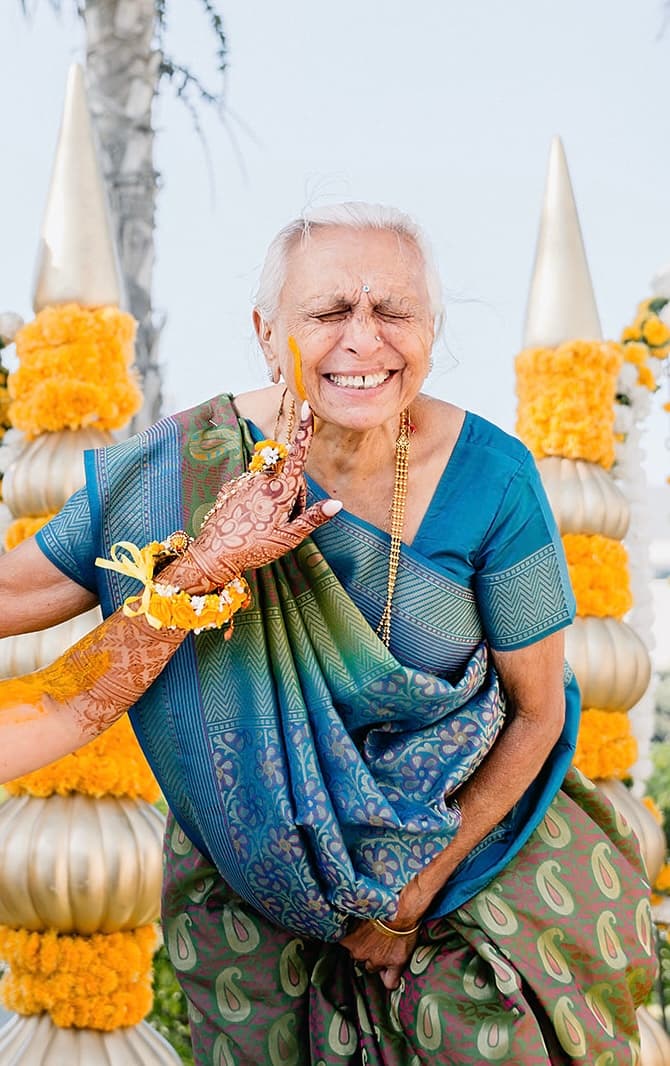
Join the growing Pakistani vendor community on EventAtlas. with a vendor.
Attire: Where to Shop
For brides: Pakistani bridal lehengas, ghararas, and shararas share some overlap with Indian bridal wear, and many of the boutiques we covered in our Indian bridal lehenga guide also carry Pakistani designers. Rangreza (rangreza.net) is a US-based Pakistani fashion boutique in Edison, NJ that carries top Pakistani designers like Maria B, Sana Safinaz, Khaadi, and Maryum N Maria, with bridal collections and custom options. They ship nationwide from New Jersey.
For brides ordering from Pakistan, designers like Faraz Manan, Suffuse by Sana Yasir, Elan, and Bunto Kazmi create couture bridal pieces. Custom orders take 3 to 6 months and require a trip to Lahore or Karachi for fittings, or a trusted family member to coordinate on your behalf.
For grooms: Sherwanis are the standard. US-based boutiques on Oak Tree Road in Edison, NJ and in Houston carry sherwanis, as do many of the Indian boutiques we mentioned in previous articles. Nauman Arfeen (naushemian.com) is a Karachi-based designer known as one of the premier sherwani designers in Pakistan, and he ships internationally for custom orders.
We’re growing the Pakistani fashion community on EventAtlas.
Budgeting: Real Numbers
A full Pakistani wedding in the US (mehndi, baraat, walima, plus the smaller events) for 200 to 400 guests typically costs $40,000 to $120,000+. Here's a rough breakdown:
Mehndi (venue, decor, catering, entertainment): $5,000 to $20,000. Baraat (venue, catering, decor, stage): $15,000 to $40,000. Walima (venue, catering, decor): $10,000 to $30,000. Bridal attire (all events): $2,000 to $10,000+. Groom's attire: $500 to $3,000. Photography and videography: $3,000 to $10,000. DJ and entertainment: $1,000 to $4,000. Mehndi artist: $200 to $800 for the bride, additional for guests. Mahr: varies (this is between the couple and their families).
The biggest cost drivers are guest count and venue. Pakistani weddings in the US routinely exceed 300 guests, and the dual-event structure (baraat + walima) means two full reception-scale bookings.
Common Mistakes US-Based Couples Make
Not separating the baraat and walima guest lists. These are two different events hosted by two different families. The guest lists should be planned separately. Duplicating the entire list across both events doubles your cost unnecessarily.
Underestimating mehndi production time. If your mehndi includes choreographed dances (and it probably will), start rehearsals 2 to 3 months before the wedding. Coordinating 10 to 15 performers across multiple cities for rehearsals is a logistical challenge. Consider hiring a choreographer.
Skipping the dholki. In the rush to condense events, the dholki often gets cut. Don't let it. It's the most intimate, low-cost, and culturally rich event in the entire wedding. All you need is a living room, a dhol, and family.
Assuming any "South Asian" vendor understands Pakistani weddings. A vendor experienced with Hindu Indian weddings may not know the nikah protocol, the rukhsati timing, or the walima structure. Ask specifically about Pakistani wedding experience.
We’re growing the Pakistani event-planning community on EventAtlas.
Making It Yours
Pakistani weddings in the US sit at a beautiful intersection: centuries of tradition meeting modern Desi-American life. You can have a nikah at the mosque followed by a mehndi where your cousins perform a Coke Studio medley. You can honor the rukhsati while living three miles from your parents' house. You can serve biryani at 11 PM and nobody will think it's strange.
Hold onto the traditions that connect you to your family's story. Adapt the logistics to fit your life here. And throw a wedding that makes your nani proud and your non-Desi friends ask "when's the next one?"
For help finding Pakistani wedding vendors, caterers, photographers, DJs, and attire shops, visit EventAtlas or reach out at hello@tryeventatlas.com.
Related Posts
More reading on themes you might be exploring.

How to Plan a Sangeet Night That Your Guests Actually Enjoy
Fifteen choreographed performances, a stage that needs pro lighting, a sound system that can handle Bollywood and your uncle's acoustic number, and a dinner that feeds 200 without interrupting the show. Here's how to plan a sangeet that's a night, not just a three-hour talent show with awkward gaps between acts.
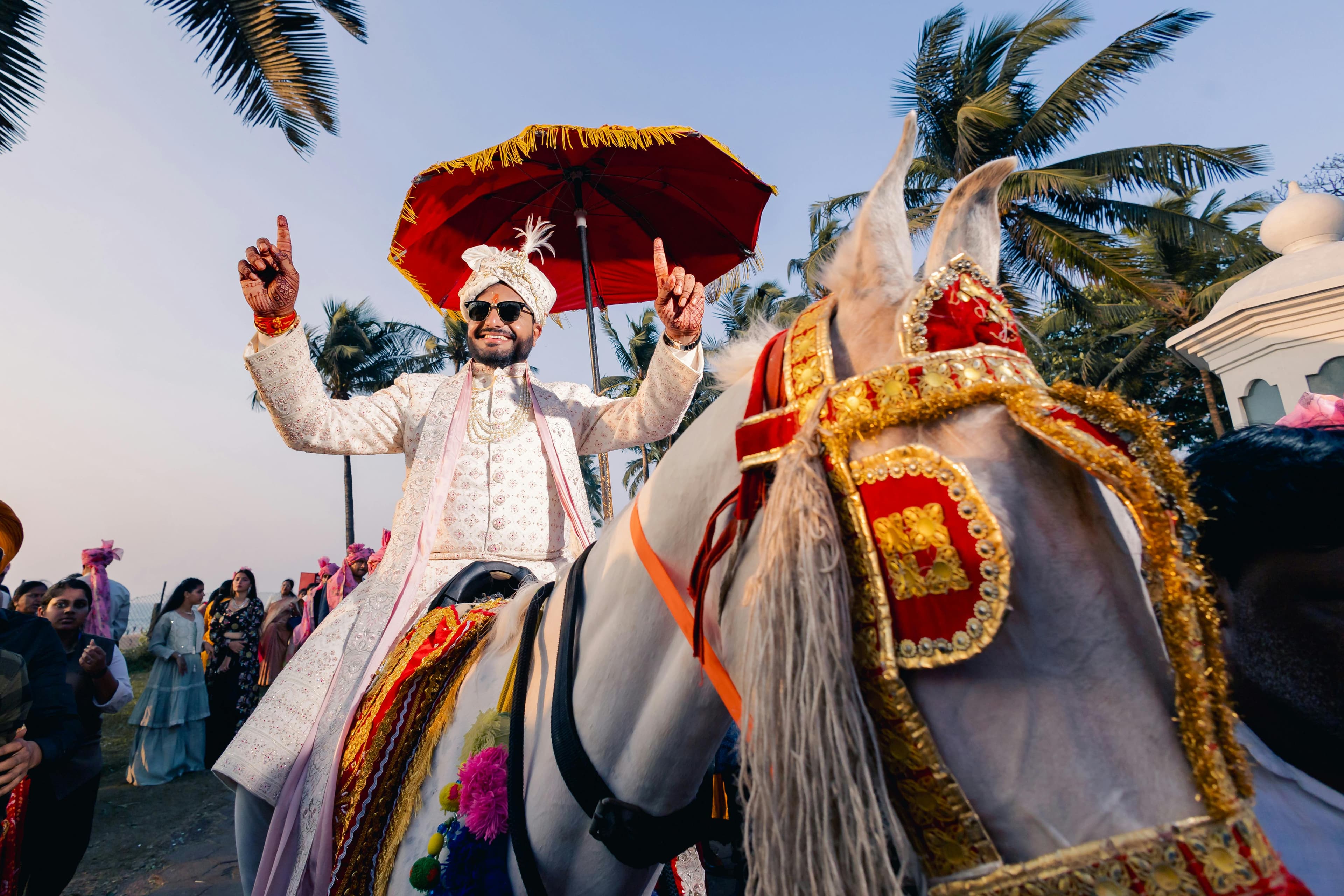
The Indian Wedding Planning Timeline Every US Couple Actually Needs
You're not planning one event, you're planning three to five, each with its own venue, catering, decor, and outfits. This month-by-month timeline covers everything US-based Indian couples actually need to coordinate, from muhurat dates and baraat permits to lehenga lead times and mandap fire codes.
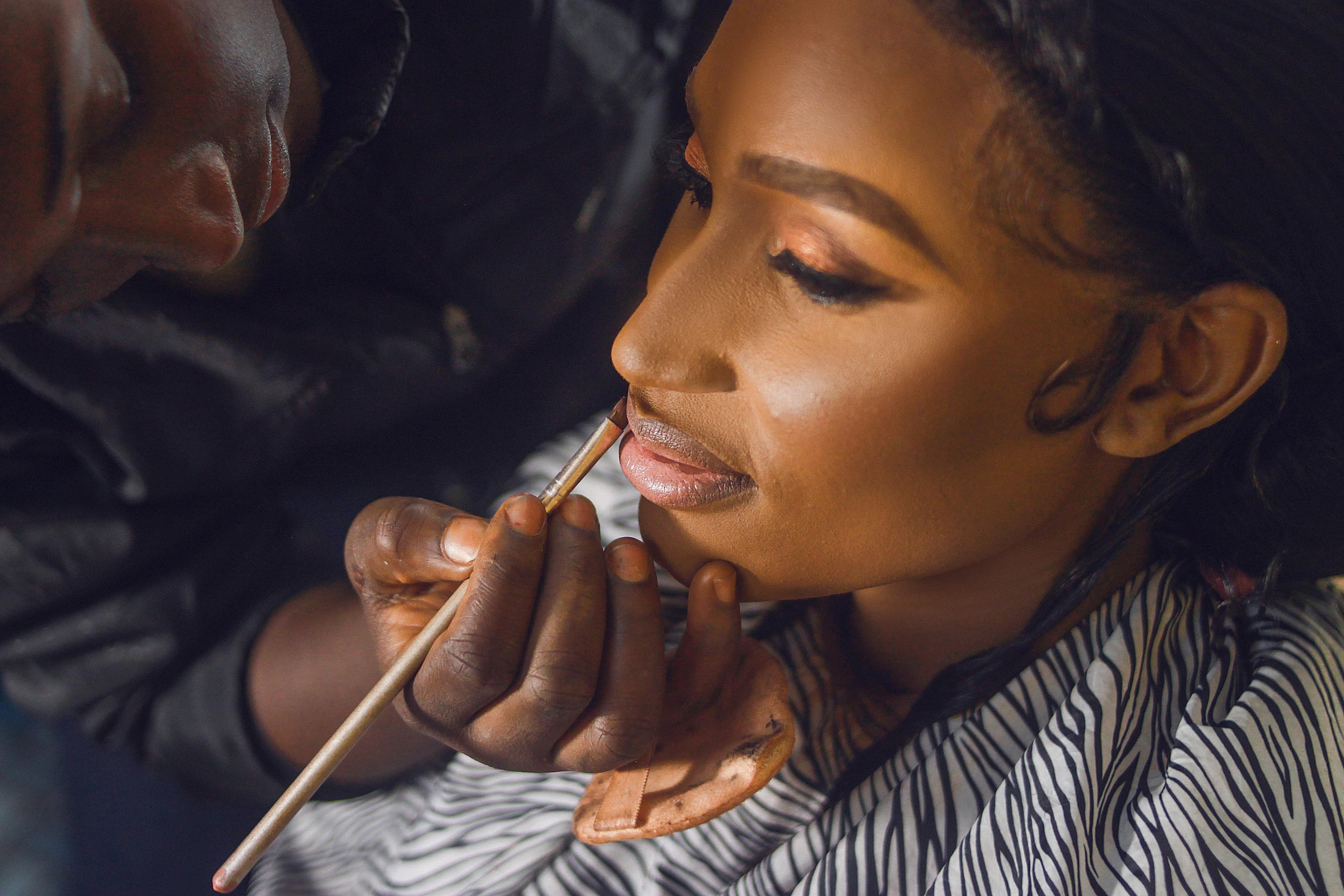
Bridal Makeup for Dark Skin Tones: How to Find an Artist Who Gets It Right
You showed up to the trial and the foundation was two shades too light, the setting powder left white cast in every flash photo, and the artist said "don't worry, it'll look fine." It did not look fine. Here's how to find a makeup artist who actually knows how to work with deep skin tones, what to demand at the trial, and the flash test that reveals everything.
Planning a Cultural Celebration?
Find vendors who understand your traditions and can make your event truly special.
Find Vendors