Bridal Makeup for Dark Skin Tones: How to Find an Artist Who Gets It Right
You showed up to the trial and the foundation was two shades too light, the setting powder left white cast in every flash photo, and the artist said "don't worry, it'll look fine." It did not look fine. Here's how to find a makeup artist who actually knows how to work with deep skin tones, what to demand at the trial, and the flash test that reveals everything.
Bridal Makeup for Dark Skin Tones: How to Find an Artist Who Gets It Right
You showed up to the trial, and the foundation was two shades too light. The contour looked ashy. The highlighter didn't show up at all. The artist smiled and said, "Don't worry, it'll look fine in photos." It did not look fine in photos.
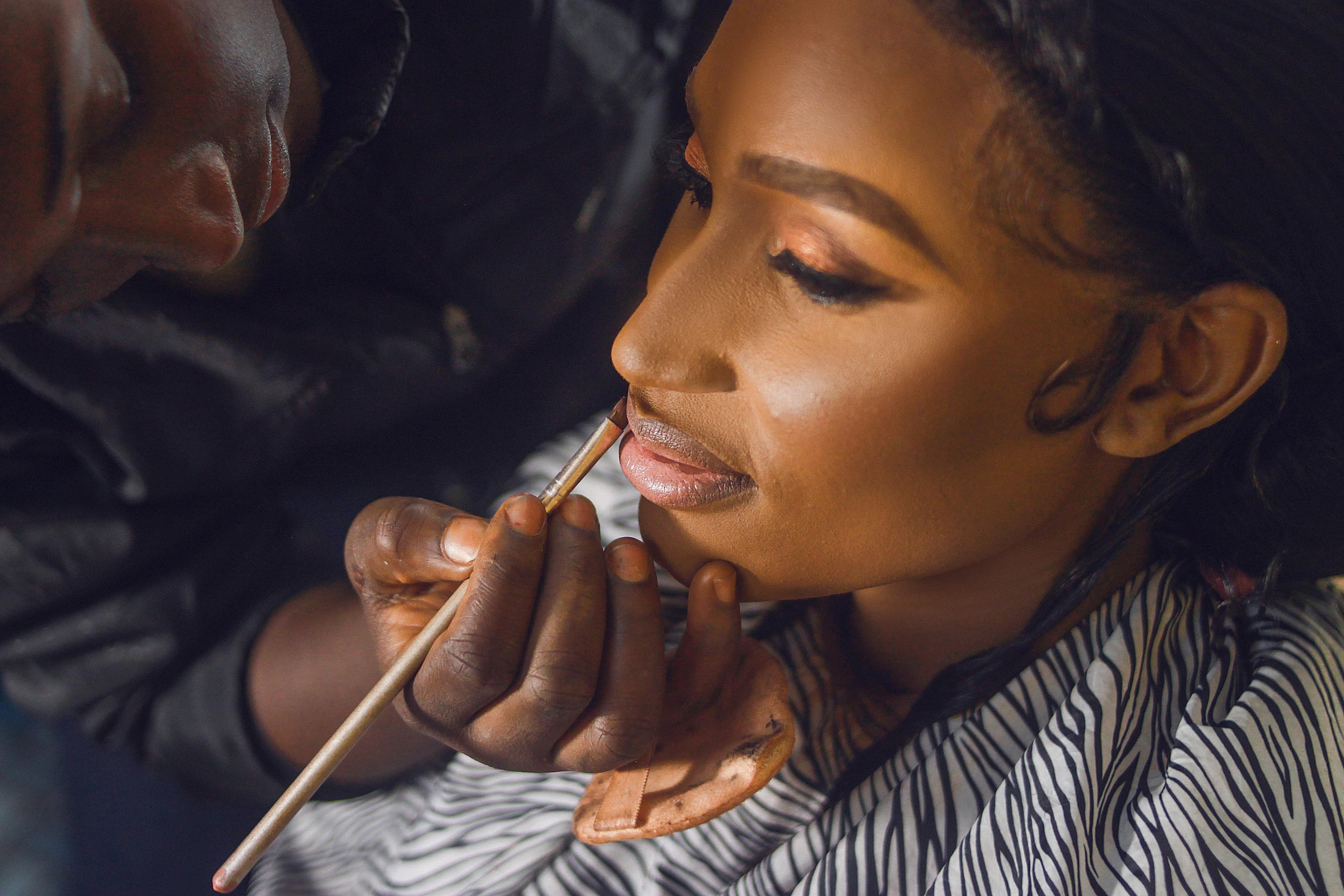
If you're a Black or South Asian bride with deep or dark skin, you've probably already had at least one bad makeup experience. Maybe a foundation that oxidized orange within an hour. Maybe a setting powder that left a white cast. Maybe a makeup artist whose portfolio had 50 brides and exactly zero who looked like you.
The problem isn't that bridal makeup for dark skin is harder. It isn't. The problem is that many makeup artists never properly learned how to work with deeper tones, and the ones who did are worth finding early. This guide helps you find them, evaluate them, and get the trial right so your wedding day makeup actually matches your skin, your outfit, and your culture.
Why Standard Bridal Makeup Fails on Dark Skin
The issues aren't cosmetic accidents. They're systemic gaps in training and product selection.
Foundation matching. This is the most common failure point. Dark skin has a wide range of undertones: warm (golden, amber, red), cool (blue, plum), and neutral. Many makeup artists default to a single "dark" shade without identifying the undertone, which is why so many dark-skinned brides end up with foundations that look grey, orange, or chalky. The fix isn't just "finding the right shade." It often means mixing two or three foundations to create a custom match, and many artists aren't practiced at this.
Powder and flashback. Translucent setting powders containing silica or titanium dioxide create a white cast on dark skin, especially under flash photography. This is the reason so many dark-skinned brides look washed out or ghostly in photos taken with flash. The solution: use a tinted setting powder in a shade that matches the skin tone, or a finely milled banana powder formulated for deeper tones. An artist experienced with dark skin knows this. An artist who isn't will use the same translucent powder they use on everyone and not understand why the photos look wrong.
Under-eye concealer. Using a concealer that's too light under the eyes creates a raccoon effect on dark skin. The correct approach for deeper tones is usually a peach or orange color corrector underneath, followed by a concealer that's only one to two shades lighter than the skin tone, not the pale beige that works on lighter complexions.
Color payoff. Eyeshadows, blushes, and lip colors that look vibrant on light skin can appear muted or invisible on dark skin if they're not pigmented enough. An experienced artist knows which product lines have strong pigmentation for deeper tones (Danessa Myricks, Pat McGrath, Fenty Beauty, NARS, Black Opal, UOMA Beauty) and which ones will disappear by cocktail hour.
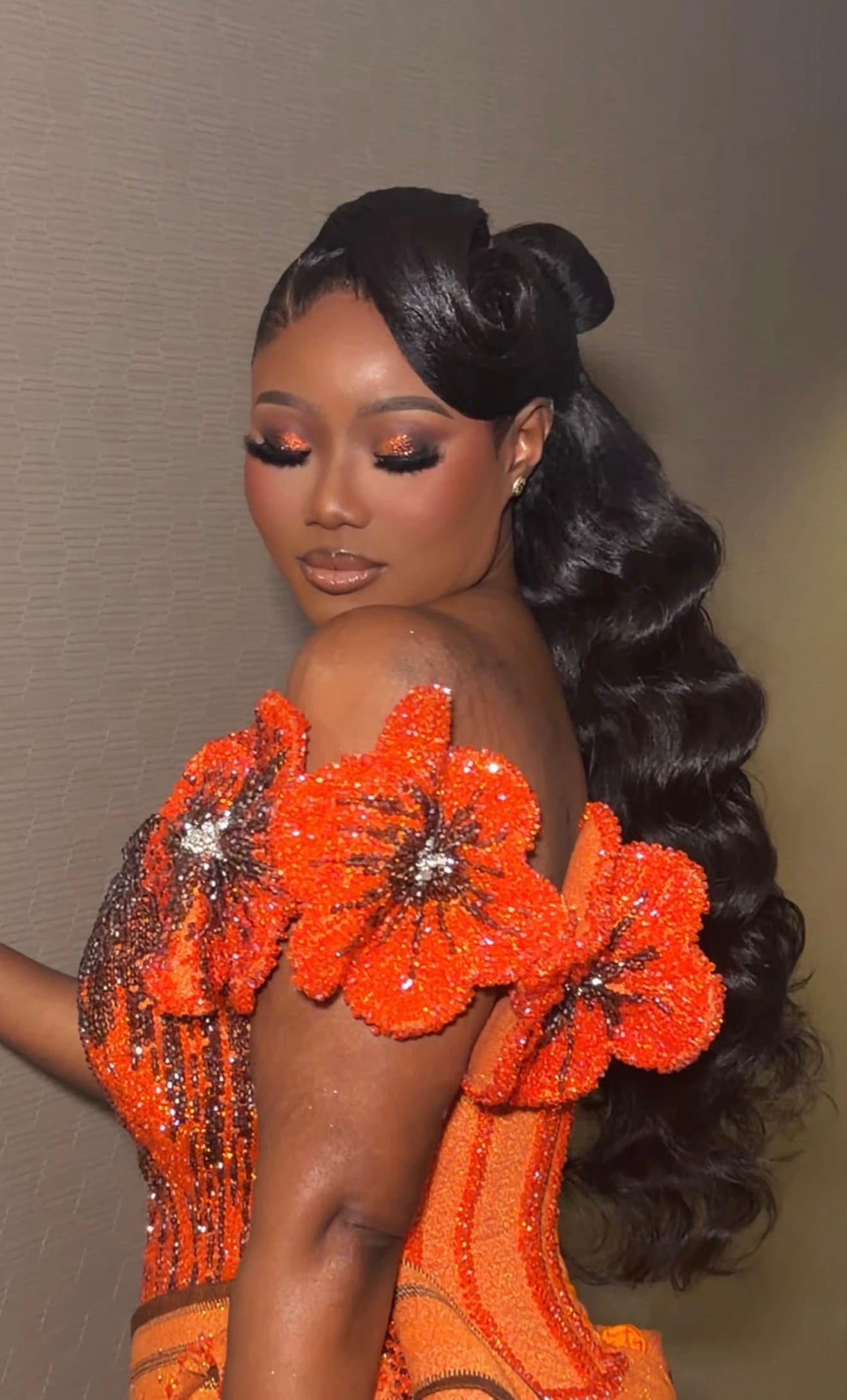
Contouring and highlighting. On dark skin, contouring requires darker shades than most palettes offer, and highlighting works best with warm metallics (gold, copper, bronze) rather than the icy silvers and pinks that dominate mainstream bridal looks. The "Instagram contour" that works on medium skin often looks muddy or unnatural on very dark skin if the artist hasn't adjusted their shade selection.
What to Look for in a Portfolio
Before you book a trial, study the artist's portfolio. This is where you'll spot the difference between someone who knows dark skin and someone who's faking it.
Volume of dark-skinned clients. Not one token photo. You want to see 10 or more examples of brides with skin tones similar to yours. If their portfolio is 95% light-skinned clients and one dark-skinned bride, that's not specialization; that's a sample size of one.
Consistency across skin tones. Look at whether the makeup quality stays consistent from their lightest to darkest clients. Some artists produce beautiful work on medium skin but visibly struggle with very deep tones. The foundation match, the blending, the color choices should all look intentional and polished regardless of the client's shade.
Cultural context. If you're a Nigerian bride, look for artists who've done Nigerian wedding makeup: the full beat that holds up through a ceremony, a spraying session, and six hours of dancing. If you're a South Asian bride, look for artists who understand how bridal makeup needs to work with heavy jewelry, a dupatta frame, and the lighting shift between an outdoor ceremony and an indoor reception. Cultural weddings have specific makeup demands that go beyond shade matching.
Flash photography examples. Ask for photos taken with flash, not just natural light or ring-light portraits. Flash reveals every mismatch: the wrong undertone, the white-cast powder, the patchy blending. If their portfolio only shows carefully lit studio shots, ask for real wedding photos taken by a photographer with flash.
Questions to Ask at the Trial
The trial is your audition for the artist. Treat it like one.
"What foundation brands and shades are you planning to use on me?" An experienced artist will name specific shades and explain why they're choosing them for your undertone. If they hesitate or say "I'll figure it out on the day," that's a red flag.
"Do you carry a range of shades for dark skin, or will you need to order products?" Some artists' kits are stocked primarily for lighter skin tones and they scramble to find the right products for darker clients. You want someone whose kit is already built for your shade range.
"What setting powder do you use, and will it cause flashback?" If they say "translucent" without specifying a formula designed for deeper tones, push back. Ask them to demonstrate under flash (use your phone's flash as a test). If you see white cast, they need to switch products.
"Can you show me what the look will appear like under flash?" Have someone take a phone photo with flash during the trial. If the foundation looks ashy, the powder shows, or the contour disappears, you know exactly what your wedding photos will look like.
"How long will this look hold up?" Nigerian weddings run 8 to 12 hours. Indian weddings run even longer across multiple outfit changes. Your makeup needs to survive heat, tears, dancing, and hugs. Ask what setting spray they use and whether they recommend touch-up products for the day.
🇳🇬Nigerian Beauty & Hair on EventAtlas
Join the growing Nigerian beauty and hair community on EventAtlas. with a vendor.
Culture-Specific Makeup Considerations
Bridal makeup isn't one-size-fits-all across cultures. What "bridal glam" means varies significantly.
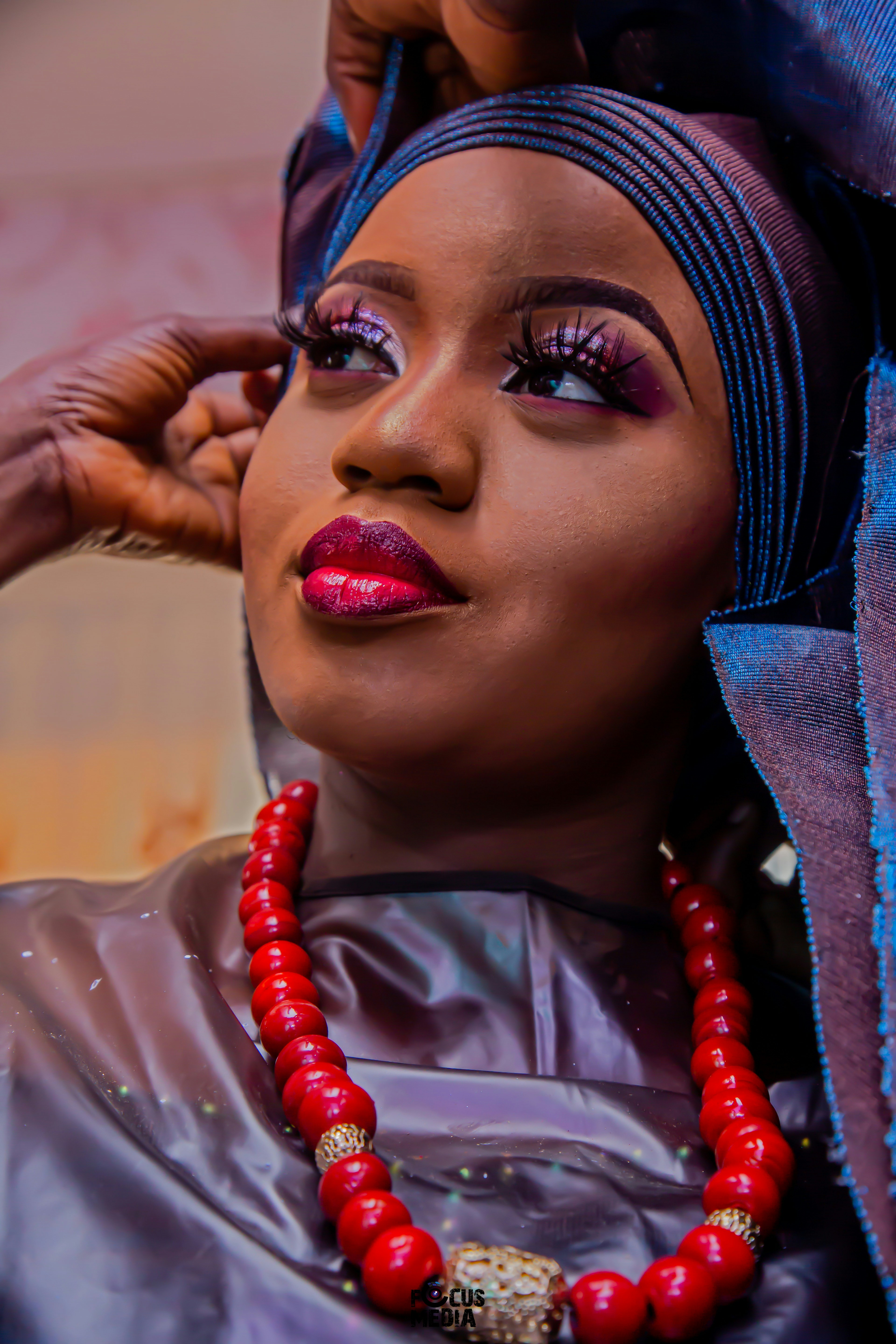
Nigerian bridal makeup tends to be full-coverage, dramatic, and designed to last. Nigerian weddings are long, energetic, and hot (even in air-conditioned US venues, the dance floor gets warm). The makeup needs to hold through the traditional ceremony and the white wedding reception. Bold lip colors (deep reds, berries, and nudes with liner) are popular. False lashes are standard. The "beat" should be flawless from across the room because guests are taking photos all day. Nigerian MUAs are trained to work with melanin-rich skin from the start, which is why many non-Nigerian Black brides seek out Nigerian makeup artists even for non-cultural weddings.
South Asian bridal makeup for darker-toned Indian, Pakistani, Sri Lankan, and Bangladeshi brides has its own challenges. The makeup needs to complement heavy jewelry (maang tikka, necklace sets, jhumkas) without competing with it. It needs to work with the specific draping of a dupatta or pallu, which frames the face. And it needs to photograph well in both the warm tones of a mandap ceremony with fire and the cooler tones of a reception hall. Red and gold lehengas require different makeup considerations than pastel or ivory outfits. An artist experienced with South Asian weddings understands these variables.
Ethiopian and Eritrean bridal makeup shifts between Day One (Western-style, more traditional glam) and the melsi (paired with traditional habesha kemis and gold jewelry, requiring a look that complements the cultural attire). The makeup should enhance without overpowering the gold jewelry that's central to Habesha bridal presentation.
Where to Find the Right Artist
Instagram is your best search tool. Search hashtags specific to your culture and skin tone: #BlackBridalMakeup, #NigerianBridalMUA, #MelaninBride, #DarkSkinBridalMakeup, #SouthAsianBridalMakeup, #DarkSkinMUA plus your city. Look at tagged photos (not just the artist's curated grid) to see how their work looks in real wedding settings.
Ask your community. Nigerian, Indian, Ethiopian, and other cultural community groups on Facebook are goldmines for makeup artist recommendations. Recently married friends in your community are your best source of honest reviews.
Check if they travel. Many top bridal MUAs who specialize in dark skin tones travel for weddings, especially within the US. If the best artist for your needs is in Houston but your wedding is in Atlanta, it may be worth paying a travel fee ($200 to $500 plus accommodations) rather than settling for someone local who can't match your foundation.
Pricing expectations. US-based bridal makeup artists who specialize in cultural weddings typically charge $200 to $600 for the bride alone, with additional charges for bridesmaids, touch-ups, and multiple looks (if you're changing outfits between the ceremony and reception). Top-tier artists with strong reputations and social media followings can charge $500 to $1,000+. Trials usually cost $75 to $200 and may be credited toward your booking.
The Trial Checklist
Come to your trial prepared. Bring your bridal outfit (or a photo of it), your jewelry, and a photo of the hairstyle you're planning. All of these affect how the makeup should look.
After the trial, wear the makeup for at least 4 to 6 hours before washing it off. Check how it holds up: does the foundation shift? Does the powder get cakey? Does the lip color bleed? Take photos in multiple lighting conditions: natural light, indoor light, and flash. If the makeup looks good at noon and terrible at 6 PM, you'll know before the wedding day.
If the trial doesn't go well, say so. A good artist will want to adjust. A bad artist will get defensive. Either way, you have your answer.
We’re growing the Ethiopian beauty and hair community on EventAtlas.
What Brands Get Dark Skin Right
Not every brand deserves your money. These consistently deliver for deep skin tones: Fenty Beauty (40+ foundation shades with accurate undertone matching), Danessa Myricks (highly pigmented, buildable products loved by professional MUAs), Pat McGrath Labs (luxury pigmentation that shows up beautifully on dark skin), NARS (longstanding commitment to deeper shade ranges), Black Opal and UOMA Beauty (founded specifically for melanin-rich skin), and Makeup For Ever (professional-grade with extensive shade ranges). Your artist should be working with at least some of these lines. If their kit is all drugstore brands with limited shade ranges, they're not equipped for the job.
Your wedding day makeup should make you look like the most beautiful version of yourself. Not lighter. Not ashy. Not someone else's idea of "bridal." Find the right artist, demand the trial, and don't settle until the foundation match is perfect.
For help finding bridal beauty vendors who specialize in cultural weddings, visit EventAtlas or reach out at hello@tryeventatlas.com.
Related Posts
More reading on themes you might be exploring.
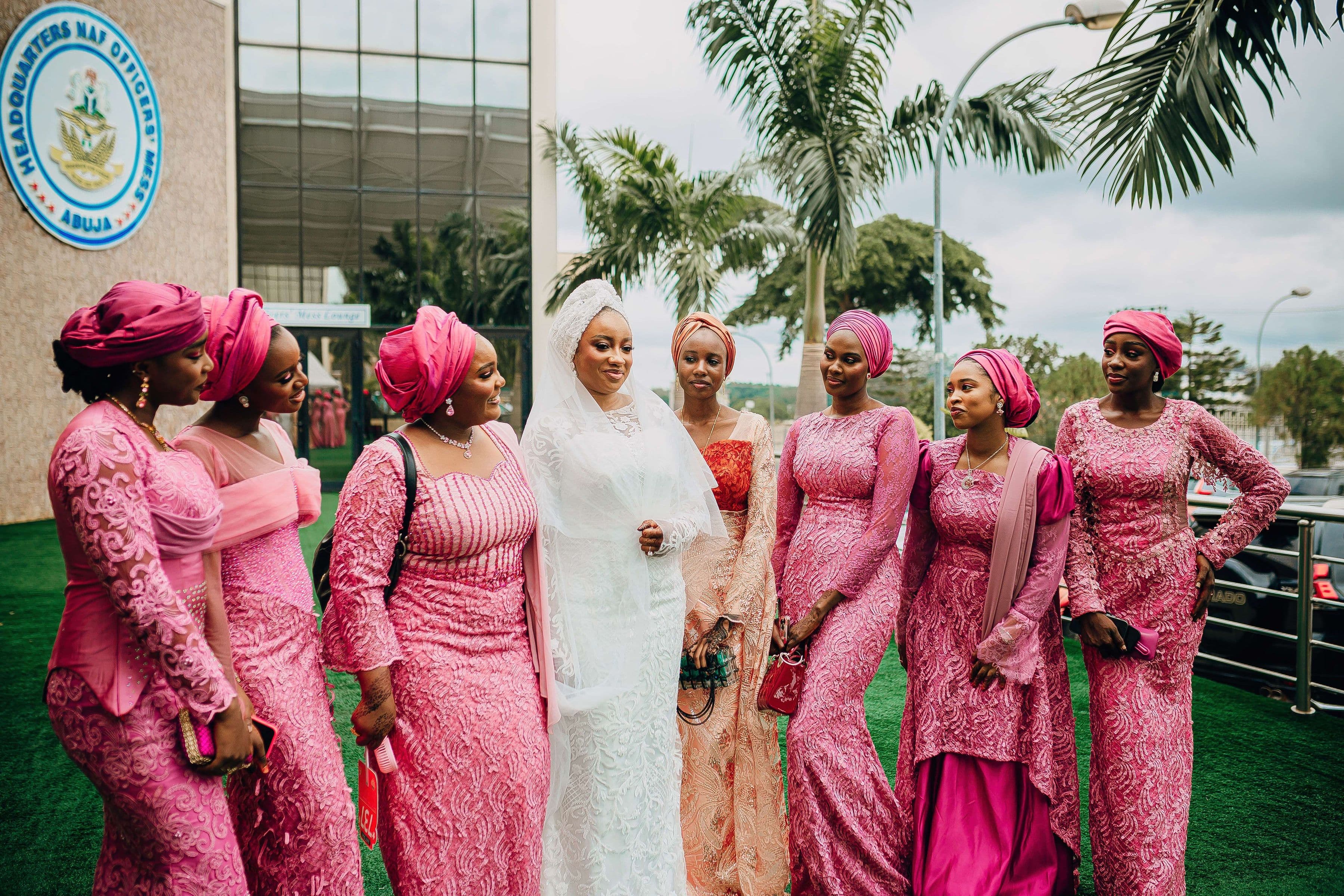
The Aso Ebi Tradition: How to Coordinate Fabric for Your Nigerian Wedding Guests
Coordinating matching fabric for dozens of guests scattered across Houston, Atlanta, the DMV, and Lagos is a logistics project that generates more WhatsApp messages than every other wedding decision combined. Here's how to choose the fabric, set pricing, handle distribution, and deal with the sensitive parts like guests who can't afford it.
What to Wear to an Indian Wedding as a Non-Indian Guest
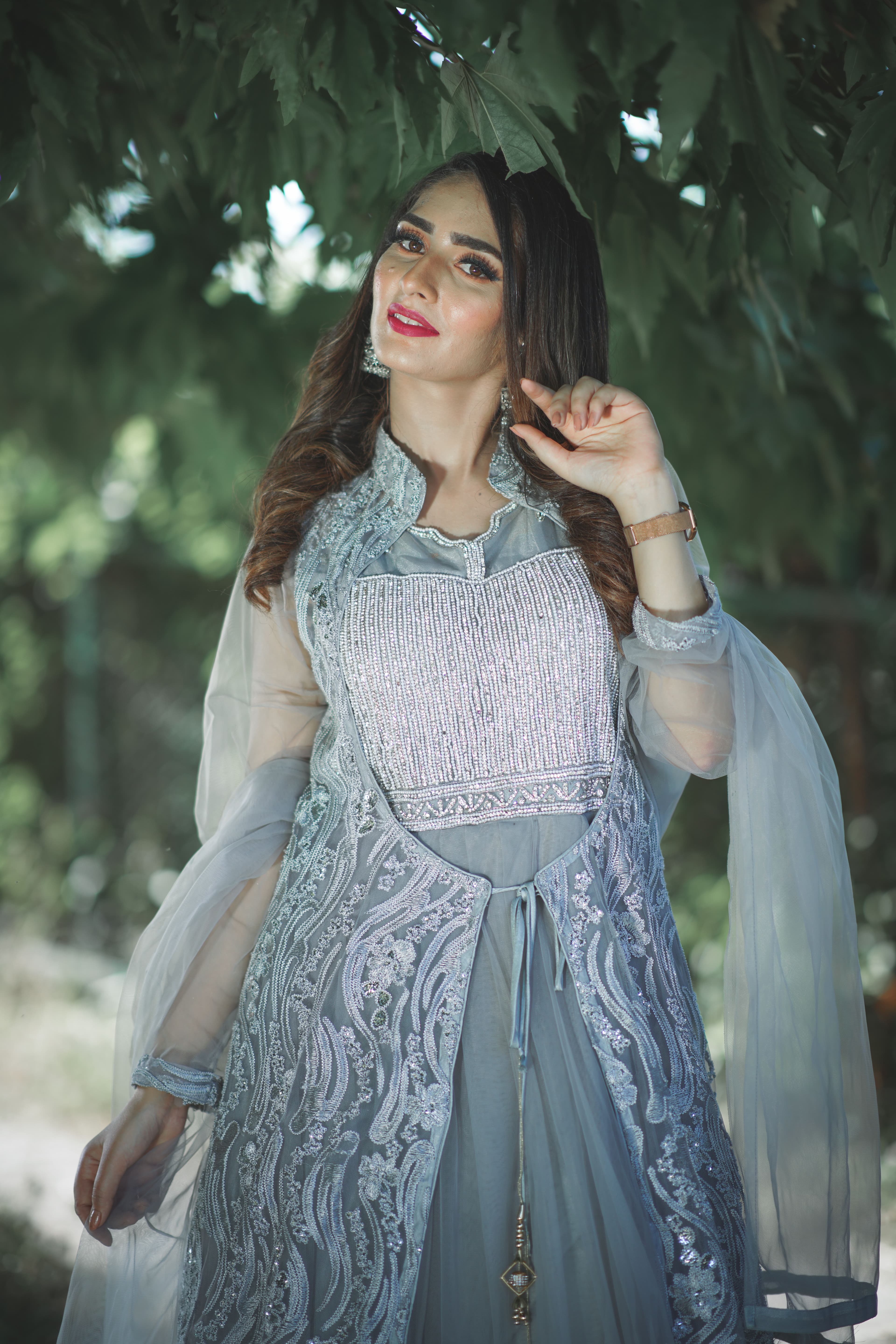
You own exactly zero Indian outfits and your entire frame of reference is Instagram. Here's what you actually need to know: the three colors to avoid (red, white, black), what to wear to each event from the mehndi to the reception, why wearing Indian clothing is welcomed and not appropriation, and where to find a stunning anarkali for under $150 in the US.
How to Find the Right Lehenga as an Indian Bride in the US
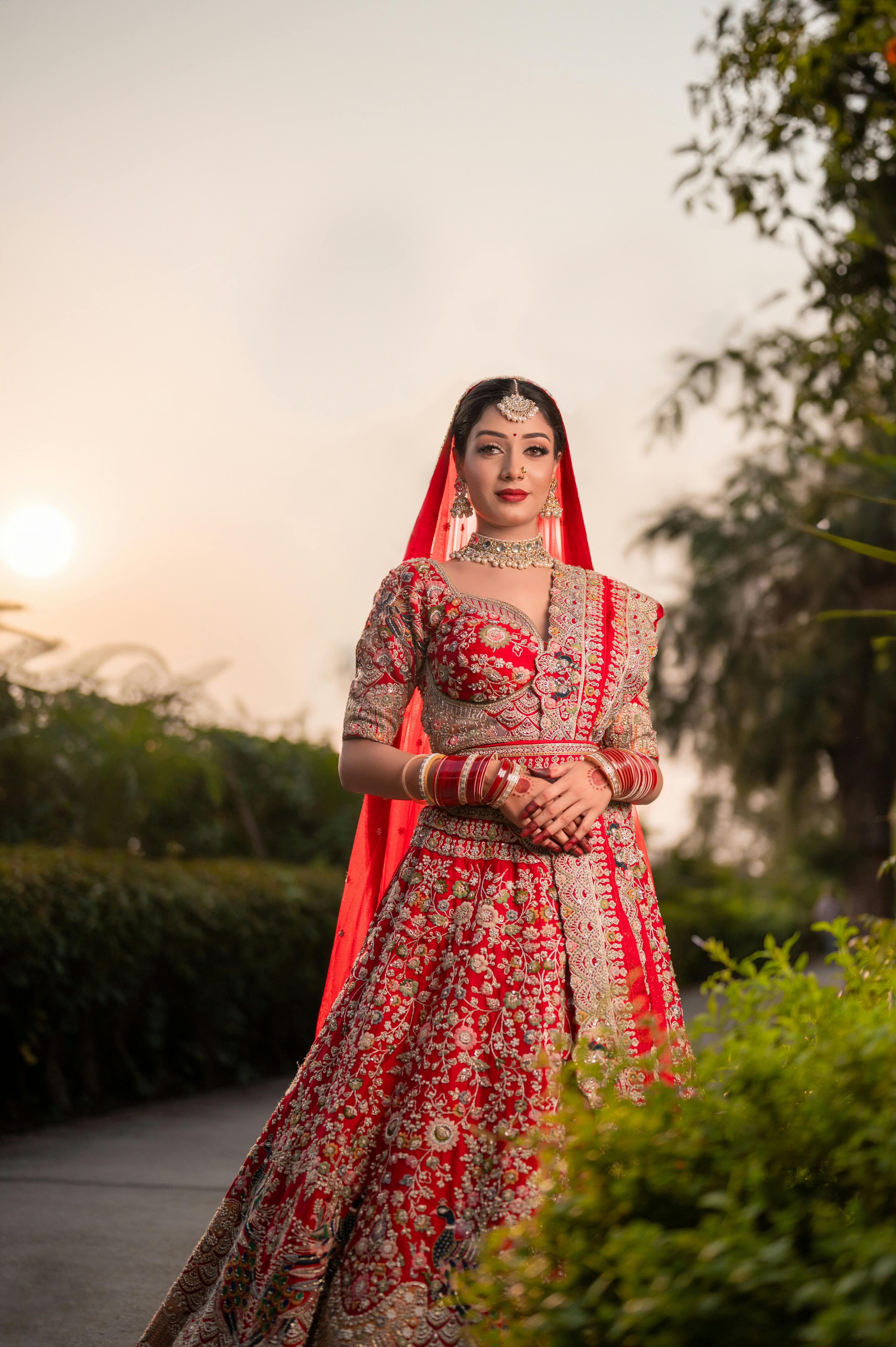
You're in New Jersey, not Chandni Chowk, but you still want a bridal lehenga that makes you cry when you see yourself in the mirror. Here's where US-based brides actually shop, what each route costs from $500 to $15K+, and how to get the fit right when you're ordering from 8,000 miles away.
Planning a Cultural Celebration?
Find vendors who understand your traditions and can make your event truly special.
Find Vendors