
A Guide to Eritrean and Ethiopian Wedding Traditions in the US
It's not a one-day event. It's a 72-hour transformation: the telosh gift ceremony on Friday, the church crowning and reception on Saturday, and the melsi on Sunday where everything shifts to habesha kemis, braided hair, eskista dancing, and coffee poured from a jebena. Here's how diaspora families make every stage work in the US.
If you've ever been to a Habesha wedding, you know it's not a one-day event. It's a multi-day production that transforms living rooms into ceremony halls, fills entire apartment buildings with the smell of sewa brewing, and sends women into ululating eruptions (ililta) that can be heard from the parking lot. An Ethiopian or Eritrean wedding is family, faith, food, and music compressed into the most joyful 72 hours of your life.
For diaspora families in the US, pulling this off means adapting traditions designed for village compounds and family homes in Addis Ababa or Asmara to banquet halls in the DMV, apartment complexes in Dallas, and community centers in Minneapolis and Seattle. The traditions survive because they're flexible enough to travel and meaningful enough to insist on. Here's how they work, and how US-based Habesha families make them happen.
The Structure: Multiple Days, Multiple Events
Eritrean and Ethiopian weddings share deep roots but differ in naming conventions and some specifics. Both cultures are part of the broader Habesha identity, and many traditions overlap. Here's the general multi-day structure:
The Shimgilina (Elder Negotiations). Before any public ceremony, the groom's family sends shimagelewoch (respected elders) to the bride's family to formally request the marriage. These elders serve as mediators and negotiators throughout the wedding process. In the diaspora, the shimgilina is sometimes condensed, but it's rarely skipped entirely. Even couples who have been together for years will go through some form of elder negotiation as a sign of cultural respect.
The Telosh (Ethiopian) or Helefot (Eritrean). This pre-wedding ceremony, typically held two days before the wedding, takes place at the bride's family home. The groom and his family arrive with gifts for the bride: jewelry, gold, clothing, perfume, and sometimes a wedding dress. The bride's family welcomes them with traditional food (injera with various wots). If the bride accepts the gifts, the families celebrate together with food, music, and dancing. This is the moment that officially signals the union is happening.
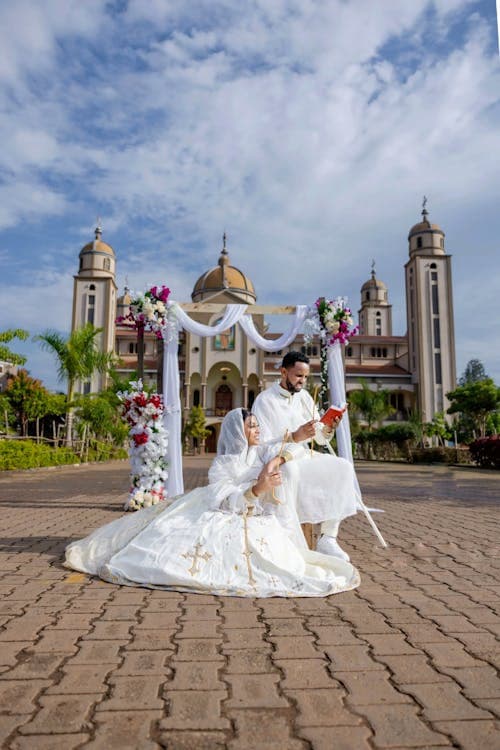
The Church Ceremony (Day One for many couples). The majority of Ethiopians and Eritreans are Christian (Ethiopian Orthodox Tewahedo, Eritrean Orthodox Tewahedo, Catholic, or Protestant), and the church ceremony is the spiritual heart of the wedding. For Orthodox couples, the ceremony is called "the crowning" and can last 2 to 4 hours. The bride and groom wear crowns and ceremonial capes and are escorted by their best man (mizane) and maid of honor. The ceremony includes prayers, hymns, scripture readings, and the exchange of rings.
The Reception (Day One, after the church). Following the church ceremony, the couple hosts a reception that blends Western and Habesha elements: a DJ or live band, a first dance, cake cutting, speeches, and traditional dancing. The reception often includes the engagement during the event itself (ring exchange at the reception is traditional in Ethiopian weddings). Guests are welcomed with ililta (the high-pitched ululating sound women make to express joy), and the couple greets guests table by table.
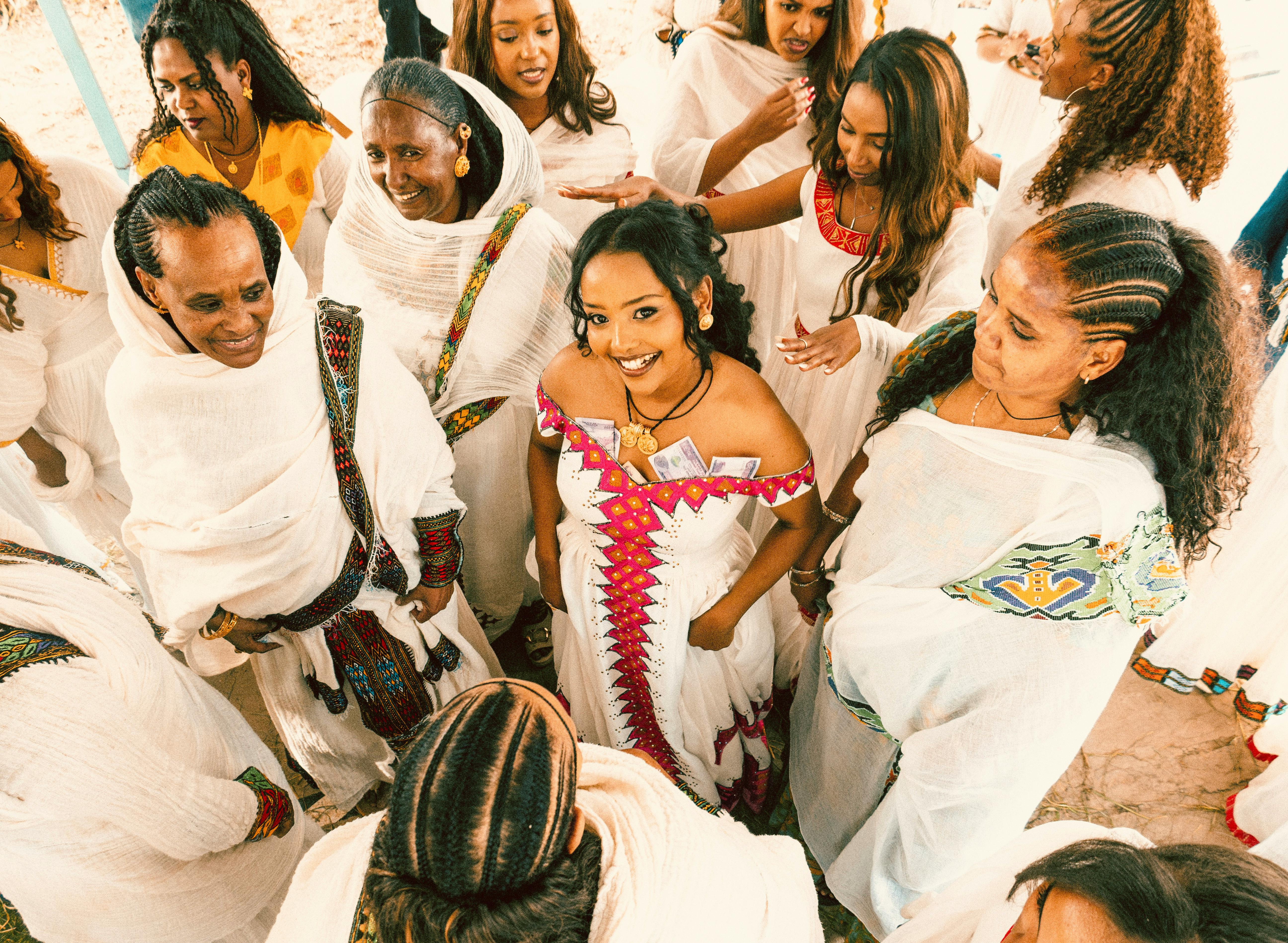
The Melsi or Melse (Day Two). This is the distinctly traditional celebration, and it's the day that most clearly connects the diaspora wedding to its East African roots. Everything changes from Day One: the attire shifts from Western formalwear to habesha kemis and traditional suits, the bride's hair is braided, henna is applied, and gold jewelry is prominently displayed. The melsi includes the boon (coffee) ceremony, traditional dances, the t'hambele (a bridal party dance around the bride), and the serving of traditional food from mesob (handwoven baskets).
In Eritrean tradition, the melsi also includes the Arkitay Betsi'hatiney, where chosen groomsmen stand behind the seated bride and recite vows in Tigrinya, pledging to protect her and mediate in the marriage. This tradition stems from the custom of the bride leaving her village to live with her husband's family, where the groom's friends form an alliance with her.
The Attire
Traditional Habesha wedding attire is among the most elegant in any culture, and it's sharply different between Day One and Day Two.
Day One (church and reception): The bride typically wears a white Western-style wedding gown. The groom wears a suit or tuxedo. Bridesmaids and groomsmen dress in Western formalwear. This is the "white wedding" day.
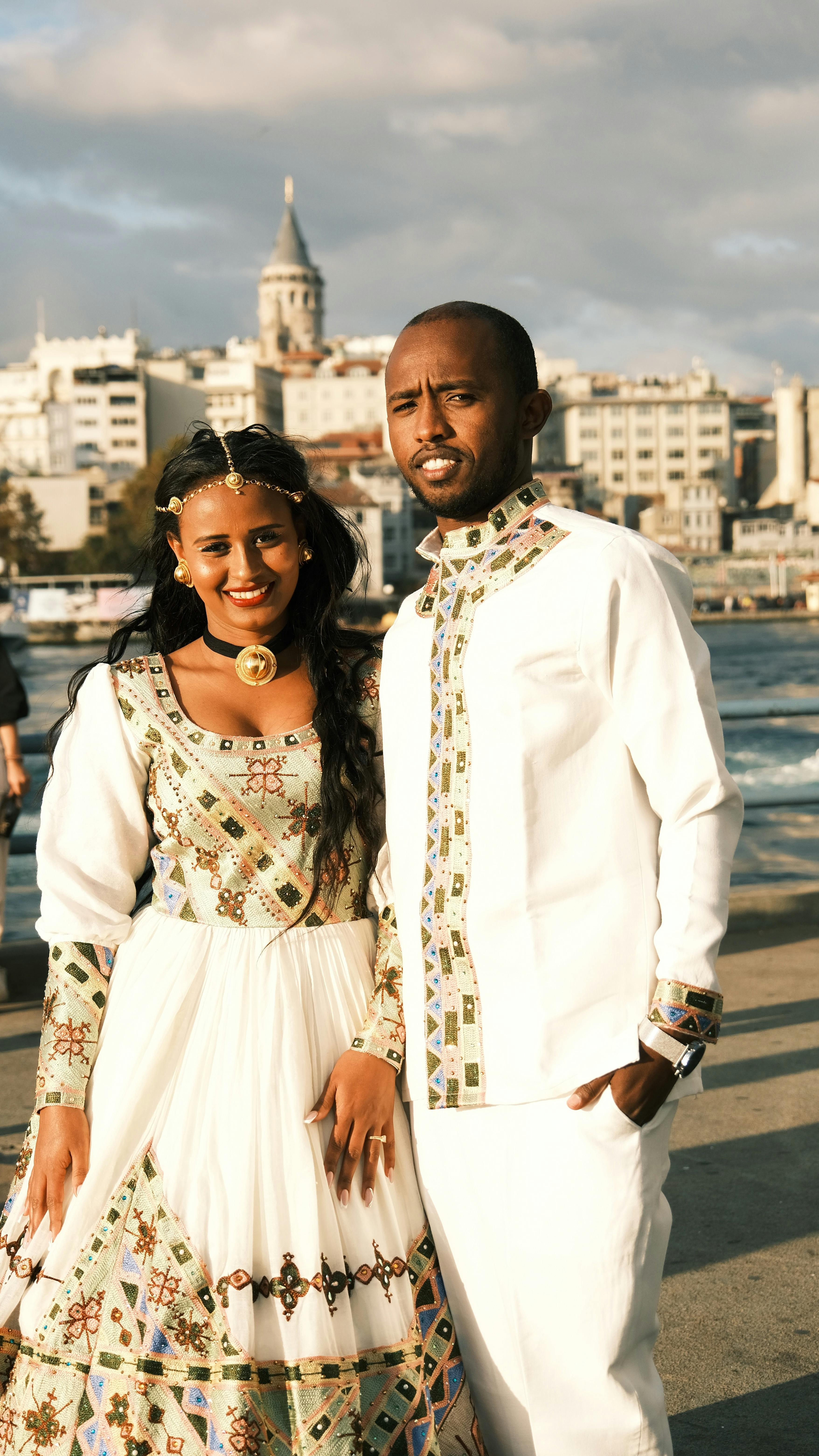
Day Two (melsi): Everyone transforms. The bride wears a habesha kemis (also spelled kemise), an ankle-length dress made from cotton fabric with intricate tibeb (embroidered borders) along the hem, neckline, and sleeves. Traditional habesha kemis come in white, cream, or beige with colorful embroidered accents, though modern versions incorporate bolder colors and contemporary silhouettes. Over the kemis, the bride may wrap a netela (a thin, gauze-like shawl with woven borders). The groom wears a matching Eritrean or Ethiopian suit: a knee-length shirt with a Mandarin collar and matching trousers, often in chiffon, with a kuta (shawl) draped over the shoulders.
Where to buy in the US: The Ethiopian Store (ethiopian.store) offers handmade habesha kemis with custom sizing and ships within the US. Habesha Fashion (habesha.fashion) specializes in traditional and modern habesha kemis designs. Modern Habesha (modernhabesha.com) carries a range of wedding outfits including matching couple's sets. East Afro Dress (eastafrodress.com) sells traditional Eritrean and Ethiopian dresses starting around $60 to $65 for everyday styles, with bridal pieces priced higher. Kibeb (kibeb.com), which we mentioned in our Ethiopian coffee ceremony article, also carries habesha kemis.
Pricing for a bridal habesha kemis ranges from $100 to $400+ depending on fabric quality, embroidery complexity, and whether it's custom-made. Order 2 to 3 months in advance for custom pieces, as they're handmade and shipped from Ethiopia.
The Food
Habesha wedding food is communal, flavorful, and served on injera, the spongy fermented flatbread that serves as both plate and utensil.
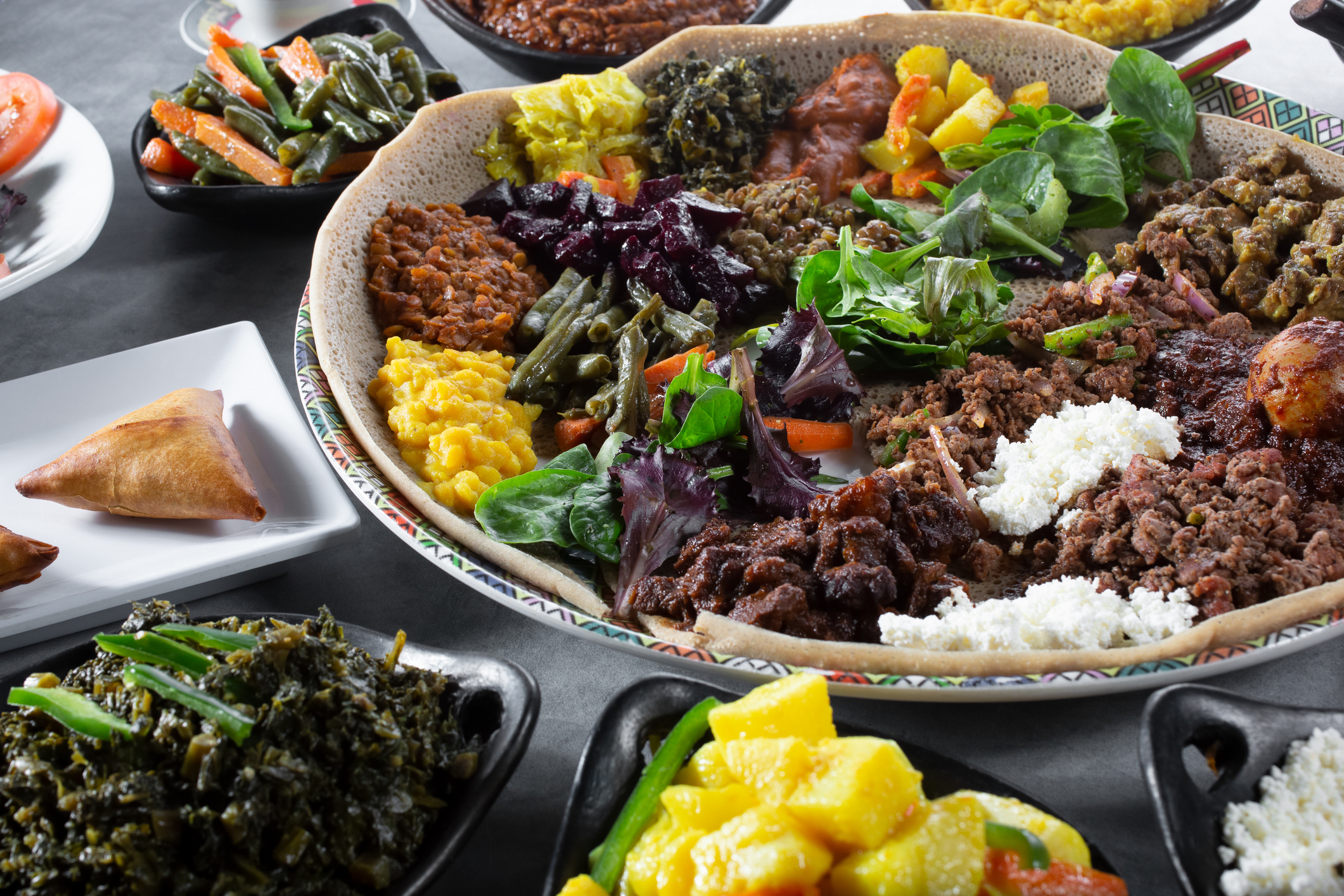
The standard wedding spread includes doro wot (chicken stew in a rich berbere spice sauce, the most celebrated Ethiopian dish), siga wot (beef stew), yebeg wot (lamb stew), various lentil dishes (misir wot, shiro), vegetable sides (gomen, tikil gomen), and kitfo (minced raw or cooked beef seasoned with mitmita spice and niter kibbeh, a spiced clarified butter). Everything is served on a large platter of injera, and guests eat with their hands, tearing off pieces of injera and scooping stews.
The gorsha tradition, where loved ones hand-feed each other, is common at the melsi. The best man and maid of honor feed the bride and groom, and in very traditional celebrations, the couple then feeds their guests. It's a gesture of love and connection that turns the meal into something intimate and communal.
Drinks include sewa (a traditional honey or grain-based wine brewed weeks in advance by family members), mes or tej (honey wine), and areke (a traditional spirit). Many families brew sewa at home in the weeks before the wedding, with women from both families gathering daily to prepare. The sewa bottles are customized with stickers featuring the couple's photos.
For US-based weddings, Ethiopian restaurants and caterers in cities with Habesha communities (the DMV is the largest, followed by Dallas, Minneapolis, Seattle, Columbus, Atlanta, and Denver) can handle wedding catering. Some families prefer to cook the food themselves as a community effort, especially for the melsi, which is a more intimate affair.
The Music and Dancing
Music is the heartbeat of a Habesha wedding. The two days have completely different soundtracks.
Day One features a mix of Western music, Afrobeats, and Ethiopian/Eritrean pop. The DJ plays Teddy Afro, Aster Aweke, Tilahun Gessesse, and contemporary artists alongside English-language music. The first dance, the bouquet toss, and the reception party follow a familiar Western format but with Habesha energy.
Day Two is all traditional. The music shifts to traditional Ethiopian or Eritrean songs, and the dancing shifts to eskista (the Ethiopian shoulder dance) and other regional dances. Eskista is characterized by rapid shoulder movements, chest pops, and neck rolls performed to traditional music. It's captivating to watch and incredibly fun to attempt. Guests form circles and take turns showcasing their best moves. The t'hambele (bridal party dance around the bride) is a highlight where bridesmaids dance with coffee ceremony items.
For the melsi, many families hire a traditional band or a DJ who specializes in Habesha music. In the DMV and other cities with large Habesha populations, DJs who understand the difference between Amharic, Tigrinya, and Oromo music preferences are available. Ask your community for recommendations.
Adapting for the US
Compressed timelines. In Ethiopia or Eritrea, the wedding process can stretch over weeks. In the US, most families compress everything into a long weekend: telosh/helefot on Friday evening, church ceremony and reception on Saturday, melsi on Sunday. This is manageable but requires serious coordination.
Venue considerations. The melsi is ideally held in a more intimate setting than the Day One reception. Many families rent a smaller banquet hall, community center, or church hall for the melsi. Some host it at home if space allows. The telosh/helefot is almost always at the bride's parents' home.
Involving family abroad. Video calls during key moments (the telosh gift presentation, the crowning at church, the t'hambele at the melsi) keep family in Ethiopia or Eritrea connected to the celebration. Many families set up a dedicated phone or tablet for live streaming.
Community cooking. For the melsi especially, family-cooked food is traditional and preferred. In the US, this means the women of both families gathering at someone's home in the days before the wedding to prepare injera, doro wot, and other dishes in bulk. This communal cooking is itself a pre-wedding tradition and an important bonding experience.
The coffee ceremony. The boon (coffee) ceremony is a centerpiece of the melsi, performed by the bride or a female elder. We covered the full setup in our article on the Ethiopian coffee ceremony, including equipment sourcing and venue logistics. If you're planning a melsi, read that guide for the complete breakdown on setting up the jebena buna.
We’re growing the Ethiopian event-planning community on EventAtlas.
Budgeting for a Two-Day Celebration
A full Habesha wedding in the US with both the white wedding (Day One) and melsi (Day Two) typically costs $20,000 to $60,000+, though the range depends heavily on guest count (Habesha weddings routinely hit 200 to 500 guests), venue choices, and how much food is prepared by family versus catered.
Major cost categories: venues for both days ($5,000 to $15,000 total), catering or food supplies for both events ($5,000 to $15,000), attire for both days ($1,000 to $3,000 for the couple), photography and videography ($3,000 to $8,000), DJ and entertainment ($1,500 to $4,000), and the telosh gifts ($1,000 to $5,000 depending on the family).
The community-driven nature of Habesha weddings offsets some costs. Family members contribute food, labor, and sometimes money. The sewa is homemade. The melsi food is often a collective effort. And the emotional investment of the entire community in the celebration means you're never planning alone.
Why It Matters
Habesha weddings in the diaspora carry a weight that goes beyond the couple. Every telosh, every melsi, every jebena buna ceremony performed in a living room in Silver Spring or a banquet hall in Dallas is a deliberate act of cultural preservation. The shimagelewoch who negotiate the marriage are teaching the next generation how families are supposed to come together. The women who brew sewa for weeks are passing down a skill that can't be learned from YouTube. The eskista circles that form at the melsi are keeping a tradition alive in bodies that also know how to dance to Drake.
Hold onto it. Adapt what needs adapting. And throw a wedding so good your grandma in Asmara hears about it through three different WhatsApp groups before you've even cut the cake.
For help finding Ethiopian and Eritrean wedding vendors, caterers, attire shops, and event planners in the US, visit EventAtlas or reach out at hello@tryeventatlas.com.
Related Posts
More reading on themes you might be exploring.
How to Set Up an Ethiopian Coffee Ceremony for Your Wedding or Celebration
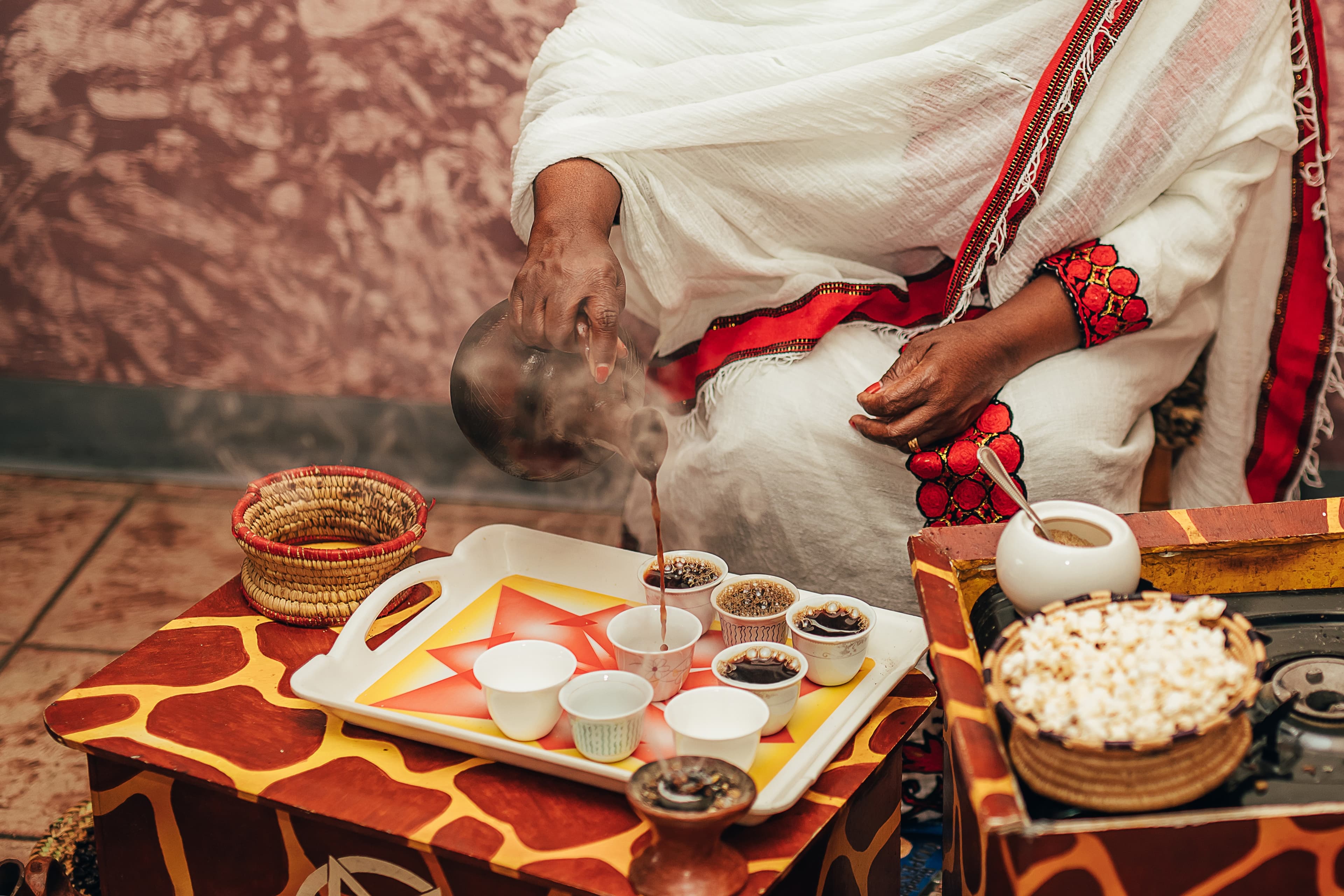
The frankincense is lit, the green beans are roasting, and for 30 minutes nobody in the room is checking their phone. Here's exactly how to set up a traditional jebena buna ceremony at your wedding or celebration, from sourcing the clay pot and green beans to handling venue fire codes.
How to Celebrate Enkutatash (Ethiopian New Year) in the US
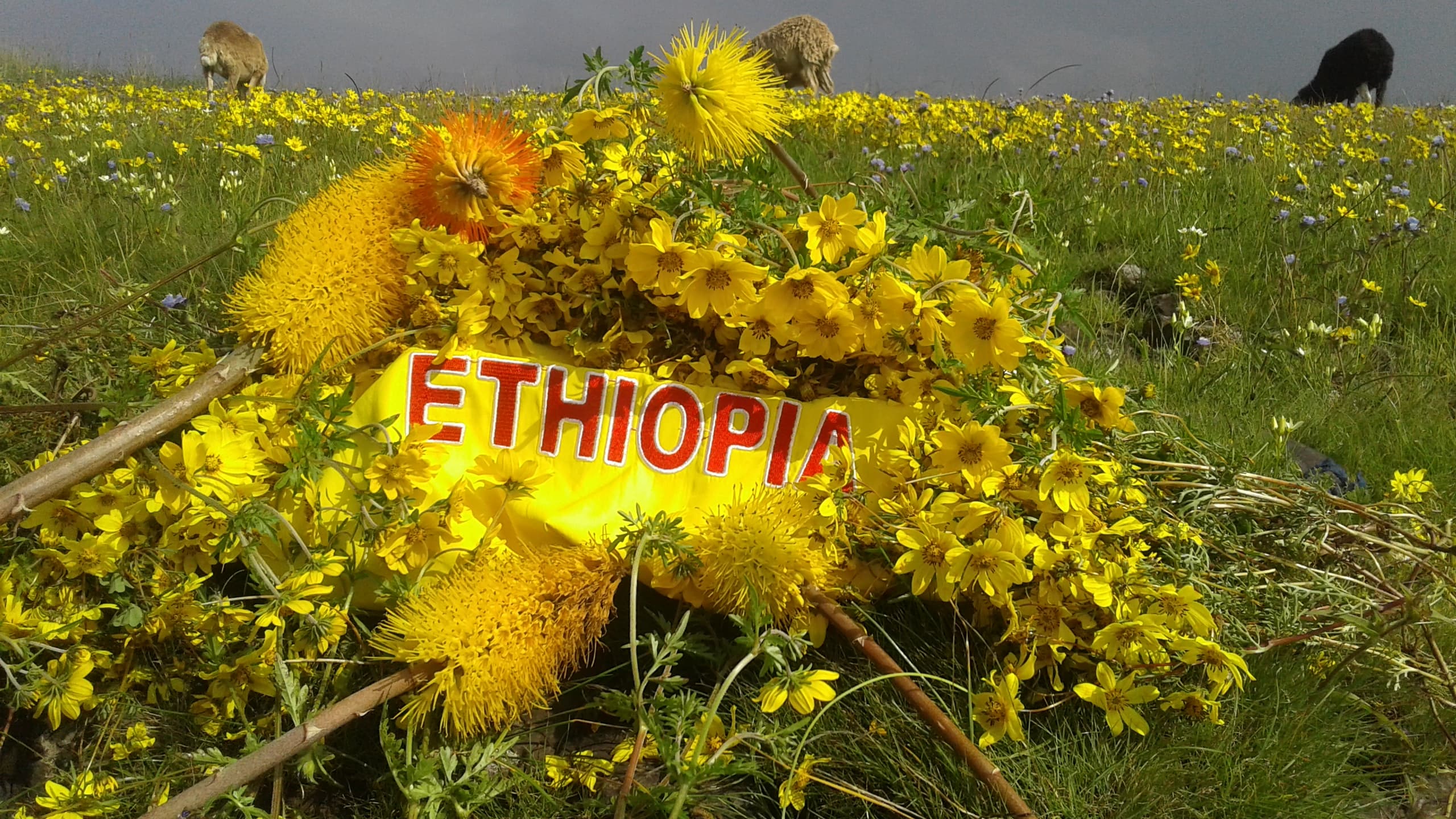
On September 11, 2026, Ethiopia enters the year 2019. Enkutatash, the Ethiopian New Year, means "gift of jewels" and marks the end of the rainy season with yellow flowers, doro wot feasts, and coffee ceremonies that fill the house with frankincense smoke. Here's how the 200,000+ Ethiopian-Americans in the DC area and communities nationwide keep the tradition alive.
Planning a Jamaican Wedding in the US: Traditions Your Guests Will Never Forget
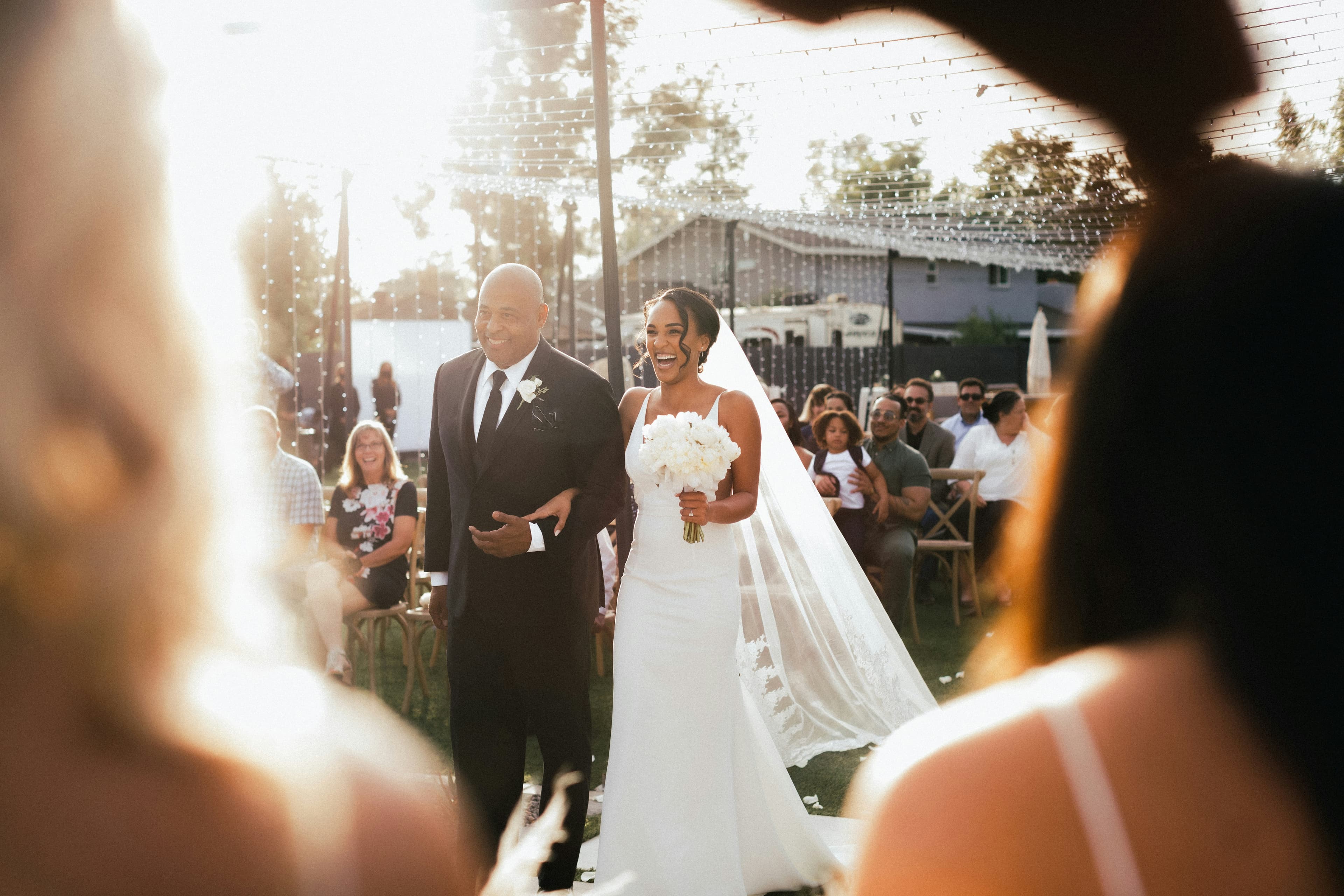
The black cake has been soaking in rum since you got engaged, your auntie claimed the curry goat, and your DJ knows if he doesn't play "Is This Love" at least once your grandmother will unplug his speakers. Here's how to plan a Jamaican wedding in the US: the cake procession, the money dance, the music arc from reggae to dancehall, and why the party doesn't end until Tun T'anks Sunday.
Planning a Cultural Celebration?
Find vendors who understand your traditions and can make your event truly special.
Find Vendors