
The Aso Ebi Tradition: How to Coordinate Fabric for Your Nigerian Wedding Guests
Coordinating matching fabric for dozens of guests scattered across Houston, Atlanta, the DMV, and Lagos is a logistics project that generates more WhatsApp messages than every other wedding decision combined. Here's how to choose the fabric, set pricing, handle distribution, and deal with the sensitive parts like guests who can't afford it.
The Aso Ebi Tradition: How to Coordinate Fabric for Your Nigerian Wedding Guests
You've picked your wedding date, chosen your aso oke for the bridal outfit, and now it's time to tackle the thing that will generate more WhatsApp messages than every other wedding decision combined: the aso ebi.
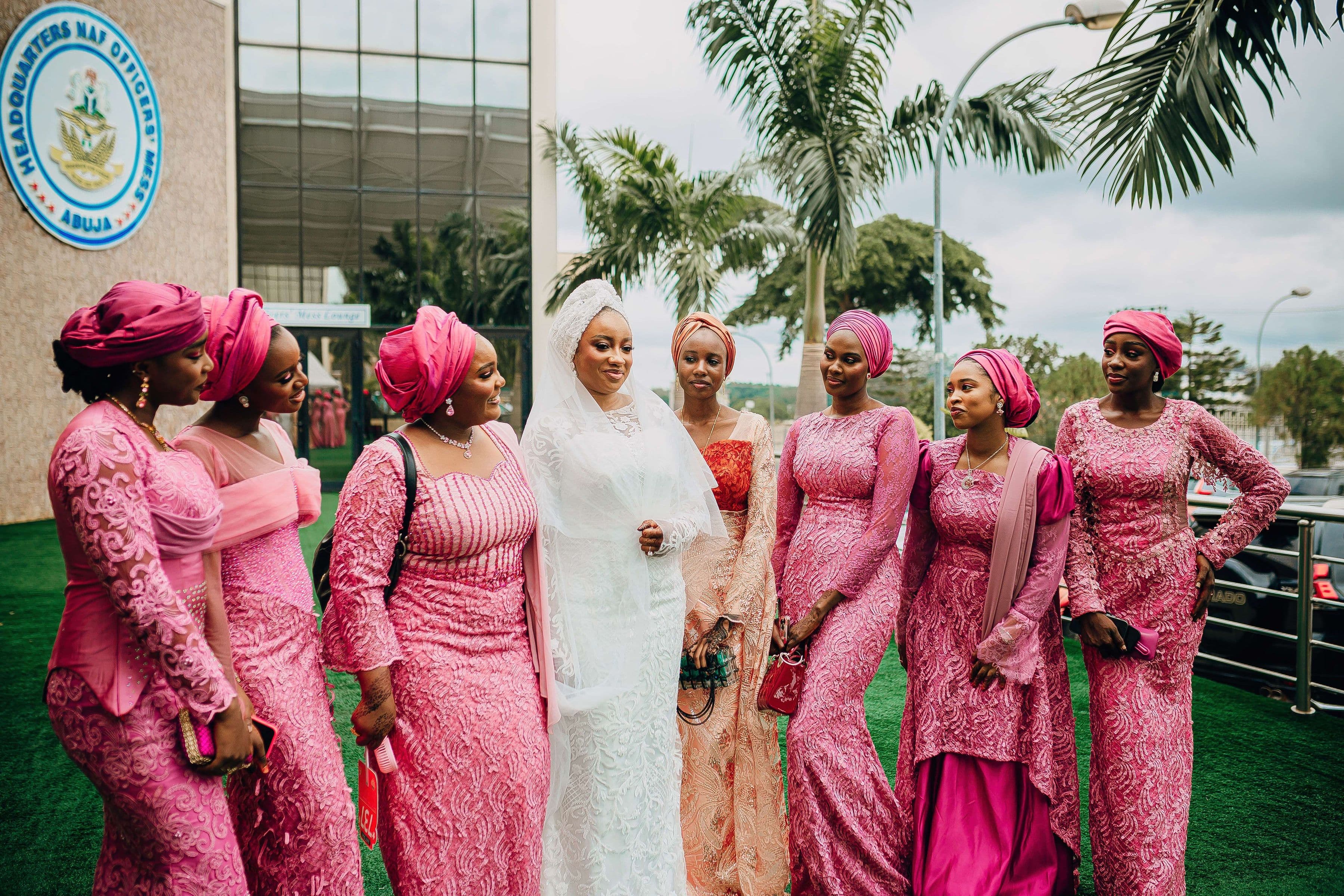
Aso ebi (literally "family cloth" in Yoruba) is the tradition of family and friends wearing coordinated fabric to show unity and support at a celebration. At a Nigerian wedding, it's how you visually identify who belongs to the bride's side, the groom's side, and the inner circle. It's also, for many guests, one of the most exciting parts of being invited, because aso ebi turns every attendee into a participant, not just a spectator. That sea of coordinating emerald green or burgundy lace filling the reception hall? That's aso ebi in action.
But coordinating fabric for dozens (or hundreds) of guests scattered across the US, with different body types, budgets, and access to tailors, is a logistics project that can go sideways fast if you don't plan it well. Here's how to do it right.
How It Works: The Basics
The bride's family selects a specific fabric in a specific color for their side of the wedding. The groom's family does the same in a complementary but distinct color. These two colors become the visual identity of the event. At the wedding, you can immediately tell which side of the family someone belongs to by their fabric.
Close friends and members of the bridal party may get a third, more premium fabric that distinguishes them from the general guest aso ebi. The bride's aso ebi ladies (her inner circle) might wear a different lace or a more elaborate version of the same color to stand out in photos.
Guests are expected to buy their own fabric. The couple (or the couple's family) selects and sources the fabric, then sells it to guests at cost or a slight markup to cover logistics. Each guest receives enough fabric to make one outfit and takes it to their own tailor to have it sewn in whatever style they prefer. That's the beauty of aso ebi: everyone wears the same fabric, but every outfit is unique.
Choosing the Right Fabric
The fabric you choose sets the tone for the entire visual experience. It also determines how much your guests will pay, so this decision has both aesthetic and financial implications.
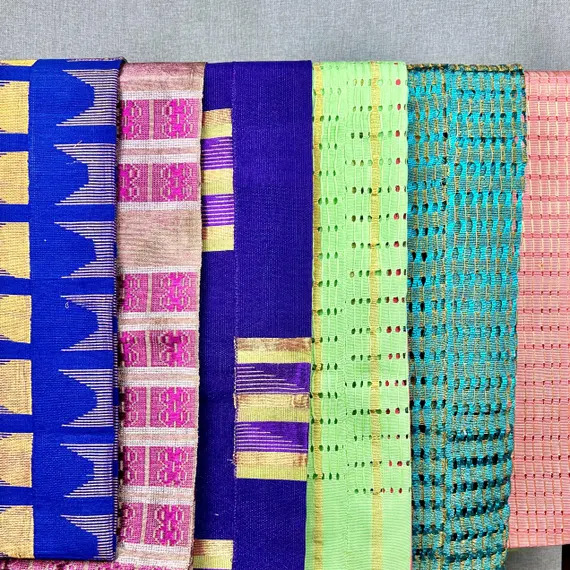
Lace is the most popular choice for Nigerian weddings. French lace is delicate, soft, and luxurious, perfect for a refined, elegant look. Cord lace is thicker and more structured, lending itself to bold, statement designs. Guipure lace has beautiful patterns without a mesh backing, giving it a modern feel. Sequin or beaded lace adds sparkle and is popular for evening receptions. Lace typically costs $10 to $25 per yard when sourced from Nigeria, and a standard women's outfit requires 5 to 6 yards. That puts the guest's fabric cost at $50 to $150 depending on the quality.
Ankara is a budget-friendly and vibrant alternative. These bold, colorful wax-print cotton fabrics are lightweight, breathable, and widely available. Ankara works beautifully for outdoor weddings, daytime events, or couples who want a more casual, colorful vibe. At $8 to $20 per yard for quality prints, ankara brings the per-guest fabric cost down to $40 to $80. High-profile Nigerian weddings have used ankara aso ebi to stunning effect, proving that budget-friendly doesn't mean less beautiful.
Aso oke (hand-woven fabric) is the premium option and is most common for the bridal party or VIP guests rather than the general guest list, since it's significantly more expensive at $30 to $100+ per yard. If you covered aso oke in detail in our earlier article on ordering aso oke from the US, that piece has the full breakdown on types and sourcing.
Velvet, organza, and other fabrics are also used, sometimes in combination with lace. Velvet gives a rich, royal feel and pairs well with colder-weather celebrations. Organza is lightweight and works for dramatic, flowing designs. Many couples choose a lace for women's aso ebi and a complementary cotton atiku or senator fabric for men's outfits.
The Logistics: Coordinating Across the US
This is where most aso ebi coordination either succeeds or falls apart. Your guests are in Houston, Atlanta, the DMV, New York, Dallas, and maybe a few in London and Lagos. Getting everyone the same fabric, on time, in the right quantity, with enough lead time for tailoring, requires a system.
Set Up a Communication Channel
A dedicated WhatsApp group is the standard tool for aso ebi coordination in the Nigerian community. Create separate groups for the bride's side and groom's side. Use the group to share the fabric photo, pricing, payment instructions, and deadlines. Pin the key information so latecomers can find it without scrolling through 200 messages.
Source the Fabric Early
Start sourcing 4 to 6 months before the wedding. If you're ordering from a vendor in Nigeria (which gives you the widest selection and best pricing), factor in 2 to 4 weeks for production or procurement, plus another 1 to 3 weeks for international shipping. If you're buying from a US-based fabric store or vendor, the timeline is shorter, but the selection may be more limited.
When ordering from Nigeria, buy 10 to 15% more fabric than you think you need. Late additions, measurement mistakes, and tailoring errors happen. Having extra fabric in the same dye lot is invaluable. Trying to match a dye lot later is nearly impossible.
Set Clear Pricing and Payment Terms
Be transparent with your guests about what the fabric costs and what the total per-person price includes (fabric, shipping, any markup for logistics). A typical aso ebi cost per guest in the US ranges from $30 to $80 for ankara, $50 to $150 for lace, and higher for premium fabrics. Most coordinators collect payment via Zelle, Venmo, CashApp, or PayPal.
Set a firm payment deadline and stick to it. Late payments create cascading delays: you can't order the fabric until everyone pays, and late fabric orders mean late delivery, which means rushed tailoring. A deadline of 3 to 4 months before the wedding is reasonable.
Distribution: Getting Fabric to Guests
For guests in the same city, a central pickup point (someone's house, or a designated drop-off) is the simplest option. For guests in other cities, you'll need to ship. USPS Priority Mail flat-rate boxes work well for fabric and keep costs predictable.
Some couples designate a family member or friend in each major city as a "distribution hub," receiving a bulk shipment and then distributing locally. This saves on individual shipping costs.
In the diaspora, services like Asoebi Bar in Atlanta and Simply Asoebi (simplyasoebi.com) offer end-to-end aso ebi coordination as a professional service. They handle fabric sourcing, guest communication, payment collection, tailoring coordination, and delivery. If your guest list is large and you don't have a family member willing to project-manage the aso ebi, these services are worth the investment.
Helping Guests Find a Tailor
Once your guests have fabric in hand, they need a tailor. In cities with large Nigerian populations, finding a tailor who can sew iro and buba, a fitted gown, or an agbada from aso ebi fabric is straightforward. In cities without a Nigerian community, it's harder.
Build a short list of recommended tailors and share it in the WhatsApp group. Include at least one tailor in each city where you have a cluster of guests, plus one or two tailors who accept remote orders (measurements and fabric shipped to them). Some couples work with a single tailor to handle all the aso ebi outfits, which creates a more uniform look but requires a tailor with serious capacity.
For men, the styles are more standardized: a senator suit (fitted two-piece native suit), kaftan, or agbada, depending on the formality of the event and the man's preference. These are quicker to sew and less variable in fit than women's designs. Atiku fabric (a lightweight cotton) is the standard men's aso ebi fabric, usually in a color that complements the women's lace.
For women, the style is entirely their choice, which is part of the fun. The fabric is the unifying element; the design is personal expression. Some women go for classic iro and buba, others for a mermaid gown, a peplum top with a pencil skirt, or a jumpsuit. The diversity of styles within the same fabric is what makes aso ebi visually stunning in group photos.
🇳🇬Nigerian Attire & Fashion on EventAtlas
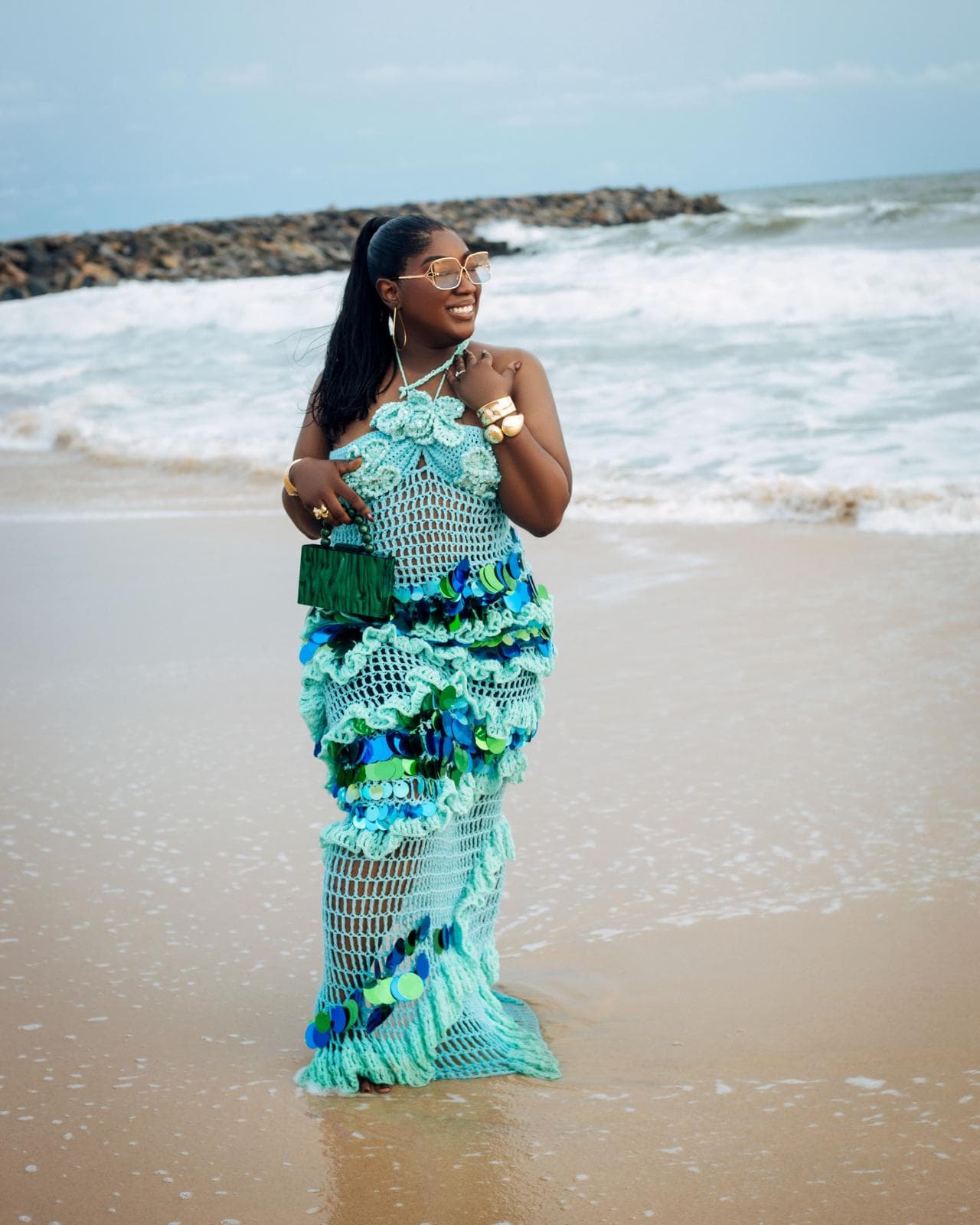
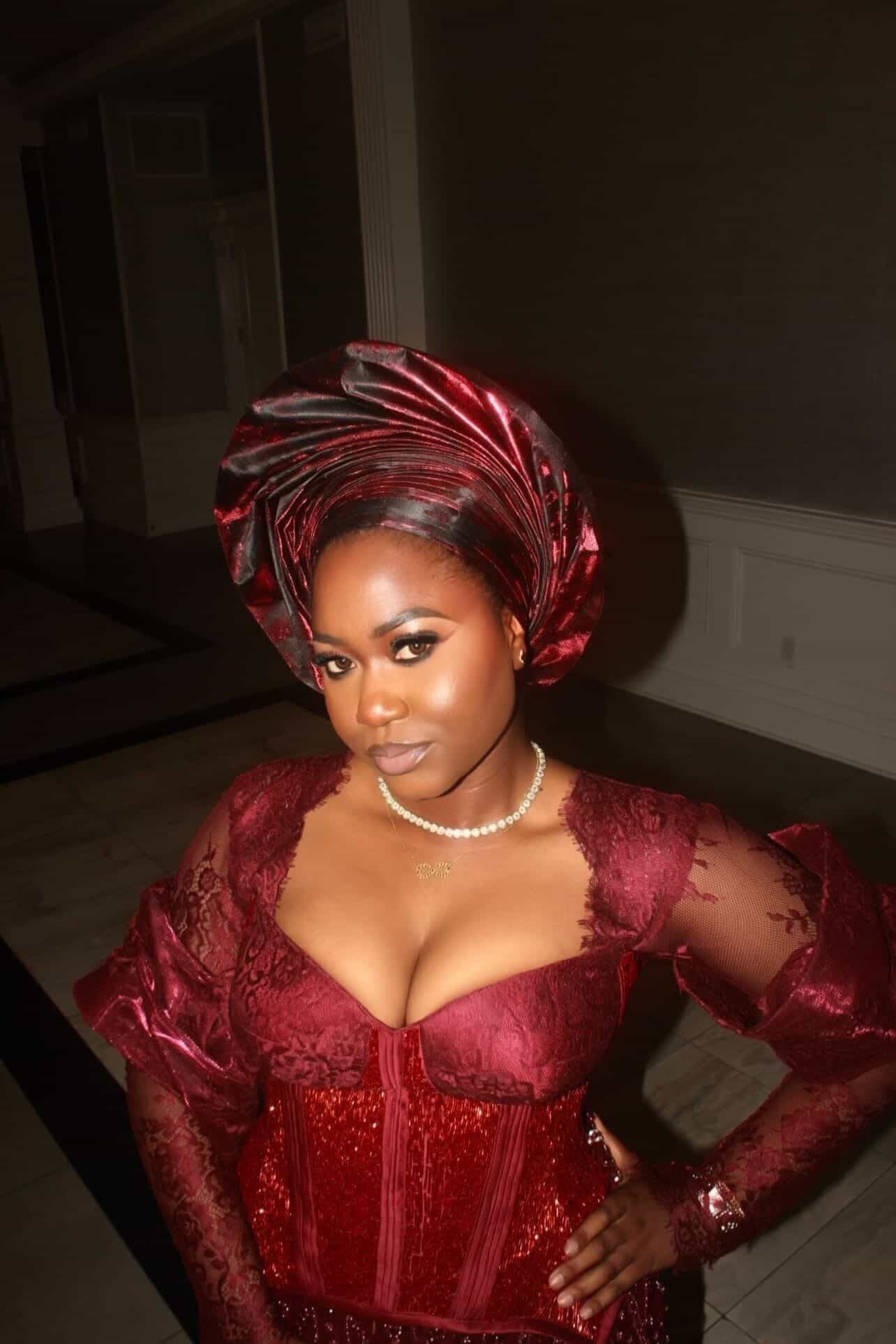
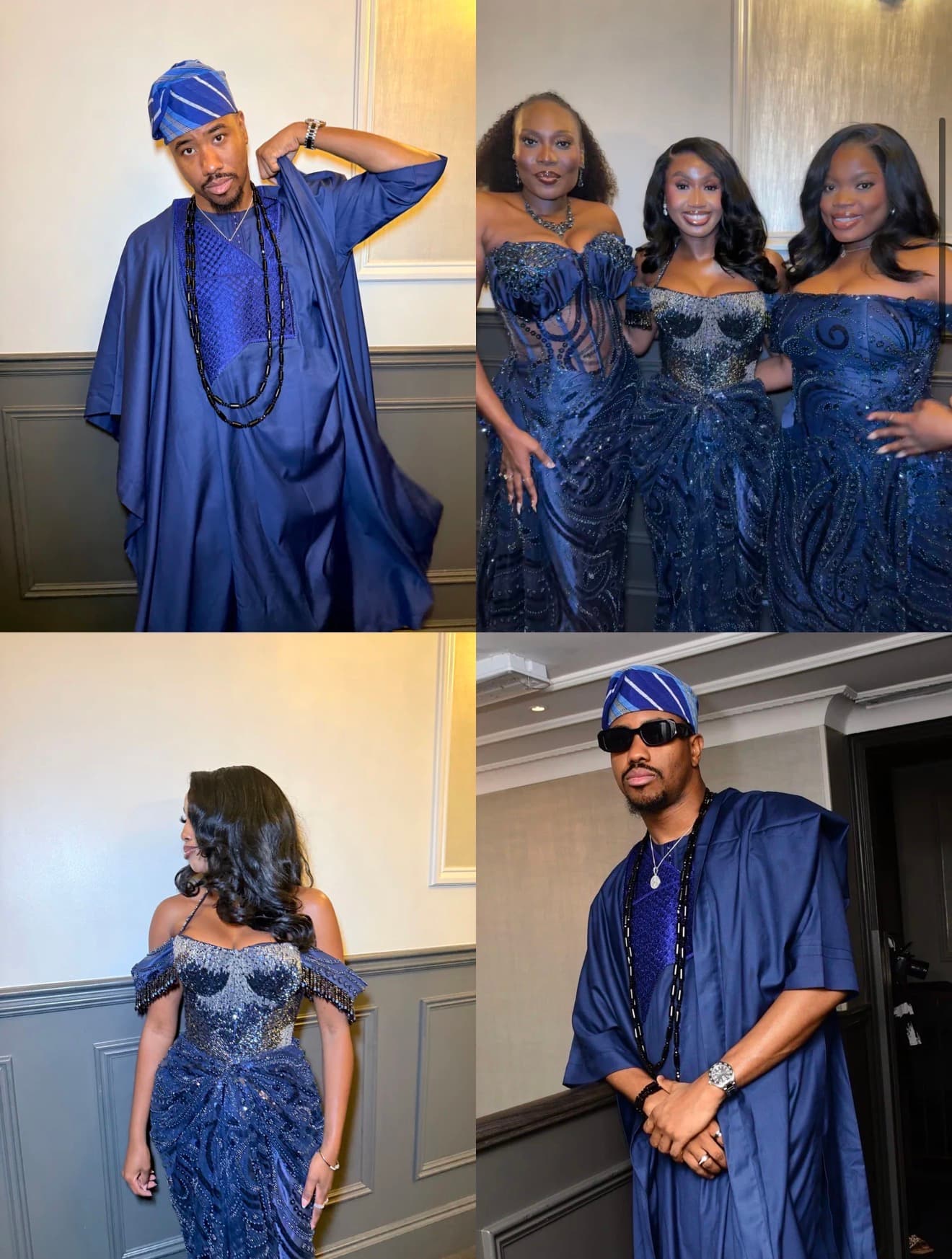
Join the growing Nigerian fashion community on EventAtlas. with a vendor.
Handling the Sensitive Parts
When Guests Can't Afford It
This is a real issue and it deserves honest handling. Aso ebi costs money: the fabric, the tailoring, and accessories (gele, jewelry, shoes) can add up to $150 to $300+ per person. Not every invited guest can comfortably absorb that expense.
The kind thing to do is make aso ebi optional, not mandatory. Make it clear in your communication that you'd love for guests to wear the aso ebi, but that their presence matters more than their outfit. Some couples offer a two-tier system: a premium lace for those who want the full experience and a more affordable ankara option for those on a tighter budget. Both fabrics coordinate in color, so the visual unity is maintained without the price barrier.
Never pressure guests to buy aso ebi. Some families quietly cover the cost for close relatives who can't afford it. This is a private act of generosity, not something that should be announced.
When Non-Nigerian Guests Are Invited
If your guest list includes friends, coworkers, or your partner's family who aren't Nigerian, don't assume they know what aso ebi is. Include a brief, warm explanation with the fabric distribution: what the tradition means, that they're welcome (but not required) to participate, and where they can find a tailor. Many non-Nigerian guests are thrilled to participate once they understand the tradition. It's a way of being included in the cultural experience, and people appreciate being invited into it rather than left on the outside.
For non-Nigerian guests who want to participate but feel unsure about styles, share a few photo references of common aso ebi designs. A simple fitted dress or a tailored suit in the fabric is perfectly appropriate.
The Color Palette Alternative
A growing trend in US-based Nigerian weddings is the "color palette" approach: instead of requiring everyone to buy the exact same fabric, the couple specifies a color (burgundy, emerald, champagne gold) and asks guests to wear any outfit in that color. This maintains the visual coordination without the logistics and cost of distributing fabric. It's especially practical for weddings with a large non-Nigerian guest contingent or when coordination across multiple countries becomes too complex.
The tradeoff is that you lose the distinctive "matching fabric" look that makes aso ebi so visually striking. But for some couples, the reduced stress and inclusivity are worth it.
Timeline for Aso Ebi Coordination
5 to 6 months before: Choose your fabric and color scheme. Source samples and confirm pricing.
4 to 5 months before: Announce the aso ebi to your guest list via WhatsApp group or your wedding website. Share fabric photos, pricing, and payment instructions. Set a payment deadline.
3 to 4 months before: Payment deadline. Place your bulk order with the vendor. If ordering from Nigeria, allow time for shipping.
2 to 3 months before: Distribute fabric to guests. Share tailor recommendations. Guests should have their outfits sewn within 4 to 6 weeks.
1 month before: Check in with the WhatsApp group. Confirm everyone has their outfit. Troubleshoot any last-minute issues (late fabric, tailoring delays, missing accessories).
Wedding week: Everyone shows up looking incredible. The photographer gets those group shots that will live on Instagram forever. Worth every WhatsApp message.
Why It Matters
Aso ebi is more than a dress code. It's a public declaration that these people are your people. Every guest who shows up in that fabric is saying, "I'm here for you, I'm part of this family, and I showed up ready." In the diaspora, where community can feel harder to hold onto, that visual solidarity hits differently. It turns a room full of individuals into a unified celebration.
Get the logistics right, be generous with your guests, and start early. The payoff is a wedding that looks, feels, and photographs like nothing else.
For help finding fabric vendors, tailors, and aso ebi coordinators for your Nigerian wedding, visit EventAtlas or reach out at hello@tryeventatlas.com.
Related Posts
More reading on themes you might be exploring.
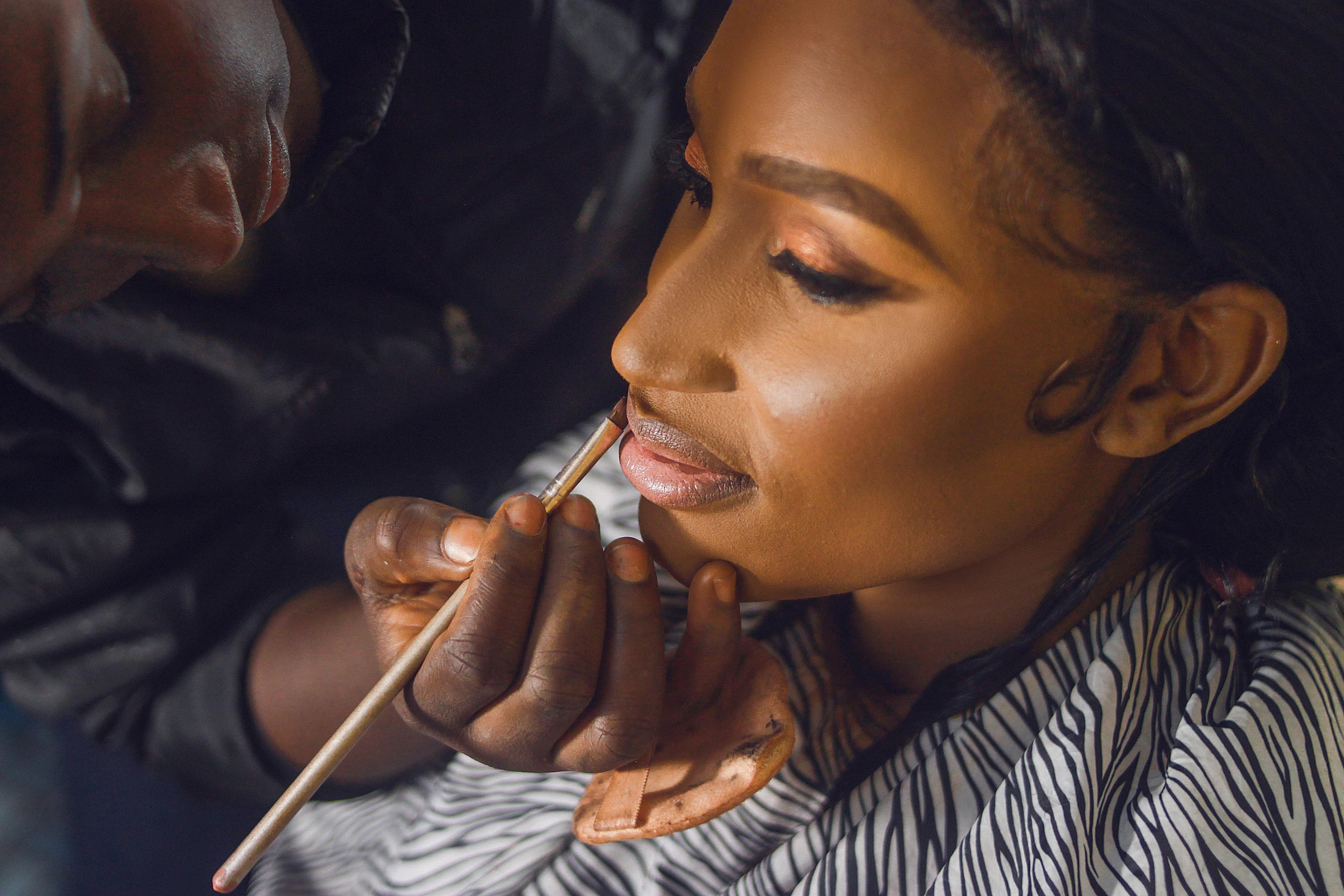
Bridal Makeup for Dark Skin Tones: How to Find an Artist Who Gets It Right
You showed up to the trial and the foundation was two shades too light, the setting powder left white cast in every flash photo, and the artist said "don't worry, it'll look fine." It did not look fine. Here's how to find a makeup artist who actually knows how to work with deep skin tones, what to demand at the trial, and the flash test that reveals everything.
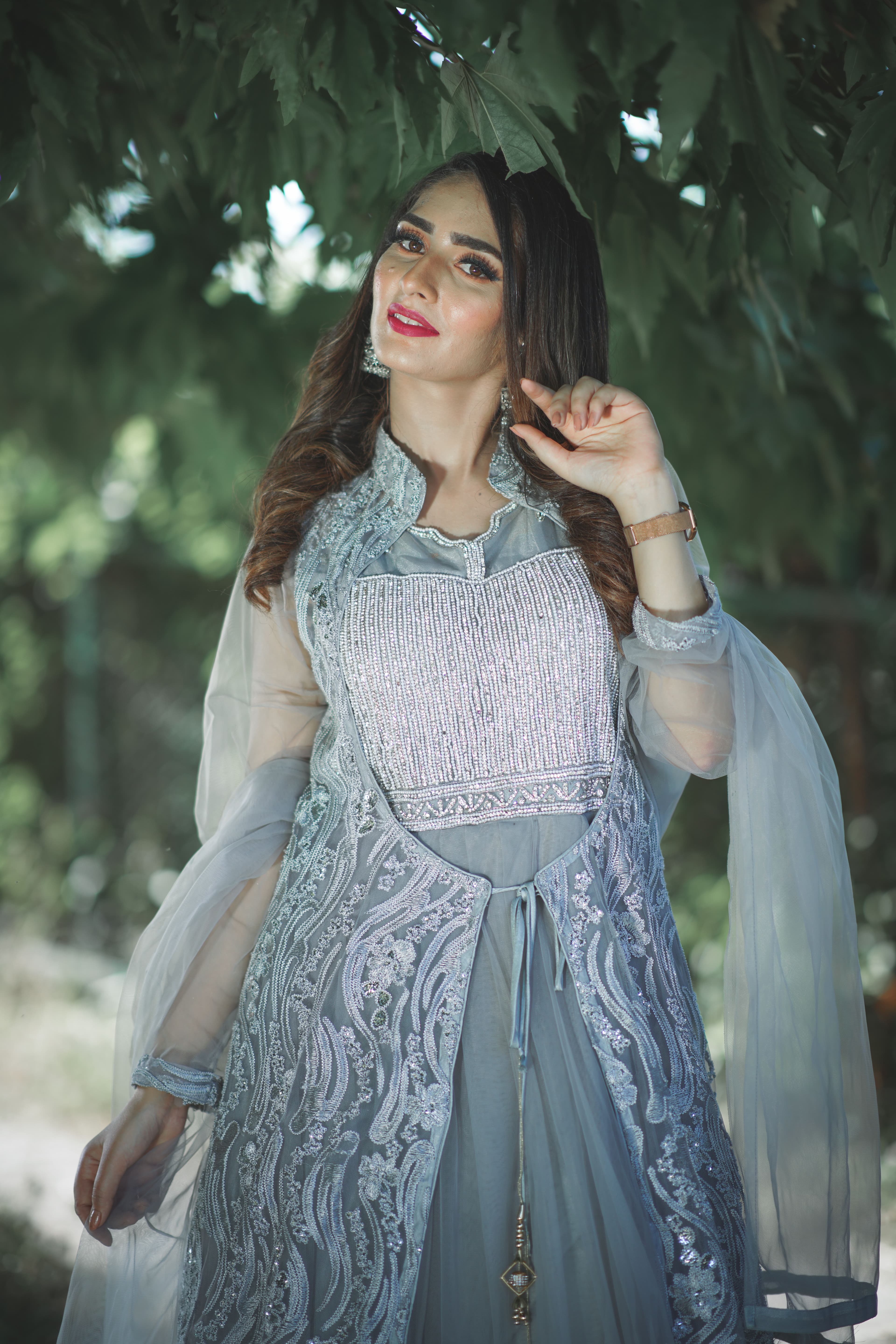
What to Wear to an Indian Wedding as a Non-Indian Guest
You own exactly zero Indian outfits and your entire frame of reference is Instagram. Here's what you actually need to know: the three colors to avoid (red, white, black), what to wear to each event from the mehndi to the reception, why wearing Indian clothing is welcomed and not appropriation, and where to find a stunning anarkali for under $150 in the US.
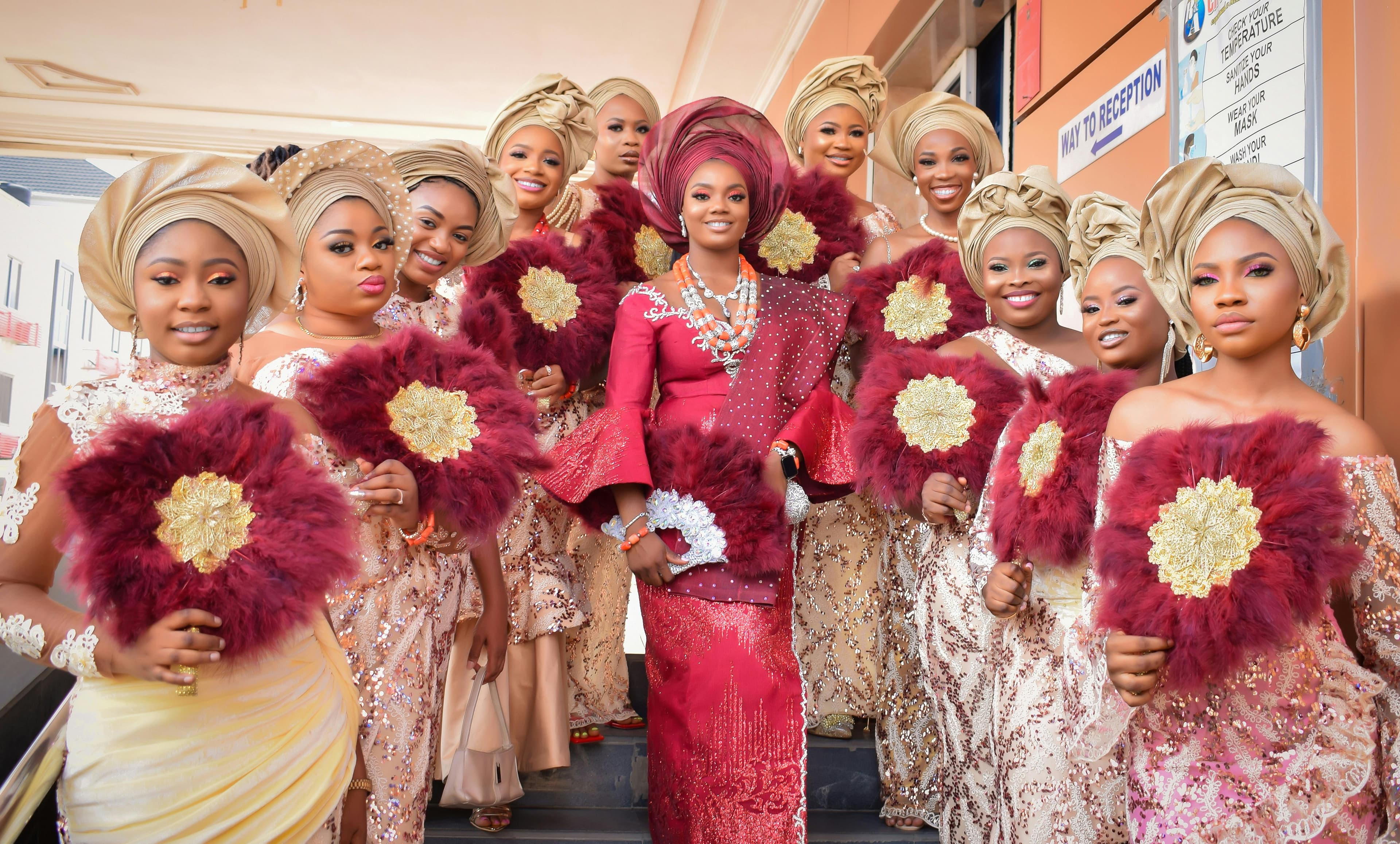
What to Expect at a Nigerian Traditional Wedding: A Guest's Guide
Your coworker just invited you, handed you an aso ebi color swatch, and casually mentioned something about "spraying." Here's everything a first-timer needs to know about attending a Nigerian traditional wedding, from the alaga's comedy routine to the palm wine search to how many singles to bring for the dance floor.
Planning a Cultural Celebration?
Find vendors who understand your traditions and can make your event truly special.
Find Vendors