
What to Wear to an Indian Wedding as a Non-Indian Guest
You own exactly zero Indian outfits and your entire frame of reference is Instagram. Here's what you actually need to know: the three colors to avoid (red, white, black), what to wear to each event from the mehndi to the reception, why wearing Indian clothing is welcomed and not appropriation, and where to find a stunning anarkali for under $150 in the US.
You got the invitation. It's gorgeous, maybe boxed, maybe digital, and it mentions a mehndi on Friday, a sangeet on Saturday night, and a wedding ceremony and reception on Sunday. You own exactly zero Indian outfits and your entire frame of reference for Indian wedding fashion is what you've seen on Instagram. Your first question: what do I wear to this?
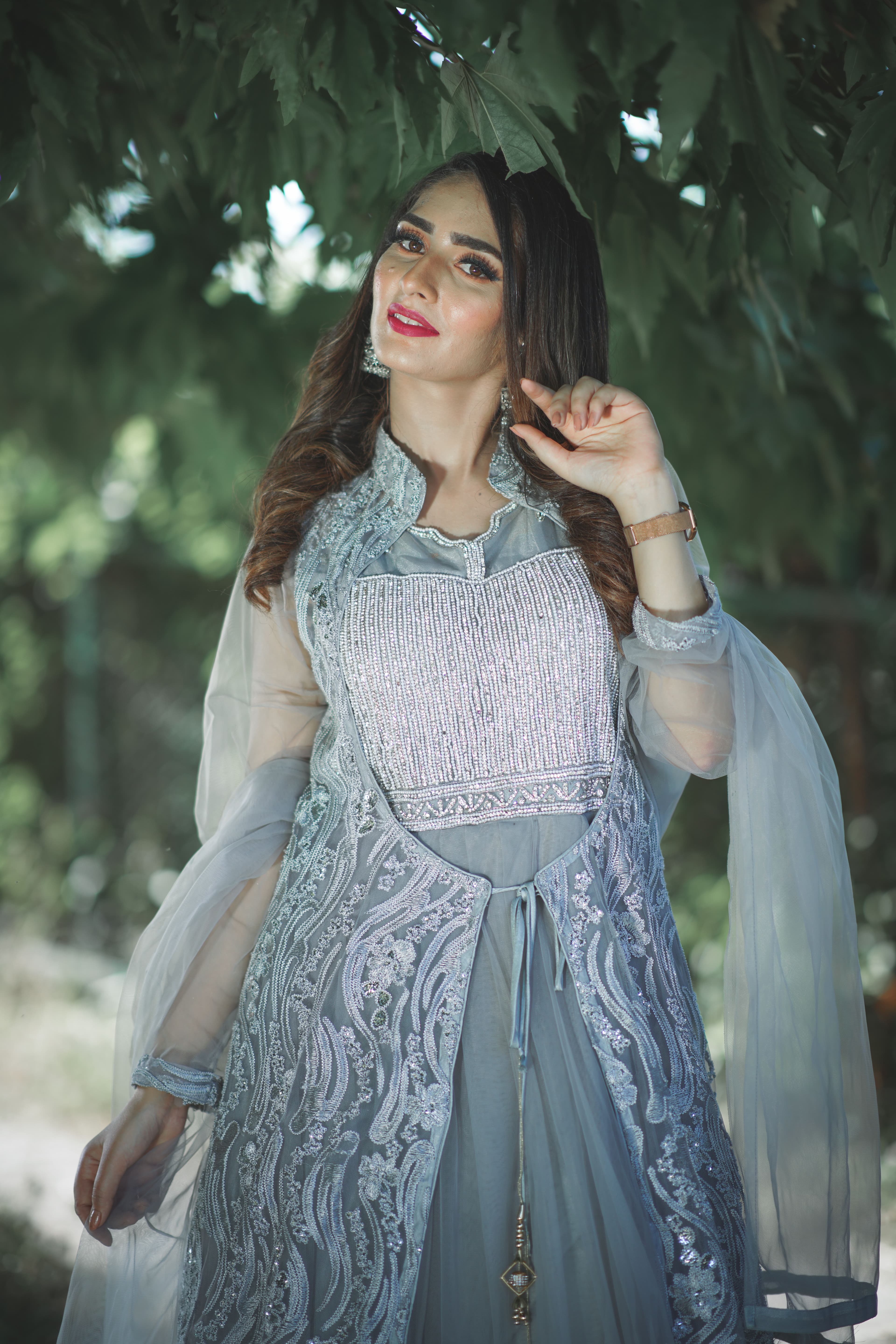
The short answer: color, formality, and effort. Indian weddings are not the place for your reliable little black dress or a khaki suit. They're multi-day celebrations where guests dress in rich, vibrant colors, where the formality level ramps up across events, and where showing up in something that participates in the visual culture of the celebration is one of the most appreciated things a non-Indian guest can do.
The longer answer is below. It covers what to wear to each event, which colors to choose (and which to avoid), whether you should wear Indian clothing (yes, you're welcome to), and where to find it.
The Color Rules: What to Wear and What to Skip
This is the most important section. At an Indian wedding, color isn't decoration. It carries cultural and religious meaning, and wearing the wrong shade sends a message you didn't intend.
Colors to avoid:
Red and maroon. Red is the traditional bridal color in most Hindu weddings. It symbolizes prosperity, fertility, and new beginnings. Wearing red risks visually competing with the bride, which is a bigger deal at an Indian wedding than at a Western one. Softened variations like rust, terracotta, or garnet are generally fine for pre-wedding events, but steer clear of bridal red at the ceremony itself.
White and ivory. White is traditionally associated with mourning and funerals in many Indian cultures. Wearing white to an Indian wedding can read as inauspicious or somber. If you absolutely love a cream or ivory piece, pair it with colorful accessories, bold jewelry, or a bright dupatta so it doesn't read as funeral attire.
Black. Black is considered inauspicious at religious ceremonies in many Hindu traditions. It's more acceptable at evening receptions, especially in a modern or urban context, but if you're unsure, skip it. There are 50 other colors that work better.
Colors to embrace:
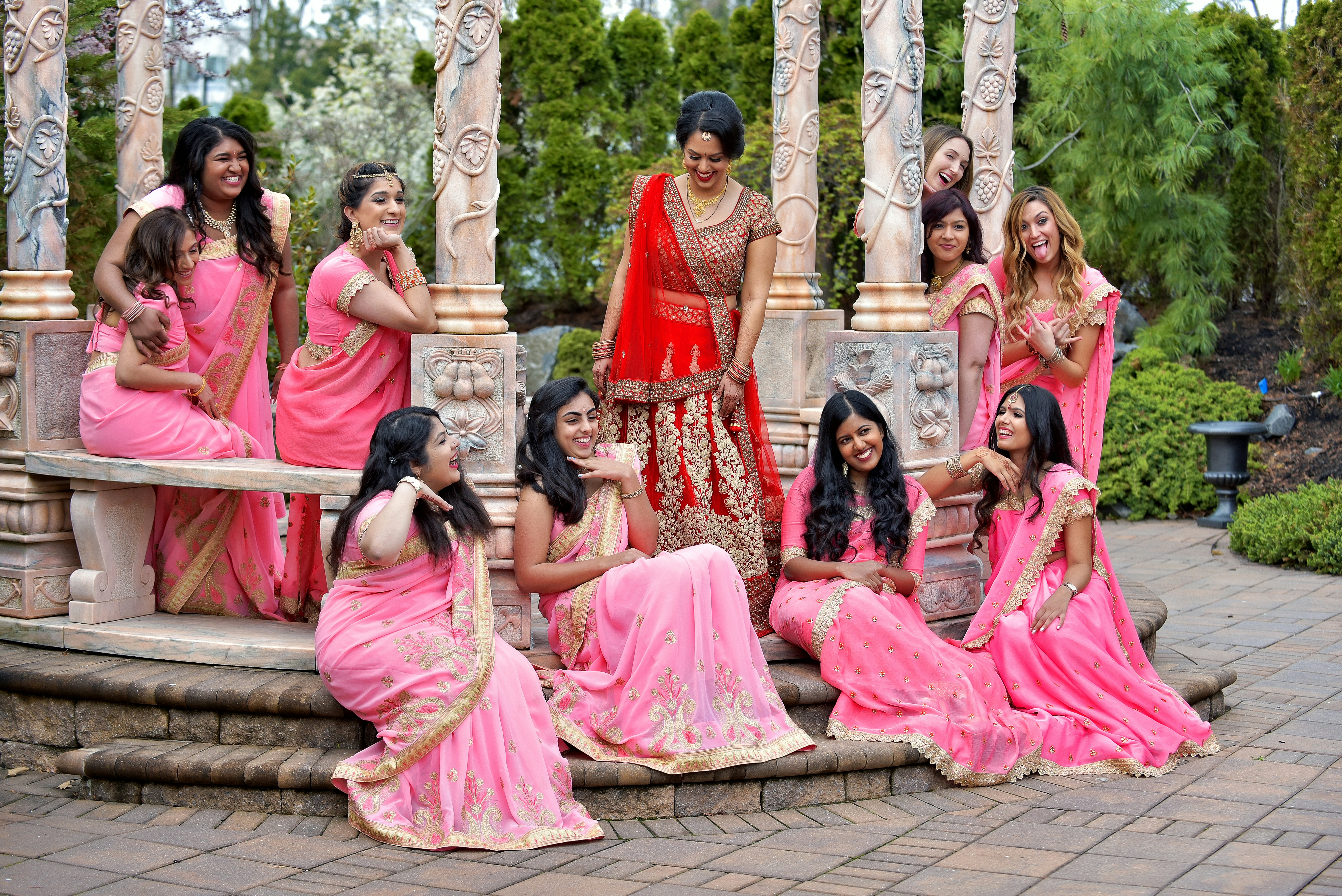
Jewel tones are your safest bet across every event: emerald green, cobalt blue, royal purple, magenta, ruby (not bridal red), and sapphire. These photograph beautifully against Indian wedding decor, feel festive, and signal that you understand the celebratory tone.
Rich warm tones work beautifully too: burnt orange, mustard, coral, fuchsia, and deep pink. These feel right at home in the Indian wedding color palette.
Metallics like gold, champagne, bronze, and rose gold are perfect for evening events, especially the sangeet and reception. Pastels (dusty rose, sage green, lavender, mauve) are lovely for daytime events like the mehndi or an outdoor ceremony.
When in doubt, default to emerald green, royal blue, or deep pink. These three colors work at every Indian wedding event, in every regional tradition, and on every skin tone.
What to Wear to Each Event
Indian weddings span multiple events, each with its own vibe and formality level. You may not be invited to all of them, but here's what to expect for each one.
Mehndi (Henna Ceremony). Usually daytime, often at someone's home or a smaller venue. The mood is relaxed and festive. A colorful midi dress, a flowy maxi dress in a bright print, or a casual salwar suit works perfectly. This is the most low-key event of the wedding week. Think "colorful garden party" energy. If you're attending the haldi ceremony as well, wear something yellow or bright that you don't mind getting turmeric on.
Sangeet (Music and Dance Night). This is the cocktail party of Indian weddings, but louder and with choreographed dances. It's an evening event, so bring the sparkle. A formal cocktail dress, a gown with embellishment, or a dressy jumpsuit all work. This is where metallics, sequins, and statement jewelry fit in. If you've been thinking about wearing Indian attire, the sangeet is the easiest event to try it at because the vibe is festive rather than sacred. Read our sangeet planning guide for a sense of what the evening looks like.
Wedding Ceremony. This is the main event, and it's the most formal. Hindu, Sikh, and Jain ceremonies each look different, but the dress code is consistently formal. A floor-length gown, a dressy maxi, an anarkali suit, or a saree are all appropriate. Cover your shoulders if possible (a shawl or dupatta works). The ceremony may be long (1 to 3 hours for a Hindu wedding), so choose something comfortable enough to sit in. Shoes you can slip on and off easily are wise, as some ceremonies require removing shoes in the mandap area.
Reception. Often the same evening as the ceremony or the following day. This is the party. The formality matches a Western black-tie reception. Floor-length gowns, structured cocktail dresses, or formal Indian attire all work. This is where you can bring the most glamour.
Should You Wear Indian Clothing?
Yes. Full stop. Wearing Indian clothing as a non-Indian guest is not appropriation. It's appreciation, and it's almost universally welcomed and celebrated by South Asian hosts. Indian families genuinely love when non-Indian guests make the effort to wear traditional attire. You'll get compliments, you'll look great in photos, and you'll feel more connected to the celebration.
If you've never worn Indian clothing before, here are the most accessible options:
For women:
Anarkali suit. This is the easiest entry point. An anarkali looks and feels like a long, flowing dress. It's a fitted bodice with a flared skirt that falls to the floor, paired with matching pants (churidar or palazzo) and a dupatta (shawl). It requires no draping skills, no special undergarments, and no learning curve. You put it on like a dress.
Salwar kameez. A tunic top (kameez) with matching pants (salwar) and a dupatta. Comfortable, modest, and available in every color imaginable. This is everyday Indian formalwear and works perfectly for a mehndi, sangeet, or even the ceremony.
Lehenga. A skirt-and-blouse set with a dupatta. More elaborate than a salwar suit, a lehenga is the standard wedding guest outfit for Indian women. For a non-Indian guest, a simpler lehenga (less embroidery, lighter fabric) is a great choice for the ceremony or reception.
Saree. The most iconic Indian garment, but also the most challenging for a first-timer. A saree requires draping (5 to 6 meters of fabric wrapped in a specific way), and if you've never worn one, you'll need help putting it on. If you want to try, ask an Indian friend to help you drape it, or look for pre-stitched or pre-draped sarees that eliminate the draping challenge entirely.
For men:
Kurta-pajama. A long tunic top (kurta) with matching drawstring pants (pajama). This is the easiest Indian outfit for a non-Indian man. It's comfortable, looks great, and is available in standard sizes. Wear it to any event.
Nehru jacket over a kurta. Adds a layer of formality for the ceremony or reception. The structured jacket with a mandarin collar gives a polished look.
Sherwani. The most formal option, typically reserved for the ceremony or reception. If you're in the wedding party or want to go all out, a sherwani is the move.
🇮🇳Indian Attire & Fashion on EventAtlas
Join the growing Indian fashion community on EventAtlas. with a vendor.
Where to Find Indian Clothing in the US
You don't need to fly to Delhi. Indian formalwear is available across the US, both in stores and online.
In-store shopping. If you're near Edison/Iselin, NJ (Oak Tree Road), Jackson Heights, NY, or Devon Avenue in Chicago, you'll find dozens of South Asian boutiques with guest-appropriate outfits. Staffs at these stores regularly help non-Indian customers and can guide you on fit, style, and event-appropriateness. Many boutiques in these areas mentioned in our Indian bridal lehenga guide also carry guest-level outfits at lower price points.
Online options. RAAS The Global Desi (raastheglobaldesi.com) offers Indian formalwear in US sizing (XS to XXL) with free alterations and fast shipping from Chicago. Prices start under $100 for guest-appropriate pieces. Lashkaraa, Andaaz Fashion, and KALKI Fashion all ship to the US with a range of price points.
Rental. If you'd rather not buy, rental services like Rented.com and Armoire carry some South Asian formalwear. Indian clothing rental groups on Facebook (search "Desi outfit rental" plus your city) are another option.
Pricing. A guest-appropriate salwar suit or anarkali runs $50 to $200 online. A lehenga suitable for a wedding ceremony guest runs $100 to $400. A men's kurta-pajama set is typically $40 to $150. You don't need to spend a lot; you just need to show up in color and care.
Accessories and Finishing Touches
Indian wedding style is maximalist. More jewelry is more. Statement earrings, stacked bangles, a bold clutch, and embellished shoes all fit the aesthetic. If you're wearing Western attire, Indian-inspired accessories (jhumka earrings, bangles, a silk clutch) bridge the gap between your outfit and the celebration's visual language.
Bindi is a personal choice. Some non-Indian guests wear a decorative bindi as a fashion accessory at Indian weddings, and it's generally well-received. If you're unsure, skip it; nobody will notice its absence.
Shoes should be comfortable and easy to remove. Many Indian wedding ceremonies, especially those at temples or at home, require guests to remove shoes. Strappy heels you can kick off quickly are better than lace-up boots.
What Not to Do
Don't underdress. This is the most common mistake. An Indian wedding is not a "garden party" or a "cocktail casual" event. The formality level for the ceremony and reception is equivalent to black tie. If you're unsure, overdress. Nobody at an Indian wedding will think you tried too hard.
Don't wear all black to the ceremony. Save it for the reception if you must. A bright scarf or colorful jewelry can soften an all-black look, but at the ceremony itself, choose color.
Don't assume one outfit is enough. If you're attending multiple events over multiple days, you need multiple outfits. At minimum: one for the mehndi/sangeet (can be the same outfit if the events are on the same day) and one for the ceremony/reception.
Don't panic. Here's the most reassuring truth about Indian wedding guest attire: the couple invited you because they want you there. Any thoughtful effort to dress appropriately will be warmly received. Nobody expects you to arrive in a perfectly draped Banarasi saree with coordinating bangles. They expect you to show up in color, make an effort, and enjoy yourself. Everything else is bonus.
The One-Minute Cheat Sheet
Going to the mehndi or haldi? Colorful, casual, flowy. Think bright sundress or cotton salwar suit.
Going to the sangeet? Sparkle, metallics, party-ready. Think cocktail dress with embellishment or a dressy anarkali.
Going to the ceremony? Floor-length, formal, covered shoulders. Think jewel-tone gown or lehenga.
Going to the reception? Glamour. Think your most formal outfit in your richest color.
Universal rules: No white, no black, no bridal red. Yes to jewel tones, metallics, and bold colors. Yes to Indian clothing if you want to try it. Yes to more jewelry than you'd normally wear. And yes, you're going to have the time of your life.
For help finding Indian attire vendors, beauty artists, and other wedding-related services, visit EventAtlas or reach out at hello@tryeventatlas.com.
Related Posts
More reading on themes you might be exploring.
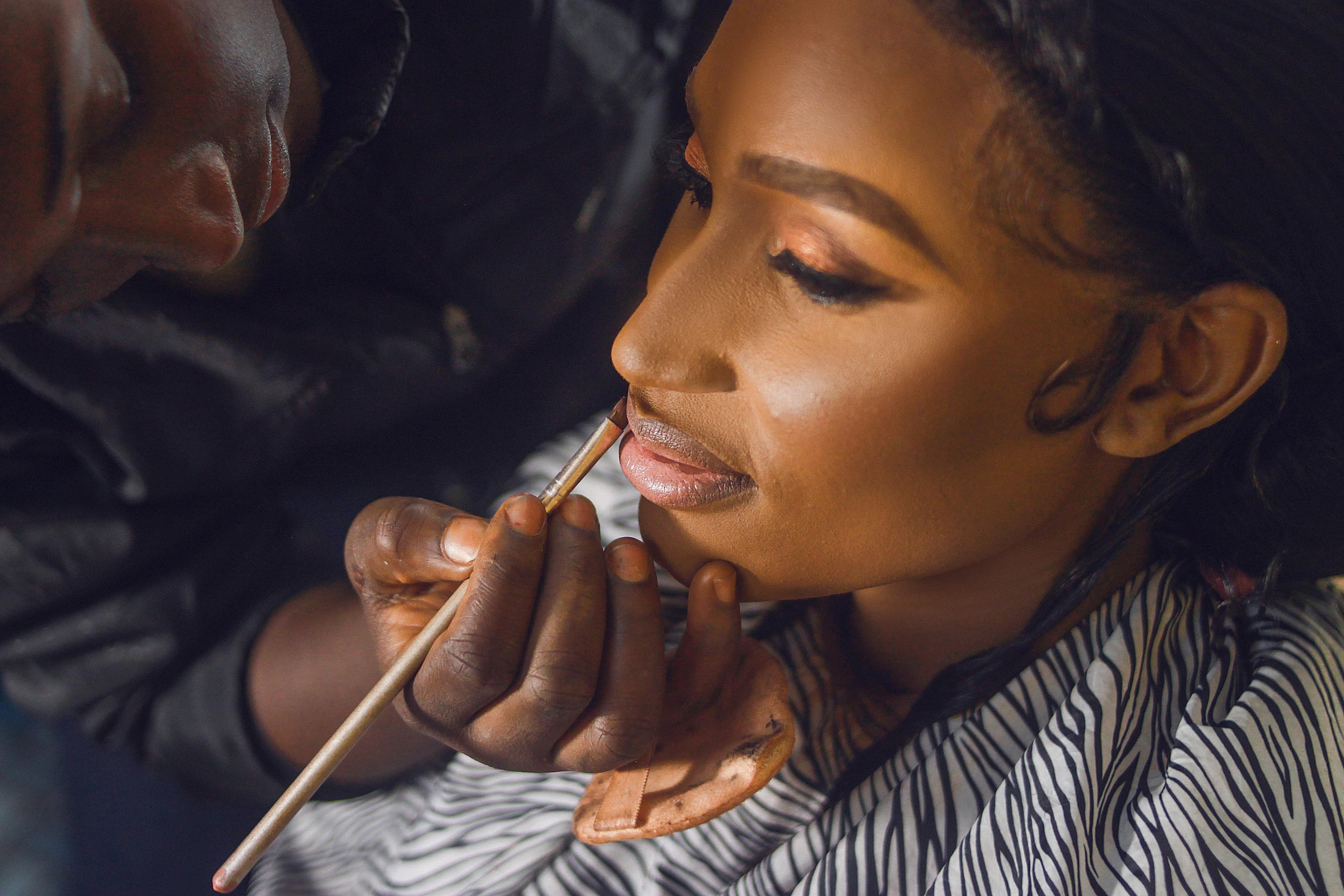
Bridal Makeup for Dark Skin Tones: How to Find an Artist Who Gets It Right
You showed up to the trial and the foundation was two shades too light, the setting powder left white cast in every flash photo, and the artist said "don't worry, it'll look fine." It did not look fine. Here's how to find a makeup artist who actually knows how to work with deep skin tones, what to demand at the trial, and the flash test that reveals everything.
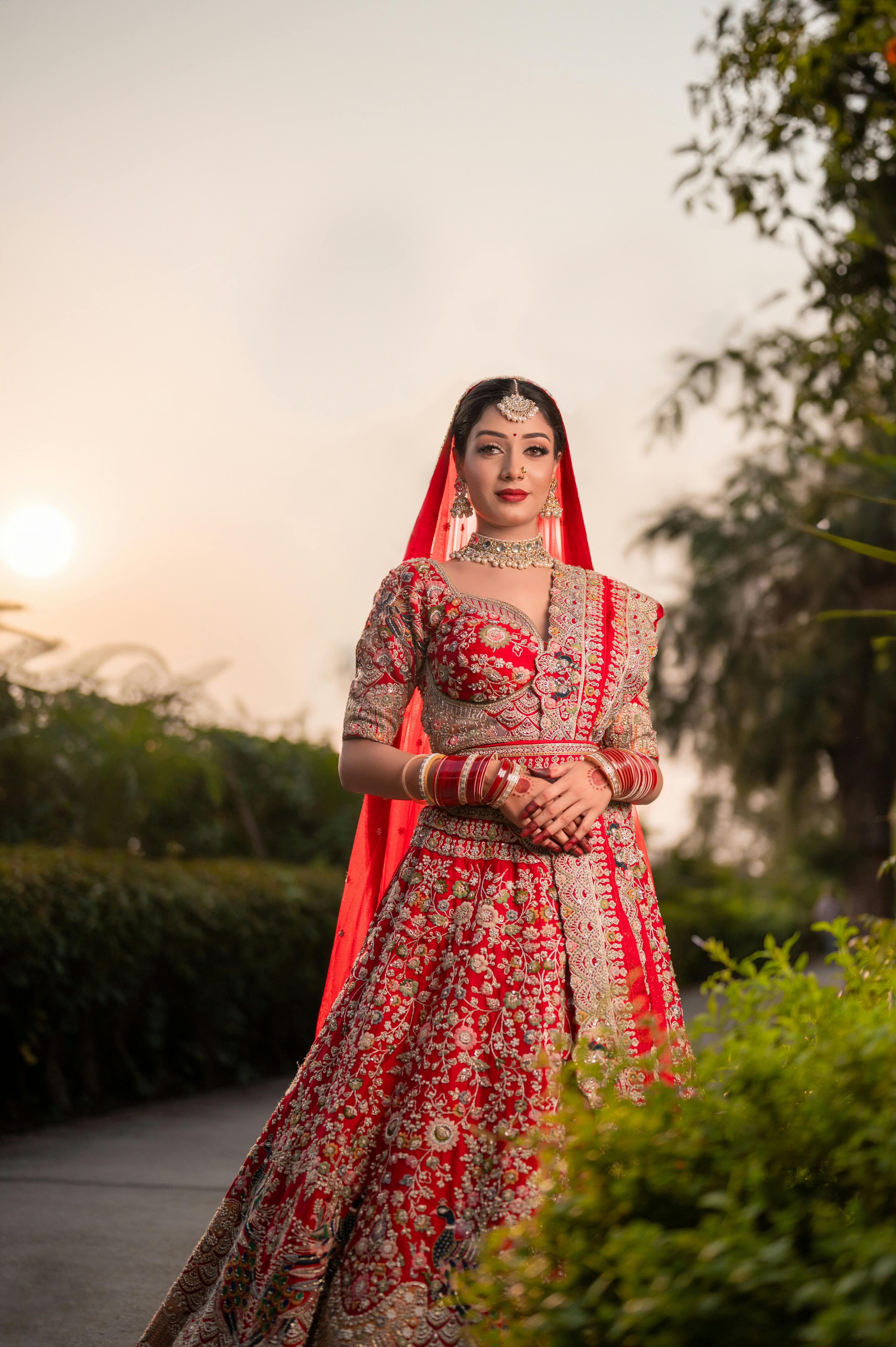
How to Find the Right Lehenga as an Indian Bride in the US
You're in New Jersey, not Chandni Chowk, but you still want a bridal lehenga that makes you cry when you see yourself in the mirror. Here's where US-based brides actually shop, what each route costs from $500 to $15K+, and how to get the fit right when you're ordering from 8,000 miles away.
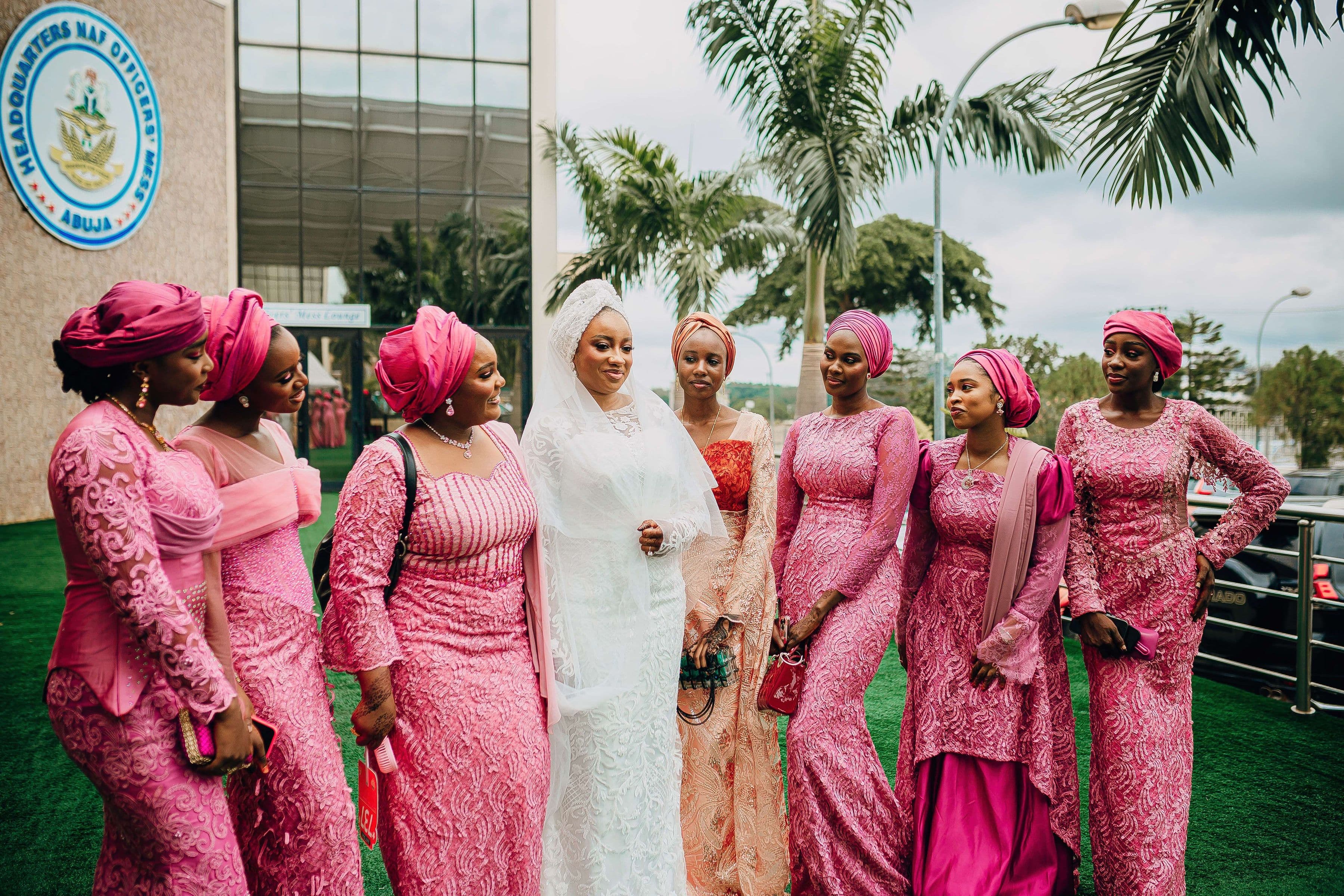
The Aso Ebi Tradition: How to Coordinate Fabric for Your Nigerian Wedding Guests
Coordinating matching fabric for dozens of guests scattered across Houston, Atlanta, the DMV, and Lagos is a logistics project that generates more WhatsApp messages than every other wedding decision combined. Here's how to choose the fabric, set pricing, handle distribution, and deal with the sensitive parts like guests who can't afford it.
Planning a Cultural Celebration?
Find vendors who understand your traditions and can make your event truly special.
Find Vendors