
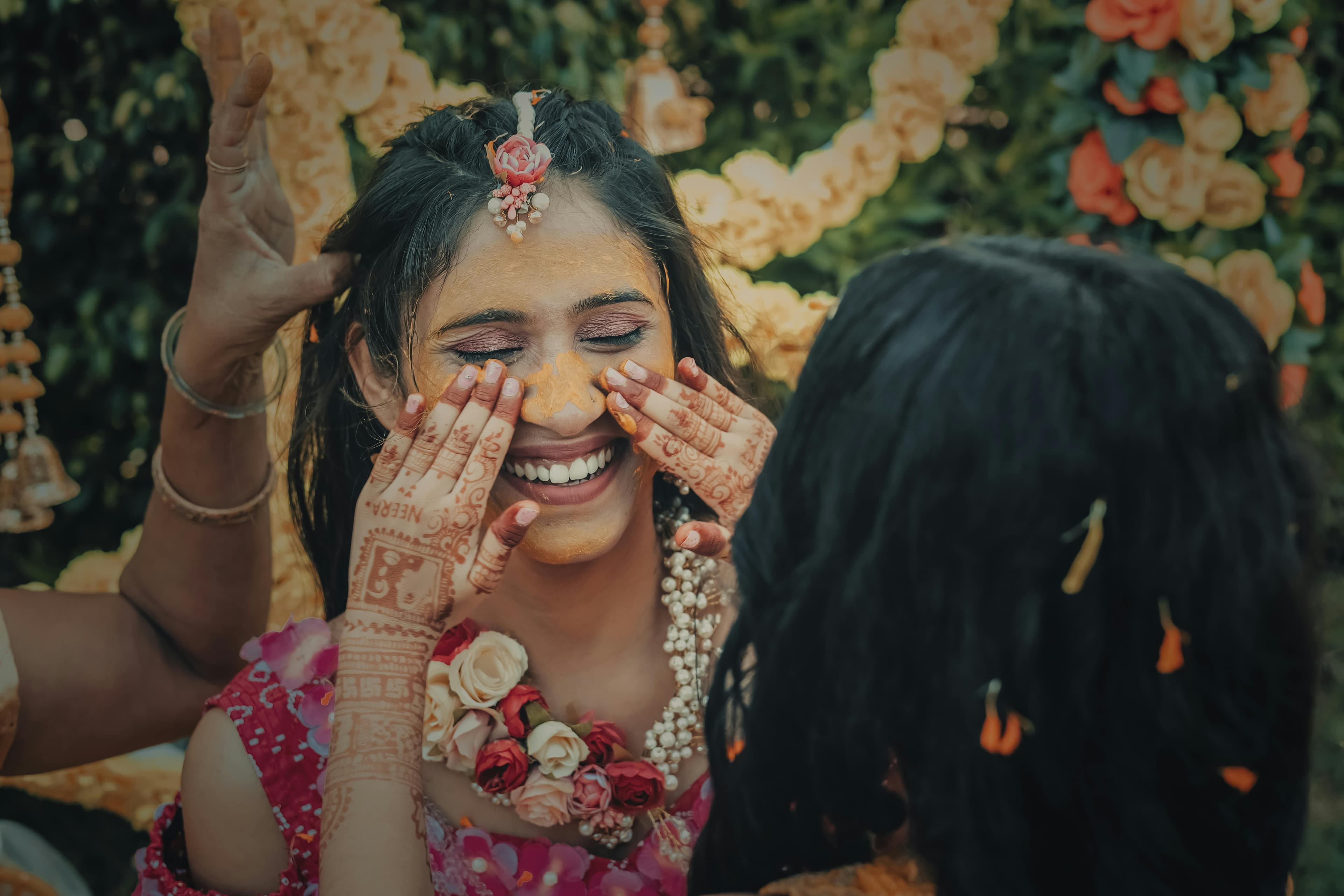
How to Plan a Haldi Ceremony That Actually Looks Good (Without Staining Everything)
The haldi is supposed to be the fun one, until the turmeric stains your aunt's marble countertop and the paste runs out halfway through. Here's how to pull off the most photogenic pre-wedding event: the right paste recipe, a stain prevention strategy, $100-to-$400 DIY decor that actually looks good, and the photography tips that capture the golden chaos.
The haldi is supposed to be the fun one. No strict rituals, no three-hour ceremony, no seating chart drama. Just your closest people smearing turmeric paste on you while everyone laughs, dances, and takes photos in the golden chaos.
And then reality sets in. The turmeric stained your aunt's white marble countertop. Someone's silk outfit is permanently yellow. The paste dried out halfway through because nobody made enough. And the photos, while joyful, have a backdrop of folding chairs and a bare wall.
With a little planning, your haldi can be the most photogenic, fun, and stain-managed event of your wedding week. Here's how to pull it off in the US, whether you're hosting at home, in a backyard, or at a venue.
What the Haldi Ceremony Actually Is
The haldi (also called pithi, ubtan, mandha, or tel baan depending on your regional tradition) is a pre-wedding ritual held the morning of or the day before the wedding. Close family members and friends apply a turmeric-based paste to the bride's and groom's face, neck, hands, and feet. Traditionally, the paste is applied using mango leaves, though many families just use their hands.
The ceremony symbolizes purification, blessing, and protection. Turmeric is considered auspicious in Hindu culture: it represents fertility, prosperity, and good luck, and its antibacterial and anti-inflammatory properties are believed to give the couple a natural glow before the wedding day. After the paste is applied, the couple is bathed in water infused with turmeric and flower petals, washing away impurities and preparing them for the sacred ceremony to come.
In practice, the haldi starts reverent and ends playful. It usually begins with the eldest married women applying paste to the bride (or groom), followed by other relatives, and then friends. By the second round of applications, someone has smeared paste across the groom's entire face, the music is blasting, and half the guests are covered in yellow. That escalation is the tradition.
The Paste: Get This Right
The turmeric paste is the centerpiece. Get the recipe wrong and you'll either stain everyone's skin for days or end up with a paste that's too runny to apply properly.
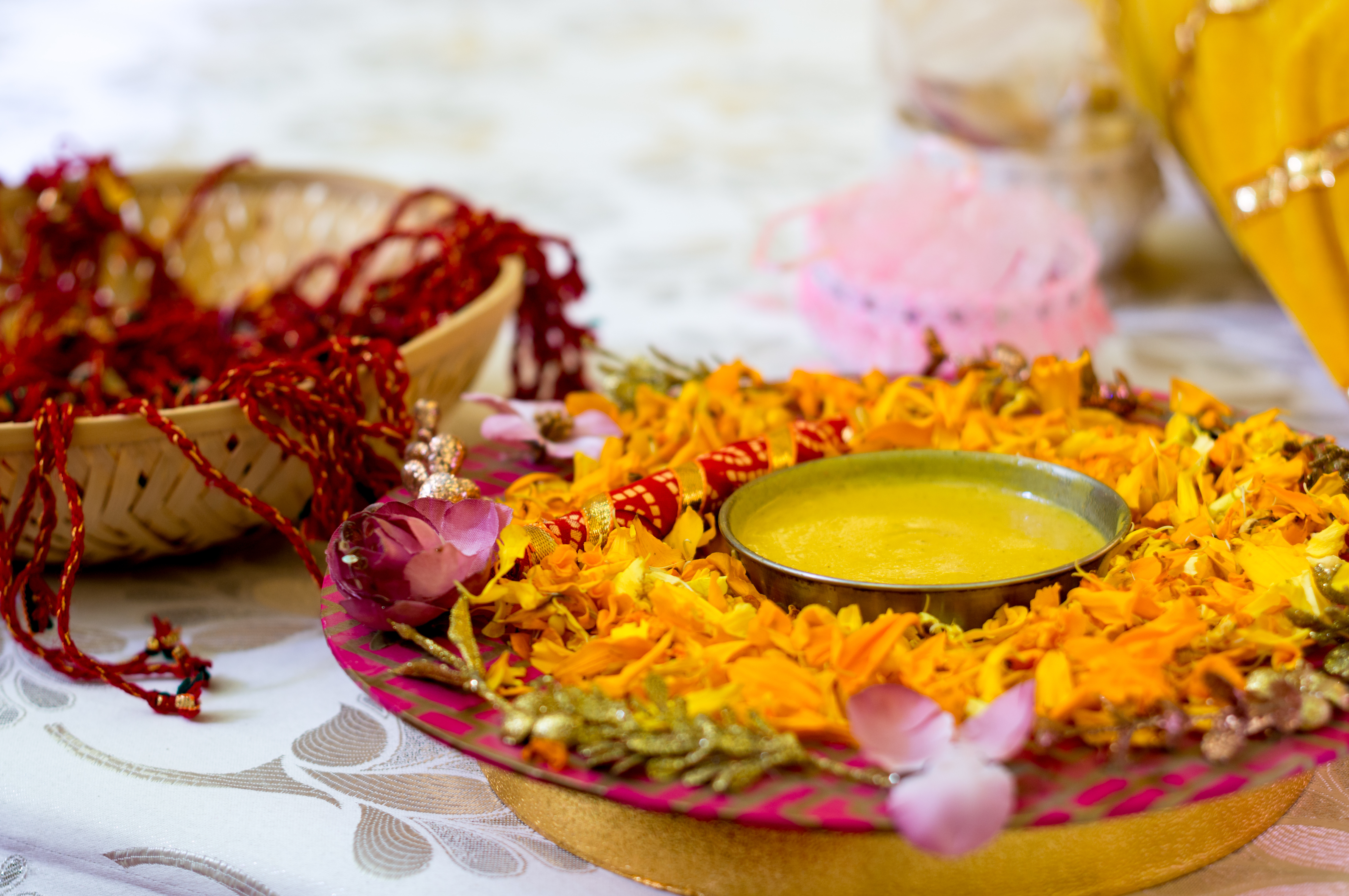
The basic recipe: Mix turmeric powder (2 to 3 tablespoons), sandalwood powder (1 tablespoon), rose water (enough to form a smooth paste), and a splash of raw milk or cream. Some families add gram flour (besan) for a thicker consistency, mustard oil for smooth application, or a few threads of saffron for fragrance.
For sensitive skin: Use kasturi manjal (wild turmeric) instead of regular cooking turmeric. It's gentler, doesn't stain as aggressively, and has a natural fragrance. You can find kasturi manjal at Indian grocery stores in the US or order it from Amazon. Do a patch test on the bride's skin at least a week before the ceremony to check for reactions.
How much to make: This is where most families underestimate. For a 30-person haldi, you'll need roughly 4 to 6 batches of the above recipe. Make the paste fresh the morning of the ceremony for the best texture and fragrance. Assign someone (ideally not the bride or groom) to manage paste preparation and refills.
What not to use: Don't use the standard turmeric powder you cook dal with for the bride's face unless you want bright yellow stains that last days. Cosmetic-grade turmeric or kasturi manjal is worth the small extra cost.
Protecting Your Space (The Stain Strategy)
Turmeric stains everything. Fabric, skin, marble, tile grout, wood. If you're hosting at home or at a venue you don't want to damage, preparation is non-negotiable.
Floors: Lay down a tarpaulin, plastic sheeting, or old bedsheets over the entire ceremony area. This is the single most important protective step. Turmeric on marble or hardwood is a nightmare to remove. Cover generously and tape down the edges so they don't bunch up.
Furniture: Remove or cover anything upholstered within splashing distance. Use plastic-wrapped chairs or rent plastic garden chairs for seating. If you're using cushions for floor seating (which looks great in photos), use old cushions with covers you don't mind staining, or buy inexpensive yellow cushion covers that match the theme.
Walls: If you're near a light-colored wall, hang a fabric backdrop or plastic sheeting. Turmeric paste gets flung around once the playful phase kicks in, and yellow splatters on a white wall are hard to explain to a landlord.
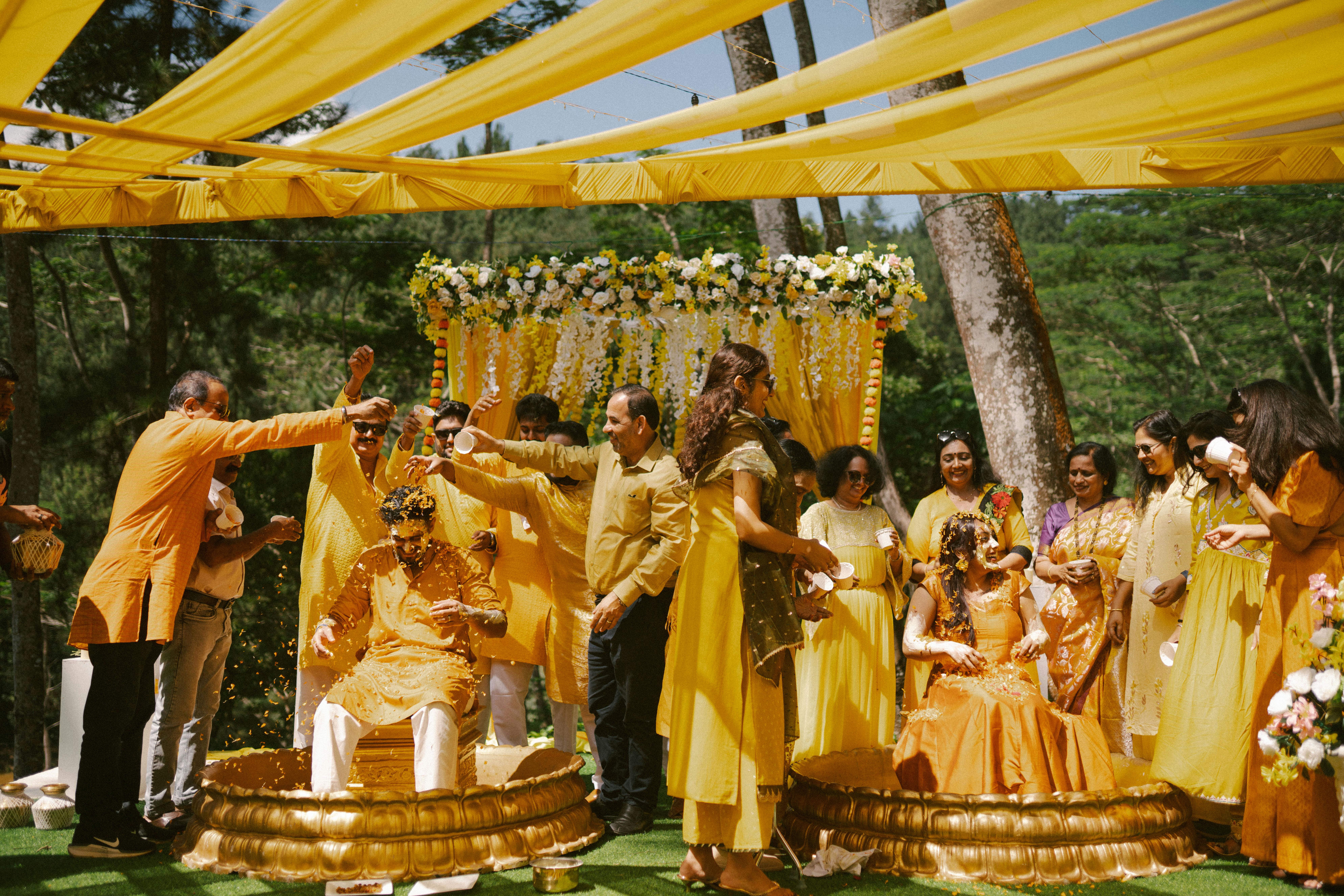
Guests' clothing: Set the dress code as "wear yellow or wear white, and expect to get stained." Many modern haldis explicitly tell guests to wear white so the yellow turmeric stains become a visual element rather than a wardrobe disaster. This looks incredible in photos: a sea of white outfits gradually becoming splashed with gold. Some families provide inexpensive white t-shirts at the entrance for guests who didn't get the memo.
Cleanup kit: Have dish soap, baking soda paste, and a bleach solution ready for immediate spot cleaning after the event. Turmeric stains set with heat, so use cold water only on fabric. On skin, coconut oil or a milk and lemon juice mixture helps fade yellow stains faster.
Decor: Beautiful on a Budget
The haldi is the one event where DIY decor genuinely works, because the casual, handmade aesthetic matches the vibe of the ceremony. You don't need a professional decorator.
Marigold garlands are the backbone of haldi decor. Buy them in bulk from your local Indian grocery store or order from Amazon ($2 to $5 per strand for artificial garlands, fresh ones slightly more). Drape them across doorways, hang them as a backdrop curtain, wrap them around pillars, or create a canopy effect by stringing them overhead. For a 10-foot by 10-foot backdrop, you'll need roughly 20 to 30 garlands.
Yellow and orange fabric draped behind the seating area creates a simple, effective backdrop. Inexpensive yellow dupatta fabric from an Indian fabric store, or even yellow tablecloths from a party supply store, work perfectly.
Brass urlis (shallow decorative bowls) filled with water, floating candles, and rose petals are a classic haldi accent. Place two or three around the seating area. They're available at Indian home decor stores and Amazon for $15 to $40 each.
String lights or fairy lights add warmth, especially for a covered patio or indoor setup. Wrap them around the marigold backdrop for a layered effect that photographs beautifully.
Floor seating with cushions creates the traditional intimate feel. A low wooden stool or decorated chair for the bride/groom, surrounded by cushions and ground-level seating for guests, looks authentic and keeps the energy close and connected.
Banana leaves placed around the ceremony area are a traditional touch common in South Indian haldis. They're available at Indian and Asian grocery stores.
Total decor budget for a beautiful haldi setup: $100 to $400 depending on whether you use fresh or artificial flowers and how much you already own.
What to Wear
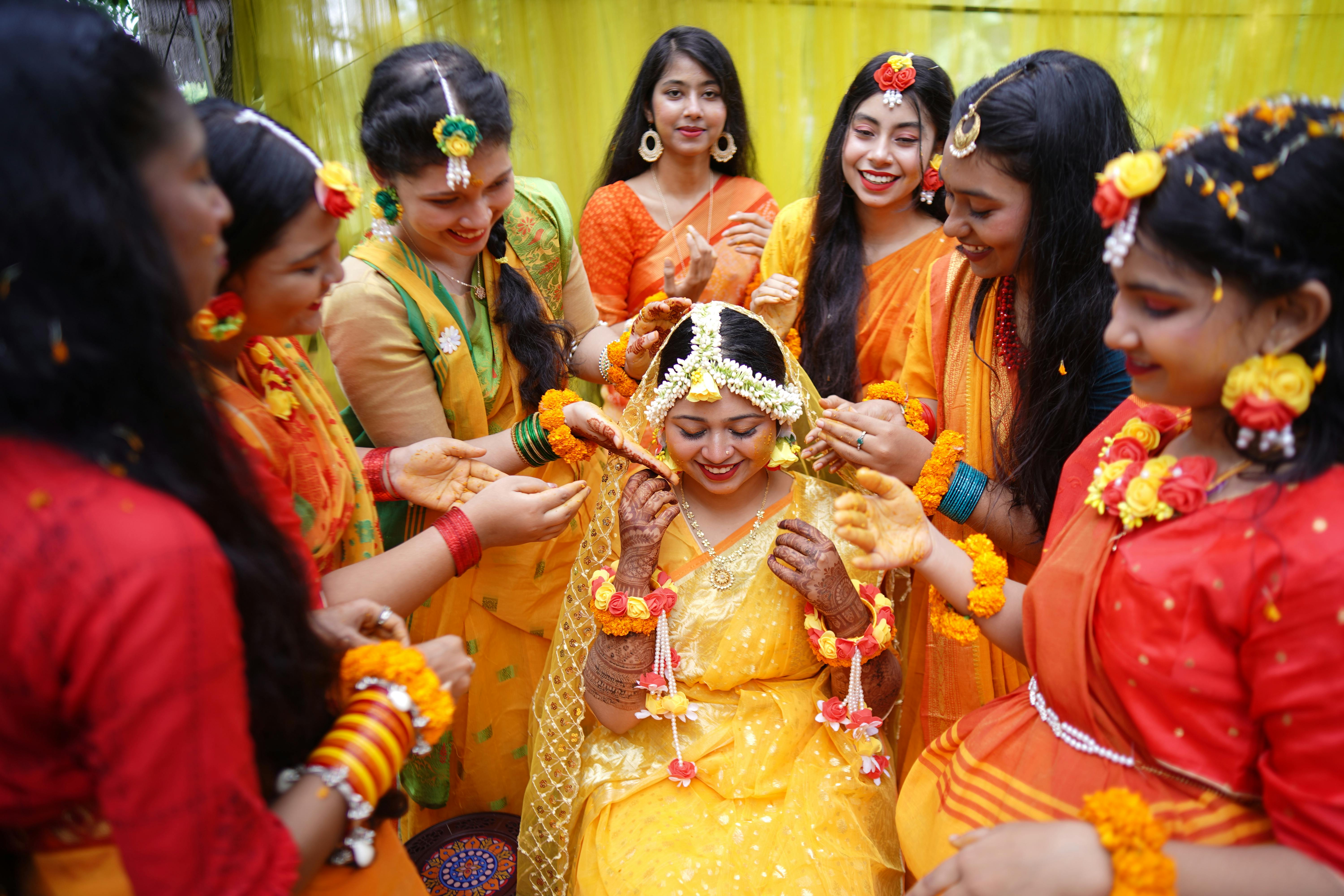
The bride: Light, flowy fabrics that you don't mind getting turmeric on. Popular choices include a yellow cotton saree, a simple yellow lehenga, a sharara set, or even a yellow bralette with a flowy skirt. Avoid silk, heavy embroidery, or anything dry-clean-only. Floral jewelry (haldi jewelry made from fresh or artificial flowers instead of gold or stones) is the standard, because turmeric can discolor metals and damage gemstones. Fresh flower jewelry in yellow and orange marigolds, white jasmine, or baby's breath is inexpensive and looks stunning in photos.
The groom: A yellow or white cotton kurta-pajama is the go-to. Some grooms add a Nehru jacket or a floral garland for photos. Keep it simple and stain-friendly.
Guests: Yellow, white, or pastel outfits. Casual Indian wear (kurtas, cotton sarees, salwar suits) or even Western casual in the right color palette works fine. The haldi is not a formal event. Comfort and willingness to get messy are the priorities.
Coordinating tip: Many couples now match their haldi outfits. The bride in bright yellow and the groom in mustard or ivory creates a cohesive look in photos.
Photography: Making It Count
The haldi produces some of the most candid, emotional, and visually striking photos of any Indian wedding event. But only if your photographer knows what they're doing.
Shoot in natural light. The golden tones of turmeric, marigolds, and yellow decor look best in daylight. If your haldi is indoors, set up near large windows. If it's outdoors, morning light (before 11 AM) or late afternoon light (after 4 PM) is ideal. Harsh midday sun washes everything out.
Protect the camera. If your photographer hasn't shot a haldi before, warn them: turmeric will be airborne. A clear lens filter and a rain cover for the camera body are smart precautions. Some photographers shoot from slightly farther back with a zoom lens during the most chaotic moments.
Capture the escalation. The best haldi photos tell a story: the reverent opening with elders carefully applying paste, the gradual escalation as friends join in, and the full-blown chaos at the end. Brief your photographer on this arc so they're positioned correctly for each phase.
The group shot. At the end, when everyone is covered in yellow, get a group photo. Everyone holds up their stained hands, the bride and groom are in the center looking blissfully wrecked, and the backdrop of marigolds ties it together. This is usually the photo that ends up on Instagram.
We’re growing the Indian photography community on EventAtlas.
Timing and Flow
A haldi ceremony typically runs 45 minutes to 1.5 hours. Here's a sample flow:
Guests arrive, music playing, paste and supplies ready (15 minutes for settling in). Elders apply paste to the bride/groom first, followed by parents and close family (15 to 20 minutes). Friends join in, energy escalates, dancing begins (20 to 30 minutes). The "free for all" phase where everyone smears everyone, water gets involved, and the ceremony reaches peak chaos (10 to 15 minutes). Group photos (5 to 10 minutes). Bride/groom rinse off, guests clean up and eat (transition to lunch or snacks).
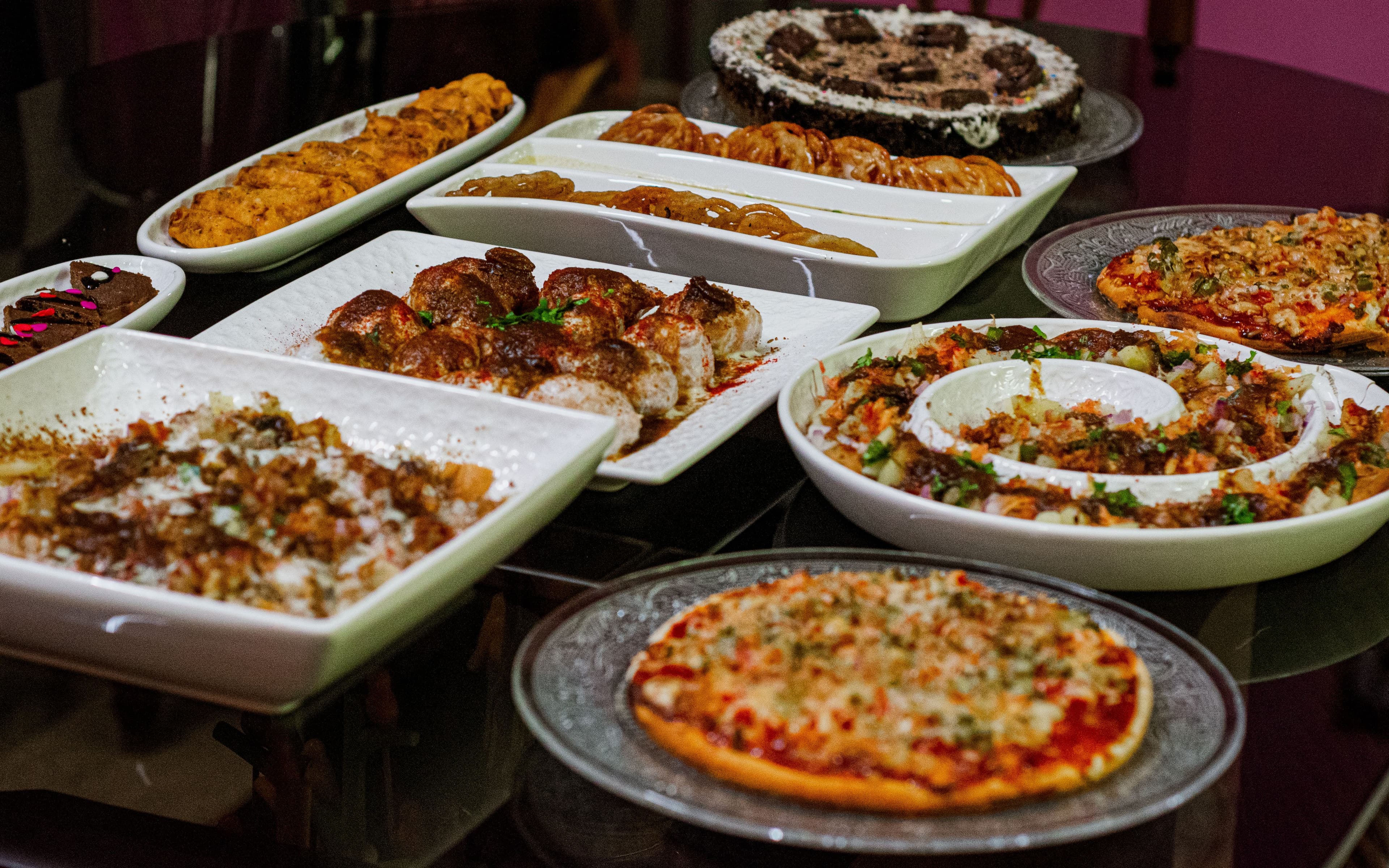
Food at the haldi is typically light: chaat, samosas, pakoras, fresh fruit, chai, and lemonade. It's a daytime event and the energy is casual, so a full meal isn't expected unless the haldi transitions directly into a lunch gathering.
Common Mistakes
Not making enough paste. Running out of haldi halfway through kills the momentum. Make more than you think you'll need. Leftover paste can be used on guests who want to participate in the fun.
Skipping skin prep. Apply a thin layer of coconut oil or moisturizer to the bride's and groom's face and body before the paste. This creates a barrier that makes the turmeric easier to wash off and reduces staining on the skin.
Choosing the wrong venue. If you're hosting at a venue, confirm their policy on turmeric. Some venues with white marble floors, outdoor lawns they maintain carefully, or strict cleanup policies will not appreciate a haldi. Ask explicitly.
Forgetting towels. Have a stack of old towels ready. Yellow or dark-colored ones are best. Guests will need to wipe their hands, and the bride and groom will need towels after rinsing. White hotel towels? Absolutely not.
Not assigning someone to manage the paste station. Designate one person to keep the paste bowls refilled, hand out mango leaves, and manage the cleanup supplies. This person should not be the bride's mom (she'll be busy being emotional and applying paste).
The haldi is the pre-wedding event that feels the most like pure celebration. No scripts, no formality, just turmeric and joy. Plan the logistics, protect the floors, and let the chaos do its thing.
We’re growing the Indian decorator and florist community on EventAtlas.
For help finding South Asian wedding vendors, decorators, and photographers for your haldi and other wedding events, visit EventAtlas or reach out at hello@tryeventatlas.com.
Related Posts
More reading on themes you might be exploring.

How to Plan a Sangeet Night That Your Guests Actually Enjoy
Fifteen choreographed performances, a stage that needs pro lighting, a sound system that can handle Bollywood and your uncle's acoustic number, and a dinner that feeds 200 without interrupting the show. Here's how to plan a sangeet that's a night, not just a three-hour talent show with awkward gaps between acts.

What to Wear to an Indian Wedding as a Non-Indian Guest
You own exactly zero Indian outfits and your entire frame of reference is Instagram. Here's what you actually need to know: the three colors to avoid (red, white, black), what to wear to each event from the mehndi to the reception, why wearing Indian clothing is welcomed and not appropriation, and where to find a stunning anarkali for under $150 in the US.
Indian Wedding Catering in the US: Menu Planning, Pricing, and Finding the Right Caterer
Your guests will forget the centerpieces by next week, but they'll remember whether the biryani was properly layered or a glorified pulao. Here's the full breakdown of Indian wedding catering in the US: regional menu differences, live dosa and chaat station pricing, the hotel kitchen problem nobody warns you about, and real per-plate costs from $30 to $150+.
Planning a Cultural Celebration?
Find vendors who understand your traditions and can make your event truly special.
Find Vendors