
Indian Wedding Decor on a Budget: Where to Spend and Where to Save
Your decorator just sent a quote higher than your first car, and half of it is for table centerpieces nobody will look at. Here's where your decor dollars actually matter at an Indian wedding (the mandap, the lighting, the entrance) and exactly where to cut without anyone noticing.
The mandap photos on Instagram look like someone built a temple out of orchids. The sangeet stage has more LED panels than a concert. And your decorator just sent you a quote that's higher than your first car.
Indian wedding decor is where budgets spiral fastest. It's also the category where smart decisions save the most money, because half the things couples overspend on are things guests barely notice. The trick isn't spending less across the board. It's knowing which elements actually matter in photographs and in person, and which ones are decorator upsells that look impressive in a line-item proposal but add almost nothing to the guest experience.
This guide breaks down the real costs, tells you where every dollar has maximum impact, and shows you exactly where to cut without anyone noticing.
The Real Numbers: What Indian Wedding Decor Costs in the US
Decor typically eats 20 to 30% of your total Indian wedding budget. For a $150,000 wedding in a major US metro, that's $30,000 to $50,000 spread across three to five events (mehndi, haldi, sangeet, ceremony, and reception). For a $80,000 wedding, it's $16,000 to $24,000.
Here's how those dollars typically break down across the major elements:
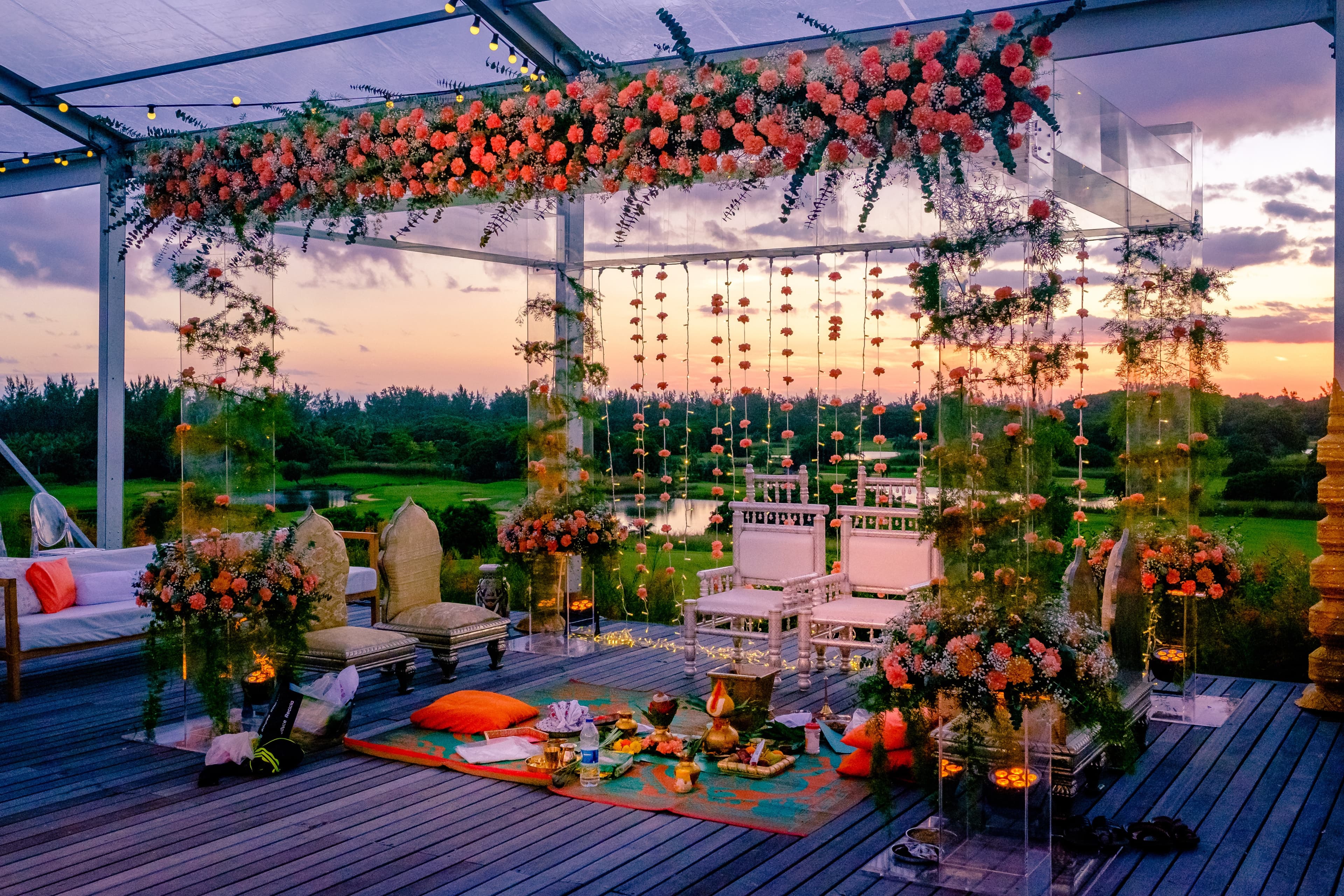
The mandap (ceremony structure) runs $3,000 to $8,000 for a basic floral version and $8,000 to $20,000+ for elaborate designs with premium flowers and custom structures. The reception stage and backdrop costs $3,000 to $10,000+. Centerpieces across all tables add $2,000 to $8,000 depending on how many tables and how elaborate the designs. Draping, lighting, and uplighting typically cost $3,000 to $8,000. Entrance decor and walkway treatments add $1,000 to $5,000. Pre-wedding event decor (mehndi, haldi, sangeet) can run $2,000 to $10,000 per event.
These numbers vary by city. Decor in New York and the Bay Area runs 20 to 40% higher than Houston, Dallas, or Atlanta. But regardless of location, the proportional logic is the same: the mandap and reception stage are the two biggest line items, and everything else is negotiable.
Where to Spend: The Things That Actually Matter
The Mandap
This is the sacred centerpiece of your Hindu wedding ceremony. It's where you and your partner sit for one to three hours. It's the backdrop of nearly every important ceremony photo. It's what your guests are looking at for the duration of the pheras. If you're going to put money anywhere in your decor budget, this is the place.
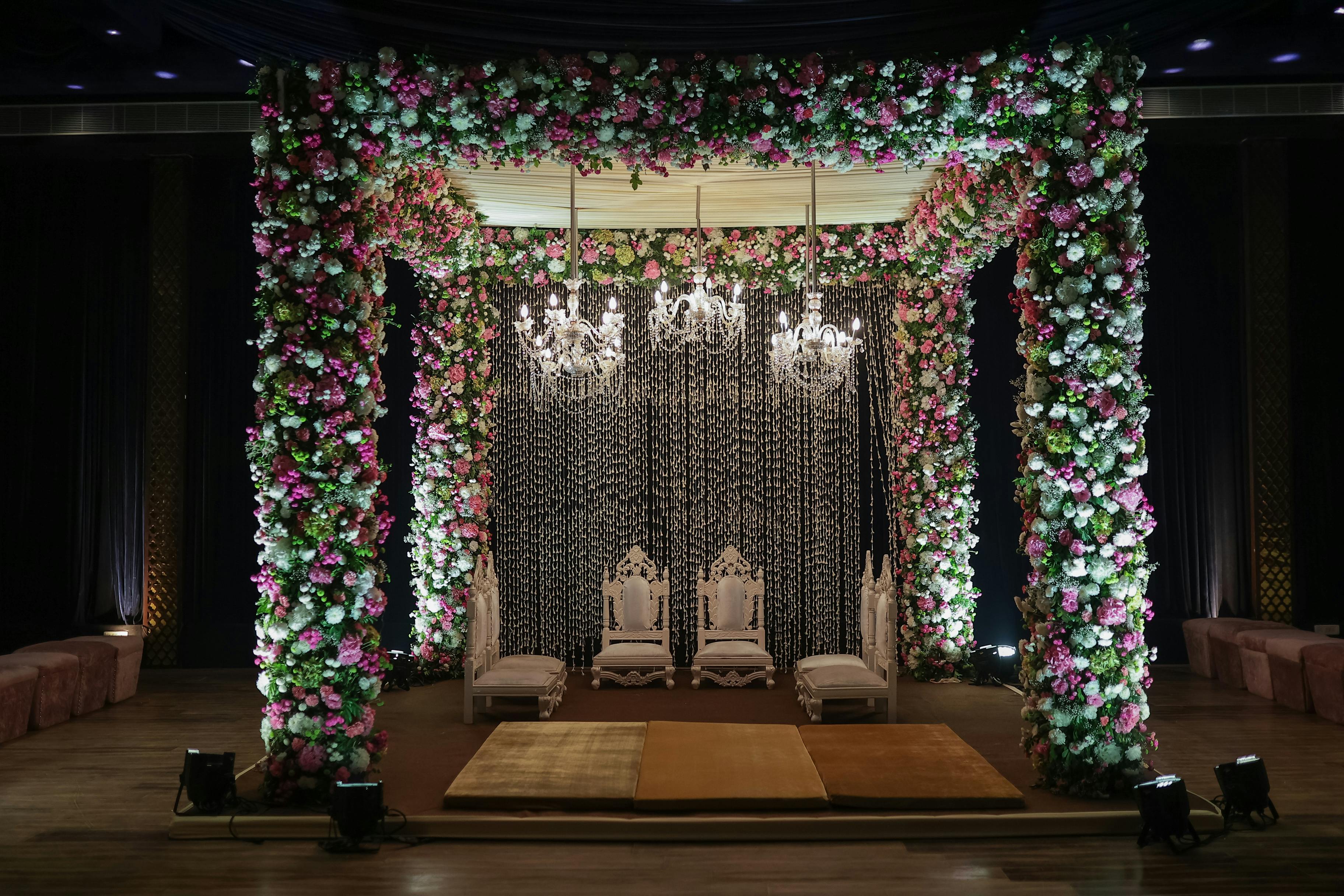
A well-designed mandap doesn't need to be the most expensive thing in the room. It needs to be intentional. A four-pillar mandap with fresh flowers on the corners and clean draping photographs just as beautifully as a fully floral-covered structure, especially when the lighting is right. The difference between a $3,000 mandap and a $15,000 mandap is often the density of fresh flowers, not the structural design.
Ask your decorator about mixing silk and fresh flowers. Silk (high-quality artificial) flowers on the upper portions of the mandap where guests can't touch or closely inspect them, combined with fresh flowers at eye level and on the pillars, can cut your mandap floral bill by 30 to 40% with no visible difference in photos. Mandap Creations (@mandapcreations), one of the most established Indian wedding decorators in Texas with over 25 years of experience, is known for working with couples to maximize impact within their budget.
Lighting
This is the most undervalued line item in Indian wedding decor. Good lighting makes a $15,000 decor setup look like $40,000. Bad lighting makes a $40,000 setup look flat and forgettable.
Uplighting along the walls of your ballroom (colored LED lights pointed upward) transforms the entire room's atmosphere for $1,000 to $3,000. Pin-spot lighting on centerpieces makes even simple arrangements glow. Fairy lights or string lights across the ceiling create depth and warmth for a fraction of the cost of ceiling draping. If your decorator quotes you $5,000 for ceiling fabric draping, ask them what $2,000 in strategic lighting would accomplish instead. You might be surprised.
The Venue Entrance
The entrance is the first thing guests see when they arrive. It sets expectations for everything that follows. A decorated entrance with a floral arch, hanging garlands, or lantern pathway creates an immediate impression of a well-planned event. Budget $500 to $2,000 here, and it pays for itself in perceived quality.
🇮🇳Indian Decorations & Florals on EventAtlas

Join the growing Indian decorator and florist community on EventAtlas. with a vendor.
Where to Save: The Things Guests Don't Notice
Elaborate Table Centerpieces
This is the single biggest area of overspending at Indian weddings. Tall, dramatic centerpieces with cascading flowers look stunning in photos, but here's the reality: at an Indian wedding reception, guests spend the vast majority of their time on the dance floor, at the buffet, or mingling. They sit at their table for 20 to 30 minutes to eat, and during that time they're looking at the stage, the couple, or their phone. Almost nobody stares at the centerpiece.
A simple, low arrangement with candles or a lantern with greenery does the job perfectly. Budget $30 to $50 per table instead of $100 to $200, and redirect the savings to the mandap or lighting.
Full-Room Ceiling Draping
Ceiling draping (fabric panels stretched across the ceiling of the ballroom) is gorgeous. It's also expensive ($3,000 to $8,000 for a full room) and only makes a real difference in venues with ugly or industrial-looking ceilings. If your venue already has a nice ceiling with chandeliers or architectural detail, ceiling draping is purely additive. Skip it and spend that money on the mandap or the sangeet stage.
Over-Decorating Pre-Wedding Events
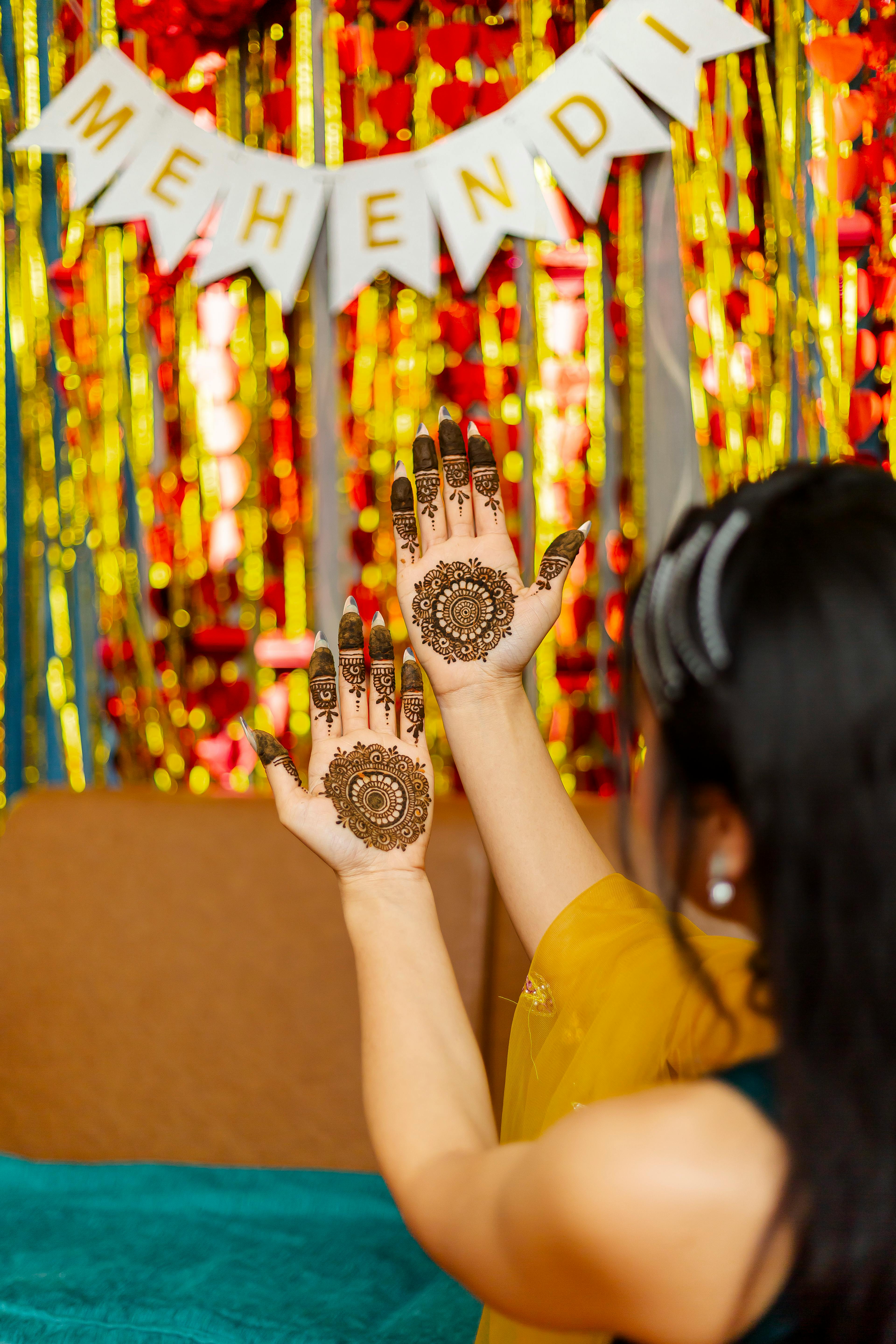
Here's a budget secret that experienced Indian wedding planners know: your mehndi and haldi don't need professional decor at the same level as your ceremony and reception. These events are intimate, casual, and often held at someone's home, a community space, or a smaller venue. The vibe is relaxed and fun, not formal and grand.
For a mehndi, you can create a beautiful, Instagram-worthy setup with $200 to $500 in materials. Marigold garlands (buy in bulk from Amazon or your local Indian grocery store for $2 to $5 per strand) are the backbone of mehndi and haldi decor. Drape them across doorways, hang them from the ceiling, wrap them around pillars, or create a photo backdrop. Add colorful dupattas or fabric as backdrop panels, string lights, floor cushions, and a few brass urlis (shallow bowls) with floating candles and rose petals. That's a complete mehndi look.
For the haldi, lean into the yellow. Yellow drapes, marigolds, sunflowers, and banana leaves are traditional and inexpensive. A dedicated photo spot with a marigold backdrop is all you need. This is the event where DIY works best because the casual setting matches the handmade aesthetic.
The sangeet is a different story. Because it's essentially a party with performances, you need a proper stage, dance floor, and sound/lighting setup. But even here, you can save by keeping the decor focused on the stage and dance floor area rather than decorating the entire room. Guests at the sangeet are watching performances and dancing, not examining table arrangements.
Smart Negotiation Tips
Get Multiple Quotes and Compare Line by Line
Indian wedding decorators structure their pricing differently. Some give you an all-inclusive package. Others line-item everything from the mandap frame to each individual flower stem. Get at least three quotes, and ask each decorator to break their pricing into the same categories so you can compare apples to apples. The difference between three quotes on the same scope of work can easily be $5,000 to $15,000.
Ask What's Reusable Across Events
If your ceremony and reception are in the same ballroom, ask your decorator about "flipping" the room. The mandap can be dismantled and certain elements (flowers, draping, furniture) can be repurposed for the reception stage and decor. Some decorators include this in their pricing; others charge extra. Either way, reusing elements across events instead of creating entirely new setups for each one is one of the biggest budget savers available to you.
Negotiate the Flip Time with Your Venue
If you're using one ballroom for both the morning ceremony and evening reception, the venue will give you a set amount of time for the room flip (typically 4 to 5 hours). Your decorator's efficiency during this window directly affects your budget. Experienced Indian wedding decorators like the team at IndianWeddingDecorator.com (serving NJ, NY, CT, PA, and surrounding states) build flip logistics into their planning process from the start.
Know What's in Season
Fresh flowers are the biggest variable in decor pricing. Roses, marigolds, and carnations are available year-round and are relatively affordable. Peonies, ranunculus, and garden roses are seasonal and expensive. Orchids are always expensive. If your decorator quotes $7,000 in flowers and the breakdown includes a lot of out-of-season blooms, ask them to redesign with seasonal alternatives. The visual difference is minimal; the cost difference can be 30 to 50%.
Marigolds are your best friend for Indian wedding decor on a budget. They're traditional, inexpensive, available year-round, and have a bold visual impact that reads as "Indian wedding" immediately. A wall of marigold garlands behind the stage is just as striking as an expensive floral installation, at a fraction of the cost.
Buy Your Own Accent Pieces
Decorators charge markup on rental items like lanterns, candles, vases, and fabric. For accent decor (the smaller items that fill out a table or a corner), buying your own from Amazon, Etsy, or Desi By Dil (desibydil.com, a US-based Indian decor retailer) can save hundreds. Artificial marigold garlands, LED string lights, and tealight holders purchased in bulk cost a fraction of what a decorator charges for the same items as rentals. Just coordinate with your decorator so the styles match.
We’re growing the Indian decorator and florist community on EventAtlas.
The Budget-Tier Breakdown
Here's what each tier of decor realistically looks like for a three-event Indian wedding in the US (ceremony, reception, and one pre-wedding event):
Budget ($8,000 to $15,000 total): Simple four-pillar mandap with selective fresh flowers and draping. DIY mehndi/haldi decor at home. Basic uplighting and minimal reception stage. Low centerpieces with candles. This looks clean, intentional, and beautiful when executed with good lighting.
Mid-range ($20,000 to $40,000 total): Custom mandap with heavier florals. Professional decor for sangeet stage. Coordinated color scheme across all events. Mixed fresh and silk flowers. Uplighting, pin-spots, and some draping. Moderate centerpieces. This is where most couples land, and it photographs extremely well.
Premium ($40,000 to $75,000+ total): Fully custom mandap with premium fresh flowers. Professional decor for every event. Full room draping, ceiling treatment, and extensive lighting. Tall centerpieces, elaborate entrance, custom installations. This is the tier you see on Indian wedding Instagram accounts.
The gap between budget and mid-range is smaller than you think in actual guest experience. A $12,000 decor budget with smart allocation (mandap, lighting, entrance, DIY pre-wedding events) creates a more impactful wedding than a $25,000 budget spread thin across every possible surface.
The One Thing Worth More Than Any Decoration
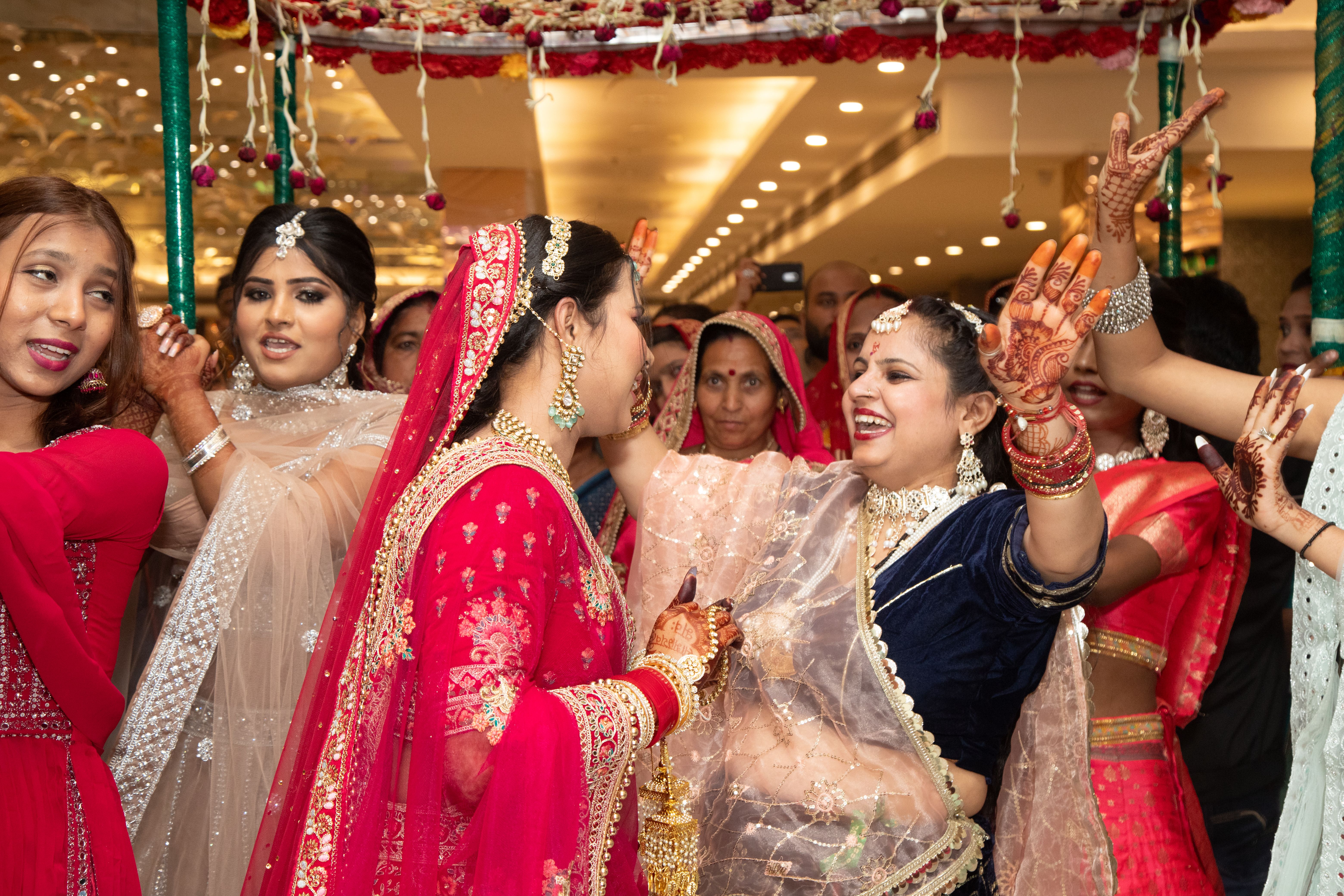
A good photographer. Seriously. A skilled South Asian wedding photographer who knows how to use natural light, frame the mandap shots, and capture the energy of the dance floor will make a $15,000 decor setup look like a magazine spread. A mediocre photographer will make a $50,000 decor setup look flat.
If you're choosing between spending an extra $5,000 on decor or putting that money toward a top-tier photographer, choose the photographer every time. The decor exists for one day. The photos last forever.
For help finding Indian wedding decorators, florists, and lighting vendors in your area, EventAtlas lets you filter by culture, category, and location. Visit us or reach out at hello@tryeventatlas.com.
Related Posts
More reading on themes you might be exploring.
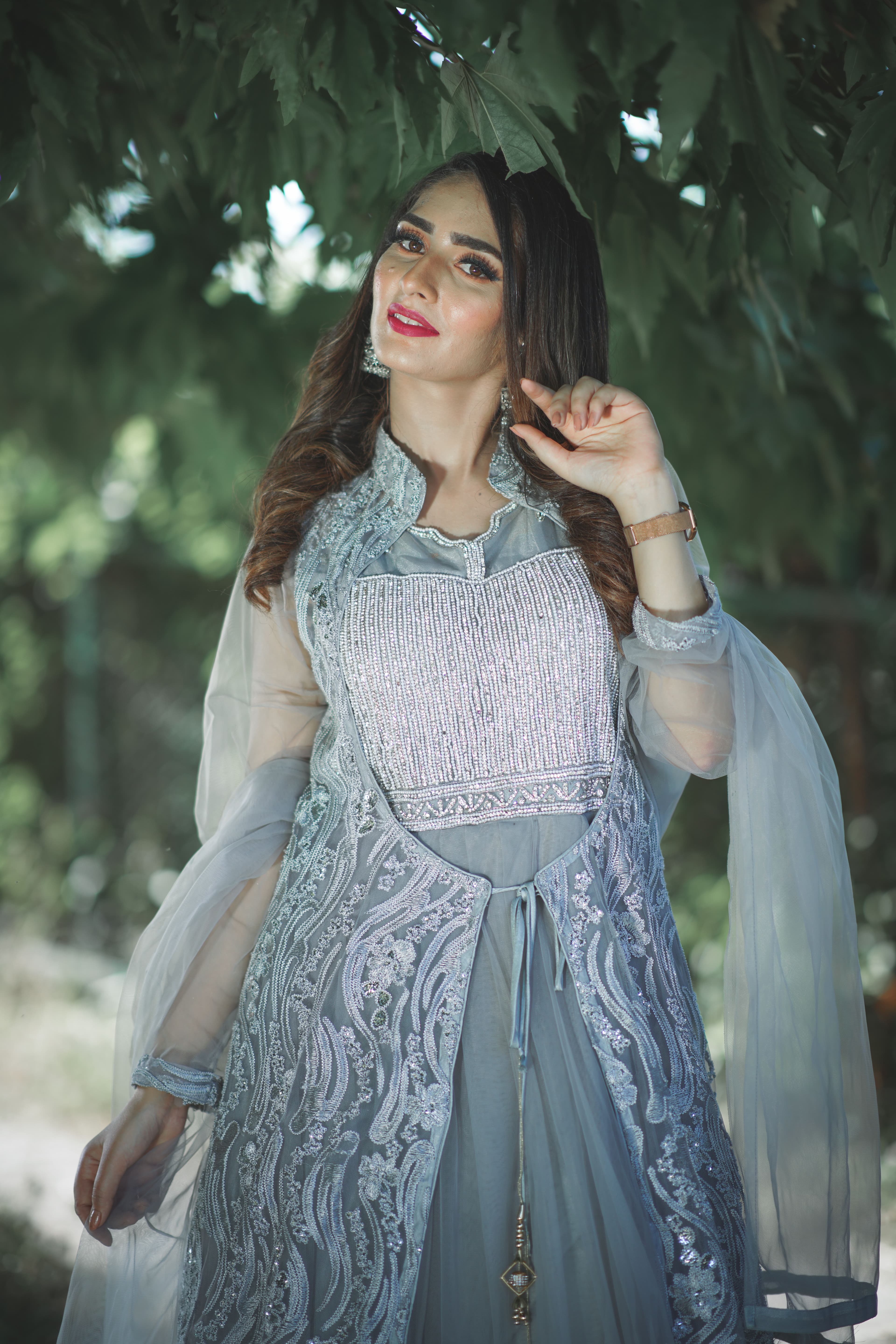
What to Wear to an Indian Wedding as a Non-Indian Guest
You own exactly zero Indian outfits and your entire frame of reference is Instagram. Here's what you actually need to know: the three colors to avoid (red, white, black), what to wear to each event from the mehndi to the reception, why wearing Indian clothing is welcomed and not appropriation, and where to find a stunning anarkali for under $150 in the US.
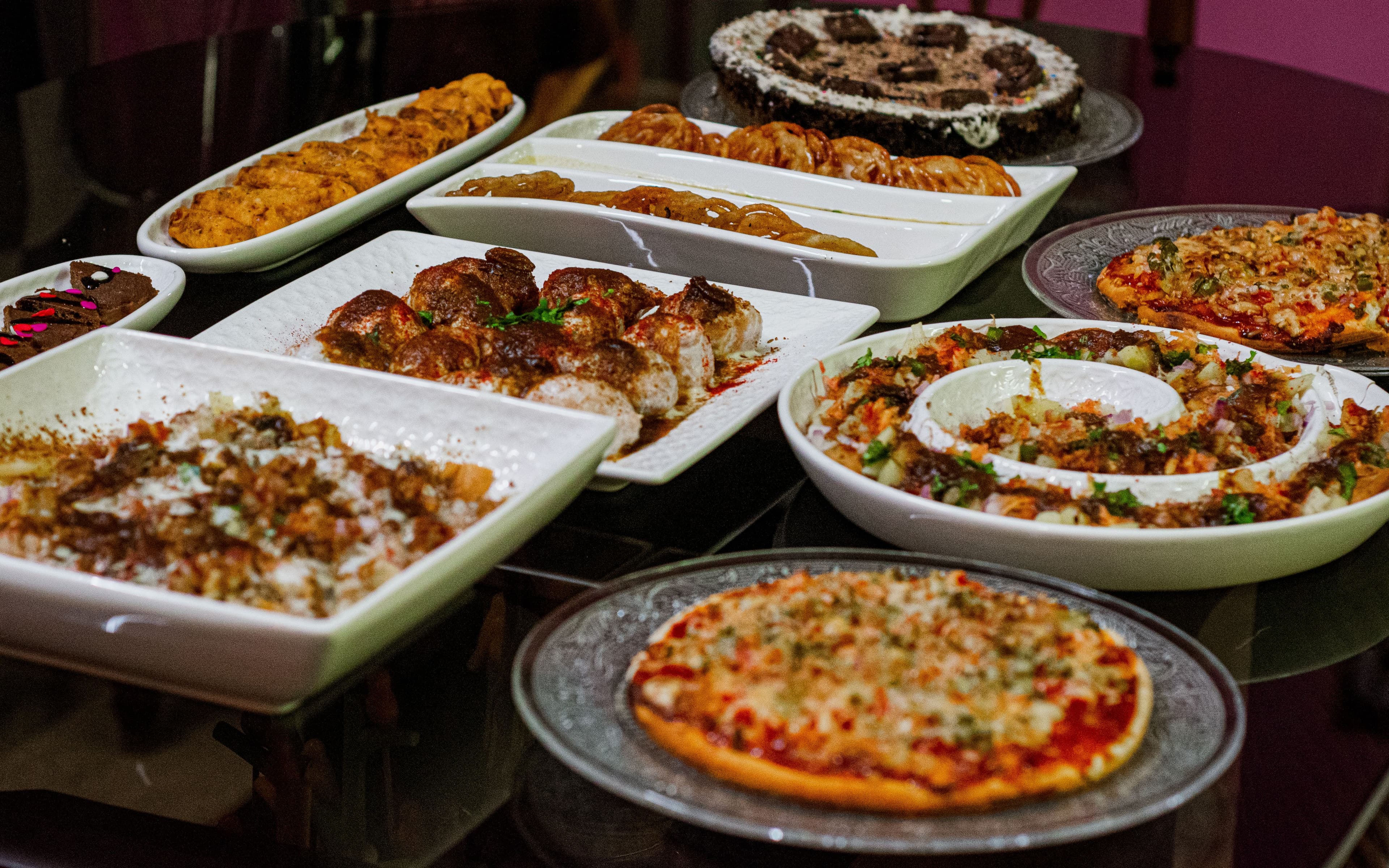
Indian Wedding Catering in the US: Menu Planning, Pricing, and Finding the Right Caterer
Your guests will forget the centerpieces by next week, but they'll remember whether the biryani was properly layered or a glorified pulao. Here's the full breakdown of Indian wedding catering in the US: regional menu differences, live dosa and chaat station pricing, the hotel kitchen problem nobody warns you about, and real per-plate costs from $30 to $150+.

How to Plan a Sangeet Night That Your Guests Actually Enjoy
Fifteen choreographed performances, a stage that needs pro lighting, a sound system that can handle Bollywood and your uncle's acoustic number, and a dinner that feeds 200 without interrupting the show. Here's how to plan a sangeet that's a night, not just a three-hour talent show with awkward gaps between acts.
Planning a Cultural Celebration?
Find vendors who understand your traditions and can make your event truly special.
Find Vendors