
Traditional Greeting
መልካም አዲስ ዓመት (Melkam Addis Amet), "Happy New Year"
mel-KAHM AH-dees AH-met
The Gift of Jewels
Enkutatash is the Ethiopian New Year, falling on Meskerem 1, the first day of the first month of the Ethiopian calendar, which lands on September 11 (or September 12 in Gregorian leap years). Ethiopia keeps its own ancient calendar, roughly seven to eight years behind the Gregorian one and divided into thirteen months, so the new year arrives in early September rather than January.
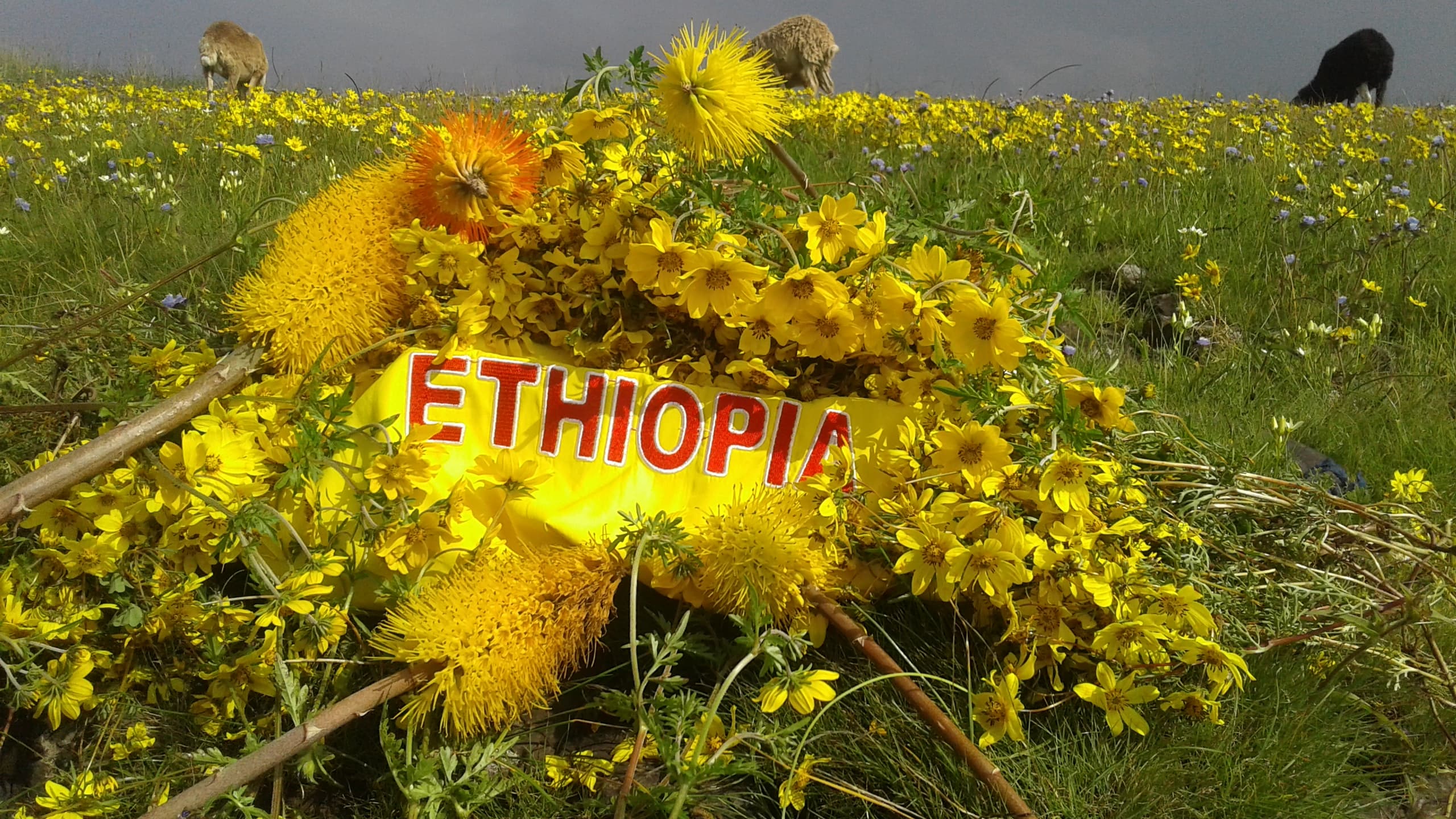
The name means "gift of jewels" in Amharic. By tradition it recalls the Queen of Sheba (Makeda) returning to Ethiopia from her visit to King Solomon in Jerusalem, welcomed home by her chiefs with jewels. Just as meaningfully, the timing marks the end of the heavy kiremt rains: the countryside turns green and the adey abeba, the bright yellow daisy that's become the holiday's emblem, blooms everywhere. It's a festival of renewal, gratitude, and fresh starts.
How It's Celebrated
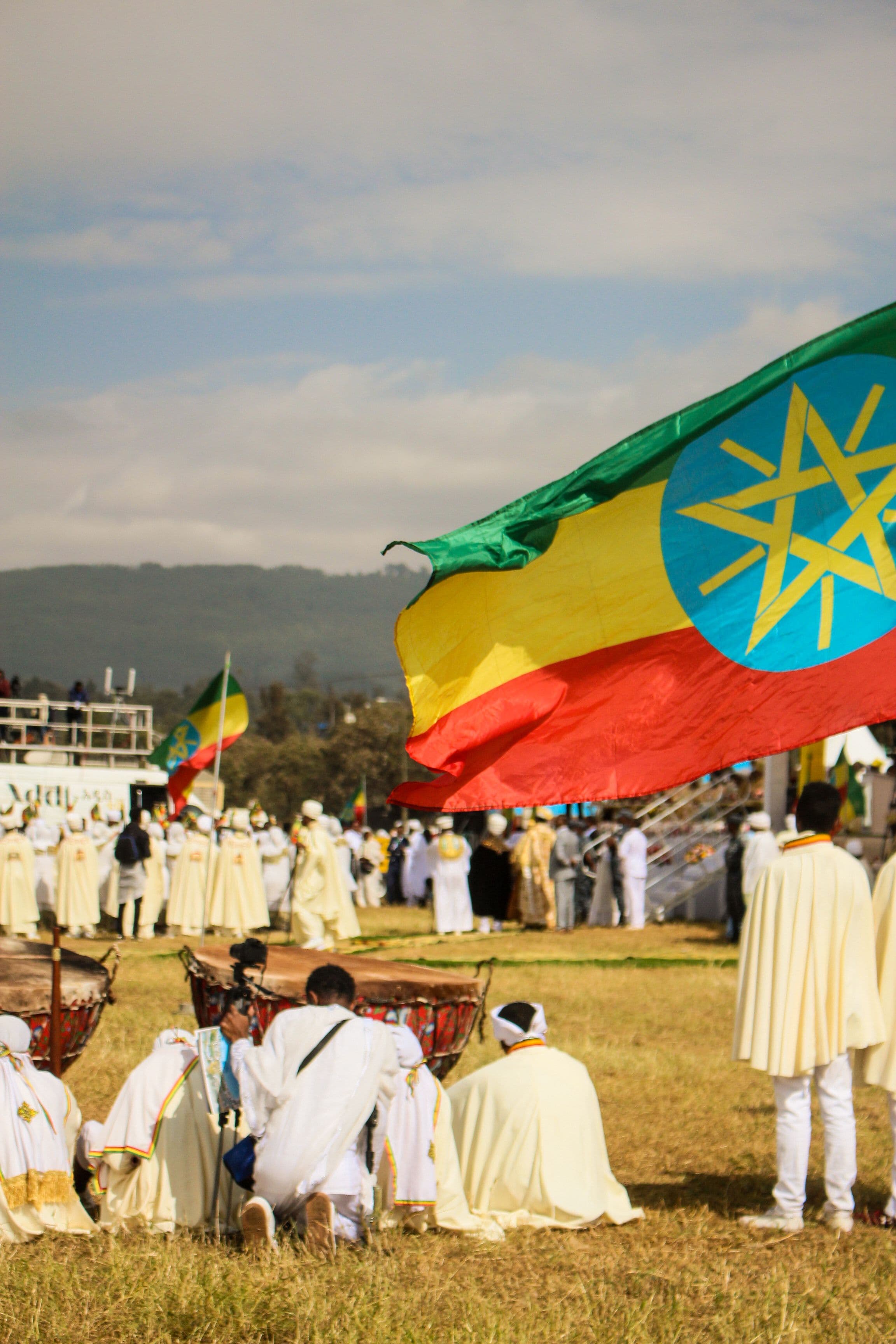
Celebrations often begin the evening before with small bonfires lit outside homes. On New Year's morning, many attend Ethiopian Orthodox church services in white traditional dress. A cherished custom belongs to children: girls in new clothes go house to house singing the song Abebayehosh, handing out hand-drawn pictures or bunches of adey abeba and receiving small gifts or money in return.
Then comes the feast. The table centers on injera (the spongy sourdough flatbread) with an array of wot (stews), especially doro wat, the rich, spiced chicken stew reserved for special occasions, alongside kitfo and shiro. No celebration is complete without the jebena buna, the full Ethiopian coffee ceremony: green beans roasted on the spot, ground, and brewed in a clay jebena, served in three rounds amid burning incense. Tej (honey wine) often accompanies the meal.
Enkutatash in the US
Ethiopian American communities, especially the large one around Washington, DC, plus Minneapolis, Seattle, and Los Angeles, mark Enkutatash with church services, community gatherings, and restaurant celebrations. The diaspora angle is poignant: families call relatives in Ethiopia to share a new year the rest of their adopted country isn't observing, a yearly reminder of two calendars and two homes. Adey abeba is hard to source fresh in the US, so silk or paper versions stand in, and the coffee ceremony remains the anchor that makes a gathering feel truly Ethiopian. Setting one up at home or an event takes some sourcing, our Ethiopian coffee ceremony guide walks through the jebena, beans, and incense.
If You're Invited
Wear something nice; white or light colors fit the spirit of renewal. Bring a small gift, and a little cash or sweets for any children is in keeping with the day. Accept the coffee, all three rounds are part of the honor, and don't rush off after the first cup. Say "Melkam Addis Amet."
Traditions & Customs
- adey abeba
- jebena buna
- doro wat
- habesha kemis
- Abebayehosh
Vendors You Might Need
Browse Ethiopian vendors who specialize in the services this event usually calls for.


Join the growing Ethiopian vendor community on EventAtlas. with a vendor.
Related Guides
Planning tips and inspiration from the EventAtlas blog.
How to Celebrate Enkutatash (Ethiopian New Year) in the US
On September 11, 2026, Ethiopia enters the year 2019. Enkutatash, the Ethiopian New Year, means "gift of jewels" and marks the end of the rainy season with yellow flowers, doro wot feasts, and coffee ceremonies that fill the house with frankincense smoke. Here's how the 200,000+ Ethiopian-Americans in the DC area and communities nationwide keep the tradition alive.
Bridal Makeup for Dark Skin Tones: How to Find an Artist Who Gets It Right
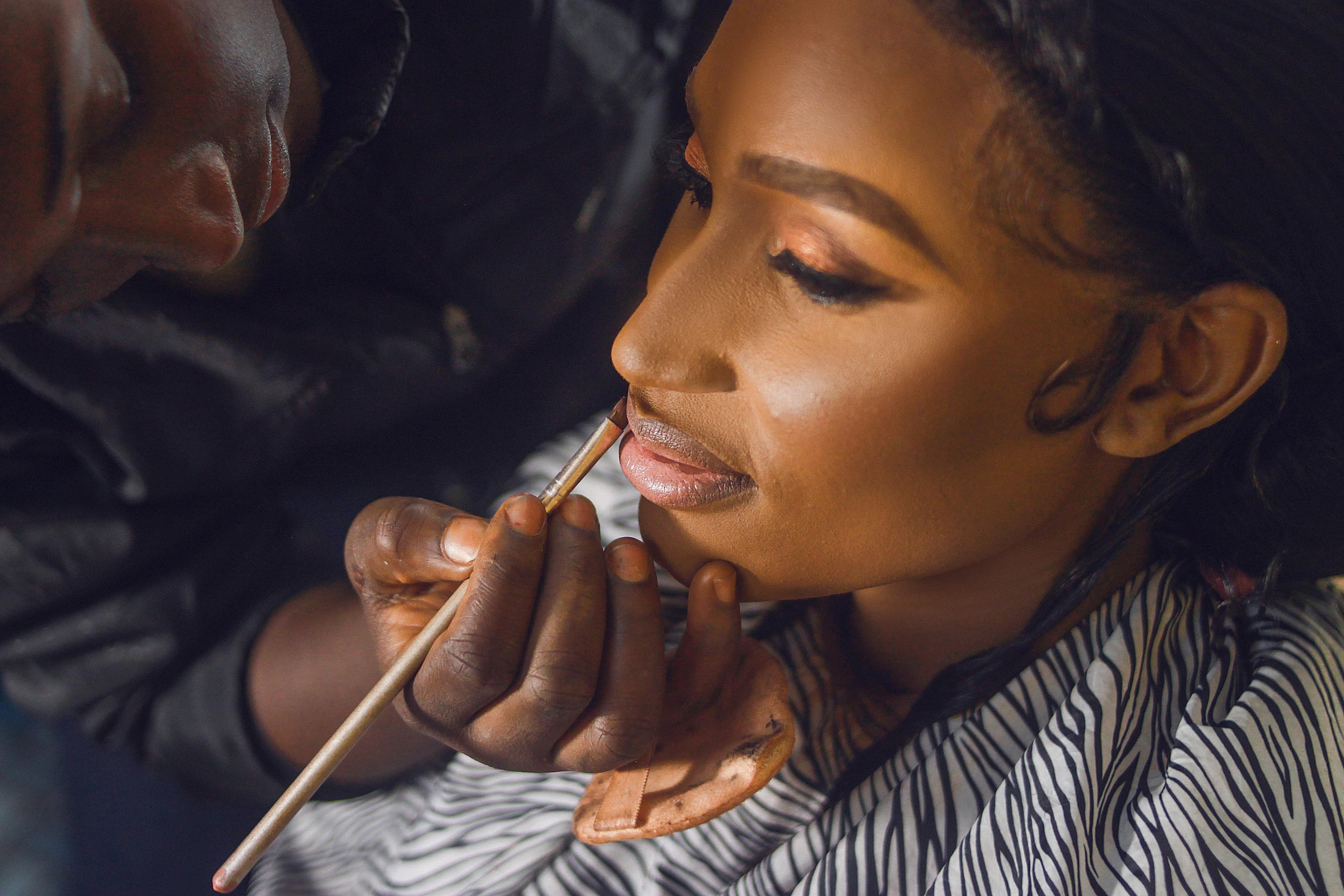
You showed up to the trial and the foundation was two shades too light, the setting powder left white cast in every flash photo, and the artist said "don't worry, it'll look fine." It did not look fine. Here's how to find a makeup artist who actually knows how to work with deep skin tones, what to demand at the trial, and the flash test that reveals everything.
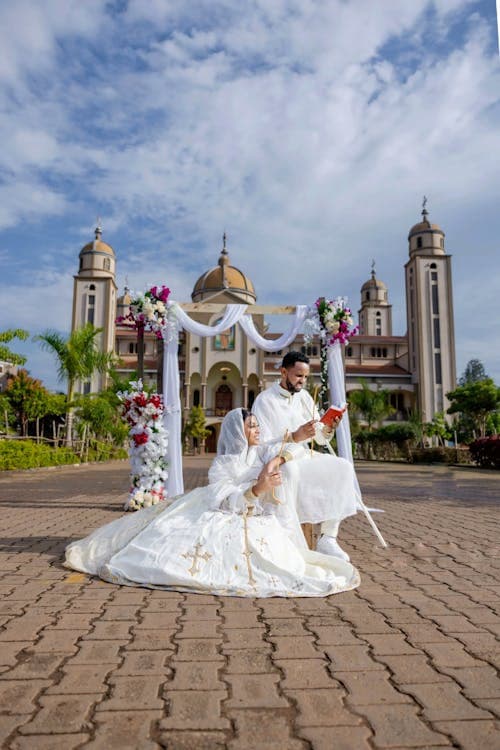
A Guide to Eritrean and Ethiopian Wedding Traditions in the US
It's not a one-day event. It's a 72-hour transformation: the telosh gift ceremony on Friday, the church crowning and reception on Saturday, and the melsi on Sunday where everything shifts to habesha kemis, braided hair, eskista dancing, and coffee poured from a jebena. Here's how diaspora families make every stage work in the US.