

How to Plan a Nigerian Naming Ceremony in the US
A Nigerian child doesn't fully arrive until they've been named before the community, blessed by elders, and tasted honey, salt, and kola nut for the first time. Here's how to plan a naming ceremony in the US: the seven symbolic items and what each prayer means, the naming order, the food spread, and how diaspora families adapt the eighth-day tradition to American work schedules.
The baby is here. The WhatsApp family group has exploded. And your mother is already asking about the naming ceremony, because in Nigerian culture, a child doesn't fully arrive until they've been named before the community, blessed by elders, and tasted honey, salt, and kola nut for the first time.
A Nigerian naming ceremony is the first major cultural event in a child's life. It's when the baby receives names that carry spiritual weight, family history, and prayers for their future. It's also a celebration: food, music, dancing, and a room full of people who showed up at 8 AM on a weekday because welcoming a child is that important.
For diaspora families in the US, the naming ceremony is one of the most meaningful ways to connect a child born in Houston or the DMV or Atlanta to their Yoruba, Igbo, or Hausa roots. Here's how to plan one that honors the tradition, feeds the crowd, and gives your child a name they'll carry for life.
When It Happens
Timing is culturally specific and varies by ethnic group.
In Yoruba tradition, the naming ceremony (isomoloruko, meaning "giving the child a name") is held on the eighth day after birth for boys and the seventh day for girls, though many families now use the eighth day for both. The first seven days are considered the period when the child's spirit is still deciding whether to stay in this world. The eighth day marks their commitment to life.
In Igbo tradition, the naming ceremony (igu aha or ikuputanwa) also occurs around the eighth day, though some communities observe it between the 7th and 12th day depending on local custom.
In Hausa-Fulani tradition, the ceremony (zauren suna) follows Islamic custom and is held on the seventh day. It includes Islamic prayers, the sacrifice of a ram or goat (aqiqah), and the shaving of the baby's head.
In the US, timing gets flexible. Many diaspora families adjust the date slightly to accommodate work schedules, family flying in from out of state, or the mother's recovery. Traditionalists prefer sticking to the prescribed day, and if your grandparents are involved, expect some pushback on moving the date. A common compromise: hold a small, intimate ceremony with immediate family on the traditional day, and a larger celebration the following weekend for extended family and friends.
The Ceremony: What Actually Happens
The ceremony takes place in the morning, typically between 7 AM and 9 AM. In Nigeria, it's held in the family home with the immediate family gathered in the sitting room while other guests wait outside. In the US, it's usually held at the parents' home, a family member's home, or occasionally at a church, community center, or small event space for larger gatherings.
A religious leader or family elder officiates. The officiant depends on the family's faith: a pastor or priest for Christian families, an imam or alfa for Muslim families, or a traditional elder for families who follow indigenous practices. Many Nigerian families blend religious and traditional elements.
The Symbolic Items (Yoruba Tradition)
The heart of the Yoruba naming ceremony is the presentation of symbolic items to the baby. Each item is touched to the baby's lips while the officiant or elder explains its meaning and offers a prayer. The core items:
Water (omi). The elder dips a finger in water and touches it to the baby's lips. Water symbolizes purity: "May your life be pure and clear. May you never lack the essentials of life."
Honey (oyin). Touched to the baby's lips. Honey represents sweetness: "May your life be sweet. May you always know joy and happiness."
Salt (iyo). Represents value and preservation: "May you be valuable to your community. May your life have flavor and significance."
Kola nut (obi). Represents longevity and good fortune. Kola nut is sacred in many West African cultures and appears at every significant ceremony. "May you live long and see many good things."
Bitter kola (orogbo). Represents resilience and the ability to overcome challenges: "May you have the strength to endure bitter times."
Alligator pepper (atare). Represents fertility and prosperity: "May you be fruitful and multiply."
Palm oil (epo). Represents a smooth, easy life: "May your path in life be smooth and free from obstacles."
Some families add additional items. Sugar or candy (for extra sweetness), a Bible or Quran (for spiritual grounding), and fish (for abundance) are common additions depending on the family's tradition and religion.
The Naming
After the symbolic items, the child receives their names. Yoruba children typically receive three to seven names from different sources:
The grandfather (if alive) traditionally names the child first, connecting the baby to their lineage. The grandmother gives a name next. Then the father and mother give their chosen names. Other relatives (aunts, uncles, close family friends) may also offer names. Each name is announced aloud with its meaning and a prayer.
Yoruba names are deeply meaningful and fall into categories. Oruko amutorunwa are names the child "brings from heaven," based on the circumstances of birth: Taiwo and Kehinde for twins, Ige for a breech birth, Idowu for the child born after twins. Oruko abiso are names given by the family that express aspirations: Ayodeji ("double joy"), Oluwadamilola ("God has blessed me with wealth"), Temitope ("mine is worthy of thanks to God").
Igbo Naming Ceremony
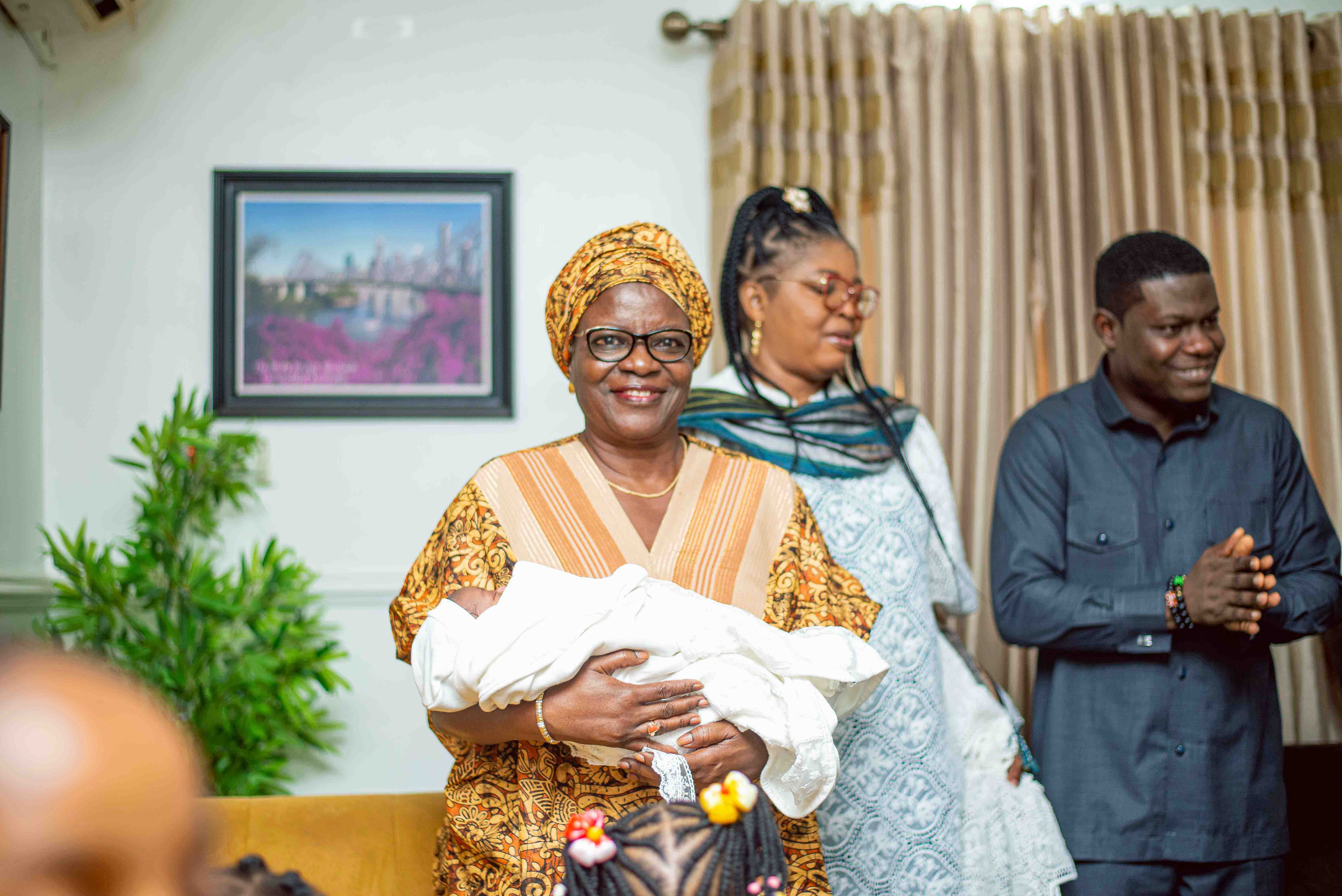
The Igbo ceremony (igu aha) follows a different but equally meaningful structure. It begins with ancestral recognition: the paternal grandparents officiate, and wine libations may be poured to acknowledge ancestors and formally notify them of the child's arrival. Kola nut is broken and prayers are offered. In some communities, a live plant or tree is planted during the ceremony to represent the child's life and growth.
The naming itself is done by the paternal grandfather or the eldest family elder. Two names are typically given, one from each side of the family. Igbo names carry messages: Chukwuemeka ("God has done great things"), Nkechi ("the one God gave"), Obioma ("good heart"), Somtochukwu ("follow me and praise God").
Planning the Celebration
The Space
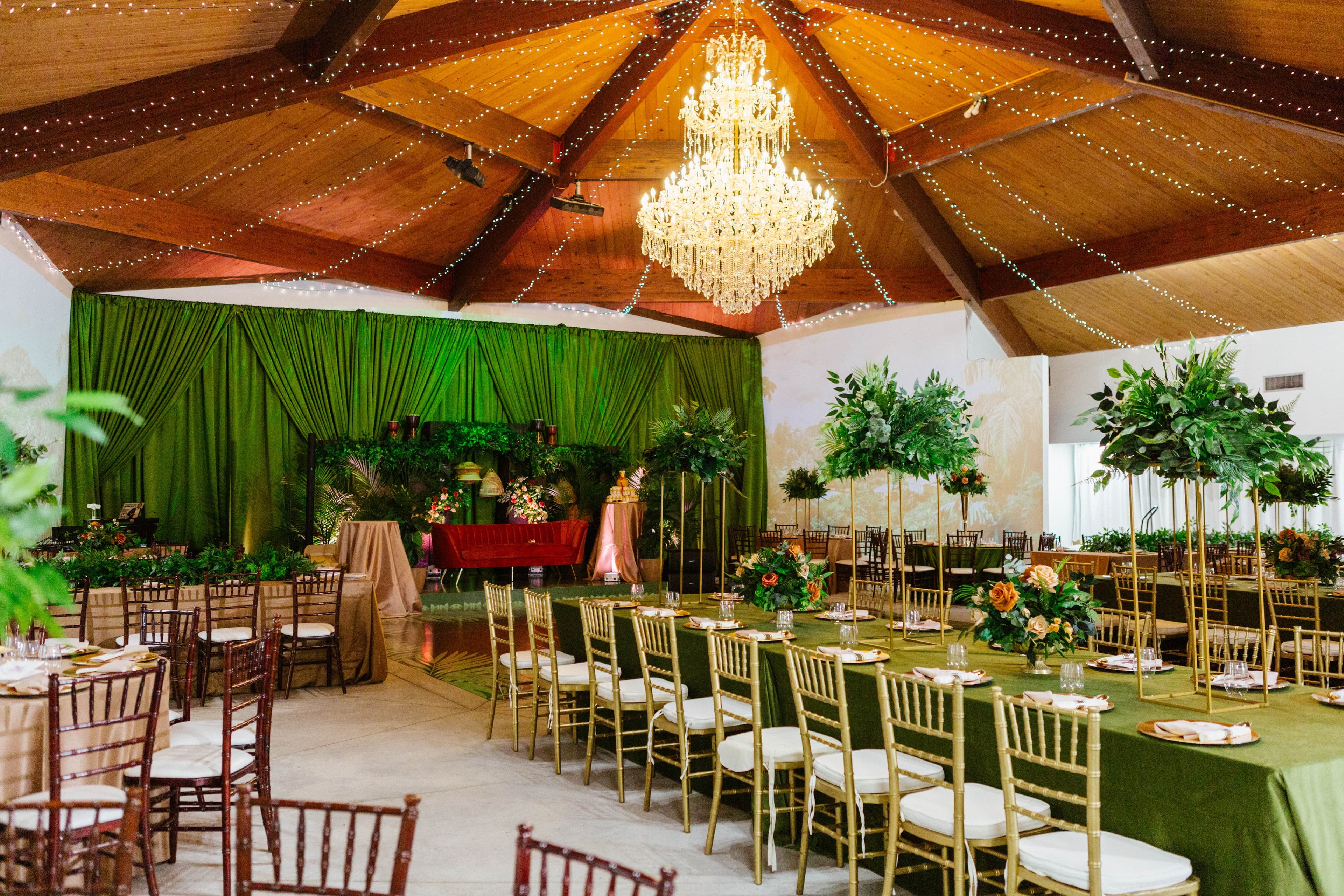
In the US, most naming ceremonies happen at home. You don't need a ballroom. A living room, dining room, or backyard setup works perfectly. For larger celebrations (80+ guests), renting a small event space or using a church fellowship hall gives you more room.
Set up chairs in a circle or semicircle around where the ceremony will take place. The baby, parents, and officiant should be at the center. Keep it simple: the focus is the child, not the decor. If you want decorations, balloons, a welcome sign with the baby's name and meaning, and a small photo display of the parents and grandparents are more than enough.
The Food
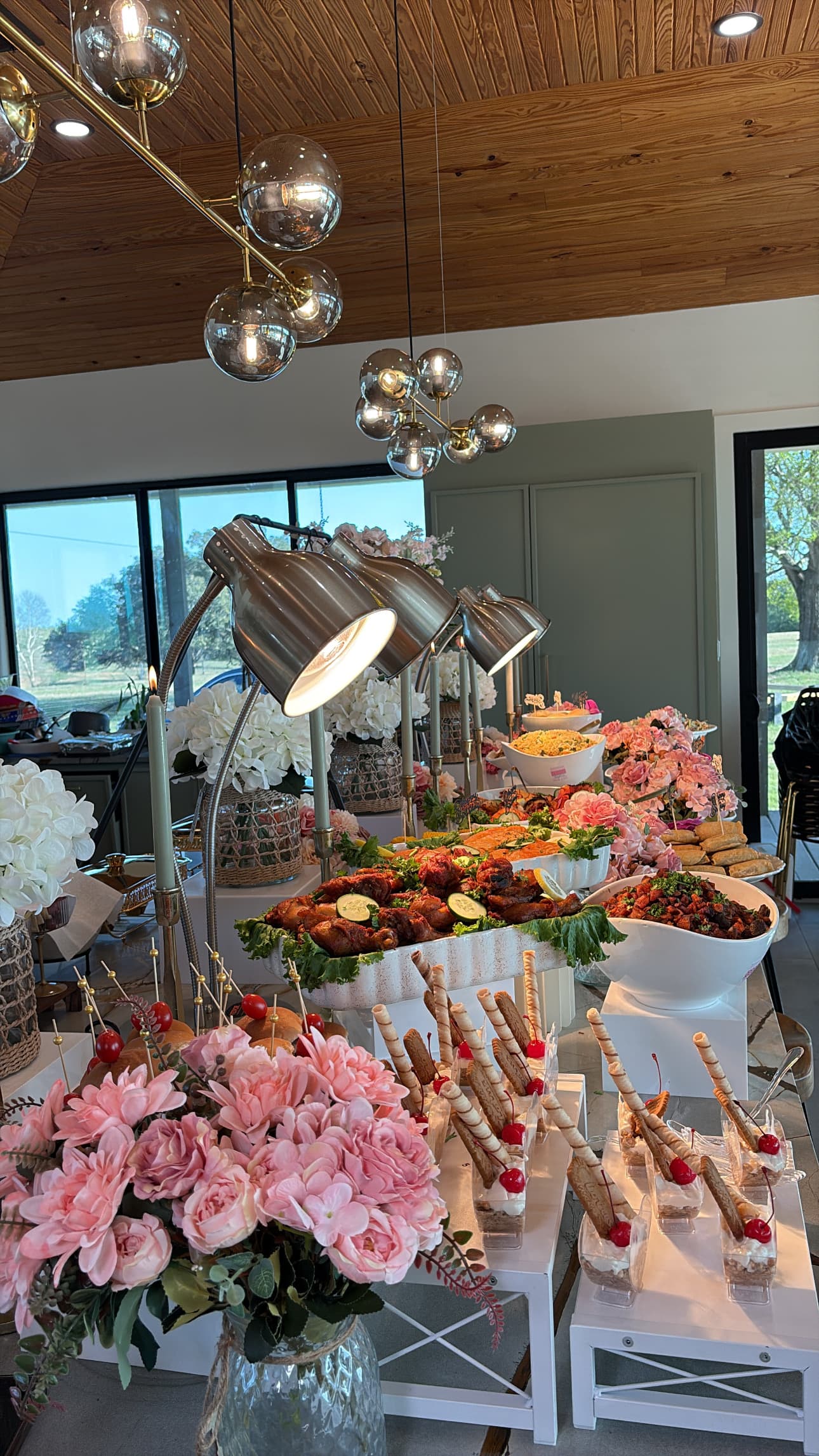
After the ceremony, food is served. This is not optional. People came early in the morning, many took time off work, and they expect to eat. The spread depends on your family's background and your budget, but the standards are:
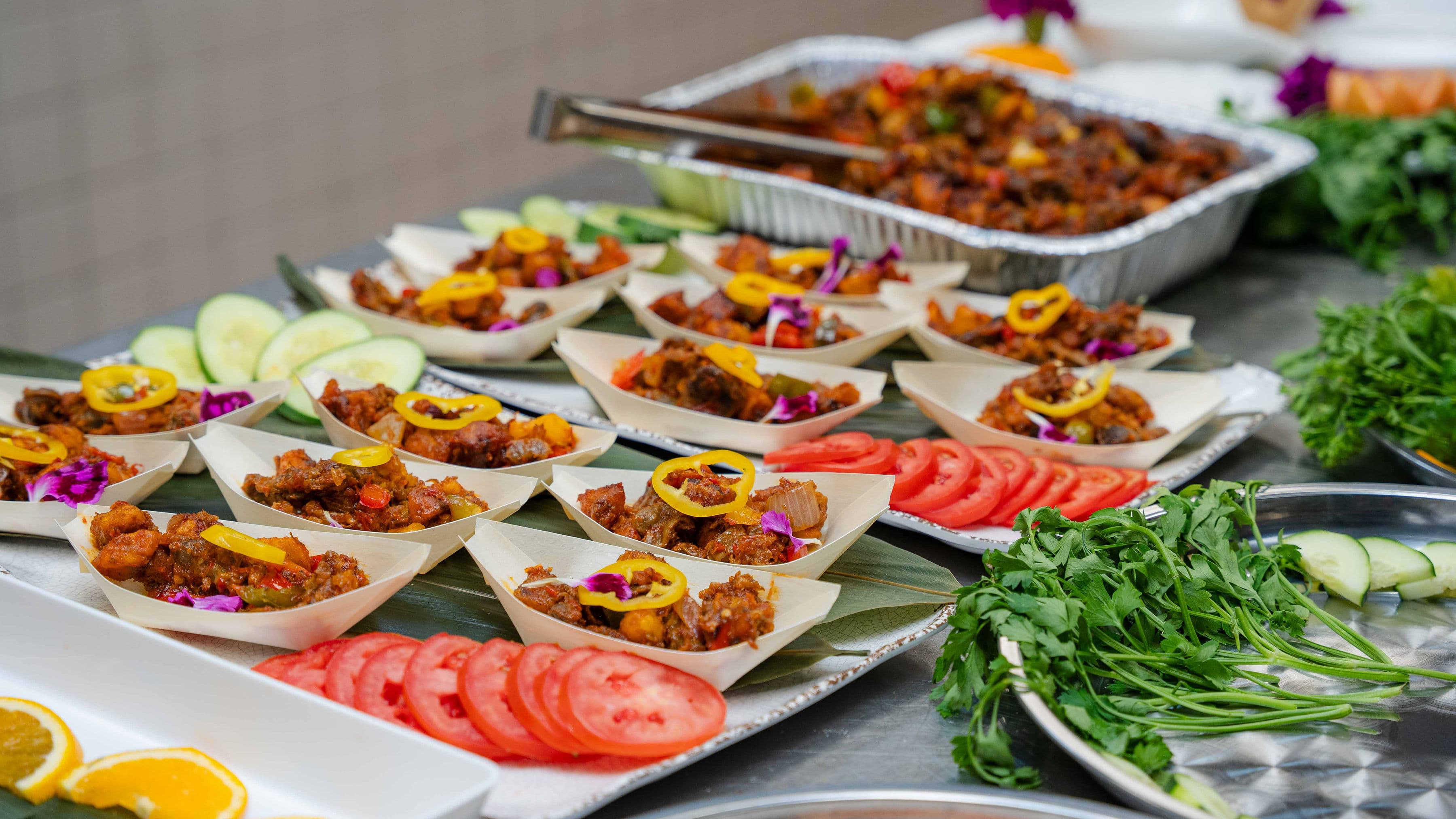
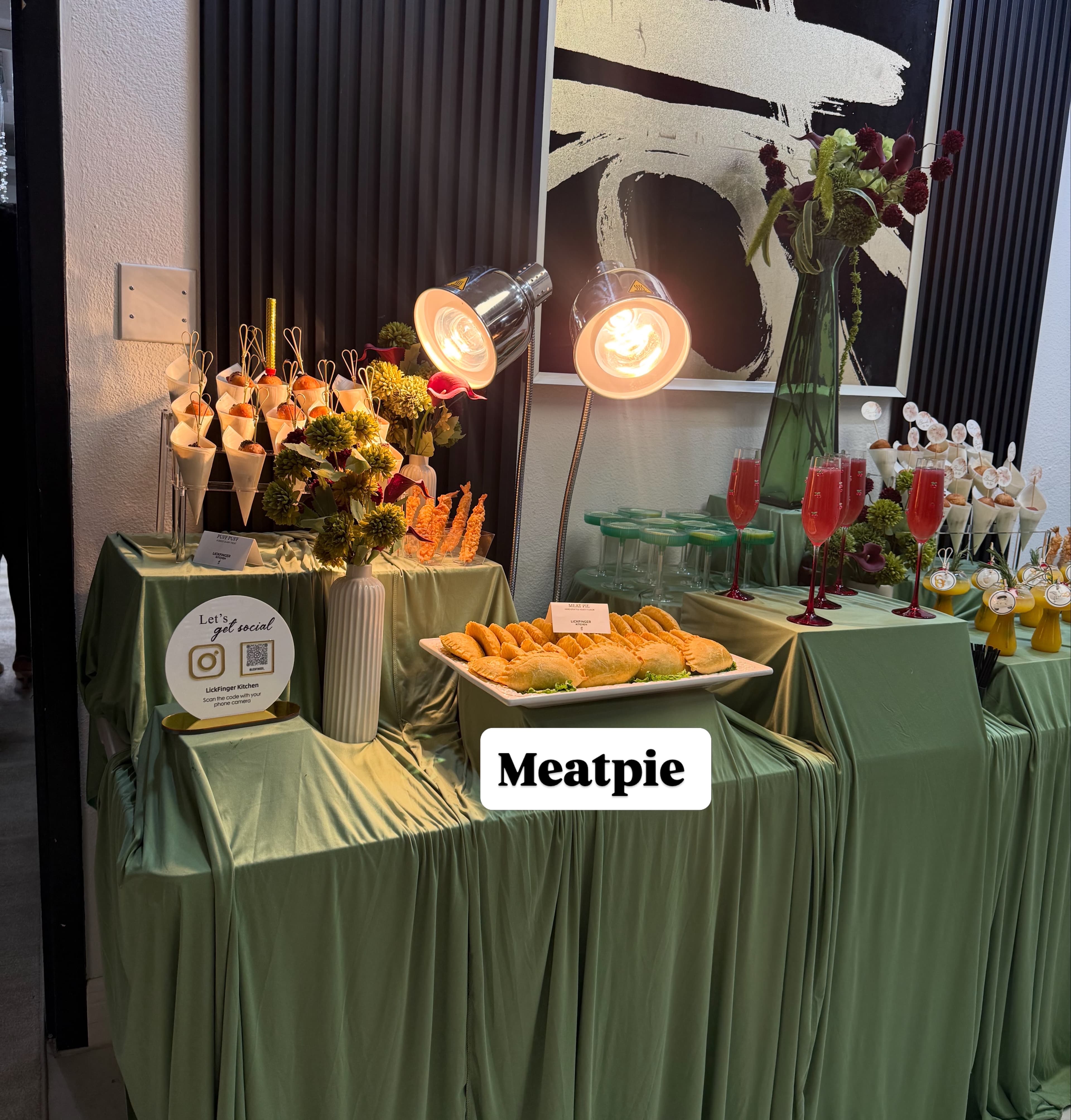
Jollof rice (party-style, always). Fried rice. Assorted proteins (fried chicken, peppered beef, fried fish). Moi moi (steamed bean pudding, especially popular at Yoruba naming ceremonies). Pounded yam or amala with egusi or ewedu soup (for a more traditional touch). Small chops (puff-puff, spring rolls, samosa) if you want to add a cocktail-style element.
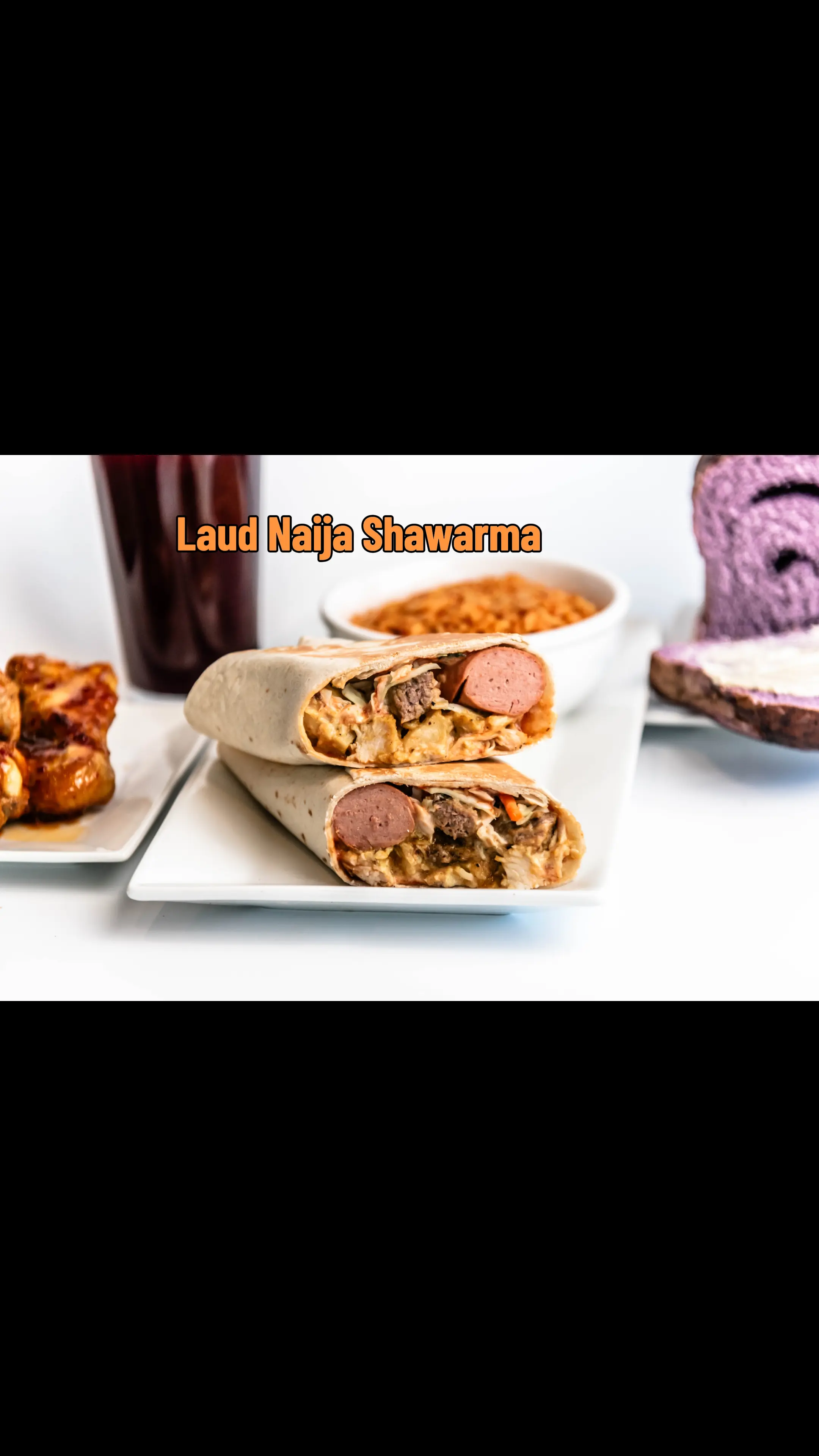
Many families handle naming ceremony food themselves: the mother's friends, sisters, and aunties each take responsibility for one or two dishes. This communal cooking is part of the tradition. If you'd rather hire a caterer, Nigerian caterers across the US can handle naming ceremony-sized events. Our Nigerian wedding catering guide covers how to find the right cook, pricing, and portion planning; the same principles apply here, just at a smaller scale.
🇳🇬Nigerian Catering & Food on EventAtlas


Join the growing Nigerian catering community on EventAtlas. with a vendor.
Drinks
Soft drinks, bottled water, Chapman (the classic Nigerian mixed drink), zobo (hibiscus drink), and fruit juice are the basics. Many families also serve palm wine (for traditional ceremonies) or champagne/wine for toasting the baby. Beer and other alcohol depend on the family's preferences and religious practice.
Music and Atmosphere
Naming ceremonies are joyful, not solemn. After the formal ceremony and naming, the mood shifts to celebration. A Bluetooth speaker with a playlist of juju, highlife, gospel, and Afrobeats is all you need. Our Nigerian wedding DJ guide has genre recommendations that work just as well for a naming ceremony. If your family wants live music, a small juju band or a talking drummer adds a beautiful traditional touch.
Photography
Hire a photographer or designate someone with a good camera to capture the ceremony. The moments when the symbolic items are presented, when each name is announced, and when grandparents hold the baby for the first time are the shots you'll treasure. A 1 to 2 hour photography session is enough.
We’re growing the Nigerian photography community on EventAtlas.
What It Costs
Naming ceremonies are significantly less expensive than weddings. For a home-based ceremony with 50 to 100 guests:
Food (homemade, communal effort): $300 to $800. Food (catered): $800 to $2,500. Drinks: $100 to $300. Ceremony items (honey, kola nut, salt, etc.): $20 to $50. Decorations (minimal): $50 to $200. Photography: $200 to $500. Officiant/church donation: $50 to $200. Outfit for baby and parents (aso oke or traditional attire): $100 to $500.
Total range: $500 to $3,000+ depending on how large and how catered the celebration is.
For a larger event at a rented space with full catering and a DJ, expect $3,000 to $8,000.
Adapting for the Diaspora
The timing challenge. The eighth day after birth often falls on a weekday. Many US-based families hold a brief, intimate ceremony on the actual day (early morning before work, with just grandparents and siblings) and then a larger celebration on the following Saturday for everyone else. This preserves the spiritual timing while accommodating American work schedules.
When grandparents can't be there. If the baby's grandparents are in Nigeria, set up a video call during the naming. The grandfather can announce the baby's name over Zoom. It's not the same as being there, but it keeps them in the ceremony.
Educating non-Nigerian guests. If your guest list includes non-Nigerian friends, coworkers, or your partner's family, a brief printed program explaining the ceremony's significance and the meaning of each symbolic item helps everyone feel included. Our Nigerian traditional wedding guest guide covers the cultural context that first-time attendees find helpful.
Combining with a church dedication. Many Christian Nigerian families in the US combine the traditional naming ceremony with a church baby dedication. The traditional ceremony happens at home in the morning, and the church dedication follows on a Sunday within the first few months. Both are meaningful, and doing both gives the child roots in two traditions.
🇳🇬Nigerian Event Planning on EventAtlas





Join the growing Nigerian event-planning community on EventAtlas. with a vendor.
Why It Matters
In Yoruba culture, there's a saying: "Oruko rere san ju wura ati fadaka lo." A good name is worth more than gold and silver. The naming ceremony is the moment your child receives that wealth. Every name spoken over them is a prayer, a history lesson, and a declaration of who their family believes they can become.
In the diaspora, these ceremonies carry extra weight. They're how you tell a child born in an American hospital that they belong to something older and bigger than the city on their birth certificate. The honey on their lips, the kola nut blessed by an elder, the names that connect them to grandparents they may not yet have met: this is how identity is built, one ceremony at a time.
For help finding Nigerian event vendors, caterers, photographers, and planners for your naming ceremony, visit EventAtlas or reach out at hello@tryeventatlas.com.
Header image: "Naming Ceremony 007.jpg" by MediaMOF, via Wikimedia Commons, licensed under CC BY-SA 4.0. Cropped/resized for this article.
Related Posts
More reading on themes you might be exploring.
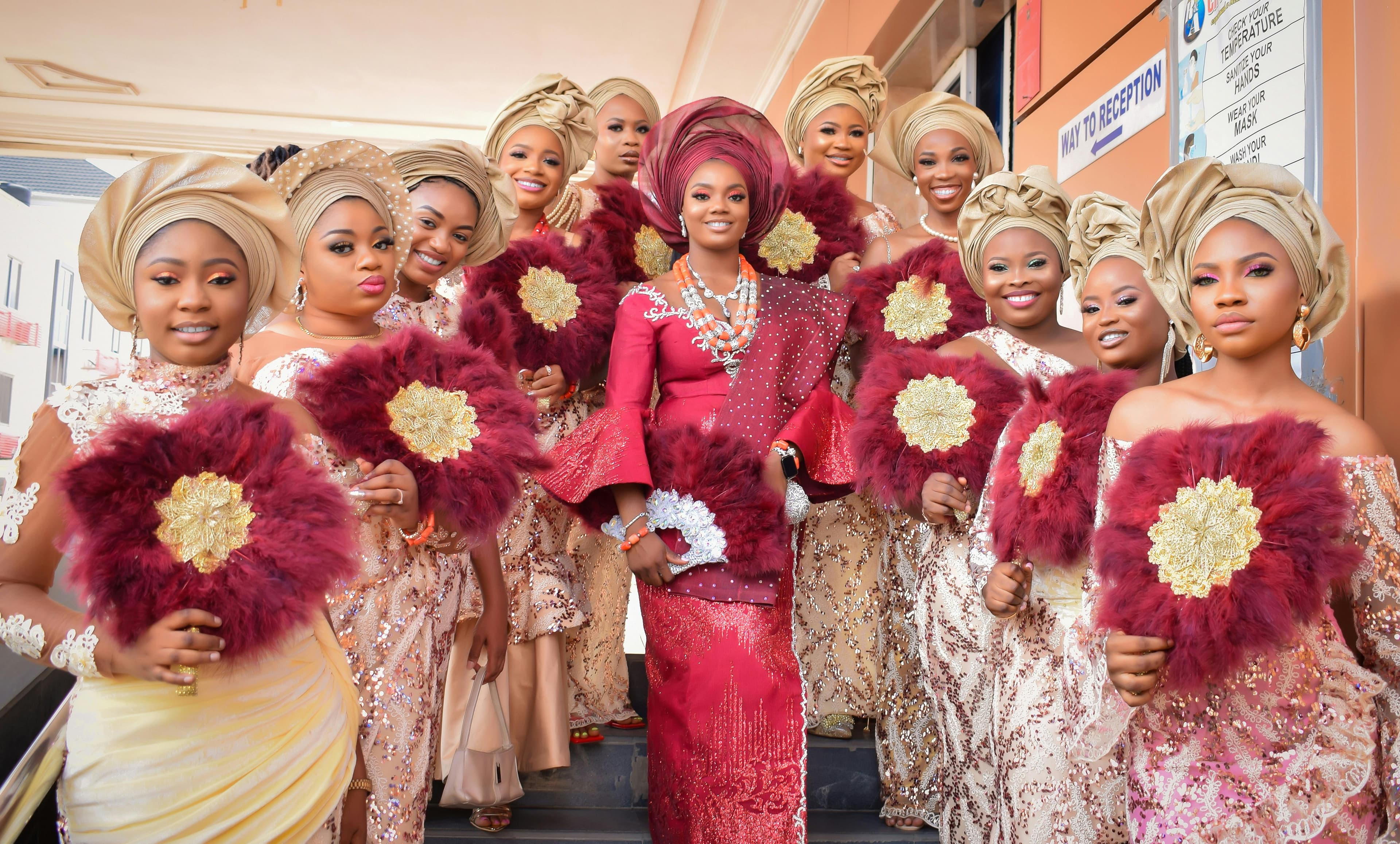
What to Expect at a Nigerian Traditional Wedding: A Guest's Guide
Your coworker just invited you, handed you an aso ebi color swatch, and casually mentioned something about "spraying." Here's everything a first-timer needs to know about attending a Nigerian traditional wedding, from the alaga's comedy routine to the palm wine search to how many singles to bring for the dance floor.
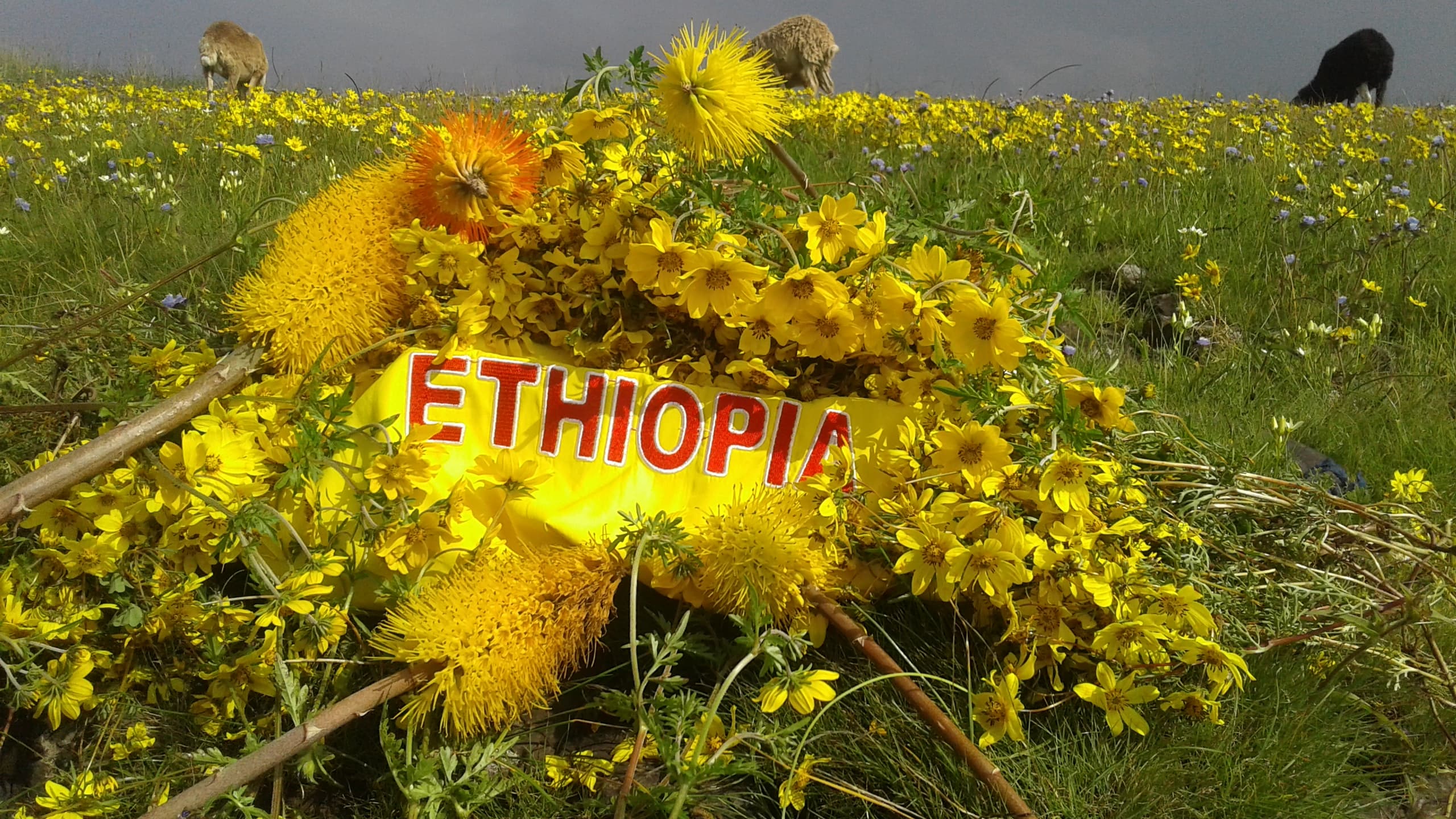
How to Celebrate Enkutatash (Ethiopian New Year) in the US
On September 11, 2026, Ethiopia enters the year 2019. Enkutatash, the Ethiopian New Year, means "gift of jewels" and marks the end of the rainy season with yellow flowers, doro wot feasts, and coffee ceremonies that fill the house with frankincense smoke. Here's how the 200,000+ Ethiopian-Americans in the DC area and communities nationwide keep the tradition alive.
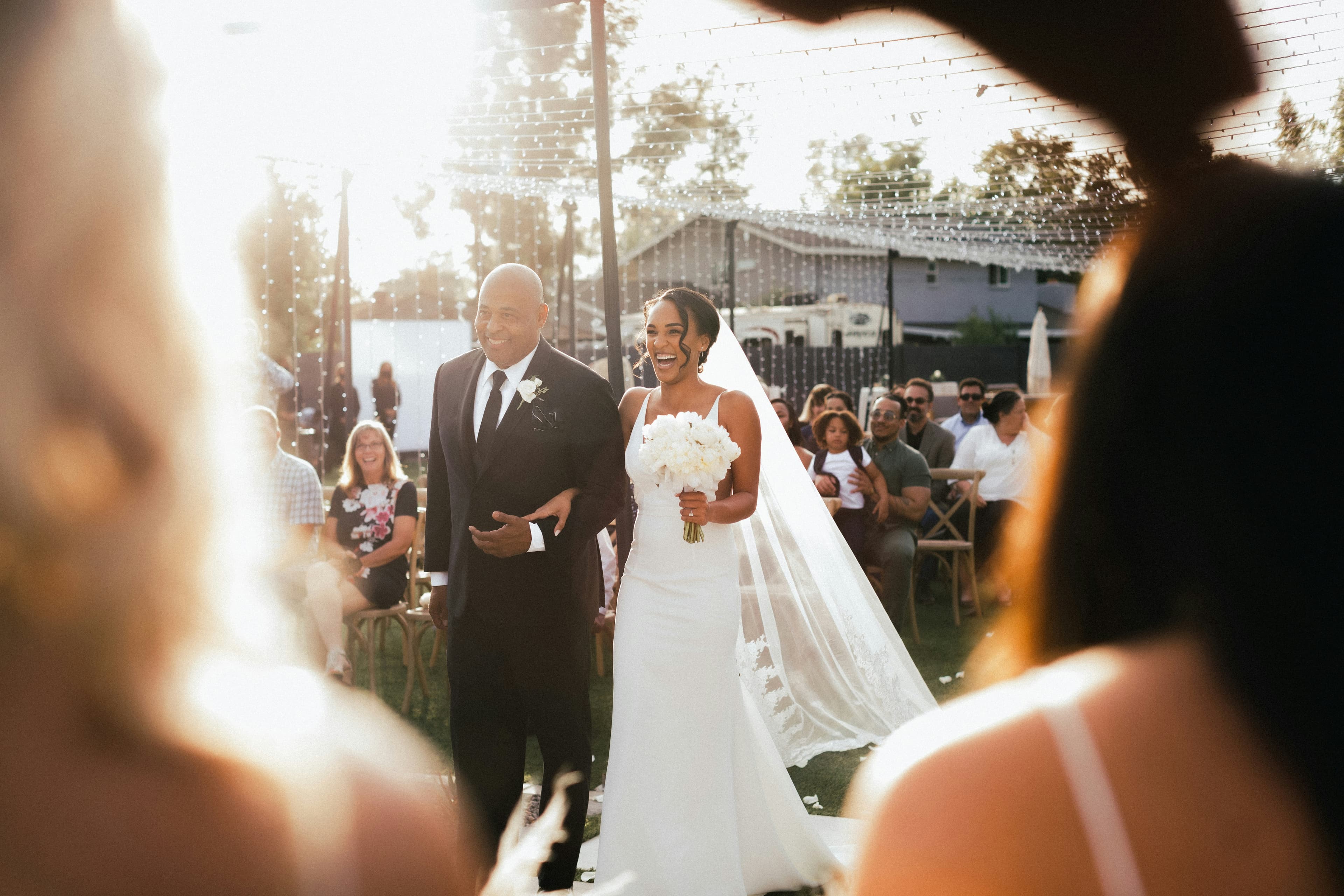
Planning a Jamaican Wedding in the US: Traditions Your Guests Will Never Forget
The black cake has been soaking in rum since you got engaged, your auntie claimed the curry goat, and your DJ knows if he doesn't play "Is This Love" at least once your grandmother will unplug his speakers. Here's how to plan a Jamaican wedding in the US: the cake procession, the money dance, the music arc from reggae to dancehall, and why the party doesn't end until Tun T'anks Sunday.
Planning a Cultural Celebration?
Find vendors who understand your traditions and can make your event truly special.
Find Vendors