
Traditional Greeting
Feliz Día de los Muertos — note this is a holiday of remembrance more than festivity, so a warm, gentle tone fits better than a celebratory one
feh-LEES DEE-ah deh lohs MWER-tohs
A Reunion, Not a Mourning
Día de los Muertos, the Day of the Dead, is a Mexican celebration rooted in both Indigenous (Mexica/Aztec) belief and Catholic All Saints' and All Souls' Days. Its premise is tender: once a year, the boundary between worlds thins, and the spirits of the departed come back to visit. So rather than mourn, families prepare a welcome. It's a holiday about memory, continuity, and the idea that death is a natural part of life, to be met with marigolds and favorite foods rather than fear.
It unfolds over two days. November 1 is Día de los Angelitos, honoring children who have died, and November 2 is the main day for departed adults. UNESCO recognizes the tradition as part of humanity's intangible cultural heritage, and it's worth saying plainly: despite the timing and the skulls, it is not Halloween, and treating it that way misses the entire point.
How It's Celebrated
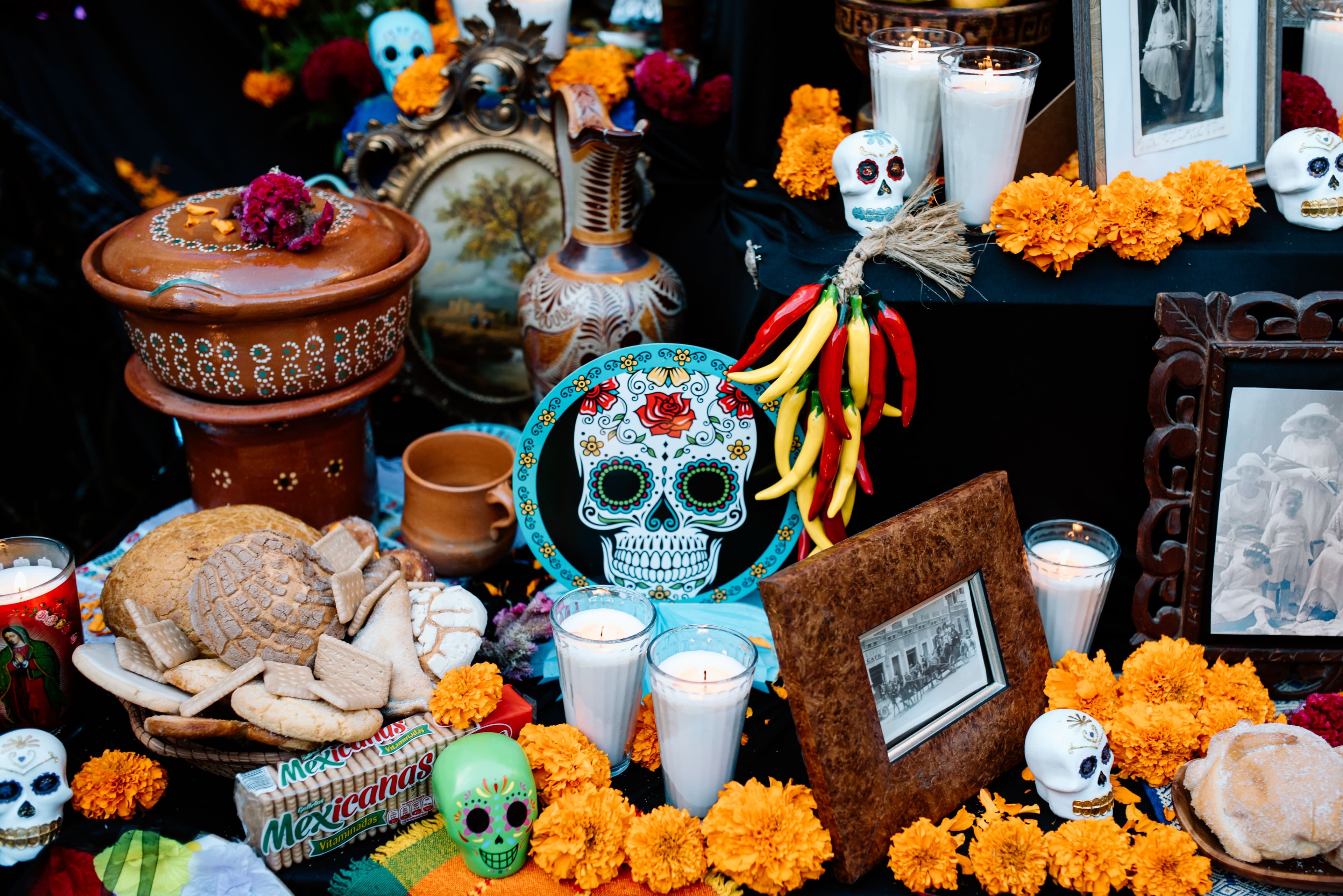
At the center is the ofrenda, the home altar built to welcome the dead. Families layer it with photographs of those they've lost, candles to light the way, cempasúchil (marigolds) whose scent and color guide the spirits home, glasses of water and sometimes salt, copal incense, papel picado (cut-paper banners) representing the wind, and the departed's favorite foods and drinks, mole, tamales, fruit, a bottle of tequila or mezcal.
Pan de muerto, a round sweet bread topped with bone-shaped dough and dusted in sugar, is baked specially for the season. Calaveras de azúcar (sugar skulls), often personalized with a name across the forehead, sit on the altar as a playful nod to death. Families visit and clean graves, decorating them with marigolds and candles and holding vigils that turn cemeteries into glowing, music-filled gatherings. Presiding over it all is La Catrina, the elegant skeleton in her plumed hat, a reminder that death comes for everyone regardless of status.
Día de los Muertos in the US
In the US, Día de los Muertos has grown into one of the most visible Mexican cultural celebrations, with large public events in Los Angeles, San Antonio, Chicago, and across the Southwest, community ofrenda exhibitions, processions, and Catrina face-painting. Many Mexican American families keep a home ofrenda regardless of the public festivities.
The hardest part of the diaspora version is distance from the graves. The cemetery vigil, so central back home, often isn't possible when loved ones are buried in Mexico, so the home ofrenda carries more weight as the place of connection. Cempasúchil can be hard to source fresh, so families use potted marigolds or paper ones, and pan de muerto now appears in Mexican bakeries and even mainstream grocery stores each October. The other ongoing work is cultural: teaching kids, and non-Mexican neighbors, that this is reverent remembrance, not a costume party.
If You're Invited
If a family invites you to see their ofrenda, treat it as the intimate gesture it is. It's lovely to bring marigolds, pan de muerto, or a candle, and you can ask about the people in the photos; sharing their stories is the whole point. Face painting (Catrina style) is welcome when done respectfully as participation, not costume. Don't take photos of someone's altar or a grave without asking. A warm, simple acknowledgment of the day is enough.
What Families Hire For
Large community celebrations and elaborate ofrendas often bring in decorators for the marigold-and-papel-picado setting, caterers for pan de muerto and the traditional spread, and face-painting artists for Catrina looks. If you're planning other Mexican celebrations, our Mexican wedding traditions guide maps the same network of Mexican decor, catering, and music vendors in the US.
Traditions & Customs
- ofrenda
- cempasúchil
- pan de muerto
- calaveras de azúcar
- La Catrina
Vendors You Might Need
Browse Mexican vendors who specialize in the services this event usually calls for.


Join the growing Mexican vendor community on EventAtlas. with a vendor.
Related Guides
Planning tips and inspiration from the EventAtlas blog.
How to Plan a Mexican Wedding in the US That Honors Your Family's Traditions
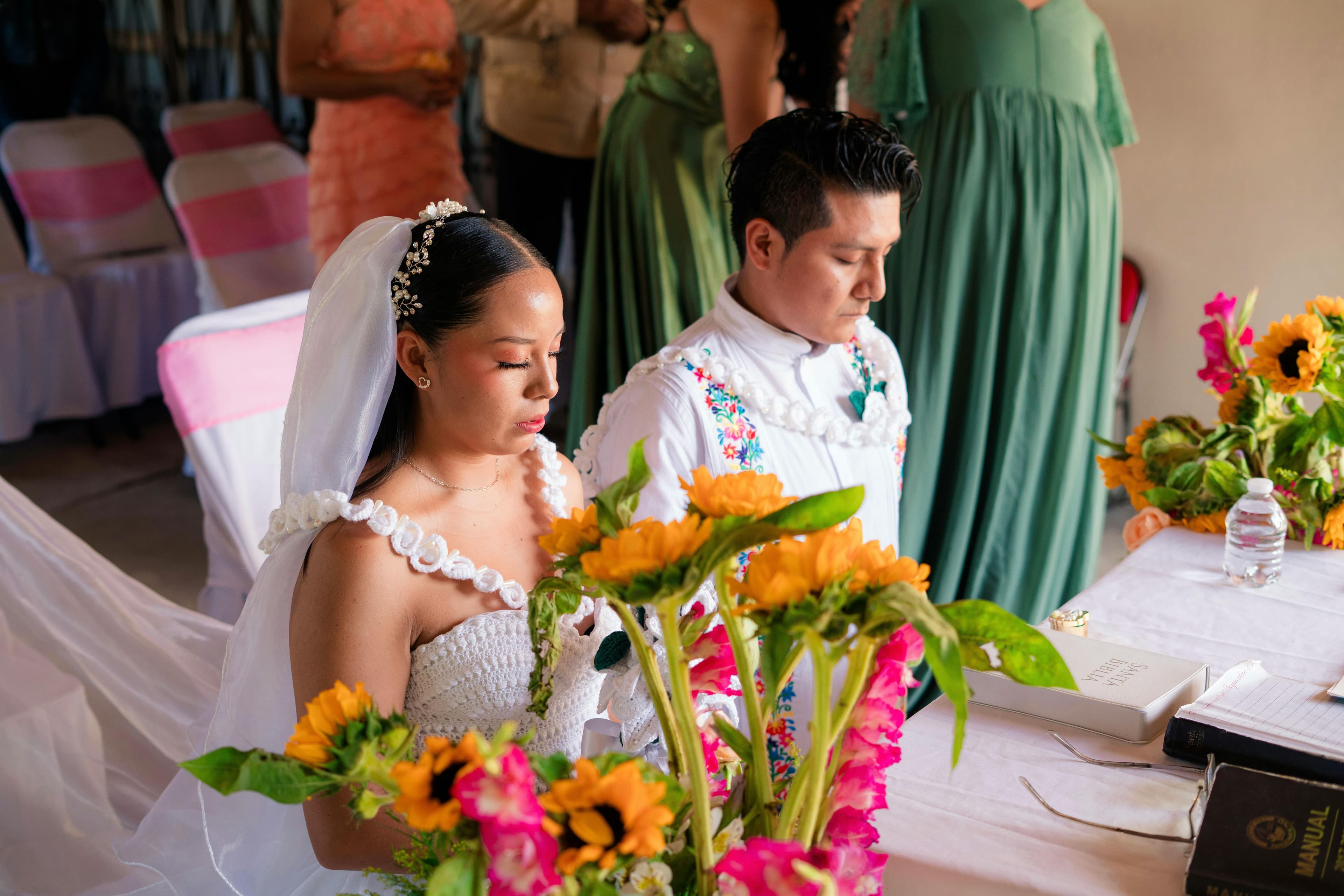
Your mom claimed the mole recipe, your tía is asking about the mariachi, and your American college roommate just texted asking what she should wear. Here's how to pull off a Mexican wedding in the US that gets the lazo, arras, and víbora de la mar right while keeping your abuela happy and your non-Mexican guests included.
A Practical Guide to Planning a Quinceañera in the US
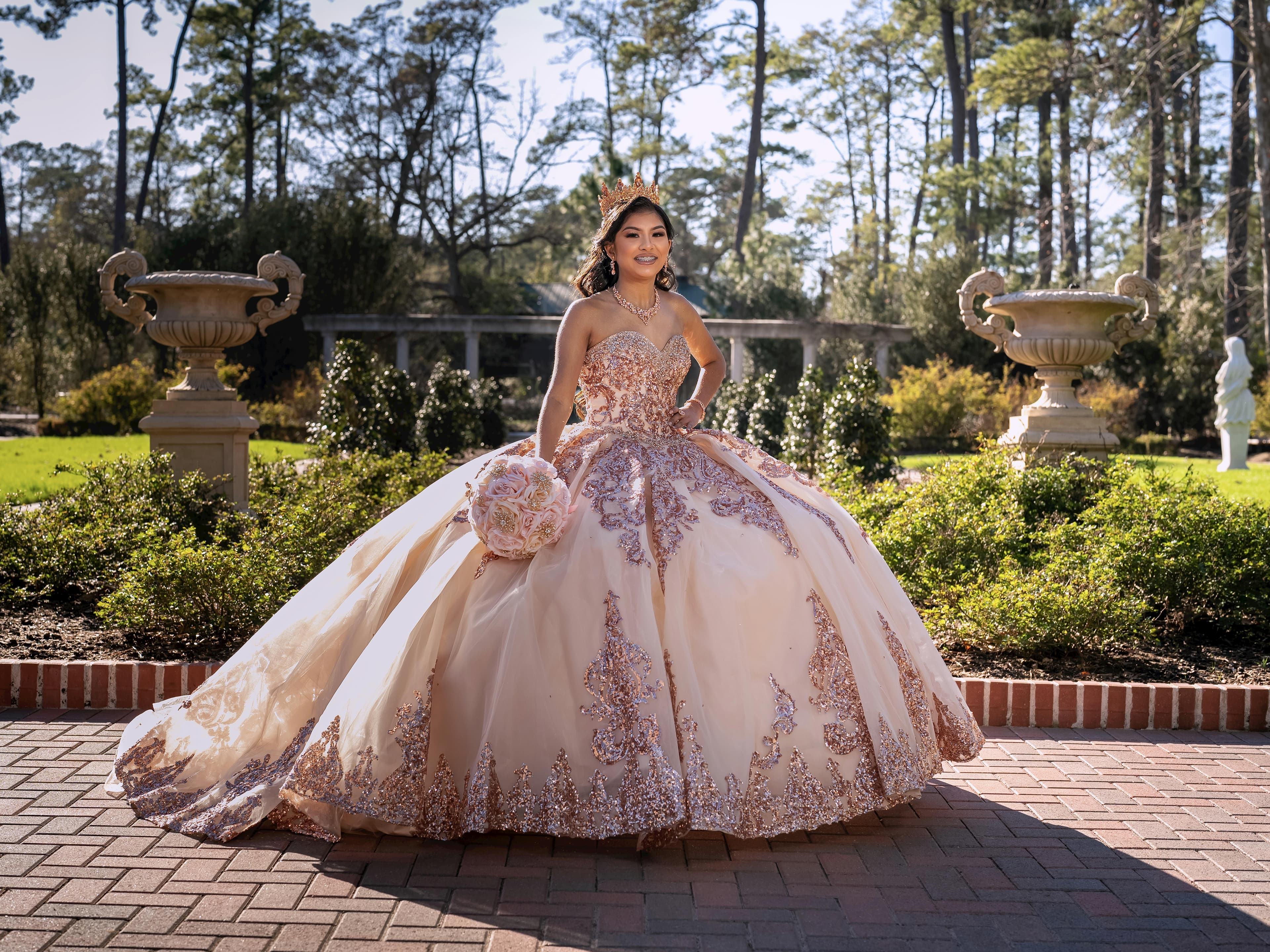
Planning a quinceañera is essentially planning a wedding where the guest of honor is a teenager with strong opinions about the color scheme. Here's the full breakdown: budget ranges from $5K to $50K, a month-by-month timeline, what each tradition actually involves, and the mistakes that derail the reception.