
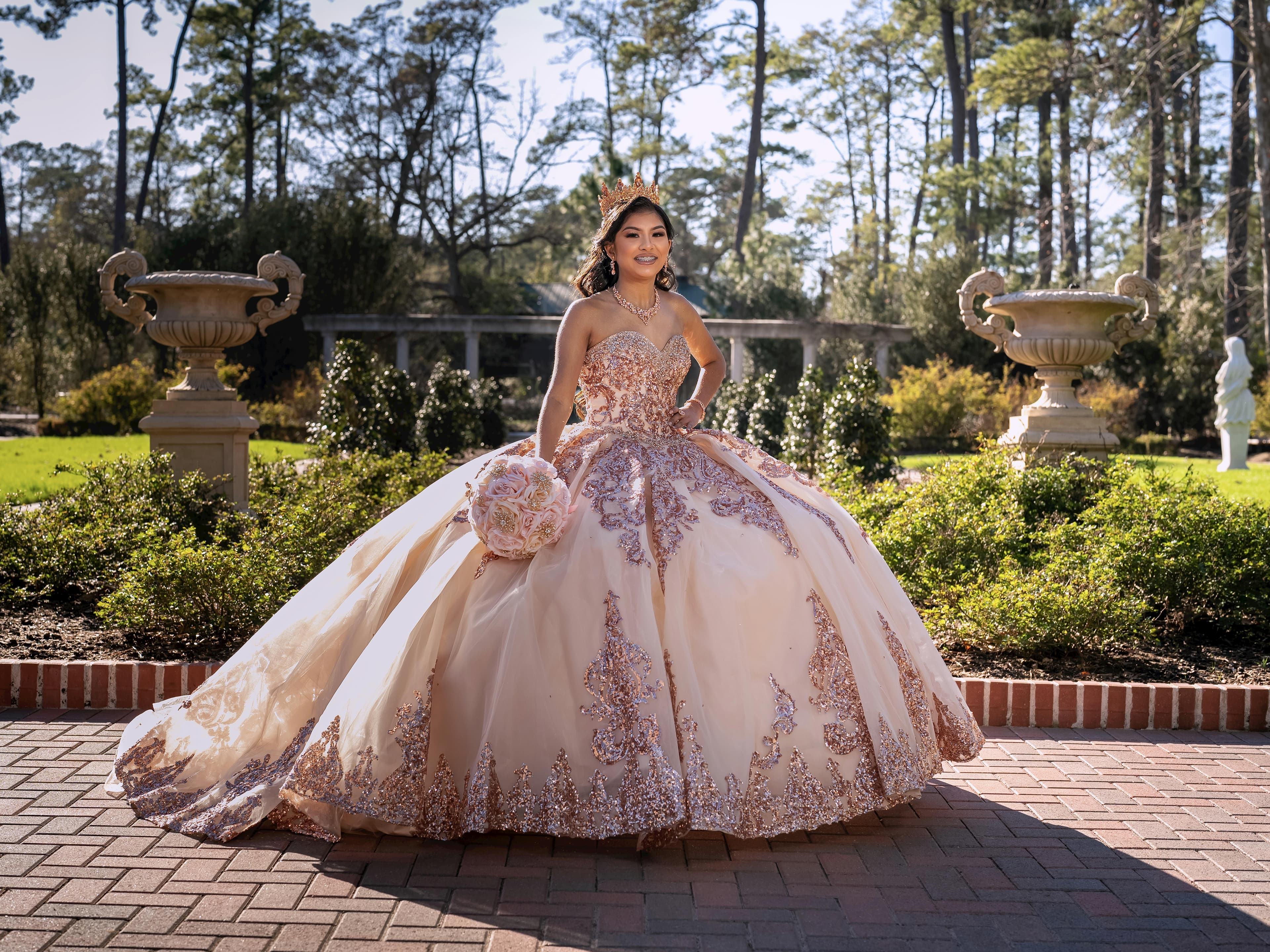
A Practical Guide to Planning a Quinceañera in the US
Planning a quinceañera is essentially planning a wedding where the guest of honor is a teenager with strong opinions about the color scheme. Here's the full breakdown: budget ranges from $5K to $50K, a month-by-month timeline, what each tradition actually involves, and the mistakes that derail the reception.
Your daughter has been talking about her quinceañera since she was nine. Your mom has been talking about it since your daughter was born. And now that it's actually happening, you're realizing that planning a quinceañera is essentially planning a wedding, except the guest of honor is a teenager with very strong opinions about the color scheme.
A quinceañera marks a girl's 15th birthday and her transition from childhood to young womanhood. It's one of the most significant celebrations in Mexican and Latin American culture, typically beginning with a Catholic Mass (the misa de acción de gracias) and followed by a reception that can range from an intimate family gathering to a 300-person production with choreographed dances, a live band, and a dress that could double as a ball gown. If you're planning one in the US, you're balancing cultural tradition with American logistics, family expectations with a teenage girl's personal vision, and all of it against a budget that can surprise you if you're not prepared.
Here's how to actually pull it off.
Start with the Budget (Before Your Mom Starts Calling Vendors)
Quinceañeras in the US typically cost between $5,000 and $20,000, though elaborate celebrations can push past $30,000 or even $50,000 for large guest lists with premium venues and full production. The quinceañera industry in the US tops $400 million annually, so there's no shortage of vendors ready to help you spend.
The biggest cost drivers are guest count, venue, and catering. Those three items alone can eat 50 to 60% of your total budget. Here's a rough allocation framework:
Catering and beverages: 30 to 35% of your budget. Venue: 10 to 15% (unless it's an all-inclusive package). Entertainment (DJ, live band, choreographer): 10 to 12%. Photography and videography: 8 to 11%. The dress and accessories: 8 to 10%. Decorations and florals: 5 to 7%. Invitations and stationery: 2 to 3%. Cake: 2 to 3%. Church ceremony: 3 to 4%. Miscellaneous and contingency: 10%.
One of the most important financial traditions in quinceañera planning is the role of padrinos and madrinas (godparents and sponsors). In many Mexican and Latin American families, padrinos contribute financially to specific elements of the celebration. One padrino might sponsor the cake, another the DJ, another the dress. This isn't charity; it's a cultural practice that distributes the cost across the extended family and community. If your family observes this tradition, have those conversations early. Know who's sponsoring what before you sign contracts.
The Timeline: When to Start What
10 to 12 months before: Set the budget, start the guest list, choose a date, and contact your parish to schedule the Mass. Catholic churches often have specific requirements for quinceañera Masses, including preparation classes or retreats that the girl must complete beforehand. Some parishes schedule these sessions months in advance, so call early. Begin venue shopping immediately after the church is confirmed, since your ceremony time dictates when your reception can start.
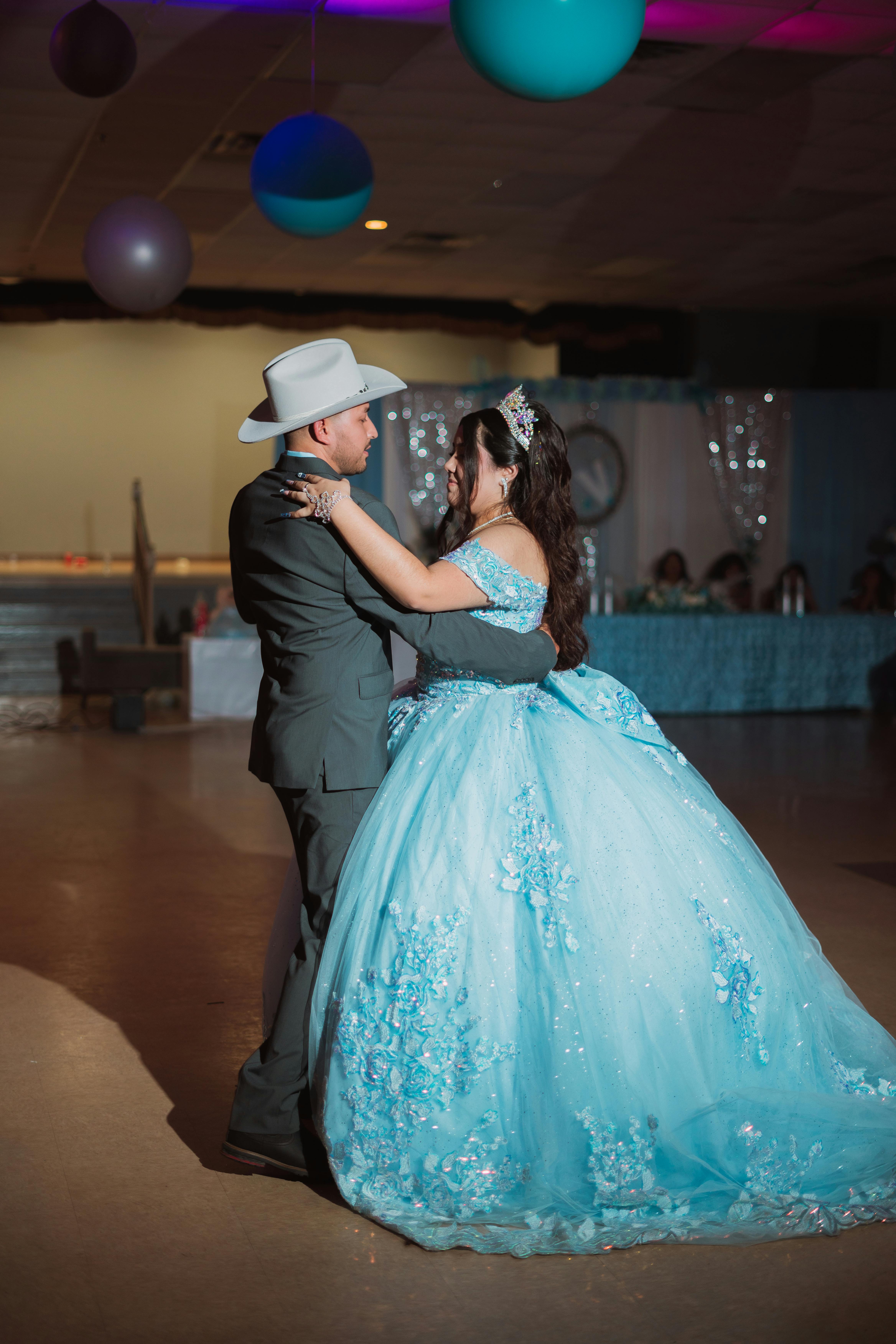
8 to 10 months before: Book the venue, and start shopping for the dress. Quinceañera dresses can take months if you're ordering from a designer or need significant alterations. The traditional look is a ball gown, often in pastels (blush pink, lavender, baby blue) or bold jewel tones (royal blue, emerald, burgundy). Prices range from $200 to $800 at most quinceañera boutiques, though designer gowns can go much higher. Don't forget the tiara, shoes (both flats for the ceremony and heels for the changing of shoes ritual), and jewelry.
6 to 8 months before: Book your photographer, videographer, DJ or live band, and caterer. If you want a mariachi for the ceremony or cocktail hour, book them now too. Good mariachi groups and bilingual DJs book months in advance, especially during peak quinceañera season (spring and summer). Start selecting your court of honor and reach out to those friends and family members. Begin coordinating their attire.
4 to 6 months before: Send out invitations (2 to 3 months before the event is standard). Hire a choreographer for the waltz and surprise dance, and begin rehearsals. Finalize the menu with your caterer. Order the cake. Begin planning decorations and confirm your theme and color palette with the decorator.
2 to 3 months before: Final dress fitting and alterations. Rehearsals for dances should be well underway. Confirm all vendor contracts and payment schedules. Plan the order of events for the reception. Coordinate with the church on ceremony details (readings, prayers, music).
1 month before: Final headcount to the venue and caterer. Rehearsal for the court of honor. Confirm all logistics: transportation, timeline, vendor arrival times. Prepare any ceremonial items (the last doll, the Bible, the rosary, the ring, the cushion for the changing of shoes).
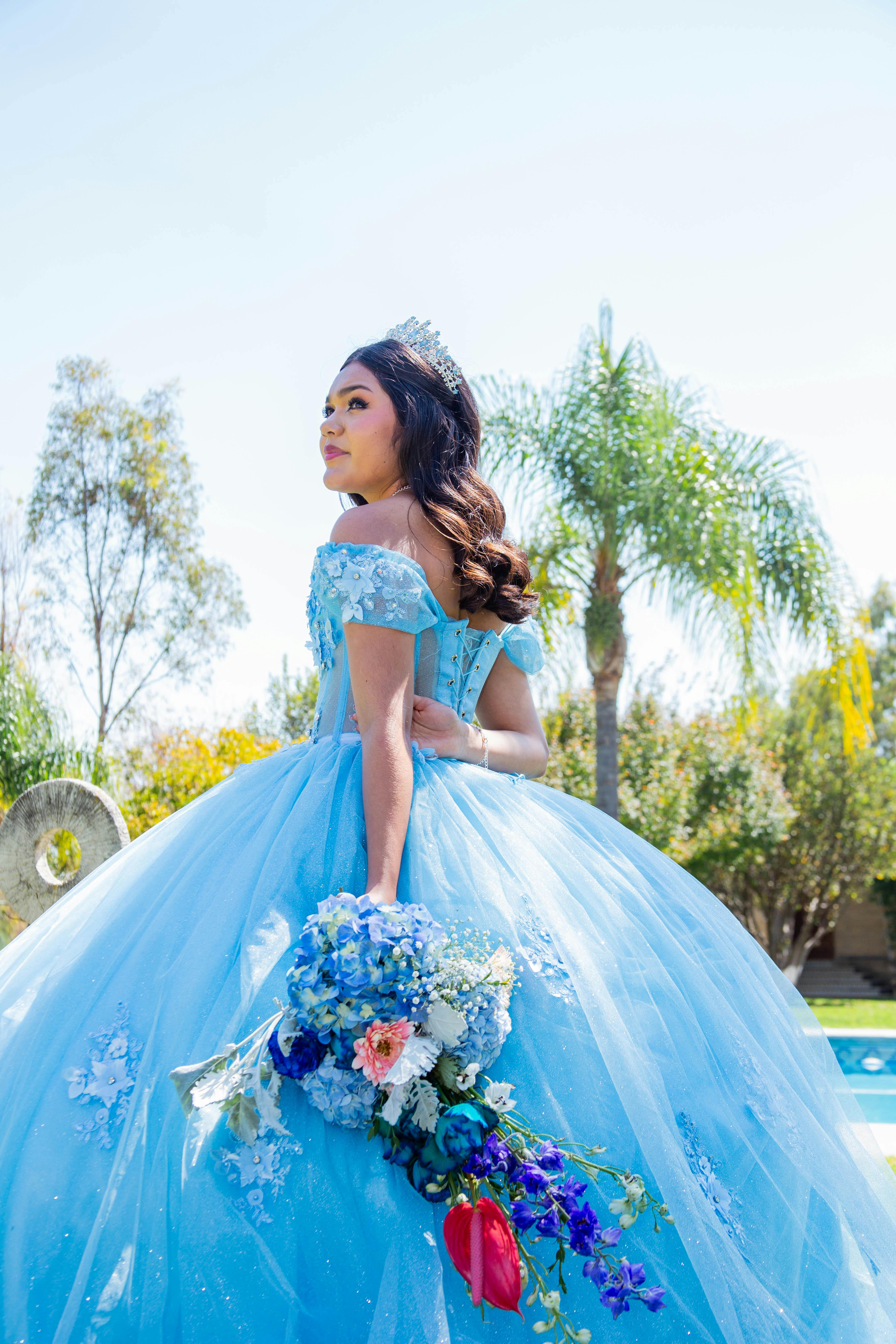
The Traditions: What They Mean and How to Plan Them
Not every quinceañera includes every tradition, and that's fine. Some families observe all of them; others pick the ones that resonate most. Here's what the major traditions involve so you can decide what to include and plan accordingly.
The Mass (Misa de Acción de Gracias). The religious ceremony is the spiritual heart of the quinceañera. It's a thanksgiving Mass where the girl reaffirms her faith, receives a blessing from the priest, and is presented to God and the community as a young woman. The quinceañera typically wears her gown to the Mass, accompanied by her court of honor. Some parishes allow decorations in the church (flowers, bows on pews); others don't. Ask your church about their specific policies, including whether photography is permitted during the service.
The Court of Honor (Corte de Honor). Traditionally, the court consists of 14 damas (girls) and 14 chambelanes (boys), each pair representing one of the 14 years of the quinceañera's childhood, with the quinceañera herself completing the count to 15. In practice, modern quinceañeras in the US often have smaller courts, sometimes as few as 4 to 7 pairs. Court members typically wear coordinating outfits (matching dresses for the damas, suits or tuxedos for the chambelanes) and participate in the waltz and other dances. They're usually between 14 and 18 years old. Coordinating 14 teenagers' schedules for dance rehearsals is its own logistical challenge, so keep your court size realistic.
The Waltz (Vals). The quinceañera's first formal dance, typically a waltz performed with her father and then with her court. This is a rehearsed, choreographed number that often takes weeks of practice. Many families hire a choreographer ($200 to $800 depending on the number of sessions and complexity). The waltz is usually followed by a surprise dance (baile sorpresa), which is a more contemporary, upbeat number that lets the quinceañera and her court show off more modern moves. Think of it as the difference between the first dance and the party: one is elegant and traditional, the other is for the crowd.
The Changing of Shoes (Cambio de Zapatos). The quinceañera arrives in flat shoes, symbolizing childhood. During the reception, her father (or a significant male figure) replaces them with high heels, symbolizing her step into womanhood. This is a brief but emotional moment. Have the heels ready and make sure they're comfortable enough to dance in.
The Last Doll (Última Muñeca). The quinceañera receives a special doll, representing the last toy of her childhood. She may keep it as a memento or, in some traditions, give it to a younger sister or cousin, symbolically passing childhood along. Some modern quinceañeras skip this tradition or replace the doll with something more personal.
The Tiara and Scepter. The tiara (corona) represents her victory over childhood, and the scepter represents the authority she's gaining as she matures. These are ceremonial items typically presented during the reception by the mother, grandmother, or a madrina.
The Toast (Brindis). The father, mother, or padrinos offer a toast to the quinceañera. This is the emotional speech moment, similar to a wedding toast.
The Reception: Putting It All Together
The reception is where most of your budget goes, and it's where the celebration really comes alive. Here's what you need to coordinate:
Venue. Banquet halls and event centers are the most common choice. In cities with large Mexican and Latin American populations (Houston, Los Angeles, Dallas, San Antonio, Chicago, Phoenix), there are venues that specialize in quinceañeras and offer all-inclusive packages that bundle the space, catering, decorations, cake, and DJ for a flat rate. These packages can be excellent value, typically running $3,000 to $10,000+ depending on guest count and inclusions. All-inclusive packages at venues like Pelazzio in Houston or Bella Sera in the Phoenix area simplify the process considerably.
If you're going à la carte, make sure your venue allows outside catering (many banquet halls don't), has a sound system or allows outside audio equipment, and has enough space for a dance floor. You'll also want to confirm their policy on decorations, setup and teardown times, and any noise curfews.
Catering. Traditional Mexican food is the expected spread: mole (chicken or pork in rich chocolate-chile sauce), arroz rojo (Mexican red rice), frijoles refritos or frijoles de la olla, carnitas, barbacoa, enchiladas, and tamales. Taco stations, fajita bars, and birria are increasingly popular for a more interactive serving style. For a buffet, plan on $30 to $75 per person including beverages. Plated dinners run higher, typically $50 to $100+ per person.
Many families also include a mix of Mexican and American options, especially if the guest list includes non-Mexican friends from school or work. A simple addition like chicken tenders, pasta, or sliders on a side table covers the non-adventurous eaters without diluting the main menu.
Entertainment. At minimum, you need a DJ who can handle both Spanish and English music and keep a mixed-age crowd engaged. A good bilingual DJ runs $800 to $2,000. Adding a mariachi group for the cocktail hour or early reception is a beautiful touch that typically costs $300 to $1,500 for a 1 to 2 hour set depending on the size of the group. Some families also hire a banda or norteño group for later in the evening, though this is more common for larger, higher-budget celebrations.
The Dress: Shopping Smart
The quinceañera dress is the centerpiece of the visual experience. Start shopping 8 to 10 months out, especially if you're ordering a specific style that needs to be manufactured and shipped. Major quinceañera dress brands include Princesa by Arella, Ragazza Fashion, Rachel Allan (their Alta Couture and La Reina lines), and Morilee. Prices at mainstream boutiques range from $200 to $800, with designer or custom pieces going higher.
A few practical tips: shop in person if possible, because quinceañera dresses are heavily structured and the fit on the body is very different from how they look on a hanger. Bring the tiara and shoes to fittings so the seamstress can adjust the hem correctly. Budget $50 to $150 for alterations. And consider comfort alongside appearance: the quinceañera will be in this dress for hours, dancing, taking photos, and greeting hundreds of guests.
Used and sample-sale quinceañera dresses are also a real option. Facebook groups dedicated to quinceañera planning in specific cities often have listings for gently worn dresses at 30 to 50% off retail. There's no shame in a pre-owned dress, and many are worn only once and in perfect condition.
What People Get Wrong
Underestimating the dance rehearsal time. The waltz and surprise dance look effortless on video. They are not effortless. A court of 14 teenagers who've never waltzed before needs 6 to 10 rehearsal sessions minimum. Start 3 to 4 months before the event, and expect to chase down no-shows at every rehearsal.
Not having a day-of coordinator. Even if you planned everything yourself, the day of the quinceañera is too chaotic for the family to also manage logistics. Hire a day-of coordinator ($300 to $800) or delegate a very organized family member who is not emotionally attached to the events (i.e., not the mom or the quinceañera herself).
Forgetting the in-between moments. The transition from church to reception, the gap between dinner and dancing, the time needed for outfit changes: these gaps can kill the energy of the event if they're not planned for. Build a minute-by-minute timeline for the reception and share it with every vendor and the DJ.
Inviting without confirming. Guest count overruns are common at quinceañeras, similar to Nigerian and Indian weddings. Plan for 10 to 15% more guests than your RSVP count, and coordinate with your caterer to have buffer food available.
Making It Yours
The best quinceañeras feel authentic to the girl they're celebrating. That means the traditions should serve her, not the other way around. If she wants to skip the last doll, skip it. If she wants a surprise dance to a K-pop song instead of reggaeton, let her own it. If she wants a charro-themed celebration with a norteño band and ranch-style venue, that's as valid as a princess-themed ballroom affair.
The cultural core of the quinceañera, the faith, the family, the community coming together to honor a young woman's growth, doesn't change based on the theme or the playlist. Honor the traditions that matter to your family, and give her room to make it her own.
For help finding quinceañera vendors like DJs, caterers, photographers, decorators, and dress boutiques who understand Latin American celebrations, visit EventAtlas or reach out at hello@tryeventatlas.com.
Related Posts
More reading on themes you might be exploring.
How to Plan a Mexican Wedding in the US That Honors Your Family's Traditions
Your mom claimed the mole recipe, your tía is asking about the mariachi, and your American college roommate just texted asking what she should wear. Here's how to pull off a Mexican wedding in the US that gets the lazo, arras, and víbora de la mar right while keeping your abuela happy and your non-Mexican guests included.

How to Plan a Sangeet Night That Your Guests Actually Enjoy
Fifteen choreographed performances, a stage that needs pro lighting, a sound system that can handle Bollywood and your uncle's acoustic number, and a dinner that feeds 200 without interrupting the show. Here's how to plan a sangeet that's a night, not just a three-hour talent show with awkward gaps between acts.
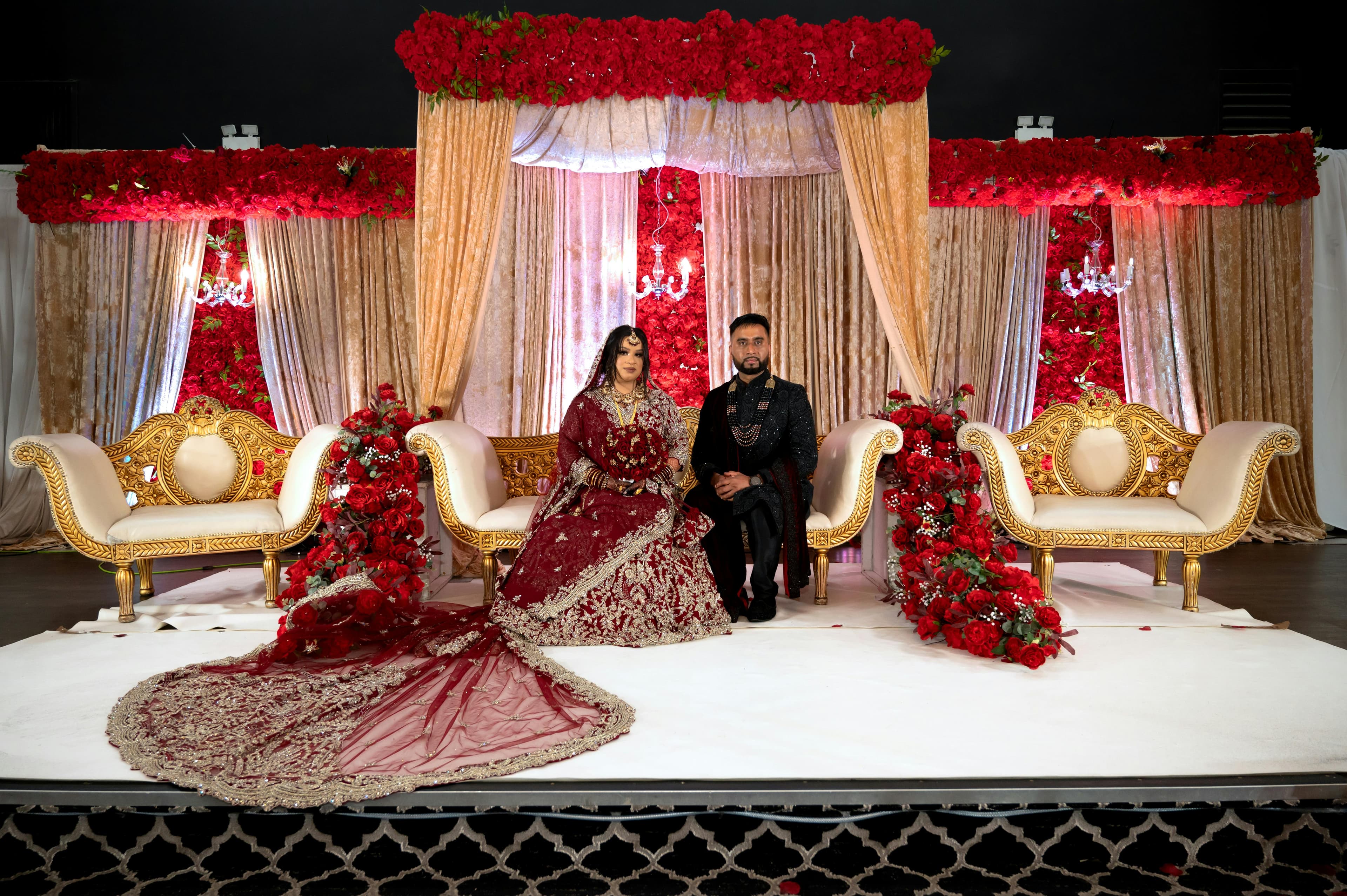
Planning a Pakistani Wedding in the US: What to Know and How It Differs from an Indian Wedding
So is it basically the same as an Indian wedding?" No, not really. Here's the full structure of a Pakistani wedding in the US: from the dholki's geet circles to the nikah contract, the baraat procession, the emotional rukhsati, and the walima. Plus how to budget for 300+ guests across multiple events and where to find vendors who actually know the difference.
Planning a Cultural Celebration?
Find vendors who understand your traditions and can make your event truly special.
Find Vendors