
How to Plan a Mexican Wedding in the US That Honors Your Family's Traditions
Your mom claimed the mole recipe, your tía is asking about the mariachi, and your American college roommate just texted asking what she should wear. Here's how to pull off a Mexican wedding in the US that gets the lazo, arras, and víbora de la mar right while keeping your abuela happy and your non-Mexican guests included.
Your mom has already called dibs on the mole recipe. Your tía is asking about the mariachi. Your abuela wants to know who the padrinos de lazo are. And your American college roommate just texted asking what she should wear.
Planning a Mexican wedding in the US means holding two worlds together: the deep Catholic and indigenous traditions your family carries, and the American logistics of venues, vendors, and guest lists that include people who've never heard of la víbora de la mar. The good news is that these traditions aren't just compatible with a US wedding; they make it infinitely more meaningful. The challenge is knowing how to execute them properly when your venue is a hotel ballroom in Houston instead of a church courtyard in Guanajuato.
This guide walks through the traditions, the logistics, and the practical details of planning a Mexican wedding that feels authentic to your family and accessible to everyone in the room.
The Padrinos System: Your Secret Weapon
Before you book a single vendor, understand the padrinos (godparents/sponsors) system, because it fundamentally changes how a Mexican wedding is financed and organized.
In Mexican wedding tradition, the couple selects multiple sets of padrinos and madrinas, each responsible for a specific element of the celebration. This isn't just ceremonial; padrinos traditionally cover the cost of their assigned element. Common padrino roles include:
Padrinos de lazo (provide the wedding lasso for the ceremony). Padrinos de arras (provide the 13 coins). Padrinos de biblia y rosario (gift the Bible and rosary). Padrinos de cojines (provide the kneeling pillows). Padrinos de ramo (cover the bride's bouquet). Padrinos de pastel (sponsor the wedding cake). Padrinos de brindis (cover the toast/champagne). Some families also have padrinos for the mariachi, the DJ, or even the open bar.
Being asked to serve as padrino is a significant honor. It signals that the couple sees you as a model of a strong marriage and wants your guidance in their lives. It also comes with a genuine financial commitment, so have honest, respectful conversations with potential padrinos about what the role involves before formally asking.
Start these conversations 6 to 8 months before the wedding. The earlier your padrinos are confirmed, the earlier they can budget for their contributions, and the earlier you can confirm what's covered and what isn't.
The Ceremony: Catholic Mass with Mexican Traditions
Most traditional Mexican weddings include a full Catholic Mass (misa de acción de gracias), which runs about an hour. If your family is Catholic, contact your parish 10 to 12 months before the wedding, as many churches require pre-marriage preparation classes (Pre-Cana or pláticas) that take several weeks to complete. Some parishes also require the couple to be registered parishioners for a minimum period.
Within the Mass, several traditions specific to Mexican weddings are woven into the liturgy. Not every couple includes all of them, but here are the major ones and what they involve:
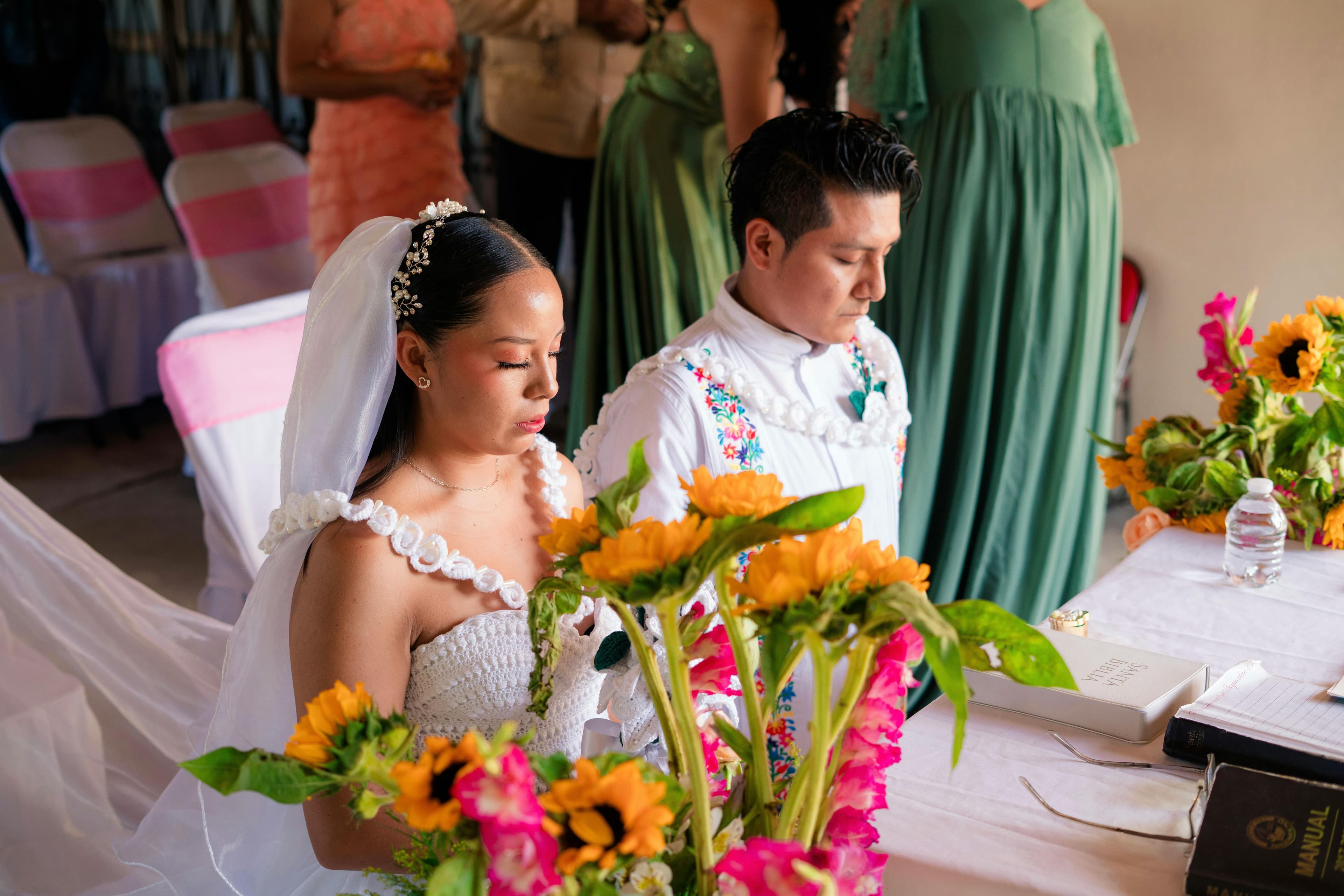
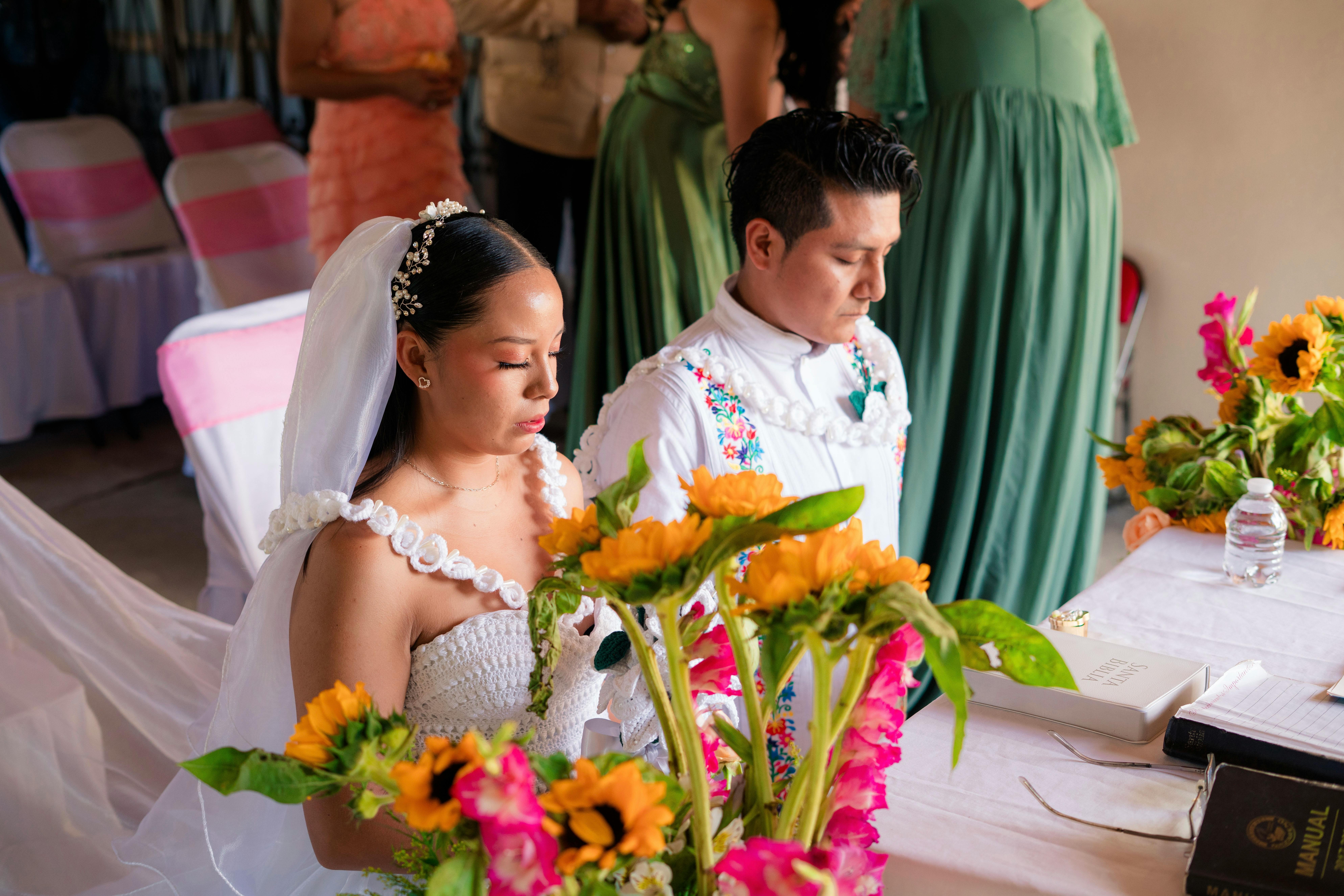
El Lazo (The Wedding Lasso). After the couple exchanges vows, the padrinos de lazo place a large rosary, beaded cord, silk rope, or floral garland around the couple's shoulders in a figure-eight shape. The figure eight represents infinity, symbolizing the couple's eternal bond. The lazo stays on the couple's shoulders for the remainder of the ceremony and is removed after the final blessing. The couple keeps the lazo as a keepsake, and many display it in their home.
Las Arras Matrimoniales (The 13 Coins). The padrinos de arras present 13 gold coins, usually in a decorative box, to the priest for blessing. The groom then pours the coins from his hands into the bride's cupped palms, symbolizing his commitment to provide for the family and her trust in managing their shared life. The 13 coins represent Jesus and his 12 apostles, tying the tradition to the Catholic faith. These coins are often family heirlooms passed down through generations.
La Biblia y El Rosario (The Bible and Rosary). The padrinos de biblia y rosario present a Bible and rosary to the couple during the ceremony, blessed by the priest. These represent the spiritual foundation of the marriage and are kept in the couple's home.
Los Cojines (The Kneeling Pillows). Since a Catholic Mass involves kneeling at several points, the padrinos de cojines gift the couple embroidered or lace-decorated kneeling pillows. These are usually white and become keepsakes.
The Bouquet to the Virgin Mary. After the ceremony, the bride places a bouquet of flowers at the feet of a statue of the Virgin Mary (or at a dedicated altar), asking for her blessing on the marriage. This is a deeply personal and emotional moment, often one of the quietest in an otherwise festive day.
One important US-specific note: confirm with your church which of these traditions they allow within the Mass. Most Catholic churches in areas with large Mexican congregations are familiar with el lazo and las arras, but some parishes have specific guidelines about how and when these rituals are incorporated. Discuss the full ceremony order with your priest well in advance.
The Reception: Where the Real Party Happens
Mexican wedding receptions are long, loud, and legendary. Plan for at least 5 to 6 hours from dinner through the last dance, and budget accordingly for venue time, entertainment, and food that keeps coming.
La Callejoneada (The Wedding Parade). Inspired by the tradition from San Miguel de Allende, the callejoneada is a festive parade from the church to the reception venue. The couple leads their guests through the streets (or parking lot, depending on your venue situation), accompanied by a mariachi band, with guests dancing, singing, and sharing tequila shots along the way. In the US, this works best when the church and reception venue are close together or when the venue has outdoor space for a short procession. Even a 5-minute walk with mariachi playing sets an electric tone for the rest of the night.
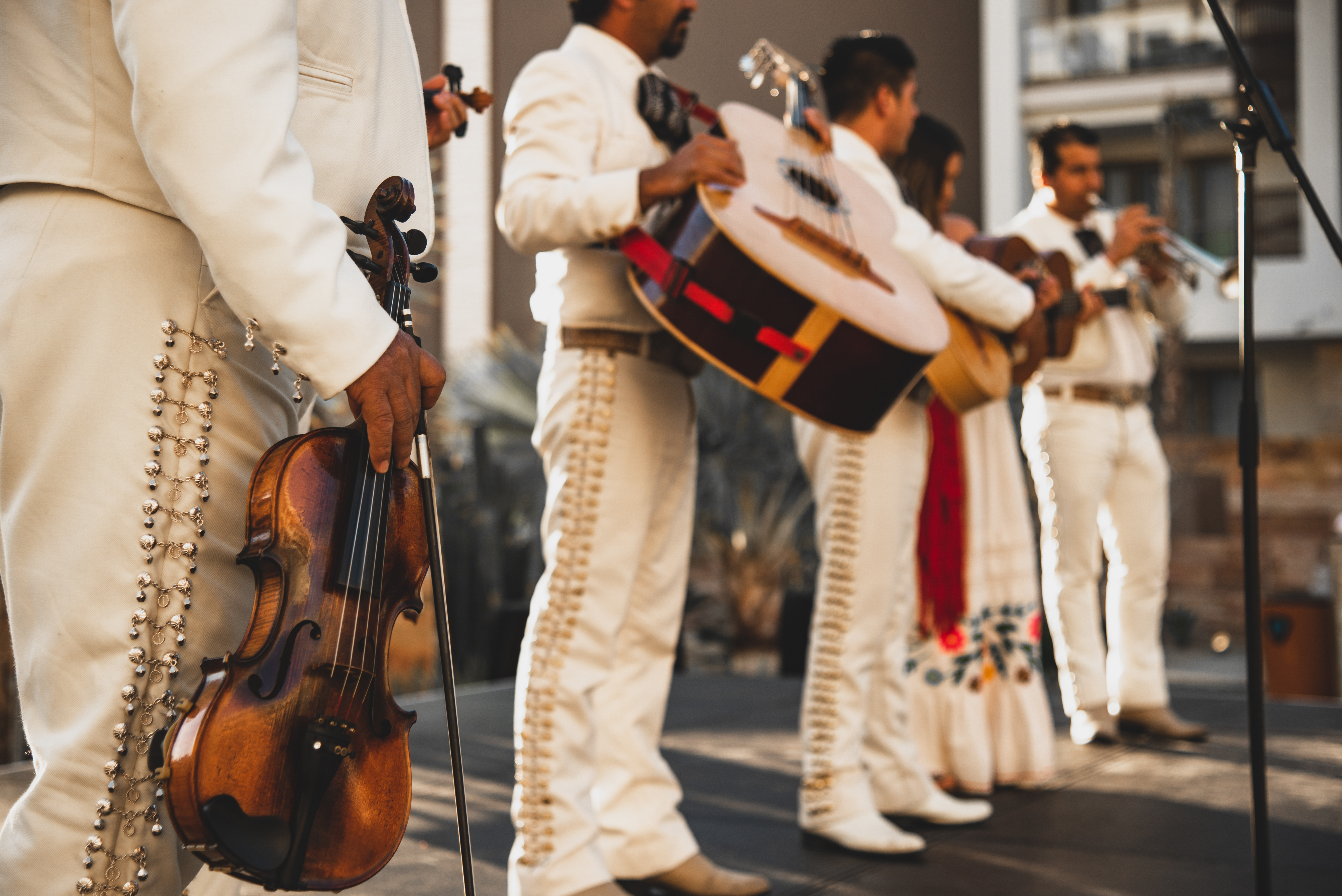
Mariachi. There is no substitute. A mariachi group during cocktail hour or the early reception is one of the most emotionally powerful elements of a Mexican wedding. Classic requests include "El Son de la Negra," "Si Nos Dejan," "Amor Eterno," and "Cielito Lindo." Budget $300 to $1,500 for a 1 to 2 hour set depending on the group's size and your market. In cities with large Mexican populations (Los Angeles, Houston, San Antonio, Dallas, Chicago, Phoenix), mariachi groups are abundant. Book 4 to 6 months out, especially for peak wedding season.
La Víbora de la Mar (The Sea Snake Dance). This is the reception tradition your guests will talk about for years. The bride and groom stand on chairs facing each other, holding hands (or the bride's veil) to form an arch. Guests line up by gender, hold each other's shoulders, and weave through the arch while the music plays. The music gets faster and faster, the "snake" gets more chaotic, and the couple tries not to fall off the chairs as guests bump and jostle underneath. It's wild, it's hilarious, and it symbolizes the challenges the couple will face together. Plan this after dinner when the energy is high and the dance floor is open.
El Baile del Billete (The Money Dance). Similar to the Nigerian spraying tradition, guests pin cash onto the groom's suit (and sometimes the bride's dress) while the couple dances. This symbolizes financial support and well-wishes for the newlyweds. In the US, guests typically use $1 to $20 bills. Have pins ready and let your DJ explain the tradition for guests who aren't familiar.
La Hora Loca (The Crazy Hour). Placed strategically in the later part of the reception when energy might dip, la hora loca is a burst of high-energy chaos. The lights go down, the music goes up (think reggaeton, cumbia, guaracha), and props come out: glow sticks, oversized sunglasses, inflatable instruments, feather boas, and plastic hats. Some couples hire performers like stilt walkers, LED robots, or chinelos (dancers in elaborate feathered costumes) to amp up the energy. Budget $200 to $500 for props and decorations, more if you hire performers.
The Food
Mexican wedding food should make your abuela proud and your non-Mexican guests reach for seconds. Traditional reception menus typically include mole (chicken or pork in the rich chocolate-chile sauce that varies by region), carnitas, barbacoa, tamales, arroz rojo (Mexican red rice), frijoles (refritos or de la olla), and enchiladas. Taco stations, fajita bars, and birria bars are increasingly popular for interactive serving.
For a buffet, plan $30 to $75 per person. Plated dinners run $50 to $100+. If your venue requires in-house catering, confirm their kitchen can handle Mexican cuisine at scale. Many hotel kitchens outsource to a specialized Mexican caterer for wedding weekends.
Drinks should include traditional options alongside the standard bar: aguas frescas (horchata, jamaica, tamarindo), micheladas, palomas, and of course margaritas. A tequila or mezcal bar is a popular premium addition. For non-drinkers, the aguas frescas are a beautiful cultural touch that also photograph well.
Don't forget the dessert. Tres leches cake is the most traditional Mexican wedding cake, though many couples now opt for a multi-tiered fondant cake with tres leches filling. Mexican wedding cookies (polvorones) are a classic favor: small, crumbly, powdered-sugar-dusted shortbread cookies often given to guests in decorative bags as they leave.
The Decor
Mexican wedding decor is colorful, layered, and textural. Key elements that set a Mexican wedding apart:
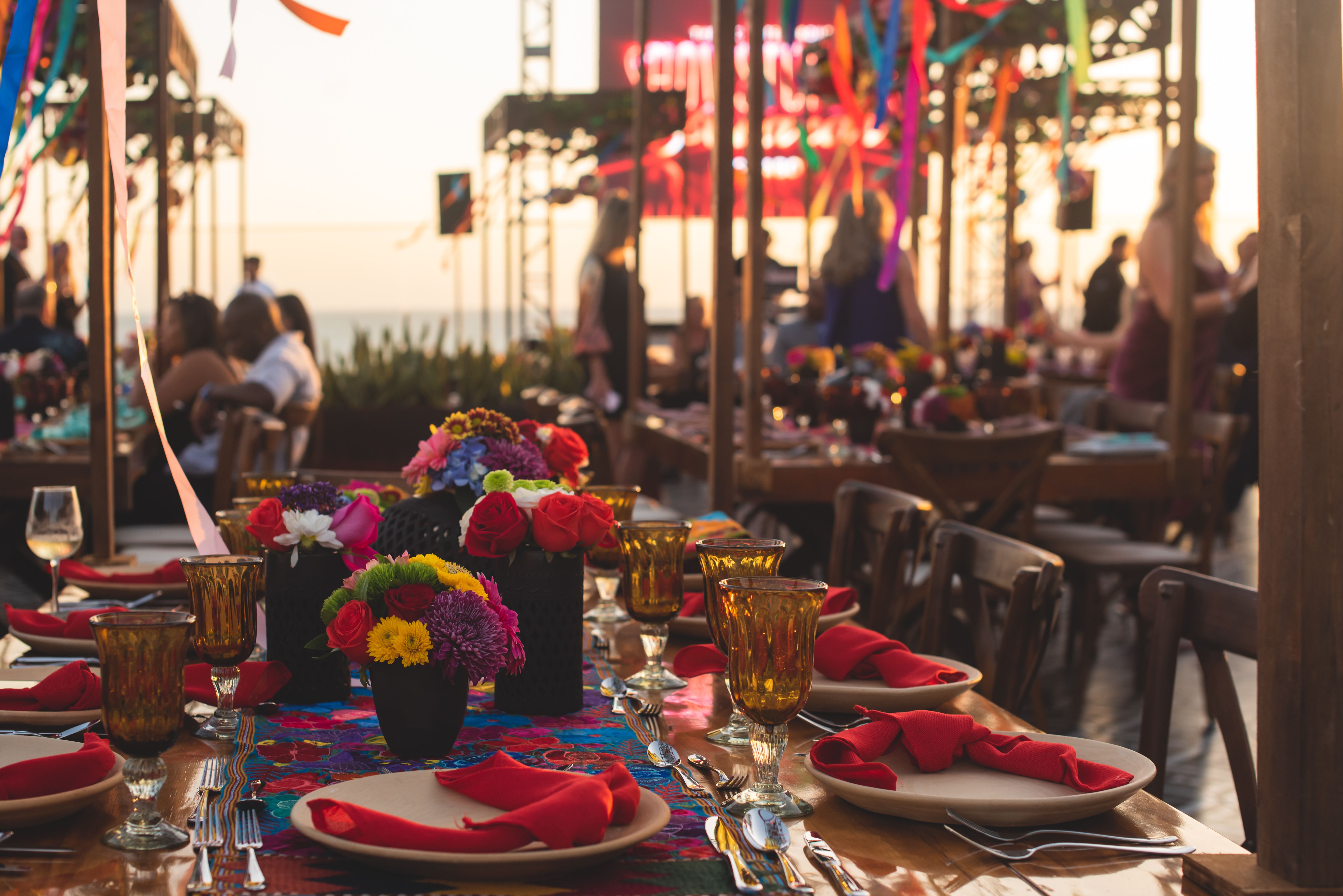
Papel picado (perforated paper banners) strung across the ceiling or along walls is instantly recognizable and inexpensive. Custom papel picado with the couple's names and wedding date can be ordered from Etsy sellers for $20 to $50 per set.
Bright flowers in oranges, pinks, reds, and yellows. Marigolds, dahlias (Mexico's national flower), and roses are traditional choices. Centerpieces with ceramic or talavera vases add a handcrafted touch.
Candles and lanterns create warmth, especially for evening receptions. Tin or wrought-iron lanterns (farolitos) are a classic Mexican wedding element.
Textiles like embroidered table runners, serape-style fabric accents, or handwoven rebozos used as chair sashes add color and cultural texture without overwhelming the design.
When One Partner Isn't Mexican
This is increasingly common in US-based Mexican weddings, and it's one of the most beautiful contexts for these traditions. A non-Mexican partner who embraces the lazo, learns the significance of the arras, and stands on a chair during la víbora de la mar is making a powerful statement about respecting and entering into their partner's culture.
A few practical things that help: include a brief printed explanation of each tradition in the ceremony program so non-Mexican guests (and the non-Mexican partner's family) understand what's happening and why. Have your DJ or MC explain reception traditions before they happen, especially the money dance and víbora de la mar. And if the non-Mexican partner's culture has meaningful traditions of their own, weave those in too. A Mexican-American-Indian wedding with both a lazo and a garland exchange? That's a celebration worth attending.
The key is not to water anything down. Include the traditions fully, explain them warmly, and let the beauty speak for itself.
Making It Yours
The traditions in a Mexican wedding exist because generations of families found them meaningful enough to keep alive. The lazo isn't just a pretty rope; it's the physical manifestation of two lives becoming one. The arras aren't just coins; they're a promise of shared stewardship. And the víbora de la mar isn't just a party game; it's the community physically surrounding the couple and saying, "We'll shake things up, but you'll hold on together."
Honor what matters to your family. Adapt what needs adapting for your US context. And throw the kind of party that makes your abuela cry happy tears and your college friends ask when the next Mexican wedding is.
We’re growing the Mexican event-planning community on EventAtlas.
For help finding mariachi groups, Mexican caterers, decorators, and event planners who understand these traditions, visit EventAtlas or reach out at hello@tryeventatlas.com.
Related Posts
More reading on themes you might be exploring.
A Practical Guide to Planning a Quinceañera in the US
Planning a quinceañera is essentially planning a wedding where the guest of honor is a teenager with strong opinions about the color scheme. Here's the full breakdown: budget ranges from $5K to $50K, a month-by-month timeline, what each tradition actually involves, and the mistakes that derail the reception.

How to Plan a Sangeet Night That Your Guests Actually Enjoy
Fifteen choreographed performances, a stage that needs pro lighting, a sound system that can handle Bollywood and your uncle's acoustic number, and a dinner that feeds 200 without interrupting the show. Here's how to plan a sangeet that's a night, not just a three-hour talent show with awkward gaps between acts.
Planning a Pakistani Wedding in the US: What to Know and How It Differs from an Indian Wedding
So is it basically the same as an Indian wedding?" No, not really. Here's the full structure of a Pakistani wedding in the US: from the dholki's geet circles to the nikah contract, the baraat procession, the emotional rukhsati, and the walima. Plus how to budget for 300+ guests across multiple events and where to find vendors who actually know the difference.
Planning a Cultural Celebration?
Find vendors who understand your traditions and can make your event truly special.
Find Vendors