How to Order Aso Oke for a Nigerian Wedding from the US
You're in the US, the best aso oke weavers are in Iseyin and Lagos, and your wedding is in five months. Here's exactly how to get hand-woven fabric to your doorstep on time, from choosing between sanyan, alaari, and etu to budgeting for a full couple's set at $400 to $2,500.
How to Order Aso Oke for a Nigerian Wedding from the US
You've set the date, picked your colors, and now it's time to get the fabric that will make your traditional ceremony unforgettable. But you're in Houston, or Atlanta, or the DMV, and the best aso oke weavers are in Iseyin, Lagos, and Ibadan. So how exactly do you get hand-woven aso oke from Nigeria to your doorstep in the US, on time, in the right colors, and without losing your mind?
It's more doable than you think. Thousands of diaspora couples do it every year. But the process has real pitfalls, from timing mistakes to fabric quality issues, that can derail your plans if you don't know what to watch for. This guide breaks down every step: understanding the fabric types, finding the right vendor, getting your measurements right, budgeting realistically, and making sure it all arrives weeks before your wedding day.
What Aso Oke Actually Is (and Why It Matters)
Aso oke (pronounced ah-SHAW-keh) means "top cloth" in Yoruba. It's a hand-woven prestige fabric that has been part of Yoruba culture for centuries, originating from the weaving communities of Iseyin in Oyo State. This isn't just fabric you wear to a wedding. It's a cultural statement, a symbol of status and heritage that connects your celebration to generations of Yoruba tradition.
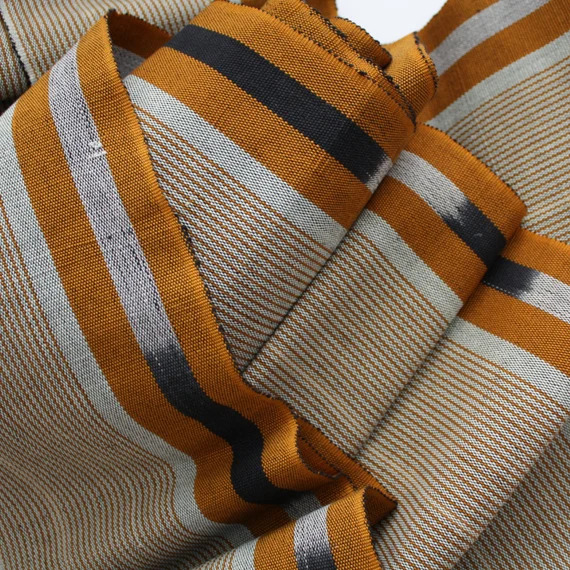
The fabric is woven in narrow strips on a loom, then sewn together to create the width needed for clothing. That strip-woven construction is what gives aso oke its distinctive look, and it's also why the good stuff takes time to produce.
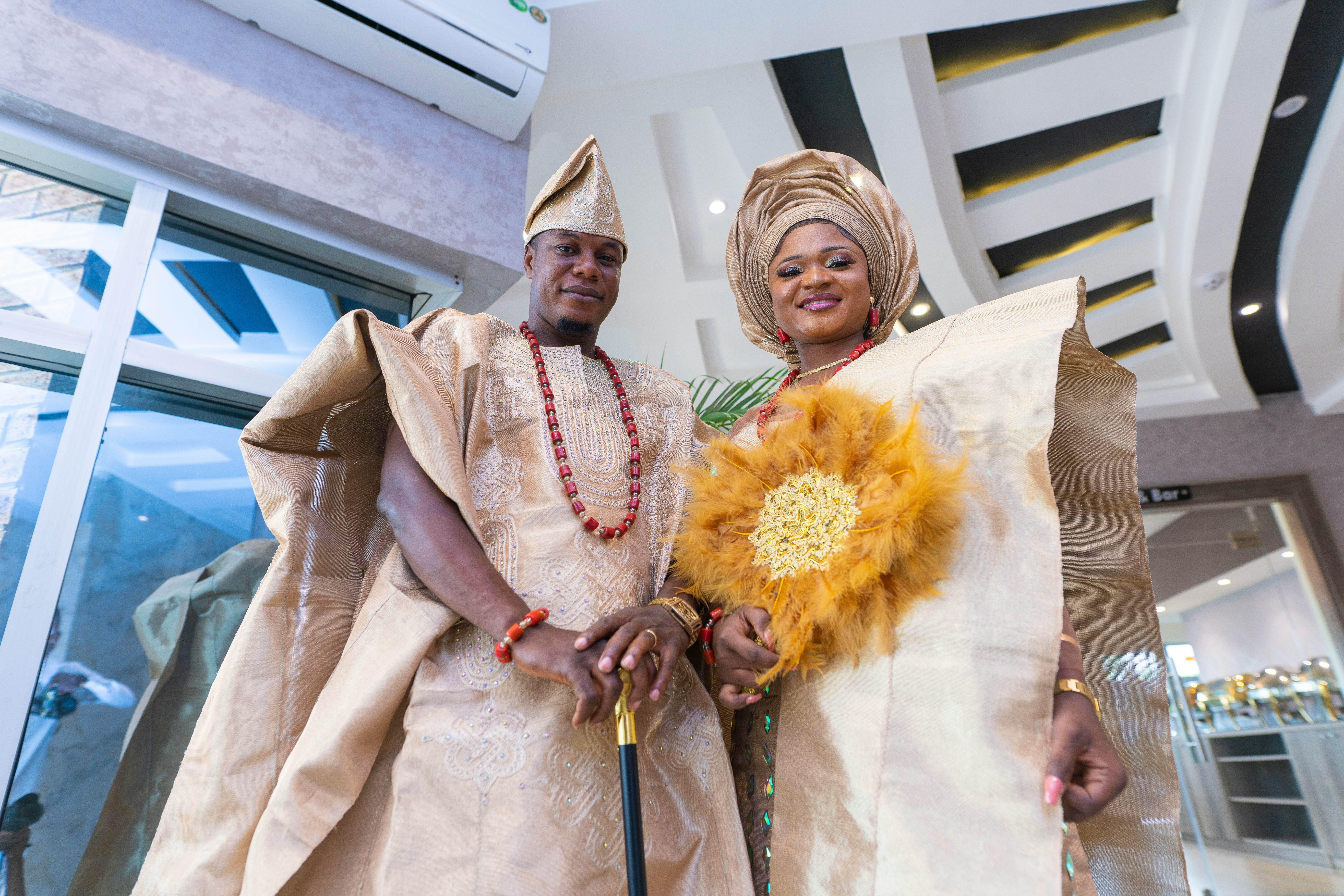
For women, a full aso oke bridal outfit typically includes the iro (wrapper worn as a skirt), buba (blouse), gele (head tie), and ipele (shoulder sash or shawl). Some brides also add an iborun (a smaller shoulder piece). For men, it's the agbada (the large flowing robe), buba (undershirt), sokoto (trousers), and fila (cap).
Know Your Fabric Types
Not all aso oke is the same. The three traditional types each have a distinct character, and modern weavers have added several more options to the mix.
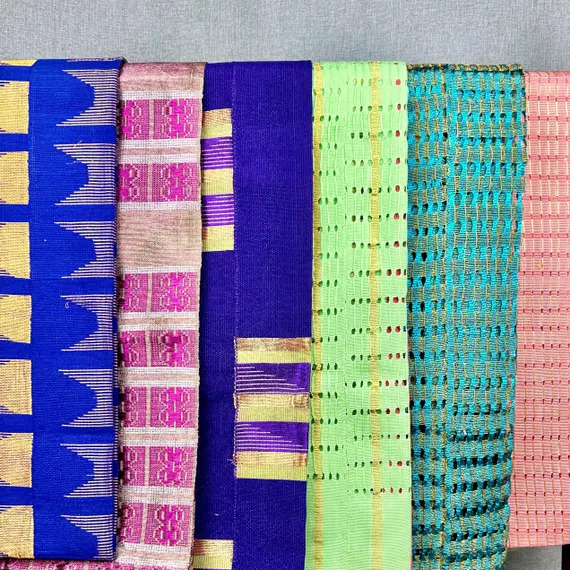
Sanyan is the classic prestige choice. Traditionally woven from the silk of the Anaphe moth cocoon blended with cotton, it has a pale beige or light brown color with a natural sheen. Sanyan is durable, luxurious to the touch, and historically reserved for high-status ceremonies. It's a favorite for traditional Yoruba weddings because of its understated elegance.
Alaari is the bold option. Originally made with cotton and shiny threads (sometimes imported silk), alaari is known for its rich red tones. In Yoruba culture, bright red symbolizes happiness and prosperity, making alaari a popular bridal choice. Some alaari features intricate perforated patterns woven into the fabric.
Etu is the simplest and most traditional. It's a dark indigo cloth with thin white or light-colored stripes. Historically, etu was associated with men's wear, and it remains a strong choice for grooms today. Its deep, quiet color carries a sense of gravitas.
Beyond these three, modern aso oke weaving has expanded considerably. You'll now find metallic lurex aso oke (which gives that popular "shine-shine" effect for photographs), poly-cotton blends that are lighter weight and more comfortable in warm weather, and silk-cotton hybrids that split the difference between tradition and wearability. Many contemporary brides go for duotone metallic aso oke in colors like burgundy and gold, teal and bronze, or royal blue and silver.
Where to Buy: Your Three Main Options
Option 1: Order Directly from a Vendor in Nigeria
This is usually the most affordable route and gives you the widest range of customization. Nigerian aso oke vendors, especially those based in Lagos and Ibadan, are accustomed to working with diaspora clients over WhatsApp and Instagram.
For the fabric alone (not tailored, just raw material), expect to pay roughly ₦30,000 to ₦180,000 per set depending on quality, material, and complexity. At current exchange rates, that's approximately $18 to $110 per set. A bride's full aso oke set (three pieces for iro, gele, ipele, and one for buba) runs higher than buying individual bundles, typically ₦135,000 and up. A groom's full set with four pieces for a complete agbada outfit starts around ₦180,000.
Some well-known vendors who ship internationally:
Woven Market Africa (@wovenmarketafrica on Instagram) is one of the most recognized names in the space, with over 26,000 followers and features in British Vogue. They've created custom aso oke for high-profile Nigerian weddings, including those of celebrities like Davido and Chioma. They offer metallic lurex, poly-cotton, silk-cotton, and intricate geometric patterns, and they ship worldwide.
Asooke Palace (@asookepalace) is a Lagos-based operation with over 81,000 Instagram followers that weaves, sells, sews, and designs aso oke. They handle the full process from fabric to finished garment if you want a one-stop shop.
Adunni Woven Fabrics (@adunniwovenfabrics) operates out of Ibadan and Lagos and ships internationally. Their pricing is transparent on social media, with vintage bundles starting around ₦25,000 and custom loom sets available for pre-order with a minimum quantity. Custom orders typically take about 12 working days.
The catch with ordering directly from Nigeria? You'll need to factor in international shipping, which adds real cost. Shipping from Nigeria to the US typically starts around $7 per kilogram for standard sea freight (2 to 3 weeks) through services like Cargo Naija, with express air shipping significantly more expensive through DHL or UPS. Aso oke is a thick, heavy fabric, so a full bridal set can weigh enough to make shipping costs meaningful. Budget $40 to $150 for shipping depending on the method and urgency.
Option 2: Buy from US-Based Sellers
If the idea of coordinating an international shipment stresses you out, there's a growing market of US-based sellers offering aso oke. Etsy has become a surprisingly solid source, with vendors offering everything from individual gele and ipele sets to complete bride-and-groom packages. Prices run higher than buying directly from Nigeria, typically $80 to $400+ for ready-made sets, but you get the convenience of domestic shipping, buyer protections, and easier returns.
Trendy Africa Boutique (gelestore.com) is a US-based store that sells custom-made aso oke sets with free shipping on orders over $100 within the US. Their made-to-order pieces take 6 to 8 weeks, so plan ahead.
The tradeoff with US-based sellers is selection. You'll have fewer color options, less customization, and you're often buying from a middleman rather than directly from weavers. But for couples who want simplicity and security, it's a perfectly valid route.
Option 3: Work with a US-Based Nigerian Tailor or Broker
This is the premium option and honestly the smoothest experience if you can find the right person. Nigerian tailors and fashion designers who operate in cities with large Nigerian populations (Houston, Atlanta, the DMV, New York, Dallas) often have their own supply chains for sourcing aso oke directly from weavers in Nigeria.
Deji and Kola (@dejiandkola) is a bespoke tailoring brand with roots in Lagos that serves over 60% of its customers internationally, with the US and UK leading sales. They offer agbada, kaftan, and suit tailoring with prices starting around $770 to $950 for men's pieces.
In Atlanta, Asoebi Bar is a broker service that connects US-based clients with vetted tailors and handles fabric sourcing from Nigeria, shipping, and distribution to wedding guests. This kind of service is especially useful if you're also ordering aso ebi fabric for your bridal party and guests.
The advantage of working with someone local is that they can take your measurements in person, advise on styles, manage the entire supply chain, and troubleshoot problems without you having to navigate time zones and WhatsApp voice notes at 2 AM.
🇳🇬Nigerian Attire & Fashion on EventAtlas
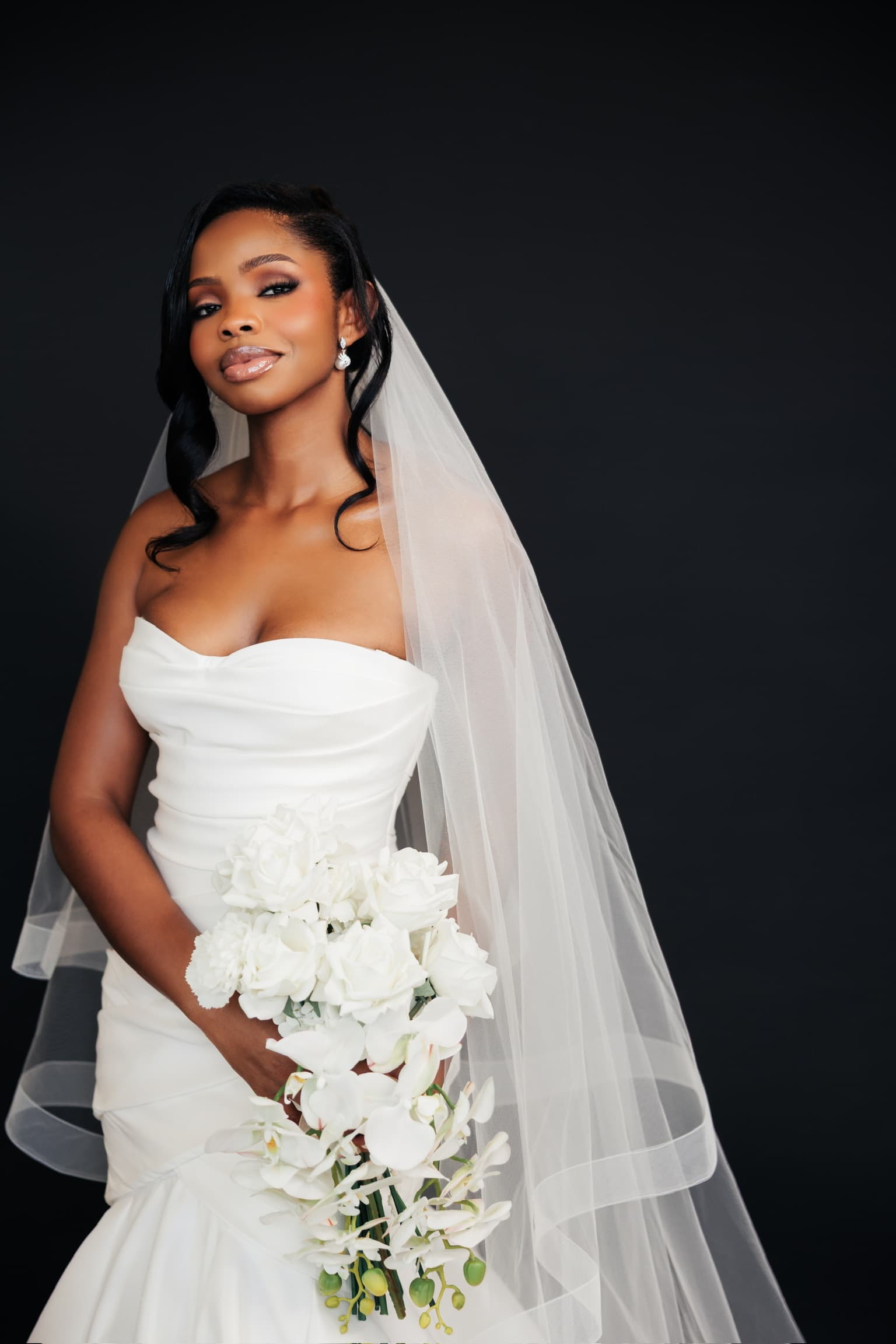
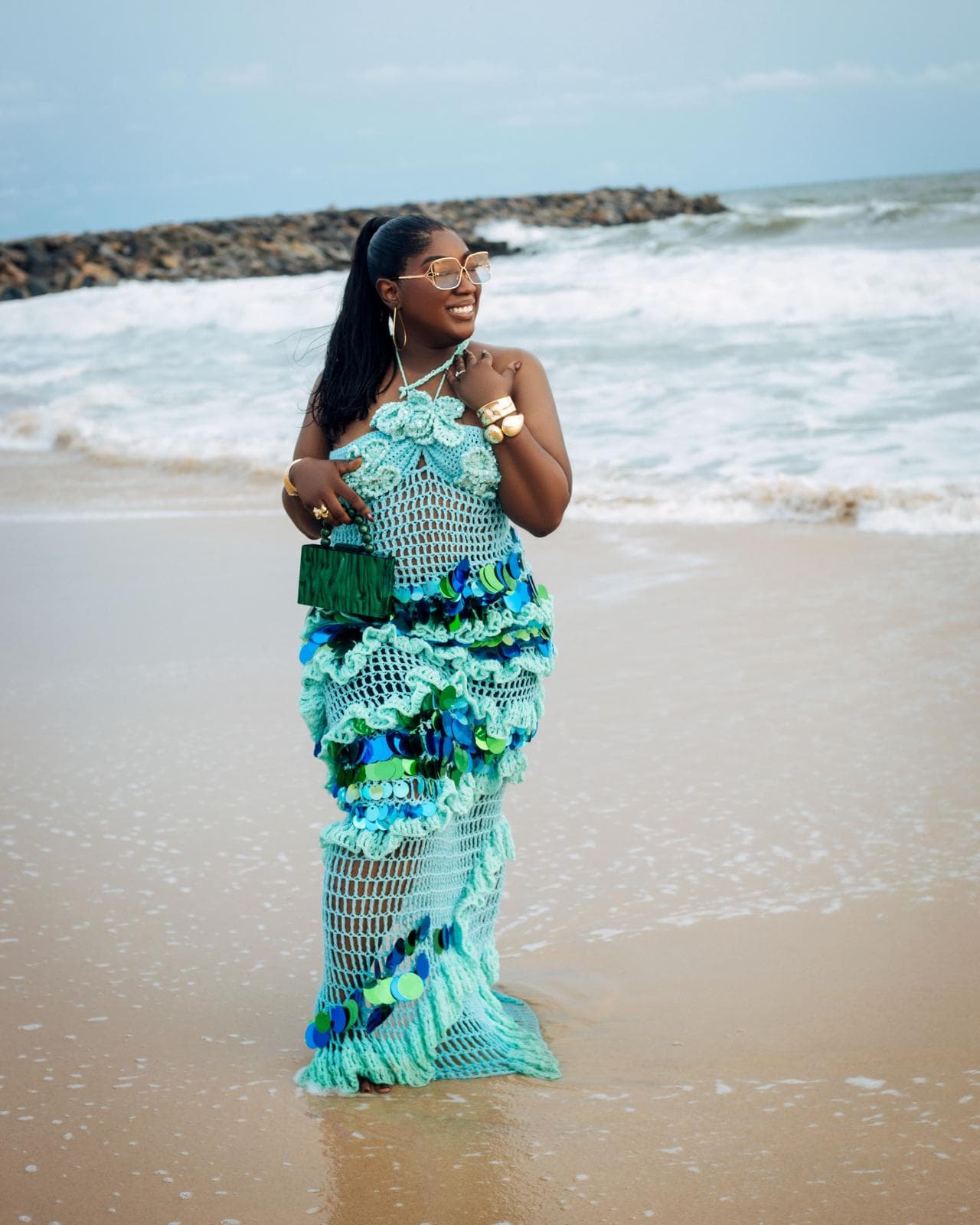
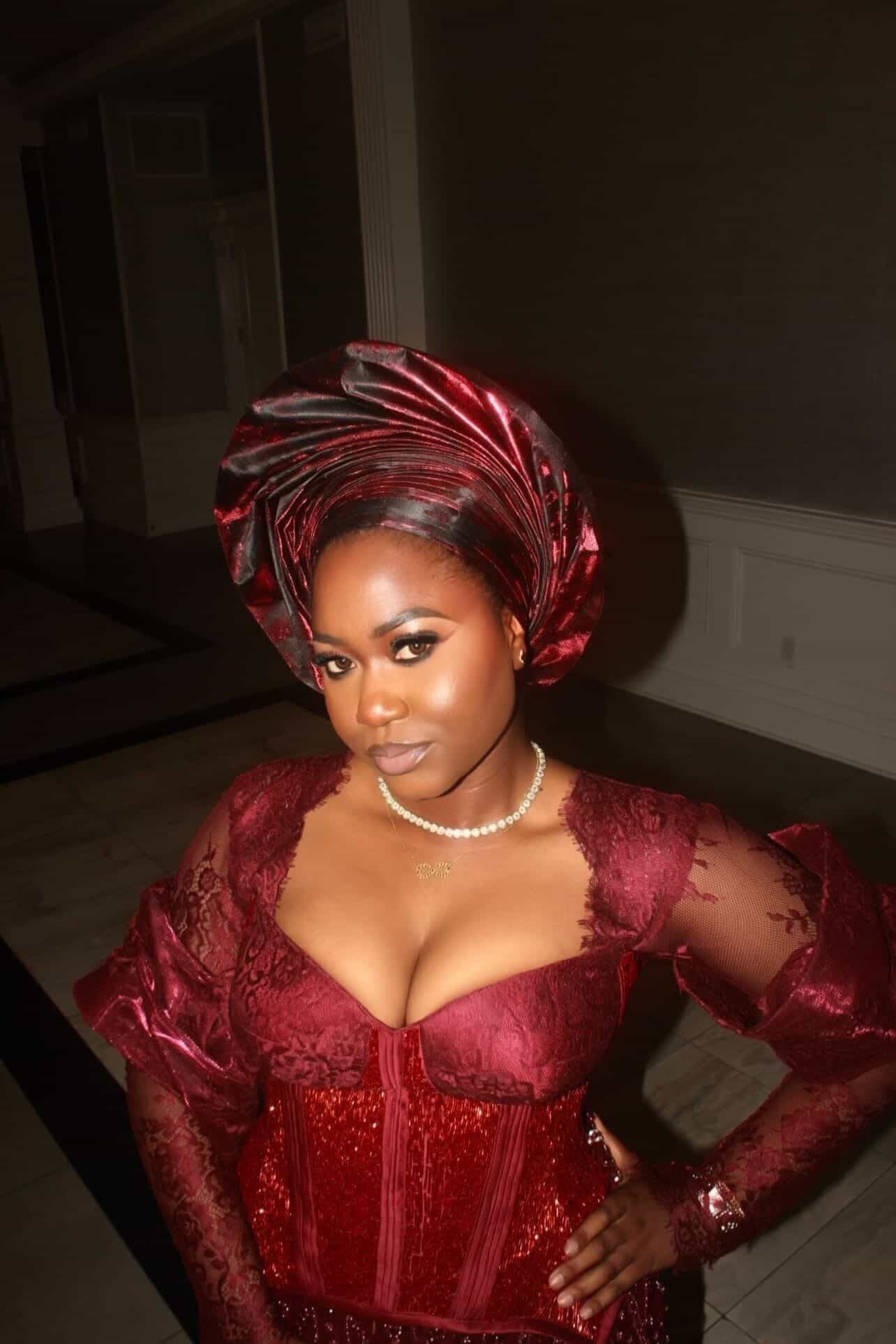
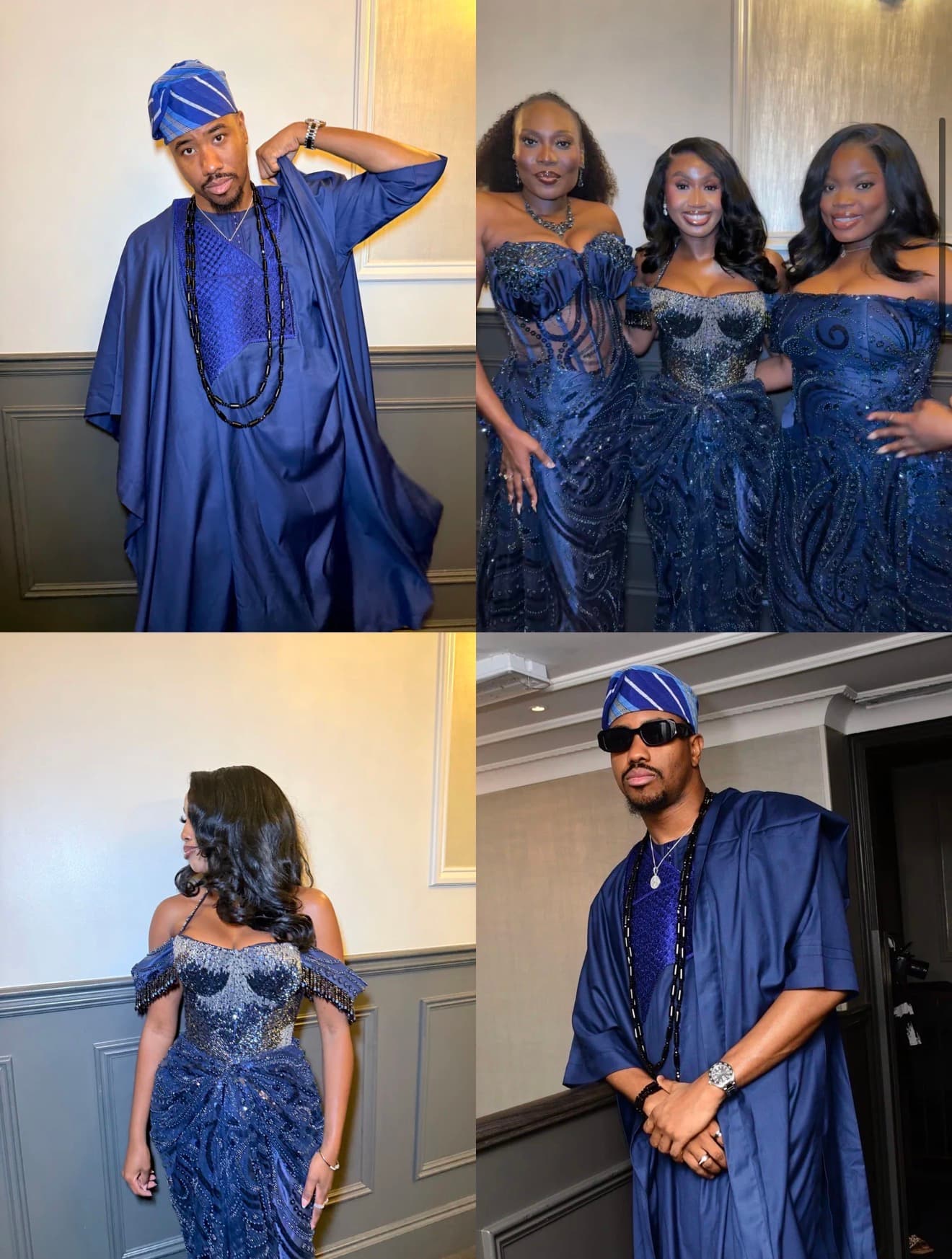
Join the growing Nigerian fashion community on EventAtlas. with a vendor.
Getting Your Measurements Right
This is where things go wrong most often for diaspora brides and grooms ordering from Nigeria. You're working remotely with a tailor who can't pin and tuck the fabric on your body, so your measurements need to be precise.
For a women's iro and buba set, you'll typically need to provide: bust, waist, hip, shoulder width, sleeve length, blouse length, round neck circumference, and wrapper length. Some tailors also ask for under-bust measurement and the distance between the bust points.
For a men's agbada set: chest, waist, hip, shoulder width, sleeve length, neck circumference, trouser length, thigh (lap) width, crotch length, and knee width.
A few tips that will save you headaches:
Don't measure yourself. Have someone else do it while you stand naturally. Self-measuring almost always results in inaccurate numbers, especially for shoulder width and back measurements.
Send a video. Many Nigerian tailors now ask for a short video of you standing and slowly turning in fitted clothing. This gives them a sense of your body shape and proportions that flat numbers can't capture.
Ask for a size chart comparison. If a vendor lists UK or US standard sizes, cross-reference your measurements against their chart rather than assuming your usual size will translate directly.
Get measured by a local tailor first. Even if you're not having your outfit made locally, paying $10 to $20 for a professional measurement session at a local alteration shop gives you a reliable set of numbers to send overseas.
Add buffer time for adjustments. If your outfit arrives and something is off, you'll need a local tailor who can work with aso oke to make corrections. This fabric isn't like regular cotton; it's thick, stiff, and requires experience to alter without ruining the look.
Timeline: When to Start
Aso oke orders are not something you start six weeks before the wedding. Here's a realistic timeline:
4 to 6 months before the wedding: Begin researching vendors and styles. Browse Instagram for current trends. Decide whether you're ordering from Nigeria, buying US-based, or working with a local tailor. Settle on your color scheme.
3 to 4 months before: Place your fabric order. Custom-woven aso oke from a Nigerian vendor typically takes 2 to 4 weeks to produce, especially if you want a specific color combination or pattern that isn't in stock. If you're ordering during peak wedding season (October through January for Nigerian weddings), add extra time because weavers get backed up.
2 to 3 months before: Fabric arrives. Send it to your tailor (local or remote) with your measurements. Tailoring for a full bridal outfit takes 2 to 4 weeks for a good tailor, longer during busy season.
1 month before: Final fitting and any alterations. If your tailor is in Nigeria, this is where having a local backup tailor becomes critical.
2 weeks before: Everything should be in hand, steamed, and ready. Aso oke can develop fold lines during shipping, and it's not a fabric you can just throw in the dryer. A professional steam or careful hand-steaming is often needed.
If you're ordering a complete tailored outfit from Nigeria (fabric plus tailoring), start 5 to 6 months out. The single biggest mistake couples make is underestimating how long the process takes, then paying rush fees and express shipping that double the cost.
Budgeting Realistically
Here's what a full aso oke order actually costs when you add everything up, ordered from Nigeria for a couple:
- Bride's fabric (3 to 4 sets): $80 to $200+
- Groom's fabric (4 sets): $80 to $200+
- Tailoring for bride's outfit (in Nigeria): $100 to $400
- Tailoring for groom's agbada (in Nigeria): $80 to $300
- International shipping: $40 to $150
- Customs and duties: Usually minimal for personal clothing, but budget $20 to $50 as a buffer
Total from Nigeria: roughly $400 to $1,300 for both outfits
If you go the US-based route with a local Nigerian tailor handling everything, expect $800 to $2,500+ for both outfits depending on fabric quality, embellishments like beading and stonework, and the tailor's reputation.
For reference, buying a ready-made aso oke couple's set on Etsy ranges from $200 to $600, but these won't have the same level of customization or fit as a bespoke order.
Common Mistakes to Avoid
Ordering machine-woven aso oke thinking it's hand-woven. The price difference is significant, and so is the quality. Machine-woven (sometimes called "China aso oke") is lighter, less durable, and lacks the strip-woven texture of authentic hand-woven fabric. If the price seems too good to be true, ask the vendor directly whether the fabric is hand-woven or machine-produced.
Not ordering enough fabric. A standard aso oke set comes in strips measured in inches (typically 21 by 180 inches per set). Make sure you and your tailor agree on how many sets you need before you order. Running short and trying to get a matching batch later is nearly impossible, as dye lots vary.
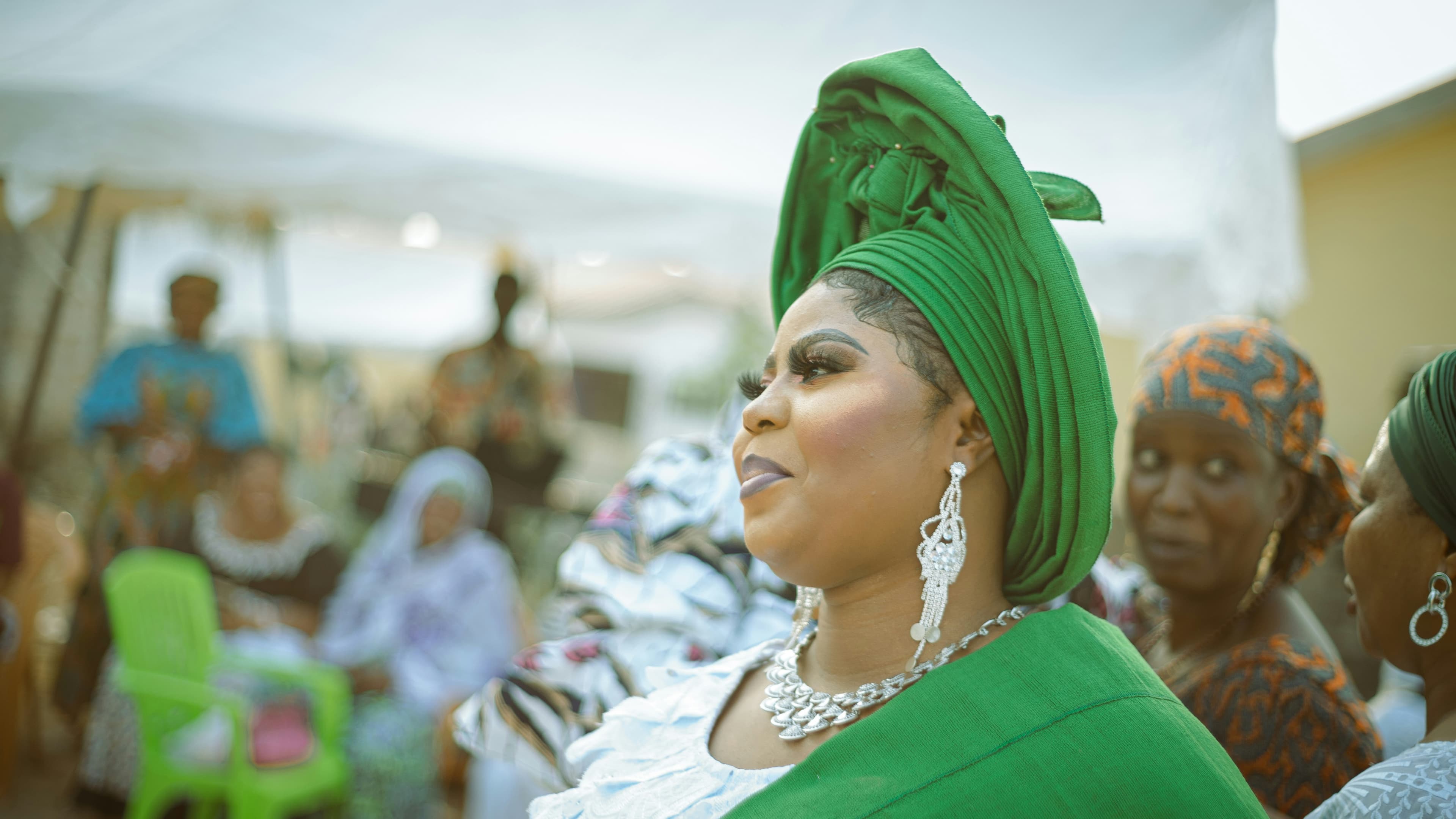
Ignoring the gele. Your gele (head tie) is arguably the most visually impactful part of the bridal outfit. If you're not skilled at tying gele yourself, budget for a professional gele artist on the day. Many gele are now made as auto-gele (pre-tied with Velcro) for convenience, which is worth considering if you won't have an expert available.
Skipping the aso ebi coordination. If you're also ordering aso ebi fabric for your guests (the matching or coordinating fabric family and friends wear), order it at the same time as your bridal aso oke to ensure the colors complement each other. Platforms like EventAtlas let you search for fabric vendors and tailors who specialize in Nigerian wedding attire, making it easier to coordinate everything in one place.
We’re growing the Nigerian fashion community on EventAtlas.
Making It Work from Abroad
The reality of ordering aso oke from the US is that it requires more planning and communication than buying a dress off the rack. But the result is something you can't get any other way: a hand-woven garment with centuries of cultural meaning, made specifically for your celebration, in colors you chose.
Start early, communicate clearly, save every WhatsApp receipt and measurement confirmation, and build in buffer time at every stage. Your future self, the one standing in a perfectly fitted agbada or a stunning iro and buba set with a gele that could be seen from across the reception hall, will thank you.
If you're still looking for the right aso oke vendor or tailor, EventAtlas connects you with vendors who specialize in Nigerian wedding attire and can filter by culture, category, and location.
Related Posts
More reading on themes you might be exploring.
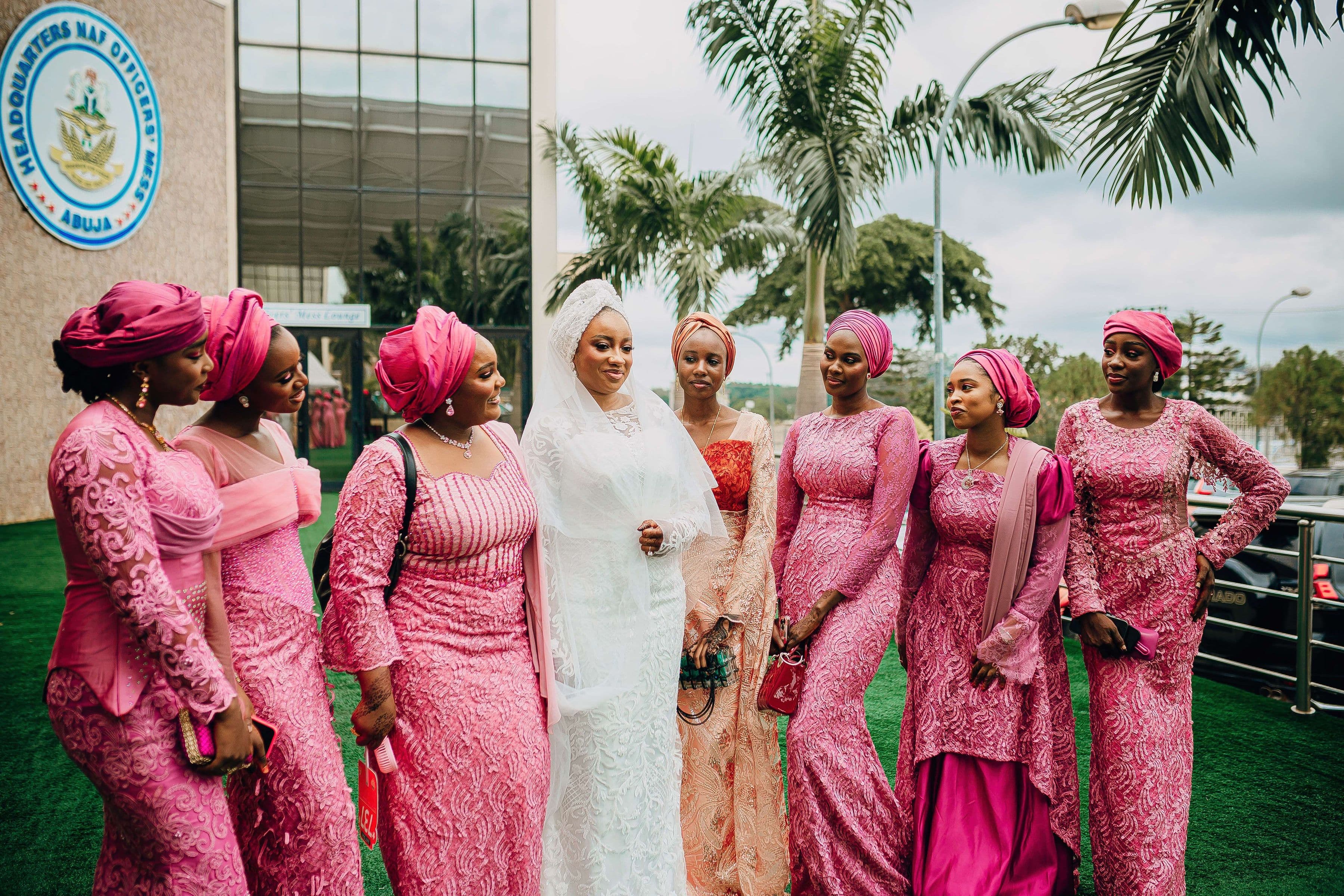
The Aso Ebi Tradition: How to Coordinate Fabric for Your Nigerian Wedding Guests
Coordinating matching fabric for dozens of guests scattered across Houston, Atlanta, the DMV, and Lagos is a logistics project that generates more WhatsApp messages than every other wedding decision combined. Here's how to choose the fabric, set pricing, handle distribution, and deal with the sensitive parts like guests who can't afford it.
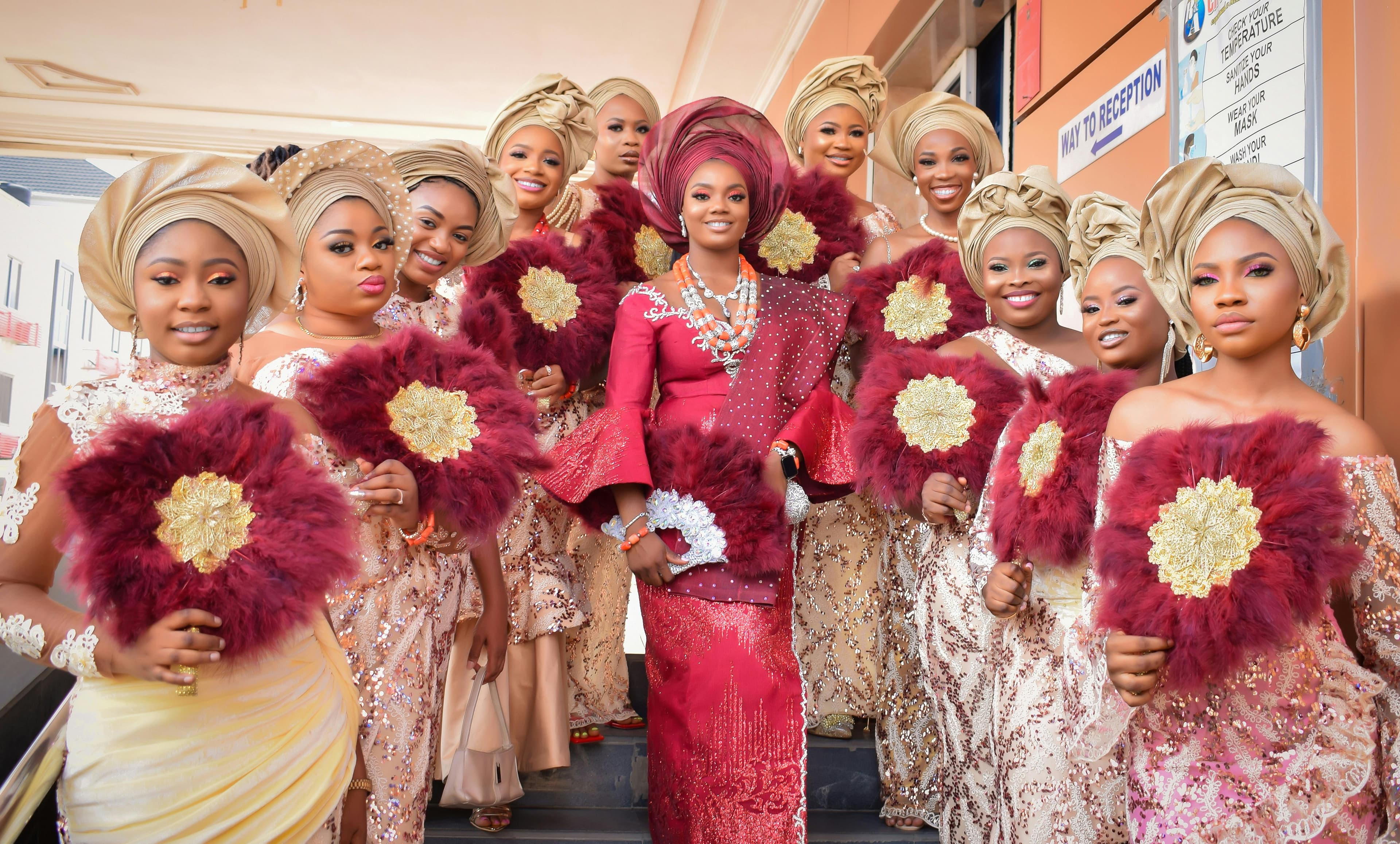
What to Expect at a Nigerian Traditional Wedding: A Guest's Guide
Your coworker just invited you, handed you an aso ebi color swatch, and casually mentioned something about "spraying." Here's everything a first-timer needs to know about attending a Nigerian traditional wedding, from the alaga's comedy routine to the palm wine search to how many singles to bring for the dance floor.
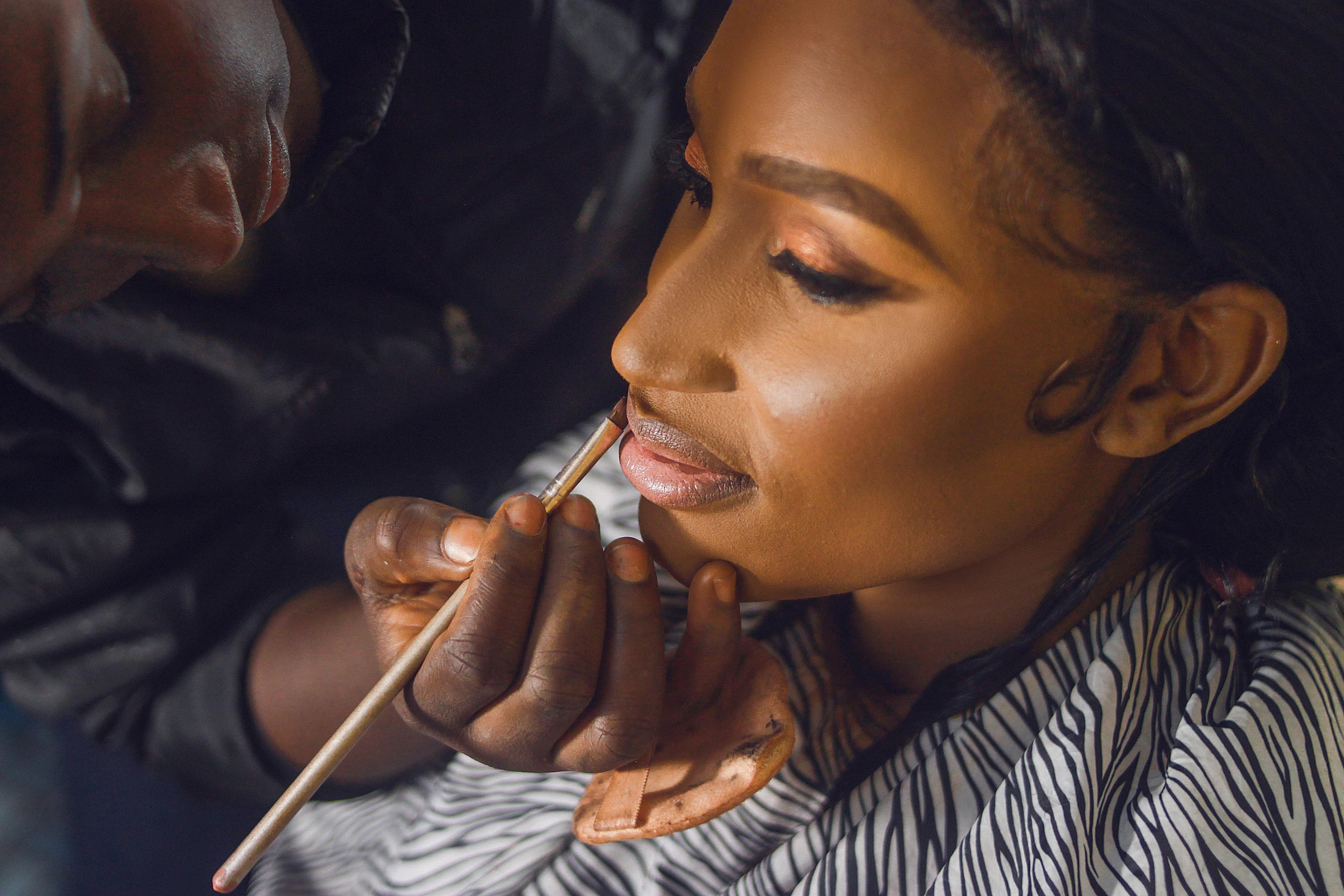
Bridal Makeup for Dark Skin Tones: How to Find an Artist Who Gets It Right
You showed up to the trial and the foundation was two shades too light, the setting powder left white cast in every flash photo, and the artist said "don't worry, it'll look fine." It did not look fine. Here's how to find a makeup artist who actually knows how to work with deep skin tones, what to demand at the trial, and the flash test that reveals everything.
Planning a Cultural Celebration?
Find vendors who understand your traditions and can make your event truly special.
Find Vendors