
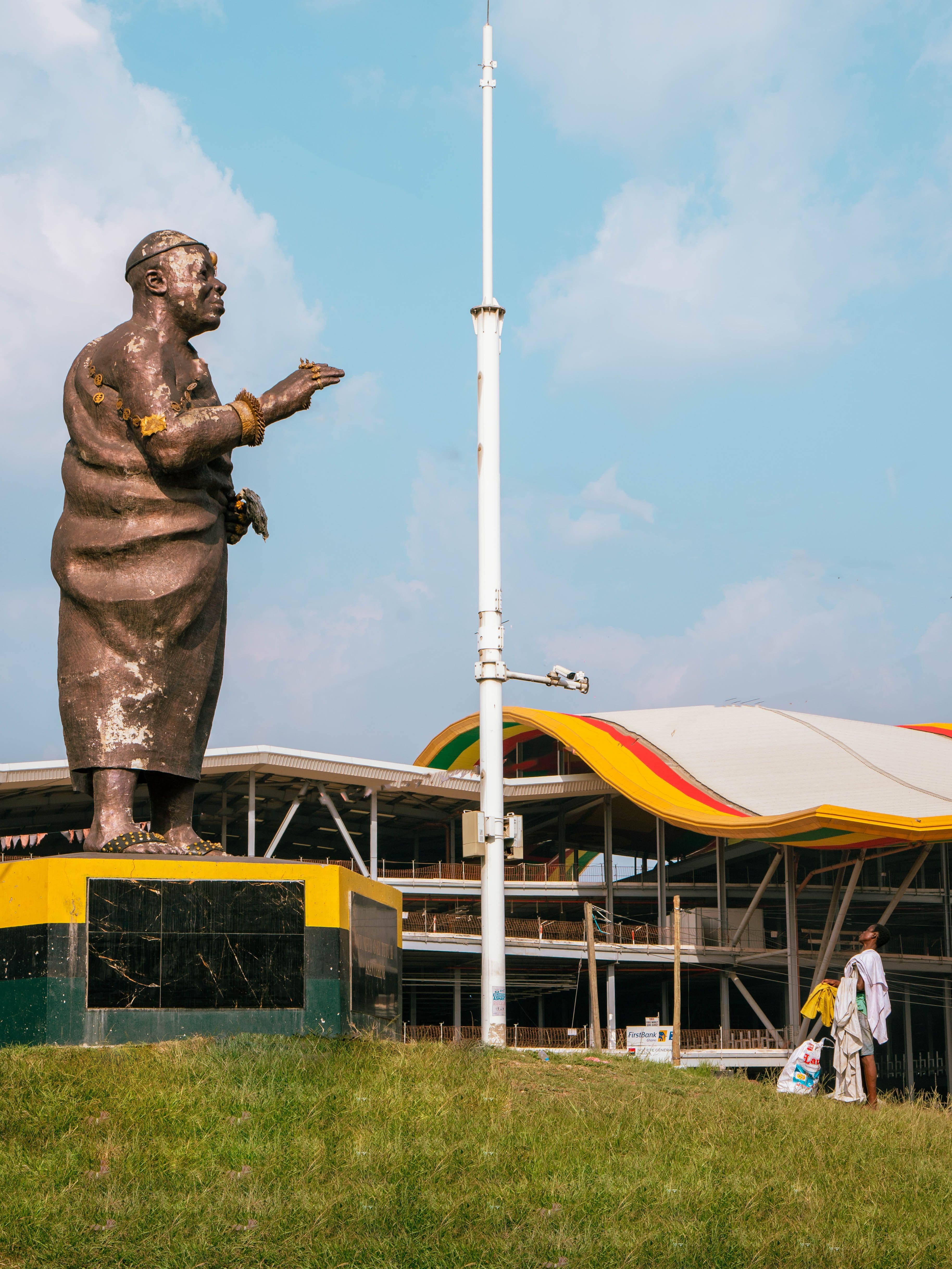
Traditional Greeting
Happy Independence Day, Ghana! — in Twi (Akan), the festive greeting Afehyia pa is widely heard during celebrations
English is the everyday greeting; Twi "Afehyia pa" sounds like ah-feh-SHEE-ah pah
The First to Be Free
On March 6, 1957, Ghana, formerly the British Gold Coast, became the first country in sub-Saharan Africa to win independence from European colonial rule. Standing before the crowd at what's now Black Star Square in Accra, Kwame Nkrumah declared the new nation "free forever." It was a turning point that rippled across the continent: within a decade, most of Africa had followed. The flag's colors carry the story, red for the blood of those who fought, gold for the country's mineral wealth, green for its forests, and the black star at the center for African freedom and unity.
How It's Celebrated
In Ghana, the day centers on a grand parade and presidential address at Black Star Square, with cultural performances, schoolchildren marching, drumming, and fireworks in the evening. It's a public holiday, so families gather afterward over food and music.
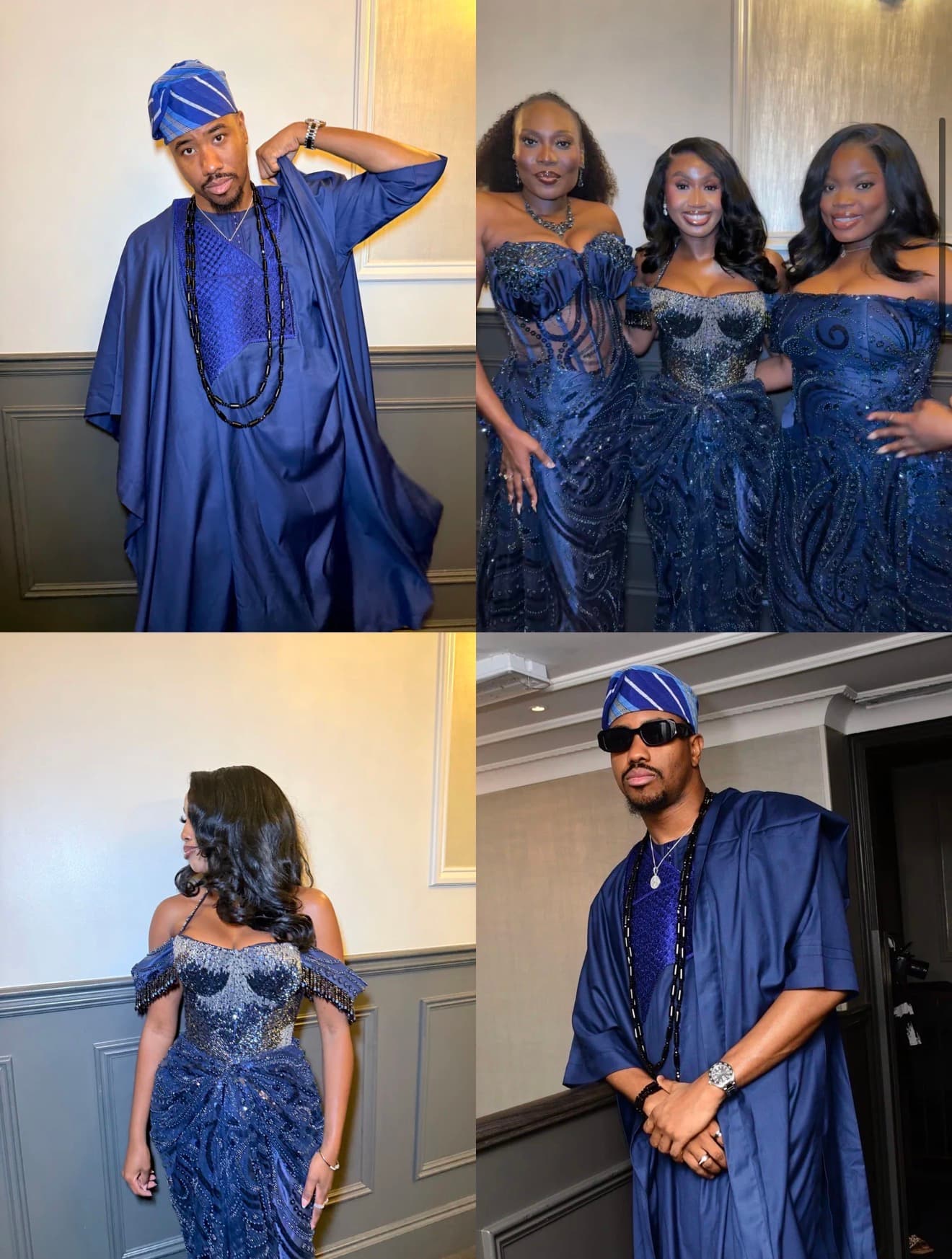
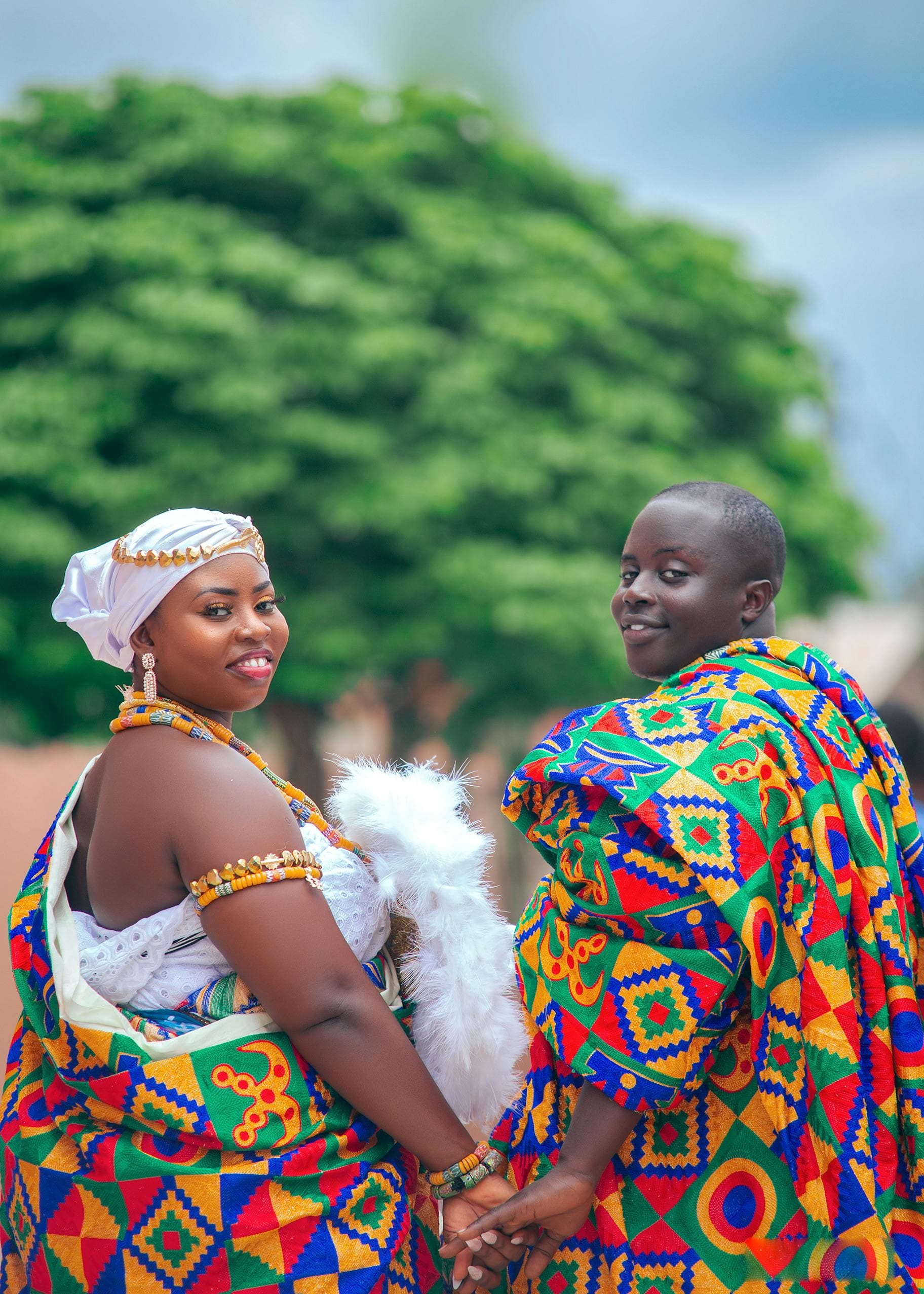
In the US, Ghanaian associations in cities like New York, the DMV, Chicago, and Houston host Independence galas, church services, and cultural nights. People dress in their best kente, kaba and slit, or kaftan, the music runs to highlife, hiplife, and Afrobeats, and the food spans jollof rice, waakye, banku, and kelewele. For diaspora families, the day doubles as a heritage celebration, a moment to pass the history and the symbolism of kente on to kids born in the US. If you're sourcing kente for the occasion, our Ghanaian traditional wedding guide covers where diaspora families find authentic cloth.
Traditions & Customs
- kente cloth
- black star flag
- highlife
- kaba and slit
- jollof rice
Vendors You Might Need
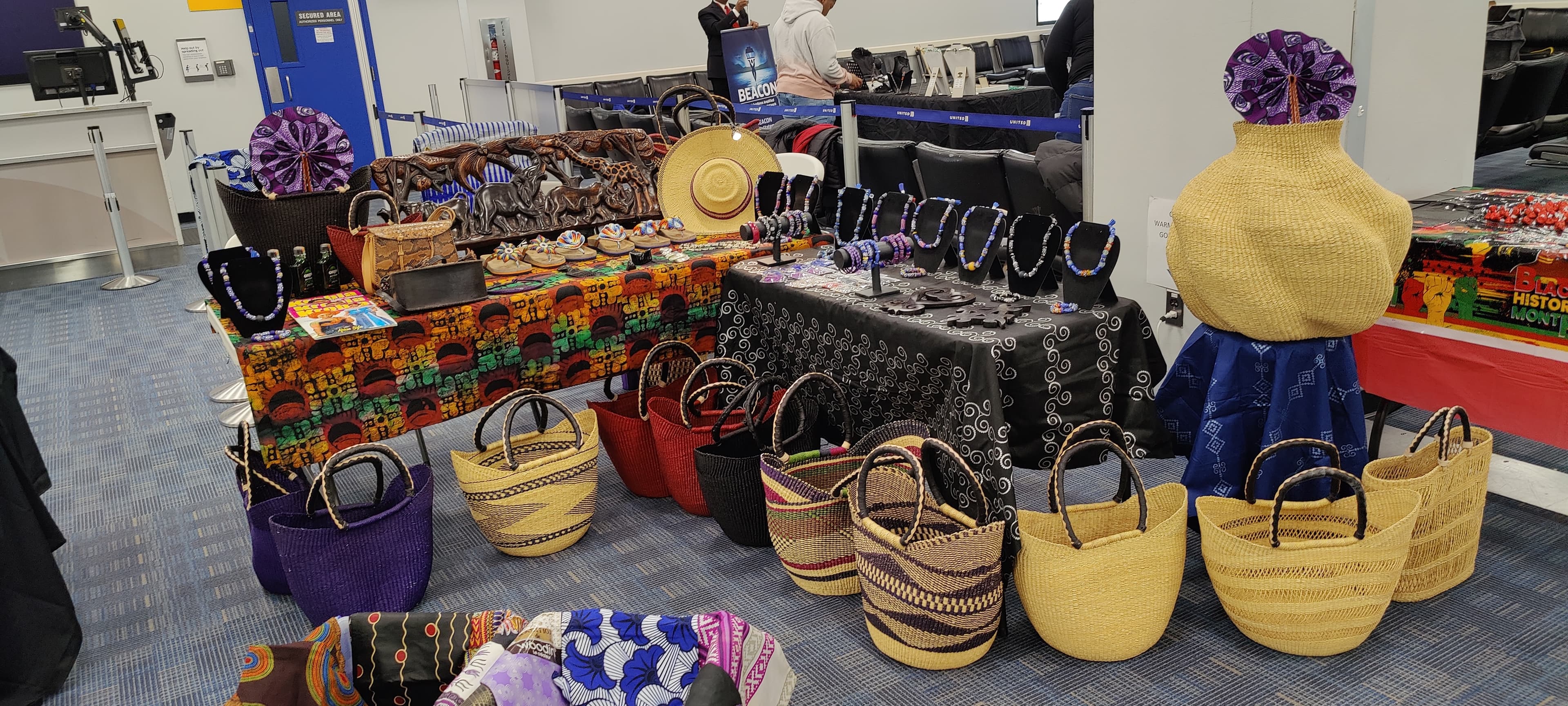
Browse Ghanaian vendors who specialize in the services this event usually calls for.
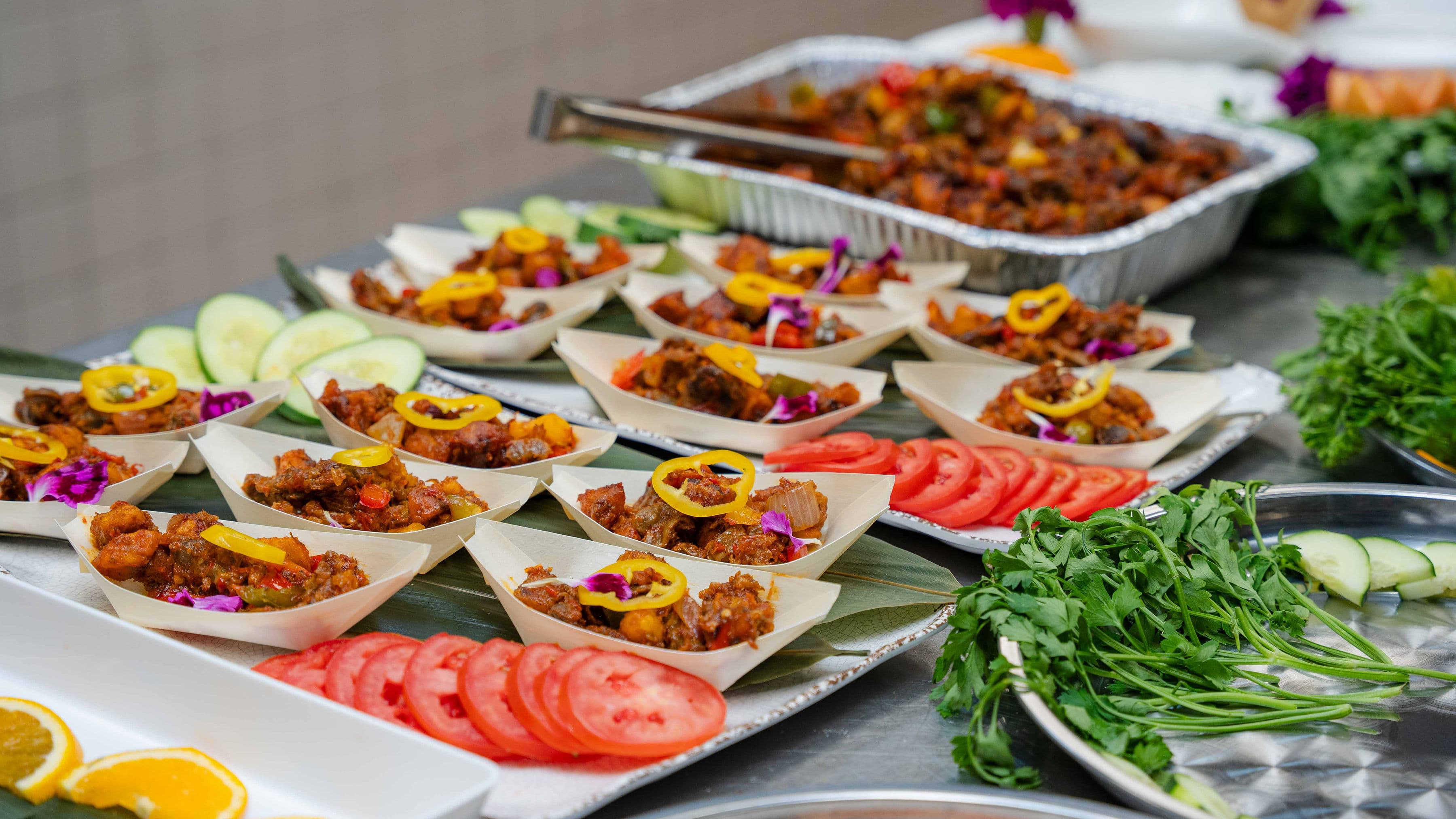
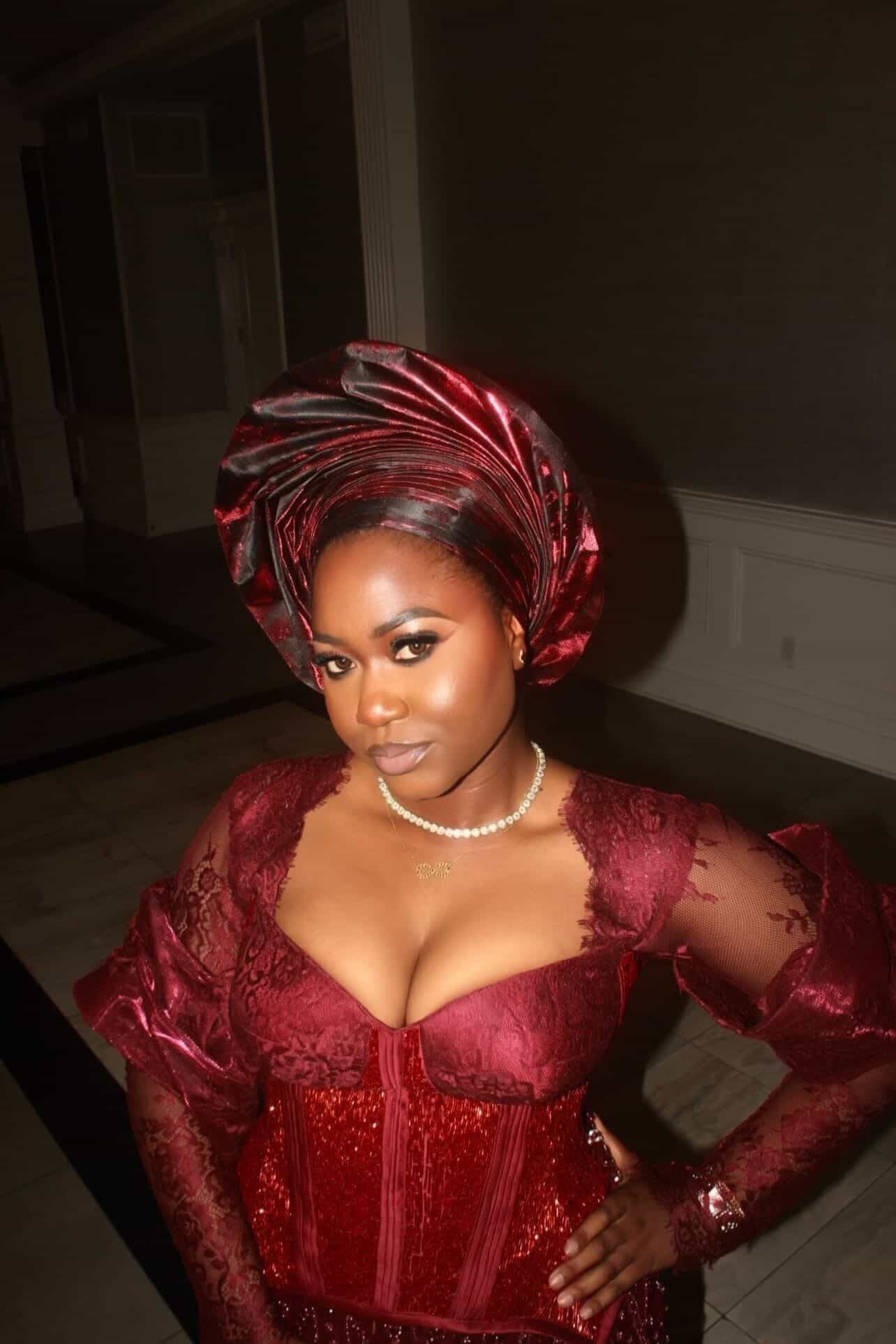


Join the growing Ghanaian vendor community on EventAtlas. with a vendor.
Related Guides
Planning tips and inspiration from the EventAtlas blog.
Planning a Ghanaian Traditional Wedding (Knocking Ceremony) in the US
The ceremony was designed for a family compound in Kumasi, but you're making it work in a split-level in Silver Spring. Here's the full process of a Ghanaian traditional wedding in the US: the kokooko knocking ceremony, the bride price list and what it actually costs, kente cloth sourcing, and how diaspora families adapt every stage.
Nigerian Wedding Catering in the US: What to Serve, How Much to Budget, and How to Find the Right Cook
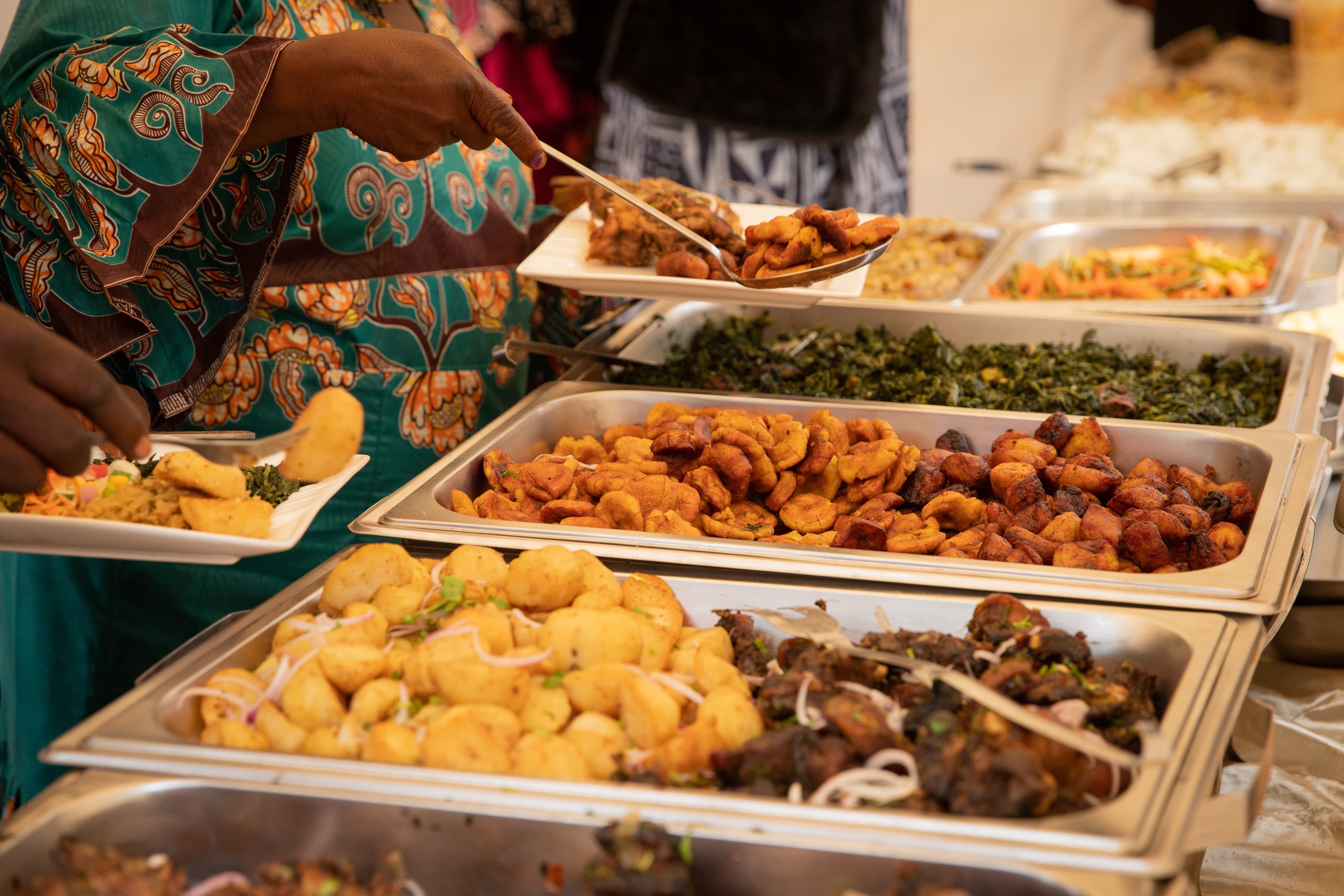
Party jollof that actually tastes like party jollof, enough protein so your auntie doesn't side-eye the serving line, and a realistic budget for 300 guests. Here's everything you need to plan Nigerian wedding catering in the US, from $25-per-head cook setups to $120+ full-service operations.