Traditional Greeting
عید مبارک (Eid Mubarak) — often "Eid Mubarak ho!"
eed moo-BAH-rak
The Festival of Sacrifice
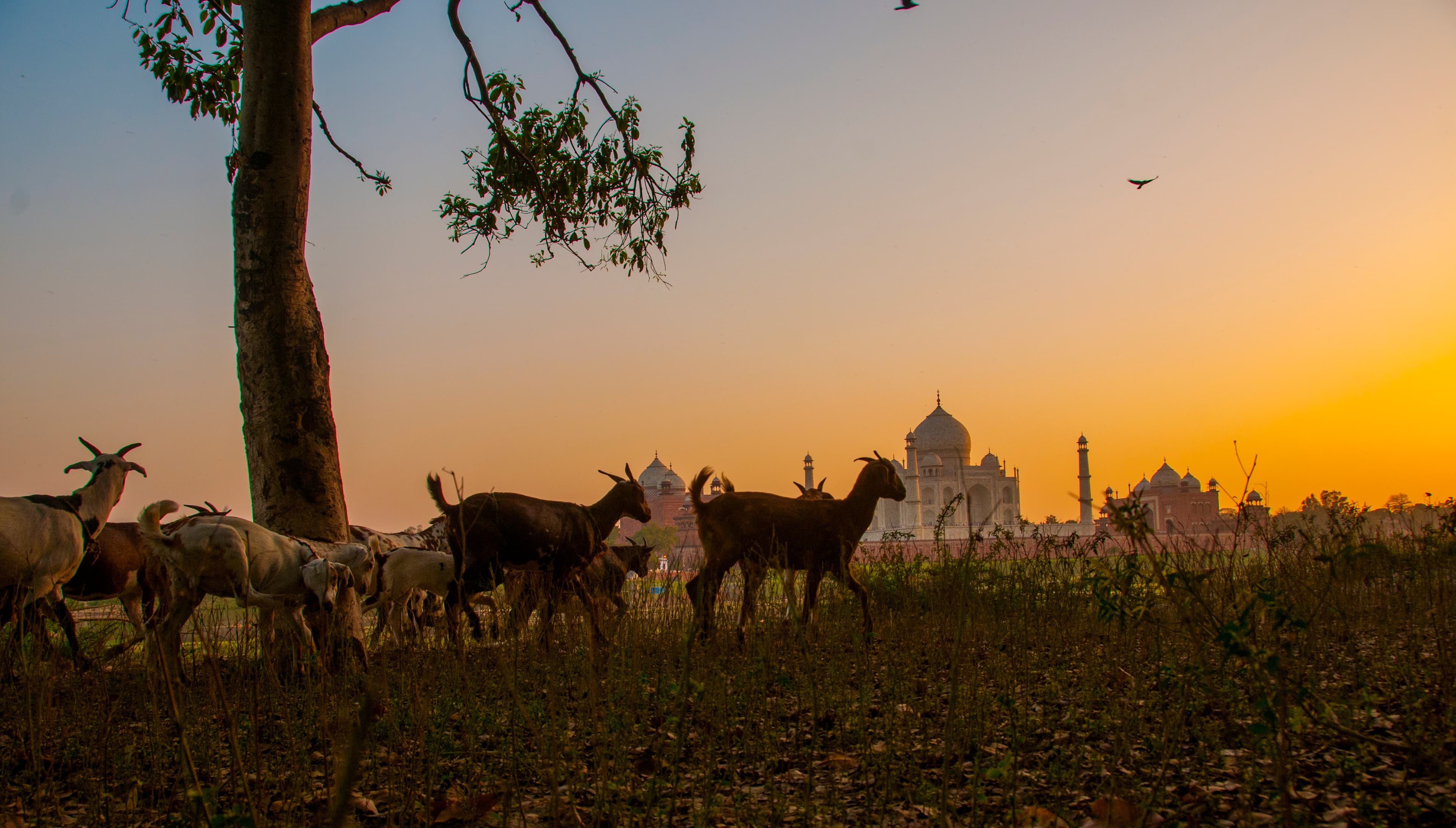
Eid al-Adha, the "Festival of Sacrifice," falls on the tenth day of Dhul Hijjah, the month of the Hajj pilgrimage, roughly two months and ten days after Eid al-Fitr. It commemorates the Prophet Ibrahim's willingness to sacrifice his son in obedience to God, and God's mercy in providing a ram in his place. For Pakistani Muslims it's Bari Eid (the bigger Eid) or Bakra Eid, named for the goat that's the most common sacrificial animal.
The heart of the day is qurbani, the ritual sacrifice of a goat, sheep, cow, or camel. The meat is then divided into three parts: one for the family, one for relatives and friends, and one for those in need. That act of sharing, making sure the poor have meat on the table for Eid, is the entire point, an expression of gratitude and charity rather than just a feast.
How It's Celebrated
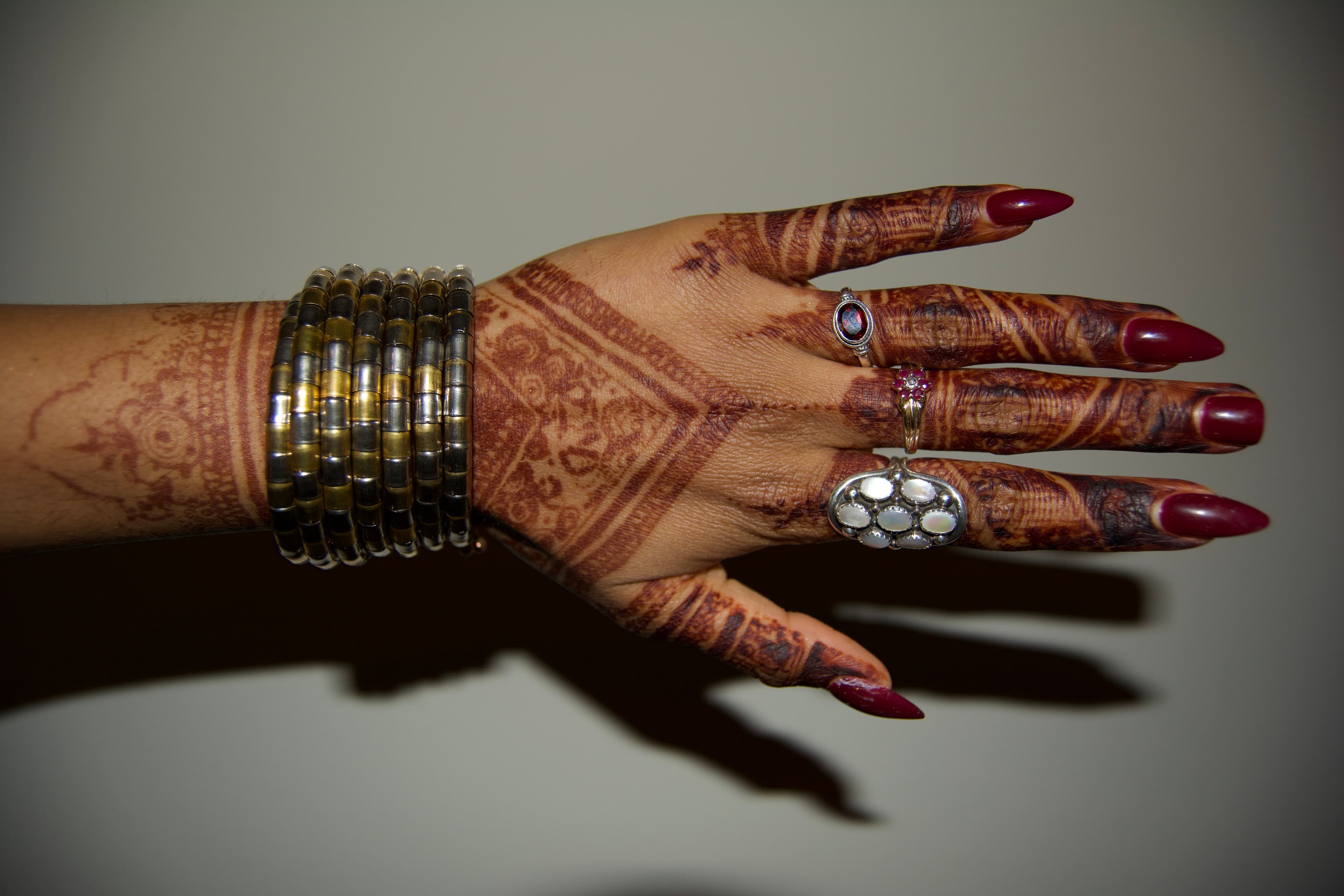
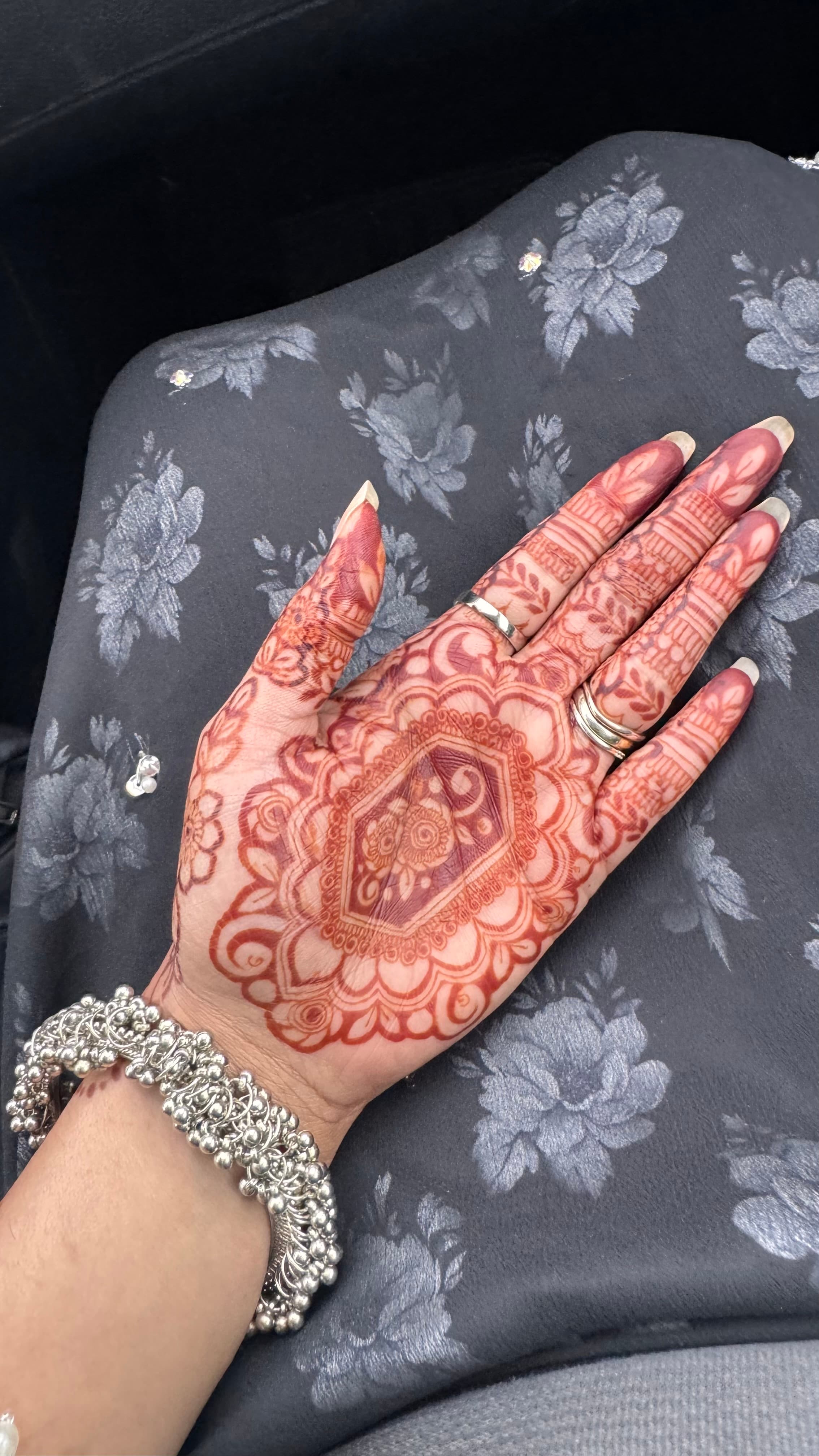
In Pakistan, the lead-up is unmistakable. Roadside mandis (animal markets) fill with goats and cows for sale by weight, children grow attached to the family's animal in the days before, and households buy new clothes alongside the livestock. On Eid morning, families pray the congregational Eid namaz just after sunrise, then the qurbani takes place, often at home or a designated site. The rest of the day, and the three days that follow, revolves around the fresh meat: barbecues, tikka parties, karahi, nihari, and liver-and-kidney dishes cooked the same day from the freshest cuts. Women and girls apply mehndi, children collect Eidi, and families move between homes for Eid Milan gatherings.
Eid al-Adha in the US
This is the Eid where diaspora logistics get genuinely complicated, because you can't sacrifice a goat in a suburban backyard. Pakistani families in the US handle qurbani in a few ways: booking through a local halal farm or slaughterhouse that schedules Eid sacrifices and packages the meat, arranging it through a mosque, or, very commonly, paying a charity to perform qurbani on their behalf back in Pakistan or in another country where the meat will reach people in real need. Many families do both, a local share to cook and a donated share abroad.
What's lost is the communal, visible nature of it, the markets, the shared neighborhood slaughter, the kids underfoot. What replaces it is a strong charitable emphasis and the family barbecue: once the meat is home or ordered, the celebration becomes a big multi-family cookout, often in a park or backyard, with the same tikka-and-karahi spread. Halal butchers take heavy Eid orders, and the dawn prayer fills the same rented halls and stadiums as Eid al-Fitr.
If You're Invited
You're most likely being invited to the barbecue or family lunch, and the food will be unapologetically meat-forward, so come hungry. "Eid Mubarak" is the greeting. Dress nicely, bring sweets or a dish for the host, and a little Eidi for any kids is a warm gesture. If you don't eat meat, say so kindly in advance; a good host will make sure there's something for you, but the day genuinely centers on the qurbani meat.
What Families Hire For
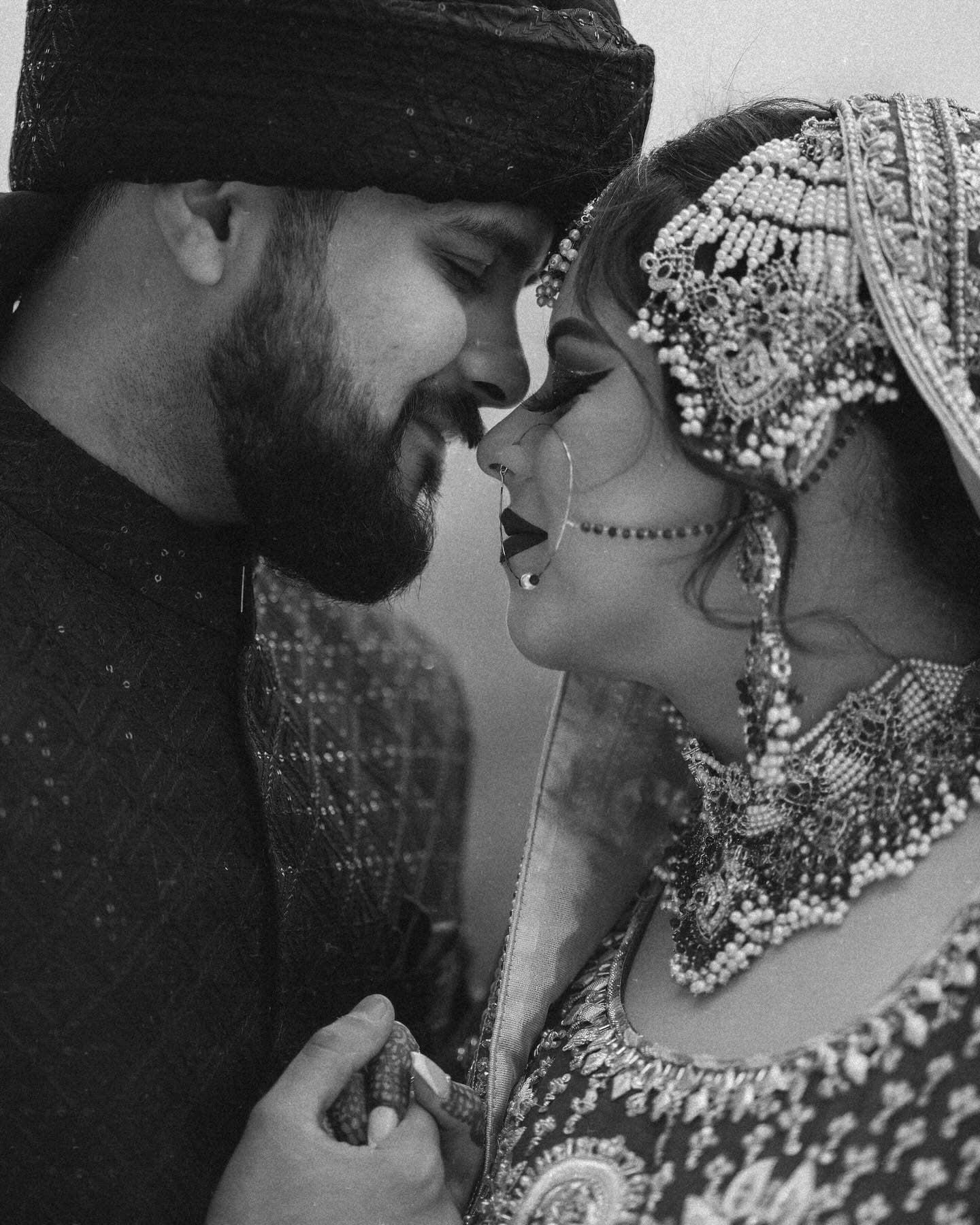
The big shared Eid lunch often calls for a caterer who can handle a meat-heavy menu for a crowd, and the new-clothes tradition keeps attire vendors busy. As with Eid al-Fitr, the family-gathering and outfit logistics mirror a Pakistani wedding closely, and our Pakistani wedding planning guide maps the same vendor world.
Traditions & Customs
- qurbani
- meat distribution
- bakra
- tikka party
- Eid namaz
Vendors You Might Need
Browse Pakistani vendors who specialize in the services this event usually calls for.

Join the growing Pakistani vendor community on EventAtlas. with a vendor.
Related Guides
Planning tips and inspiration from the EventAtlas blog.
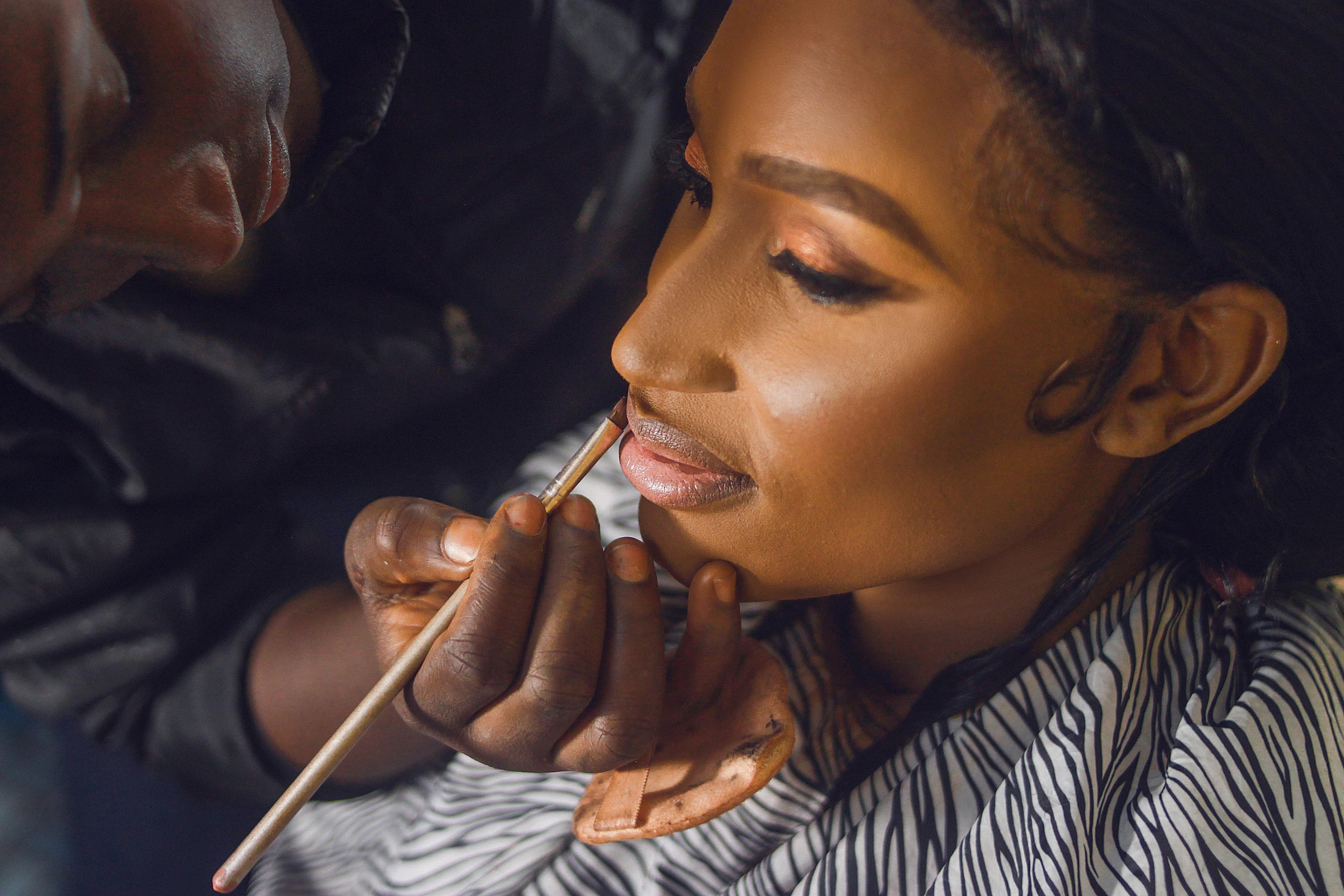
Bridal Makeup for Dark Skin Tones: How to Find an Artist Who Gets It Right
You showed up to the trial and the foundation was two shades too light, the setting powder left white cast in every flash photo, and the artist said "don't worry, it'll look fine." It did not look fine. Here's how to find a makeup artist who actually knows how to work with deep skin tones, what to demand at the trial, and the flash test that reveals everything.
Planning a Pakistani Wedding in the US: What to Know and How It Differs from an Indian Wedding
So is it basically the same as an Indian wedding?" No, not really. Here's the full structure of a Pakistani wedding in the US: from the dholki's geet circles to the nikah contract, the baraat procession, the emotional rukhsati, and the walima. Plus how to budget for 300+ guests across multiple events and where to find vendors who actually know the difference.