
Traditional Greeting
عيد مبارك (Eid Mubarak) — also the warm Levantine كل عام وأنتم بخير (kil 'am wa entu bi-kheir), "may you be well every passing year," and عيد سعيد (Eid Saeed)
eed moo-BAH-rak (kil 'am wa entu bi-kheir: kill AAM wen-too bi-KHEIR)
The Festival at the End of the Fast
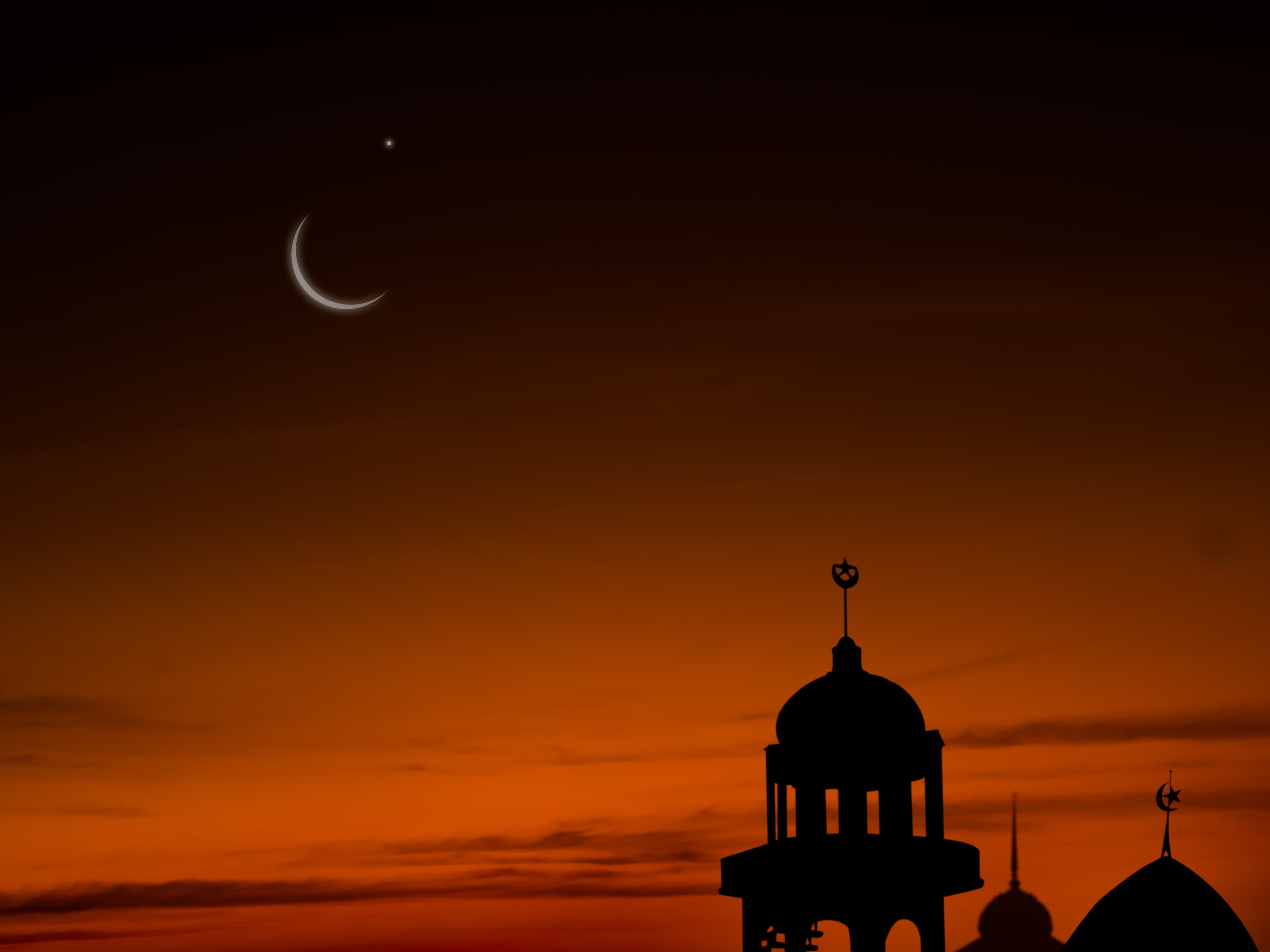
Eid al-Fitr, Eid el-Fitr in Levantine Arabic, marks the end of Ramadan and falls on the first of Shawwal, once the new crescent moon is sighted. After a month of fasting, prayer, and giving, it's a release into joy. The word eid simply means "festival," and across the Levant, Lebanon, Syria, Palestine, and Jordan, it's celebrated with a distinctive table and a rhythm of family visiting that stretches across three days. Before the celebration, Zakat al-Fitr is given so the less fortunate can share in the day.
How It's Celebrated
The baking starts before Eid arrives. Maamoul, delicate semolina cookies filled with dates, walnuts, or pistachios and shaped in carved wooden molds called tabeh, are made in big batches days ahead and stored to serve guests throughout the holiday. Kaak el Eid, ring-shaped cookies, are made alongside them. These sweets, paired with cardamom-scented Arabic coffee, are the centerpiece of Levantine Eid hospitality, set out for the steady flow of visitors.
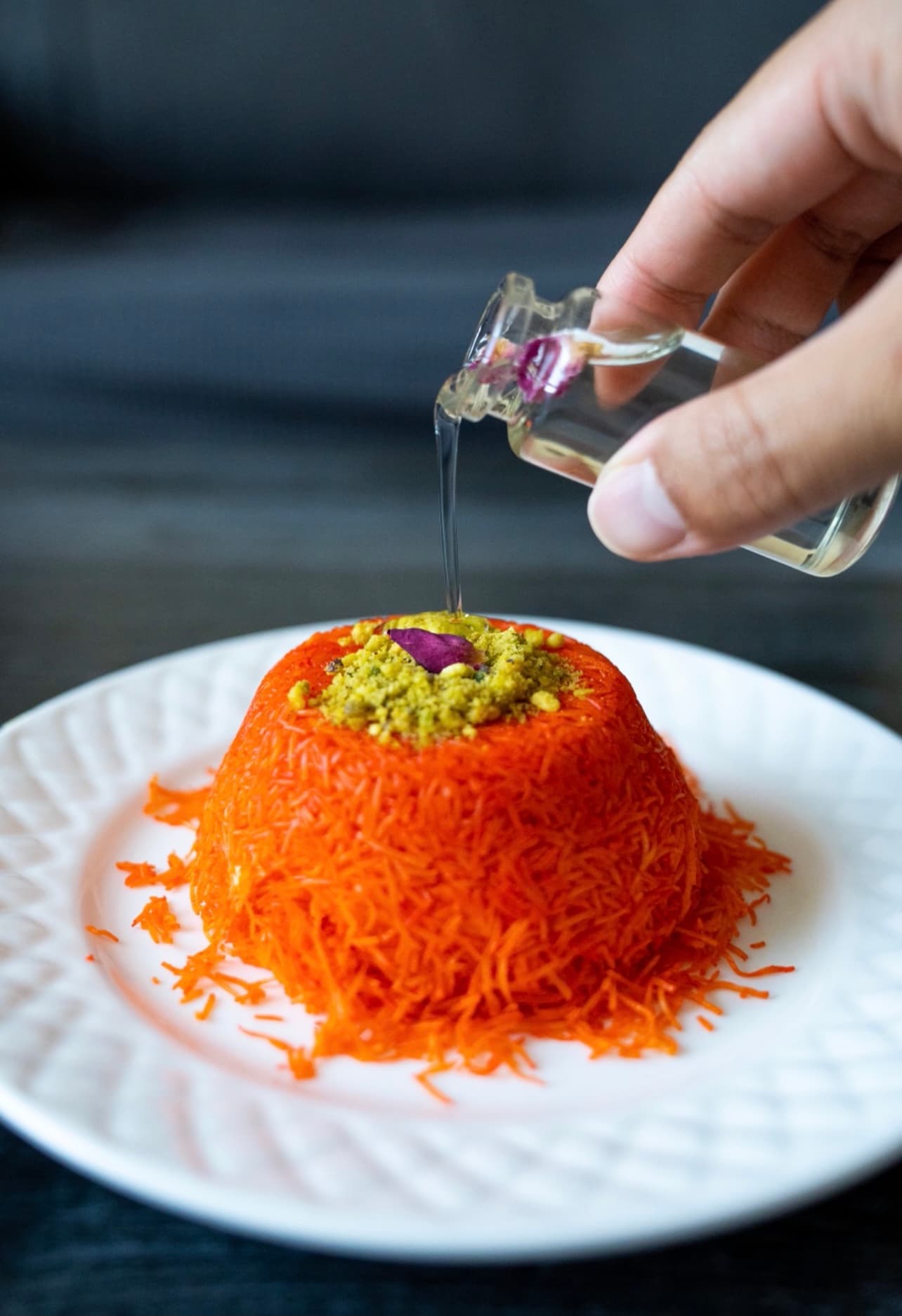
Eid morning begins early. Families bathe, dress in new clothes, eat a few dates, and head to the mosque for the salat al-Eid, the congregational prayer just after sunrise, followed by a short sermon. Then come the greetings and embraces, and often knafeh, the warm cheese-and-semolina dessert soaked in syrup, served for Eid breakfast. The bigger meals bring out the festive Levantine kitchen: mouloukhiye (jute-leaf stew), moughrabieh (large Lebanese couscous with chicken and chickpeas), and riz aa djej (rice with chicken and toasted nuts). Children receive eidiyah, cash gifts from elders, and the first day is for immediate family, with the second and third days spent visiting relatives and neighbors, often heading out in the open air in the evenings.
Eid al-Fitr in the US
The largest Levantine communities in the US, around Dearborn, Michigan, Paterson, New Jersey, and pockets of California and Texas, have built a full Eid infrastructure: Arabic bakeries that take maamoul and knafeh orders weeks ahead, halal butchers, and Islamic centers that rent large halls for the dawn prayer. The biggest adaptation is the calendar. Since Eid isn't a US holiday and can fall midweek, the prayer happens early and the visiting compresses into the nearest weekend.
What diaspora families miss most is the ambient, country-wide feel: back home the whole society pauses for Eid, while here it's a celebration held inside the community. Many compensate by leaning harder into the food and the gatherings, and by ordering the labor-intensive sweets they once made by hand from local Arab bakeries that have become Eid institutions in their own right.
If You're Invited
Come hungry and unhurried. You'll be offered maamoul and Arabic coffee almost immediately, and refusing outright reads as cold; accept at least a little. "Eid Mubarak" is the universal greeting, and "kil 'am wa entu bi-kheir" (may you be well every passing year) is a warm Levantine addition. Dress nicely. Bring a box of sweets or flowers for the host, never arrive empty-handed, and slip a little eidiyah to the children if there are any. Expect generosity that's hard to match and easy to enjoy.
What Families Hire For
For larger Eid gatherings, families often bring in a caterer for the moughrabieh-and-knafeh spread or order trays from a trusted Arabic bakery, and the new-outfit tradition keeps attire shops busy in the final days of Ramadan. Photographers are increasingly booked for the family portrait everyone wants while dressed in their Eid best.
Traditions & Customs
- maamoul
- kaak el Eid
- knafeh
- Eidiyah
- Arabic coffee
Vendors You Might Need
Browse Levantine Arab vendors who specialize in the services this event usually calls for.

Join the growing Levantine Arab vendor community on EventAtlas. with a vendor.
Related Guides
Planning tips and inspiration from the EventAtlas blog.
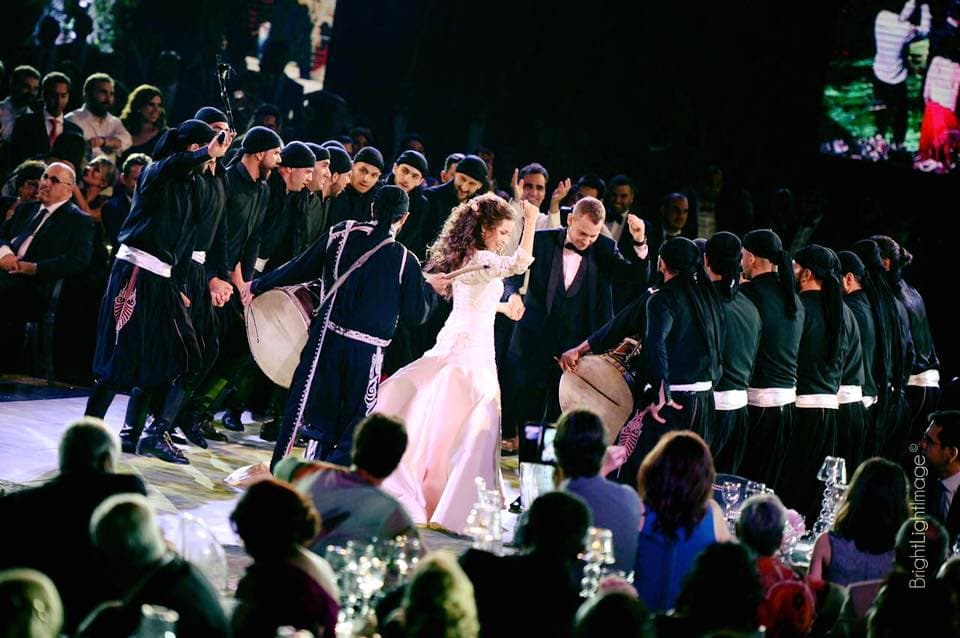
Planning a Levantine Arab Wedding in the US: Traditions, Music, and the Zaffe You'll Never Forget
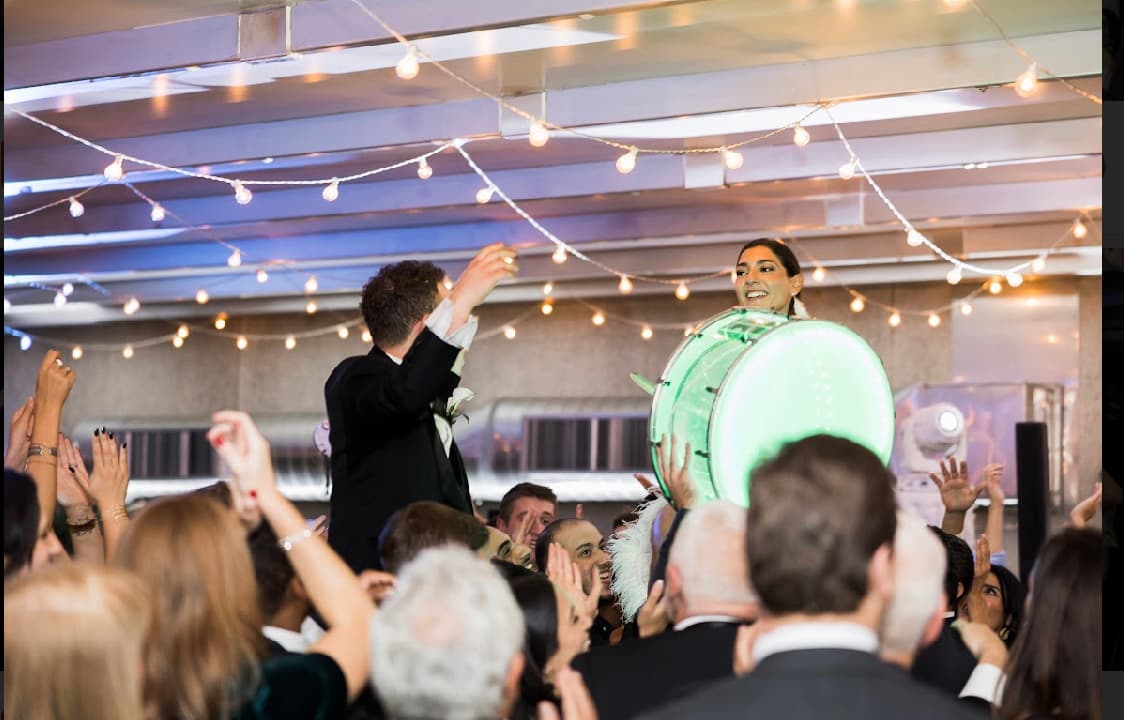
The drums are pounding, the dabke dancers are in formation, and your groom is being carried on someone's shoulders through the hotel lobby while your uncle tries to keep the flaming sword away from the ceiling tiles. Here's how to plan a Levantine Arab wedding in the US: the zaffe entrance, the dabke that goes for 45 minutes, and a feast that could feed a small army.