Traditional Greeting
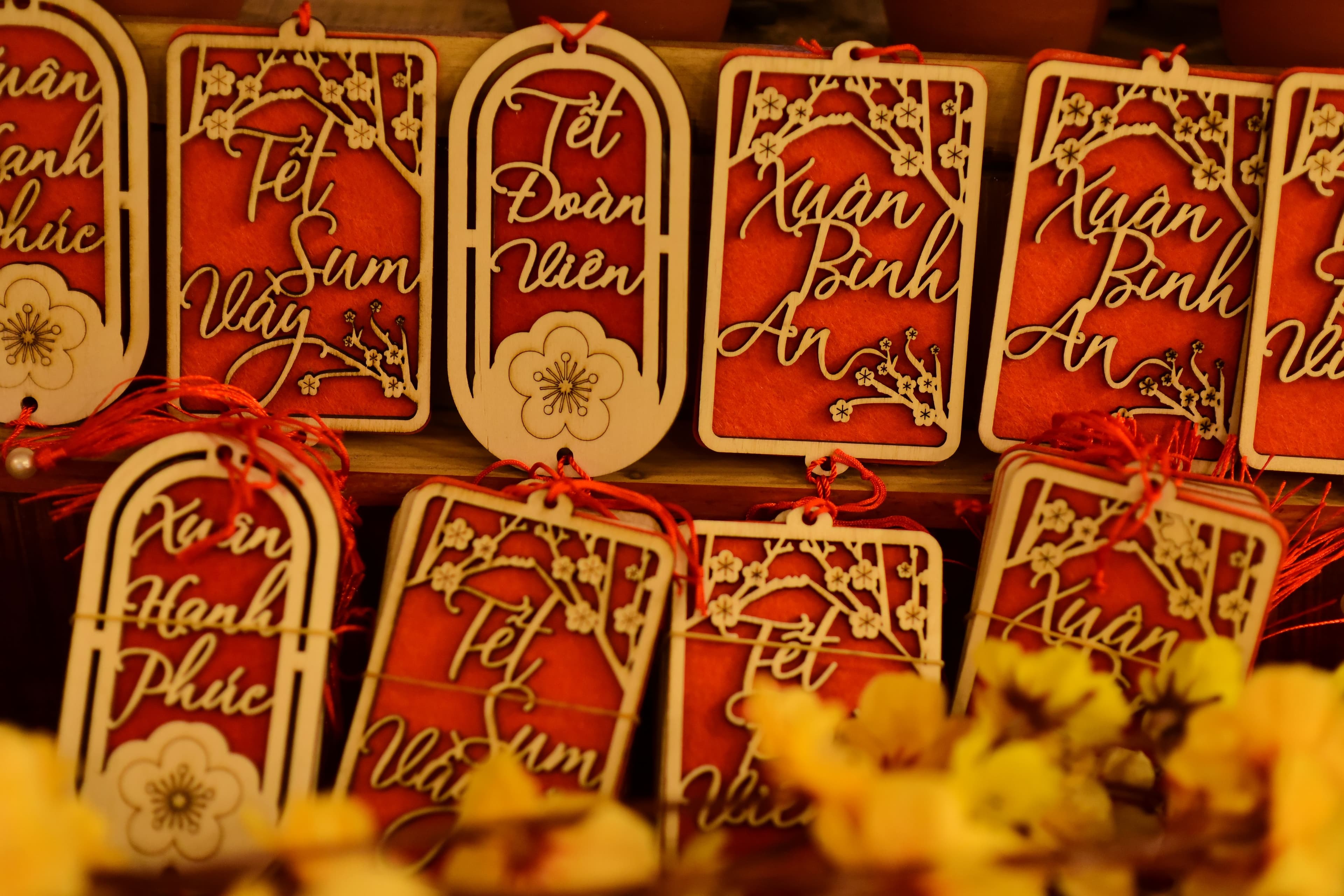
Chúc Mừng Năm Mới ("Happy New Year") — also An Khang Thịnh Vượng ("peace, health, and prosperity")
chook moong nahm MOY (An Khang Thịnh Vượng: ahn kahng thing voong)
Tết Nguyên Đán
Tết, short for Tết Nguyên Đán ("feast of the first morning"), is the Vietnamese Lunar New Year and by far the most important holiday of the year. It falls on the same lunar date as Chinese New Year, usually late January or February, but it's a distinctly Vietnamese festival with its own foods, flowers, and rituals. It marks the arrival of spring, a fresh start, and above all a family reunion that pulls everyone home no matter how far they've scattered.
Tết is deeply tied to ancestor worship. Families clean and decorate the home altar and invite deceased ancestors back to share in the celebration, with offerings of food, incense, and fruit. The days before are a flurry of preparation: settling debts, cleaning the house to sweep out the old year, getting a fresh haircut, and buying new clothes so the year starts clean.
How It's Celebrated
The decorations are unmistakably Vietnamese. In the south, homes display cây mai, branches of yellow apricot blossom; in the north, cây đào, pink peach blossom; and across the country, a kumquat tree heavy with fruit for luck. Red-and-gold banners reading Chúc Mừng Năm Mới go up everywhere.
The food carries layers of meaning. Bánh chưng (a square sticky-rice cake stuffed with mung bean and pork, wrapped in banana leaves and boiled for hours) represents the earth and is the soul of the Tết table; its cylindrical cousin bánh tét is more common in the south. Alongside it: thịt kho tàu (pork and eggs braised golden for wealth), giò lụa (pork sausage), xôi gấc (lucky red sticky rice), dưa hành (pickled onions to cut the richness), and trays of mứt (candied fruits) for guests.
At the stroke of midnight comes giao thừa, the transition moment, often greeted with fireworks and prayers. Then a custom found in few other cultures: xông đất, "first footing." The first person to enter the home in the new year is believed to set the household's fortune, so families often arrange for someone of good character and compatible zodiac to step in first. Elders give children lì xì, lucky money in red envelopes, and the first days are spent visiting family, teachers, and close friends in a careful order.
Tết in the US
Vietnamese American communities, centered in Orange County's Little Saigon, San Jose, Houston, and the DC area, throw some of the largest Tết festivals outside Vietnam, with flower markets, lion dances (múa lân), áo dài fashion, food stalls, and stage performances drawing huge crowds over a weekend.
For families, the holiday usually lands midweek with no day off, so the reunion meal and visiting compress into the nearest weekend. Yellow mai is hard to grow in most US climates, so families improvise with silk mai branches or substitute what's available, and bánh chưng, once made over an all-night family vigil, is now often bought from a trusted Vietnamese deli or ordered ahead. Asian and Vietnamese groceries stock everything else for the symbolic table.
If You're Invited
Wear red or bright colors and avoid black, which signals mourning. Bring a gift, fruit, sweets, or tea, and present it with both hands; skip clocks and anything black. If there are kids, a small lì xì envelope is a kind gesture, ideally with crisp, even-numbered bills (and avoid amounts with the number four). On the first day especially, don't drop by uninvited, since the first-footing belief makes that visit significant. Greet your hosts with "Chúc Mừng Năm Mới." Expect ancestor-altar offerings, a generous table, and a warm, multi-generational welcome.
What Families Hire For
Big Tết gatherings often mean a caterer for the bánh chưng-and-thịt-kho spread, a decorator for the mai, kumquat, and red-and-gold setting, and, for community festivals and large parties, a lion dance troupe. Florists and Vietnamese delis take heavy Tết orders in the weeks beforehand.
Traditions & Customs
- bánh chưng
- lì xì
- hoa mai
- xông đất
- mứt Tết
Vendors You Might Need
Browse Vietnamese vendors who specialize in the services this event usually calls for.
Join the growing Vietnamese vendor community on EventAtlas. with a vendor.