
Traditional Greeting
Habari Gani? (Swahili, "What's the news?", answered with the day's principle) — and Heri za Kwanzaa, "Happy Kwanzaa"
hah-BAH-ree GAH-nee (Heri za Kwanzaa: HEH-ree zah KWAHN-zah)
A Celebration of African American Heritage
Kwanzaa is a week-long celebration of African American culture and Pan-African heritage, observed from December 26 to January 1. It was created in 1966 by Dr. Maulana Karenga, a professor of Pan-African studies, in the wake of the civil rights and Black freedom movements, as a way to affirm African heritage, community, and shared values. The name comes from the Swahili phrase matunda ya kwanza, "first fruits," rooting the holiday in African harvest traditions. Kwanzaa is cultural rather than religious, and it's often celebrated alongside Christmas and the New Year, not in place of them.
At its core are the Nguzo Saba, the Seven Principles, one honored on each of the seven days: Umoja (unity), Kujichagulia (self-determination), Ujima (collective work and responsibility), Ujamaa (cooperative economics), Nia (purpose), Kuumba (creativity), and Imani (faith). They're meant to be lived year-round, not just recited in the week.
How It's Celebrated
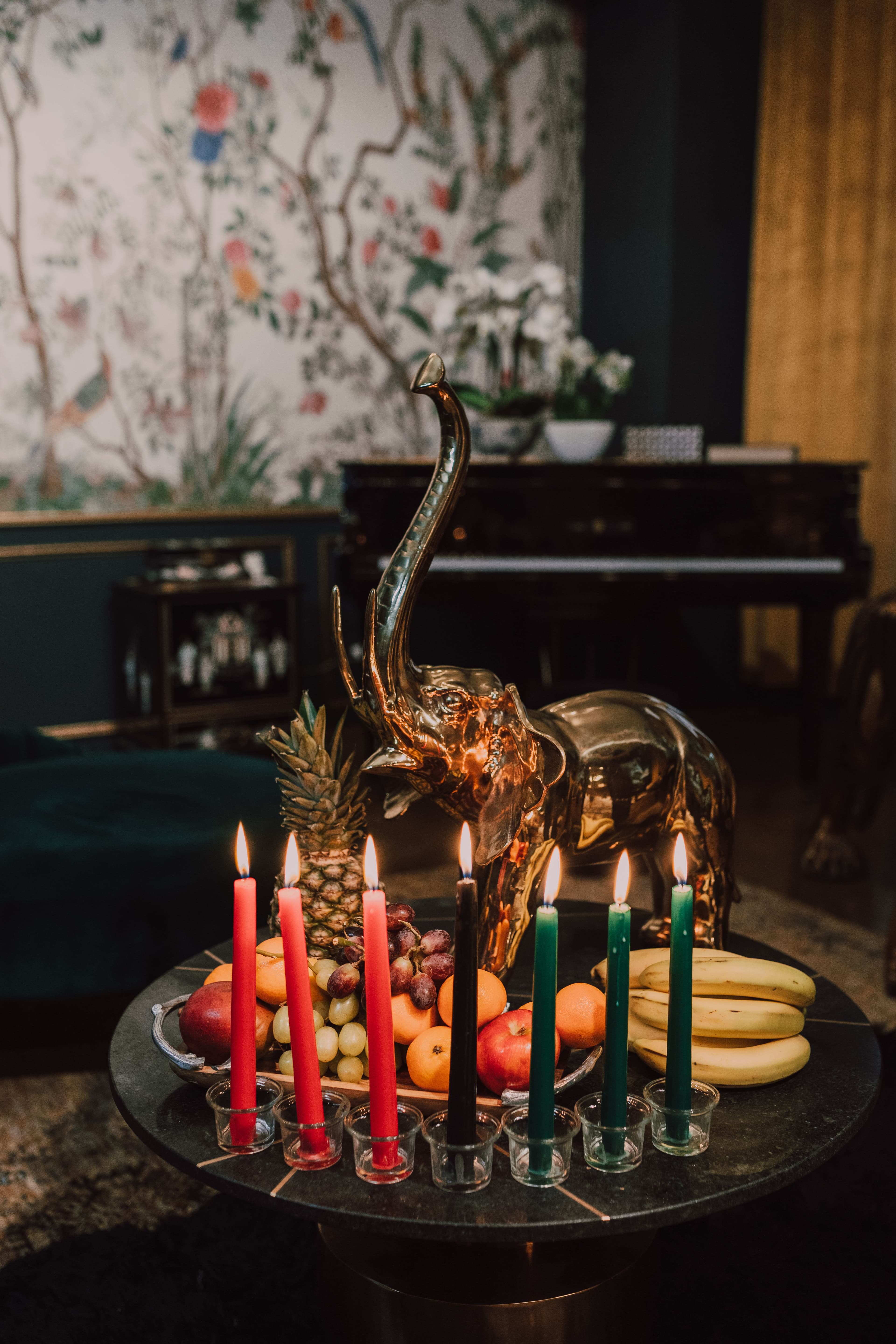
Families arrange the seven symbols on a table: the mkeka (a woven mat representing the foundation of tradition), the kinara (a candle holder symbolizing ancestral roots), the mishumaa saba (seven candles), muhindi (ears of corn, one per child), the kikombe cha umoja (unity cup), mazao (crops), and zawadi (gifts).
Each night, the family lights a candle on the kinara, one black candle in the center, three red on one side, three green on the other, and discusses the day's principle. The black candle is lit first, then the red and green alternate across the week, a reminder that struggle and hope are part of one story. The unity cup is shared to pour tambiko (libation) honoring the ancestors. On December 31 comes the karamu, a communal feast often featuring dishes from across the African diaspora, with music, drumming, dance, and storytelling. Zawadi (gifts), frequently handmade or educational and meant to encourage growth, are exchanged, often on January 1.
Kwanzaa in the US
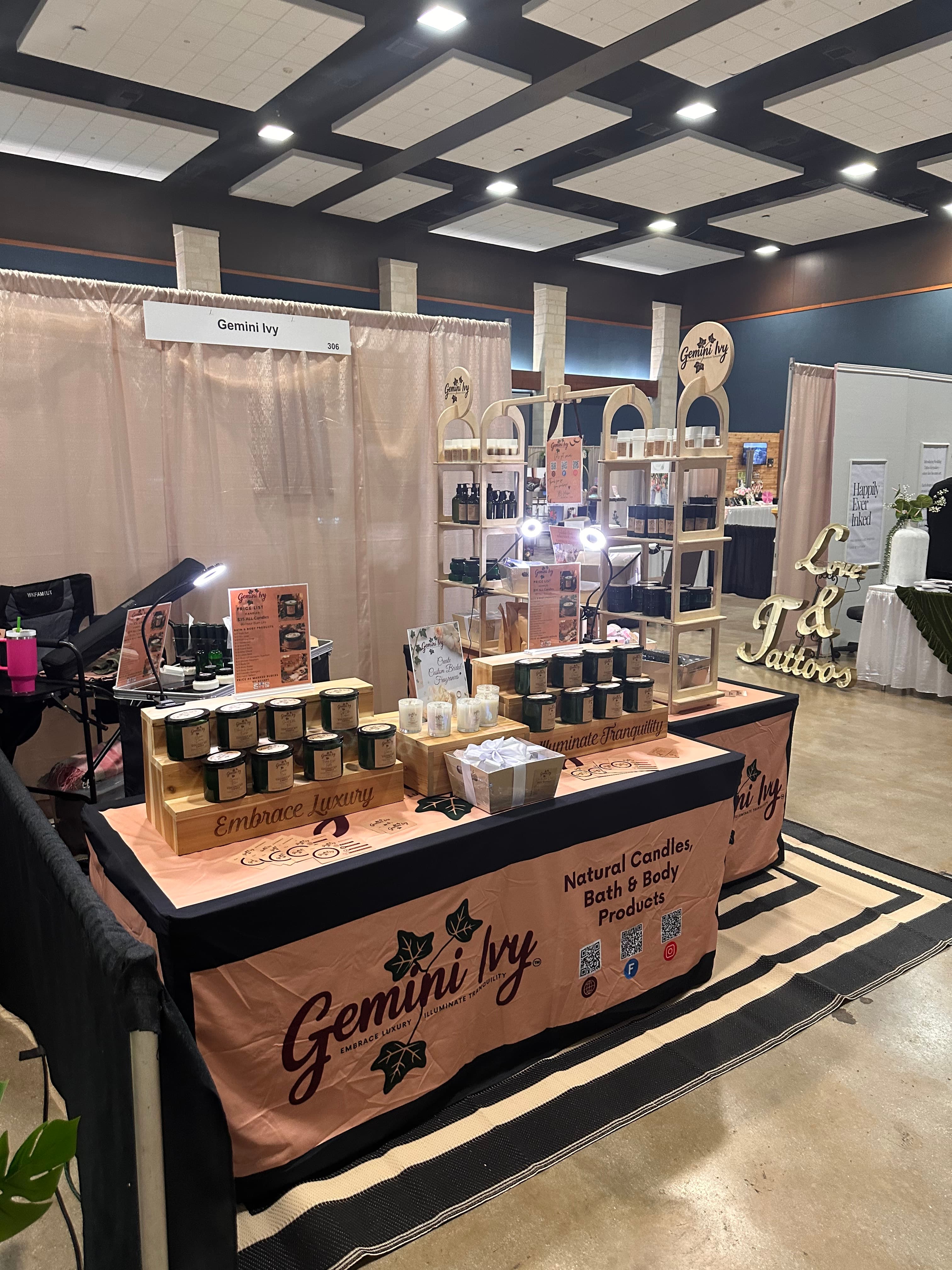
Kwanzaa is an American-born holiday, so its "diaspora context" is simply its life across the country: home celebrations, plus public events at community centers, museums, churches, libraries, and Black cultural institutions, candle-lighting ceremonies, drum and dance performances, marketplaces (Kwanzaa bazaars) that embody Ujamaa by spotlighting Black-owned businesses, and karamu feasts. Families adapt it freely, some observe all seven nights with full ritual, others mark a few principles or attend a single community event. The emphasis on Ujamaa (cooperative economics) has made Kwanzaa marketplaces a meaningful way to support Black makers and vendors during the season.
If You're Invited
You don't have to be African American to be welcomed to a Kwanzaa gathering; the spirit is communal. Learn the day's principle so you can take part in the discussion, and the greeting "Habari Gani?" ("What's the news?"), answered with that day's principle. If there's a karamu, bringing a dish to share fits the cooperative spirit, and a handmade or meaningful zawadi is in keeping with the holiday's values. Treat the candle-lighting and libation as the reflective moments they are.
What Families Hire For
Community Kwanzaa celebrations often involve caterers for the karamu feast, drummers and dancers for the cultural program, and decorators for the kinara-and-kente setting, while Kwanzaa bazaars are themselves a marketplace of Black-owned food, craft, and gift vendors.
Traditions & Customs
- Nguzo Saba
- kinara
- mishumaa saba
- karamu
- zawadi
Vendors You Might Need
Browse African American vendors who specialize in the services this event usually calls for.
Join the growing African American vendor community on EventAtlas. with a vendor.